Carbon County at the Crossroads: The Industrial Shift from Coal Mines to Nuclear-Powered Data Centers

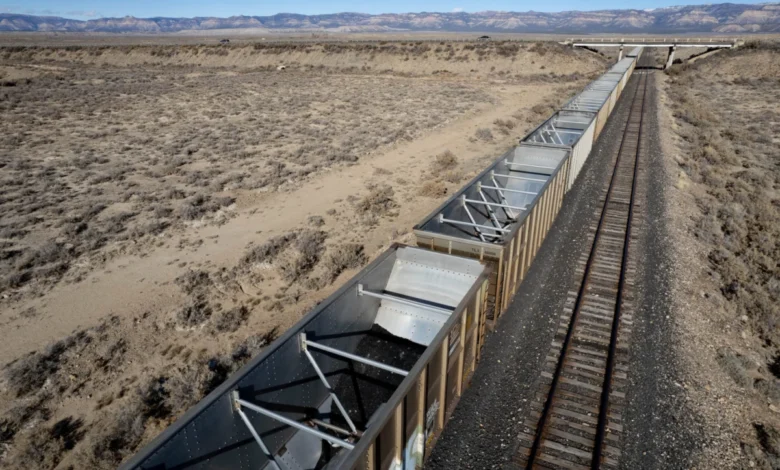
For generations, the economic identity of Carbon County, Utah, was forged in the deep, dark seams of the Wasatch Range. Residents built lives, families, and communities around the extraction of coal, a commodity that defined the region’s prosperity even as it exacted a heavy toll in the form of respiratory illnesses and industrial accidents. However, as the global energy landscape pivots toward renewables and natural gas, and as domestic coal production faces an existential decline, this central Utah pocket is undergoing a radical, and deeply contentious, industrial transformation. The new frontier is not fossil fuels, but rather the hyper-intensive infrastructure of the digital age: massive data centers powered by experimental nuclear technology and utility-scale natural gas plants.
This transition has sparked a firestorm of local opposition, leaving residents like Cindy O’Neil to navigate a landscape of uncertainty. O’Neil, who has become a prominent voice for concerned citizens, watches as secretive, high-stakes industrial projects move into the shadow of her home. The central point of contention is the arrival of Valar Atomics, a nuclear startup that has garnered the support of state officials and local commissioners to construct a sprawling, 456-unit small modular reactor (SMR) complex on federal Bureau of Land Management (BLM) land.
A Legacy of Coal and a Future of Fission
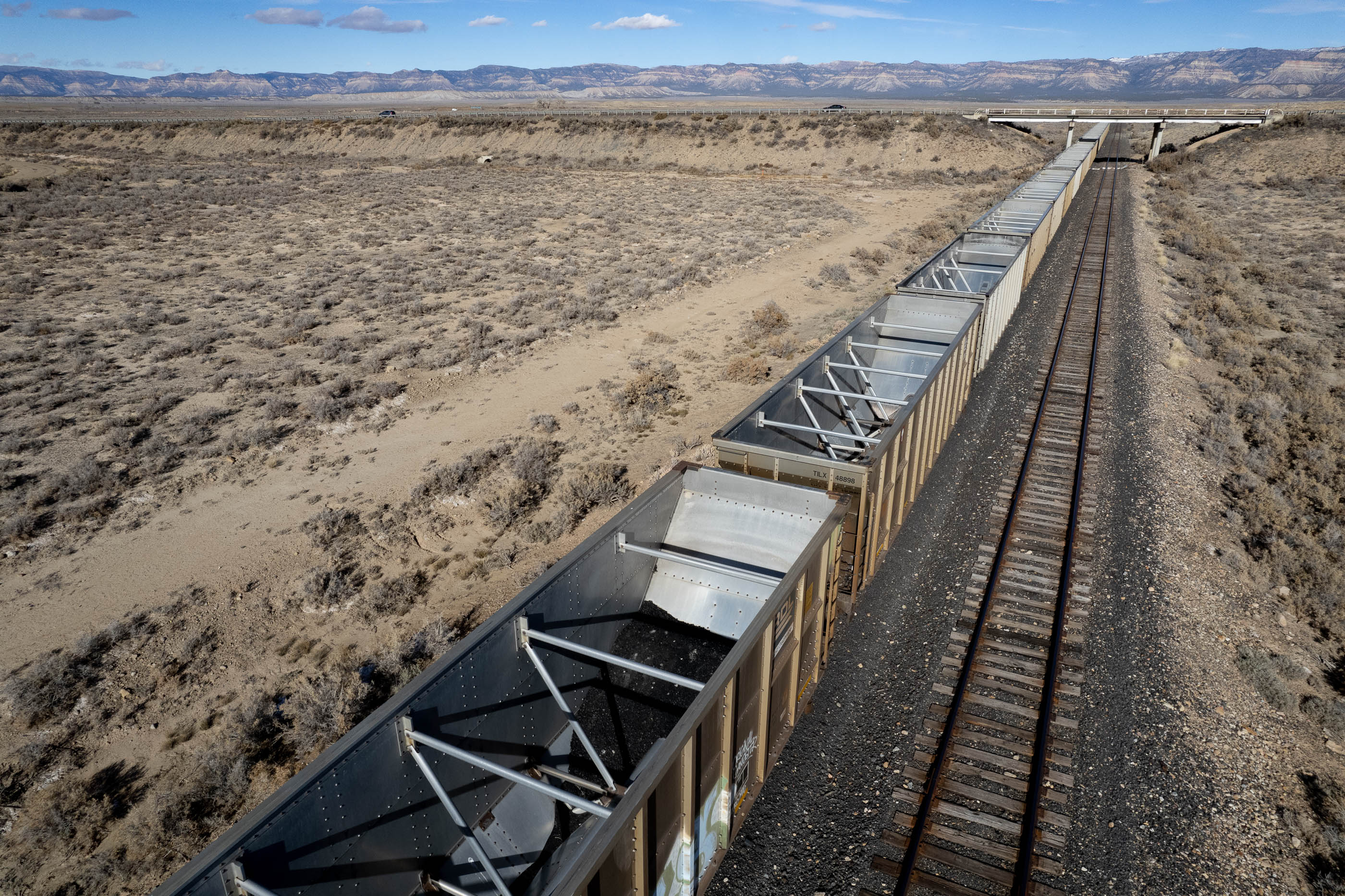
The decline of Carbon County’s coal industry was not a slow fade but an abrupt collapse. In 2006, the region produced nearly 10 million tons of coal. By 2023, the output had dropped to zero. This precipitous decline, driven by market forces favoring cheaper, cleaner energy alternatives and the depletion of local seams, left a massive economic vacuum. In response, local leadership has aggressively pursued industrial diversification, viewing data centers as the potential "white knight" for the county’s tax base.
The most ambitious of these projects is "Project Beehive," a joint effort involving Valar Atomics and the state of Utah. The project entails a 100-year lease for a square mile of state-owned trust lands, intended to host a facility that will house SMRs, refine critical minerals, produce steel, and operate a water desalination plant. According to internal documents presented to the Utah Trust Lands Administration, the project is projected to generate approximately $35 million in lease revenue over the next half-century—funds earmarked for Utah’s public schools.
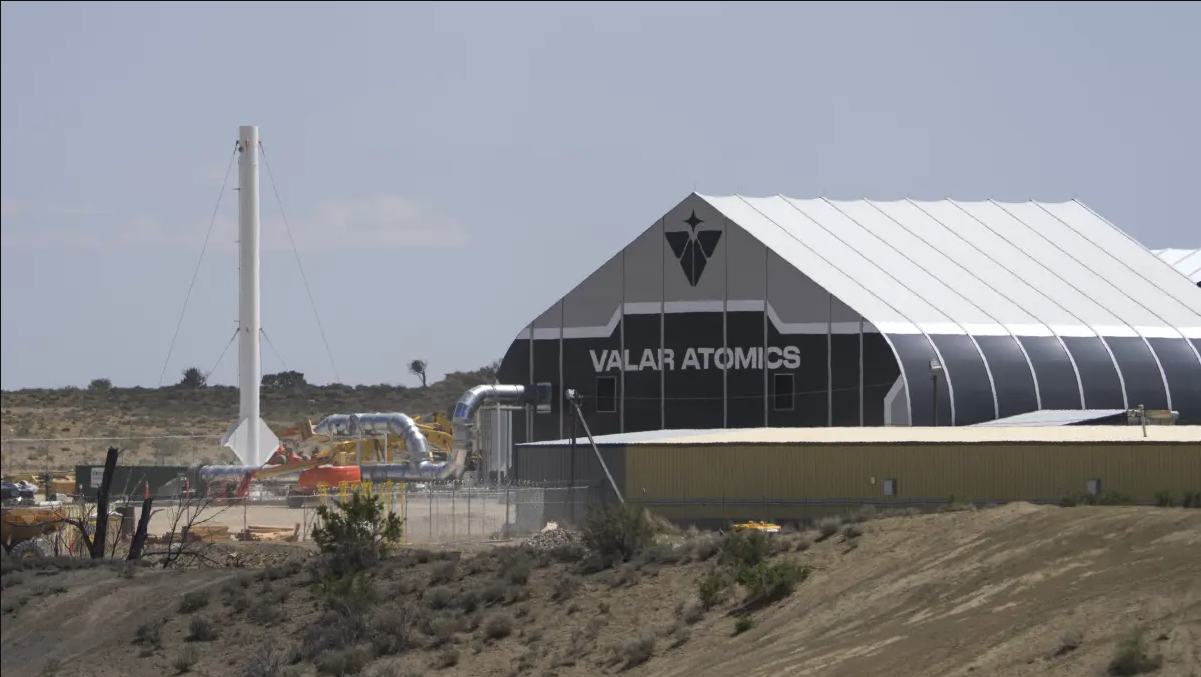
However, the technology remains largely unproven in a commercial capacity within the United States. While Valar Atomics successfully demonstrated "self-sustaining criticality" at the San Rafael Energy Lab in neighboring Emery County in June 2026, the scalability of such technology remains a subject of intense debate among energy experts.
The Rise of Jurassic Spark and Natural Gas Infrastructure
While Valar Atomics focuses on the nuclear sector, another major player, Altigen Energy, has set its sights on the region for a different, yet equally resource-heavy project. Dubbed "Jurassic Spark," this 1,200-acre complex is slated to include a 250-megawatt natural gas power plant. According to local officials, the project’s scope could eventually expand to generate up to 3 gigawatts of electricity—a staggering figure when considering that the entire state of Utah currently maintains a total demand of approximately 4 gigawatts.
The shift toward on-site, self-contained power generation is the direct result of Senate Bill 132, passed by the Utah Legislature last year. The law allows private entities with high energy demands—specifically those requiring 100 megawatts or more—to bypass the traditional utility grid and construct their own power stations. Proponents argue this fosters economic development without straining the existing grid, but environmental advocates warn of the significant methane emissions and localized heat pollution that these gas-fired plants generate.
Community Dissent and the Transparency Gap
The disconnect between the government’s economic development strategy and the anxieties of the local population is stark. During a September board meeting of the Trust Lands Administration, Carbon County commissioners emphasized their commitment to the projects, characterizing the pushback as the concern of a vocal minority. Commissioner Larry Jensen argued that the "silent majority" of residents support the transition, suggesting that rejecting these projects would mean forfeiting the only viable economic path forward.
Local resident and county commission candidate Cheryl Lupo offers a contradictory narrative. Having collected 300 signatures to qualify for the ballot, Lupo describes a community gripped by fear and frustration. For many, the resistance is rooted in generational trauma. Utah’s history with nuclear testing—specifically the downwind effects of Nevada-based atomic tests in the 1950s—remains a visceral memory. Lupo, who believes her mother’s premature death was linked to radioactive fallout, views the arrival of nuclear reactors with profound skepticism.
"People are up in arms," Lupo said. "Torches and pitchforks. Because they’re not being heard."
A primary source of this frustration is the prevalence of non-disclosure agreements (NDAs) surrounding these developments. While the county maintains that such agreements are necessary to attract competitive businesses, residents argue that the secrecy prevents the public from assessing the risks associated with radioactive waste storage and the massive water consumption required for cooling and industrial processes.
Environmental and Resource Implications
The environmental impact of these data centers extends beyond carbon emissions. Professor Robert Davies of Utah State University has warned that the intense heat produced by these facilities could have micro-climatic effects. Given that the Wellington area is geographically hemmed in by the Wasatch Range and the Book Cliffs, the potential for a "heat island" effect is a primary concern for local environmentalists.
Water, already a scarce and strictly managed resource in the high desert of Utah, is another flashpoint. While developers claim that their closed-loop cooling systems are highly efficient and require minimal water, critics remain unconvinced, pointing to the cumulative demand of multiple, large-scale industrial sites in a region where every acre-foot is critical for agriculture and municipal use.
The Path Forward: Economic Necessity vs. Quality of Life
The economic reality of Carbon County is undeniable. Without the tax revenue generated by the coal industry, the burden of funding local services has shifted heavily onto the shoulders of homeowners and smaller businesses. The county’s July 3 statement, which explicitly linked the acceptance of data centers to the preservation of the tax base, underscores the difficult trade-offs facing local leaders.
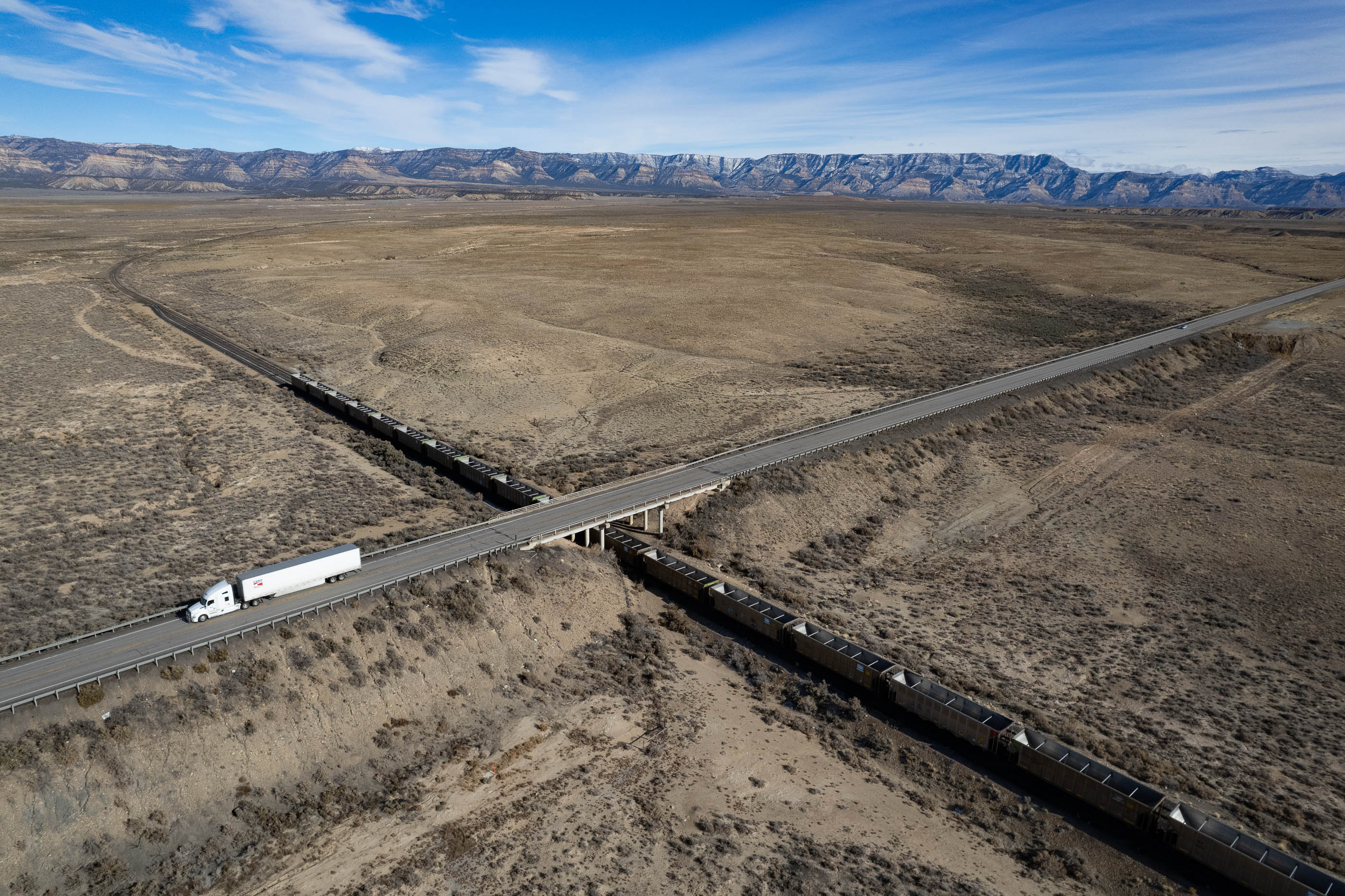
However, the reliance on speculative, high-tech industrial projects creates a new set of risks. If the demand for AI-driven data centers shifts, or if the experimental nuclear technology faces regulatory or mechanical setbacks, the county could find itself with massive, underutilized infrastructure and a degraded local environment.
As the community stands at this crossroads, the debate is no longer just about the economy; it is about the governance of the future. The tension between the desire for immediate economic relief and the long-term stewardship of the land, water, and public health remains unresolved. For residents like O’Neil, the struggle is to ensure that the "table scraps" of the new energy economy do not come at the cost of the safety and character of the place they call home.
The coming years will serve as a definitive test for Carbon County. Whether these massive investments in nuclear and gas infrastructure will serve as a bridge to a prosperous, diversified future or leave the community with the next iteration of industrial legacy costs is a question that remains at the forefront of the regional discourse. For now, the silence of the old coal mines has been replaced by the hum of planning, permitting, and a deepening, unresolved anxiety about what the next era will truly bring.