The Toxic Legacy of Militarization: How Dieldrin Contamination and Strategic Buildup are Reshaping the Future of Guam

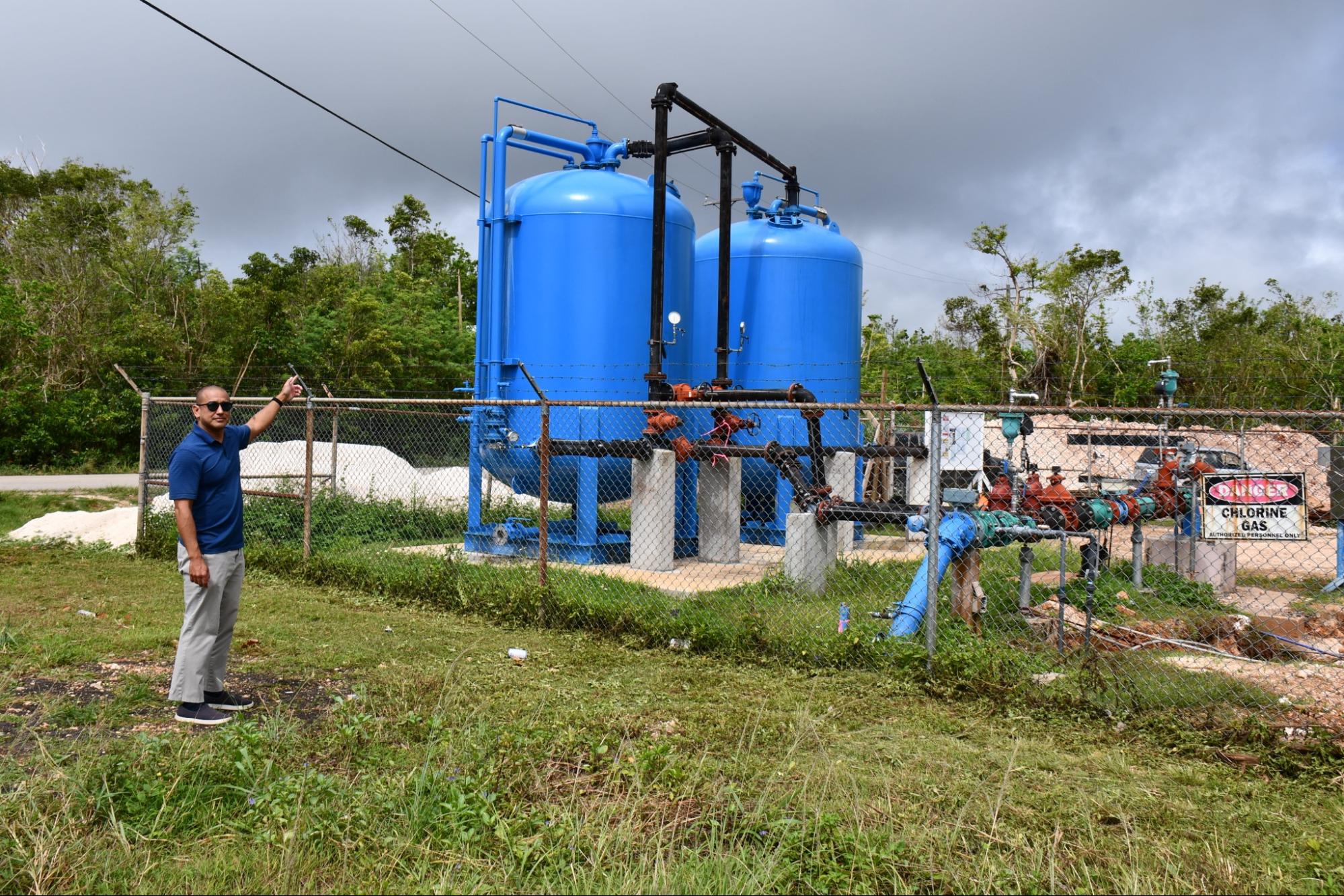
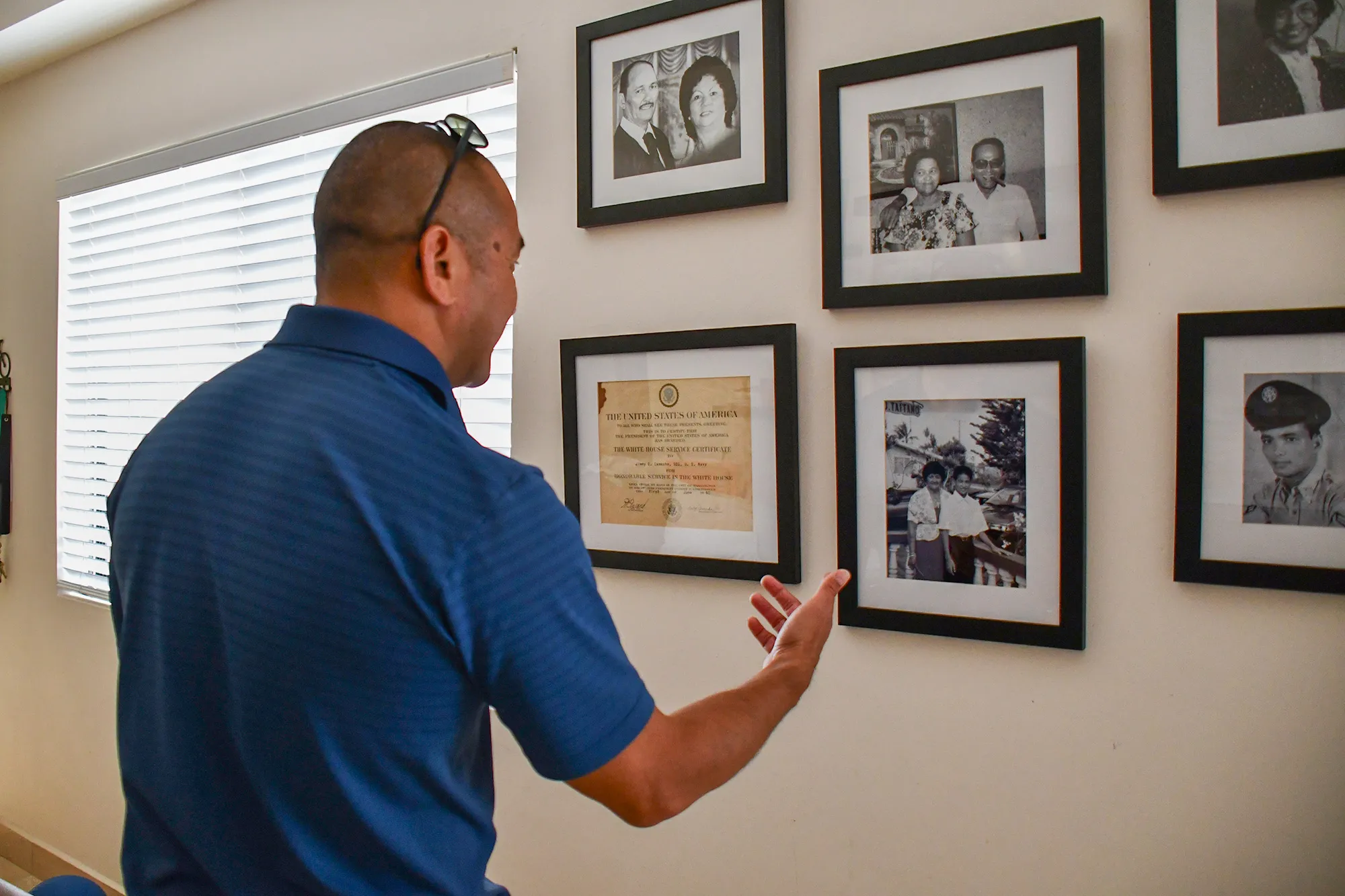
Leevin Camacho was brushing his teeth in his Yigo home last fall when his mother’s frantic phone call interrupted the routine. She had received a disturbing alert from the local water authority: the community’s water supply was contaminated. A follow-up text contained a photograph of a stark public notice. The flyer warned of an increased cancer risk and potential long-term damage to the liver, accompanied by a command in bold, capital letters: DO NOT DRINK. As Camacho stared at his phone, the reality set in with chilling precision. His two children, then 10 and 12 years old, had been drinking and using that water for their entire lives.
The substance in question was dieldrin, a potent organochlorine insecticide that was banned in the United States in 1987 due to its persistence in the environment and its classification as a probable human carcinogen. For the residents of Yigo, a northern village on the island of Guam, this was not merely a recent discovery but the culmination of a long-standing environmental crisis. Records indicate that elevated levels of the pesticide have been detected in local wells since at least 2008.
A Chronology of Contamination and Neglect
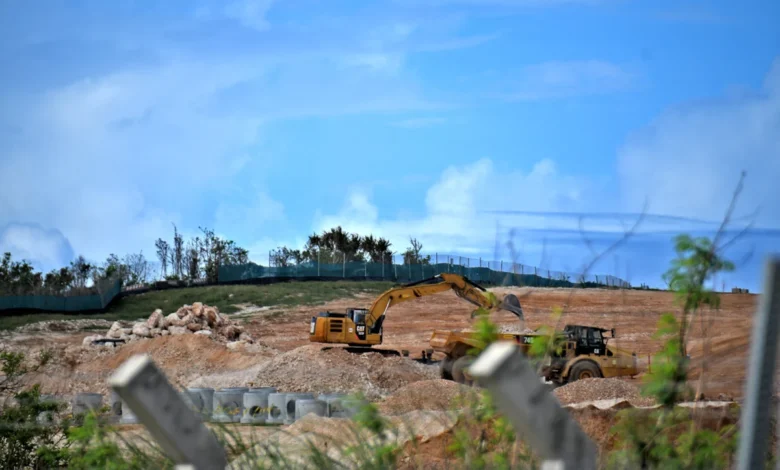
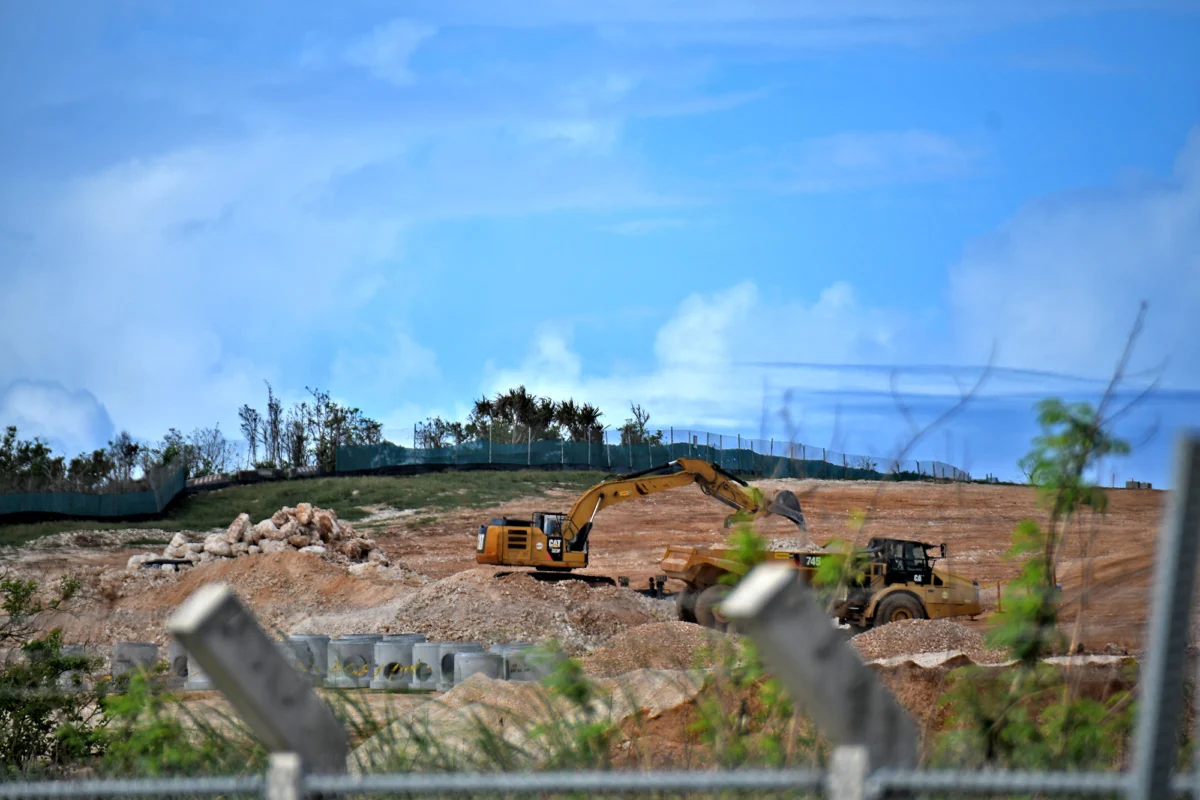
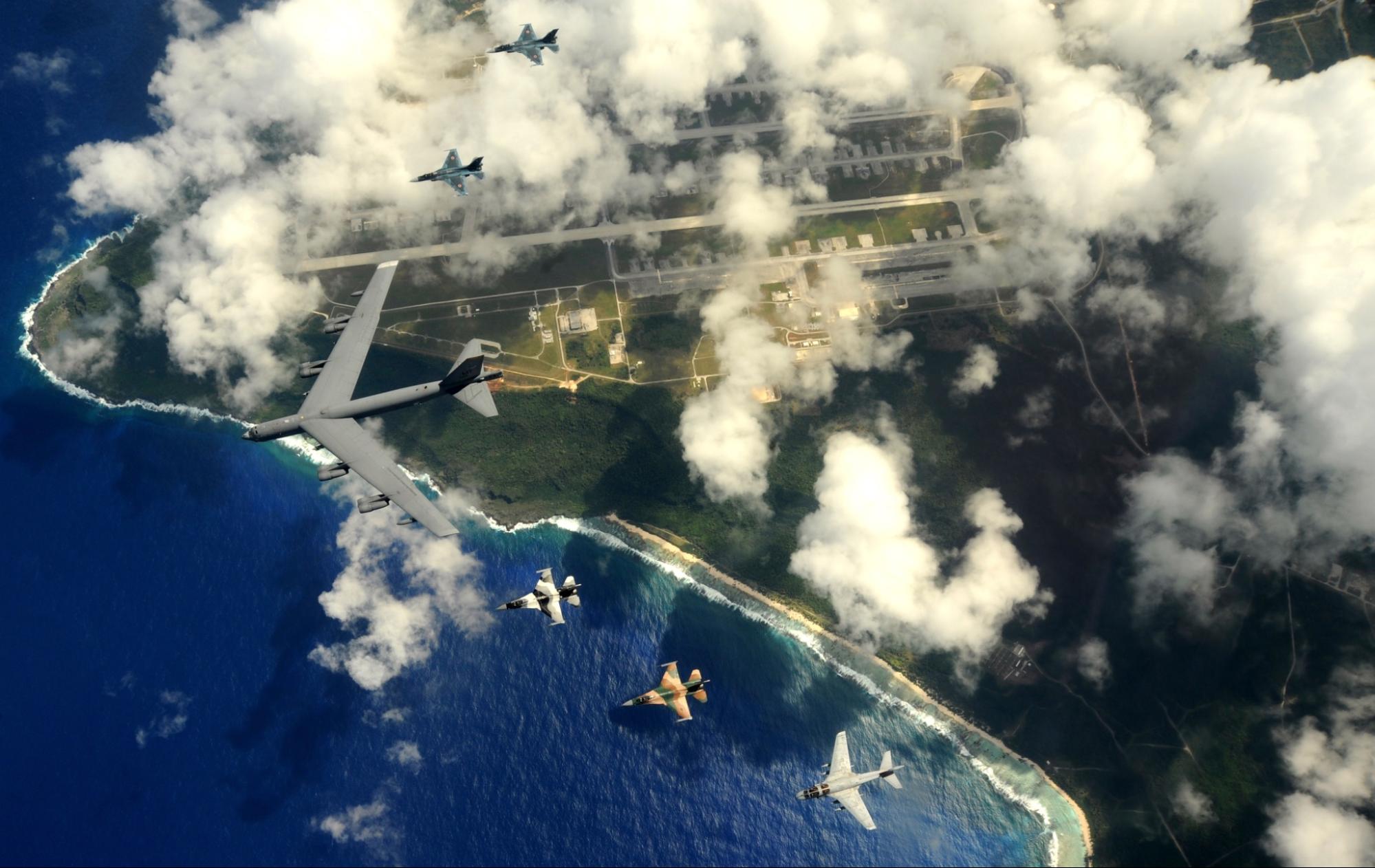
The presence of dieldrin on Guam is inextricably linked to the island’s history as a strategic hub for the U.S. military. While the Pentagon has categorized the pesticide as a "chemical of concern" since 1993, the investigation into the specific contamination of the Yigo well remains in its early stages. Local officials suspect that the nearby Andersen Air Force Base serves as a primary source of the pollution, though they acknowledge that the historical, widespread use of the chemical in agricultural and vector control makes pinpointing a single origin point difficult.
The timeline of environmental degradation on the island spans decades. Following World War II, the U.S. military engaged in a massive land acquisition campaign, seizing roughly two-thirds of the island. This era saw the introduction of invasive species, such as the tangan-tangan tree, and the creation of numerous disposal sites for hazardous materials. The Ordot Dump, which became a focal point of legal battles led by Camacho during his tenure as Guam’s attorney general, stands as a primary example of the military’s legacy of environmental liability. In 2021, the U.S. Supreme Court ruled unanimously that Guam could pursue the federal government for cleanup costs associated with the site, resulting in a $48.9 million settlement.
Strategic Buildup and Economic Tension
Guam currently sits at the epicenter of a massive military expansion designed to counter growing geopolitical tensions in the Indo-Pacific. The Pentagon’s "Pivot to the Pacific" involves an influx of billions of dollars for new missile defense systems, the activation of Marine Corps Base Camp Blaz, and the expansion of port and airfield infrastructure.
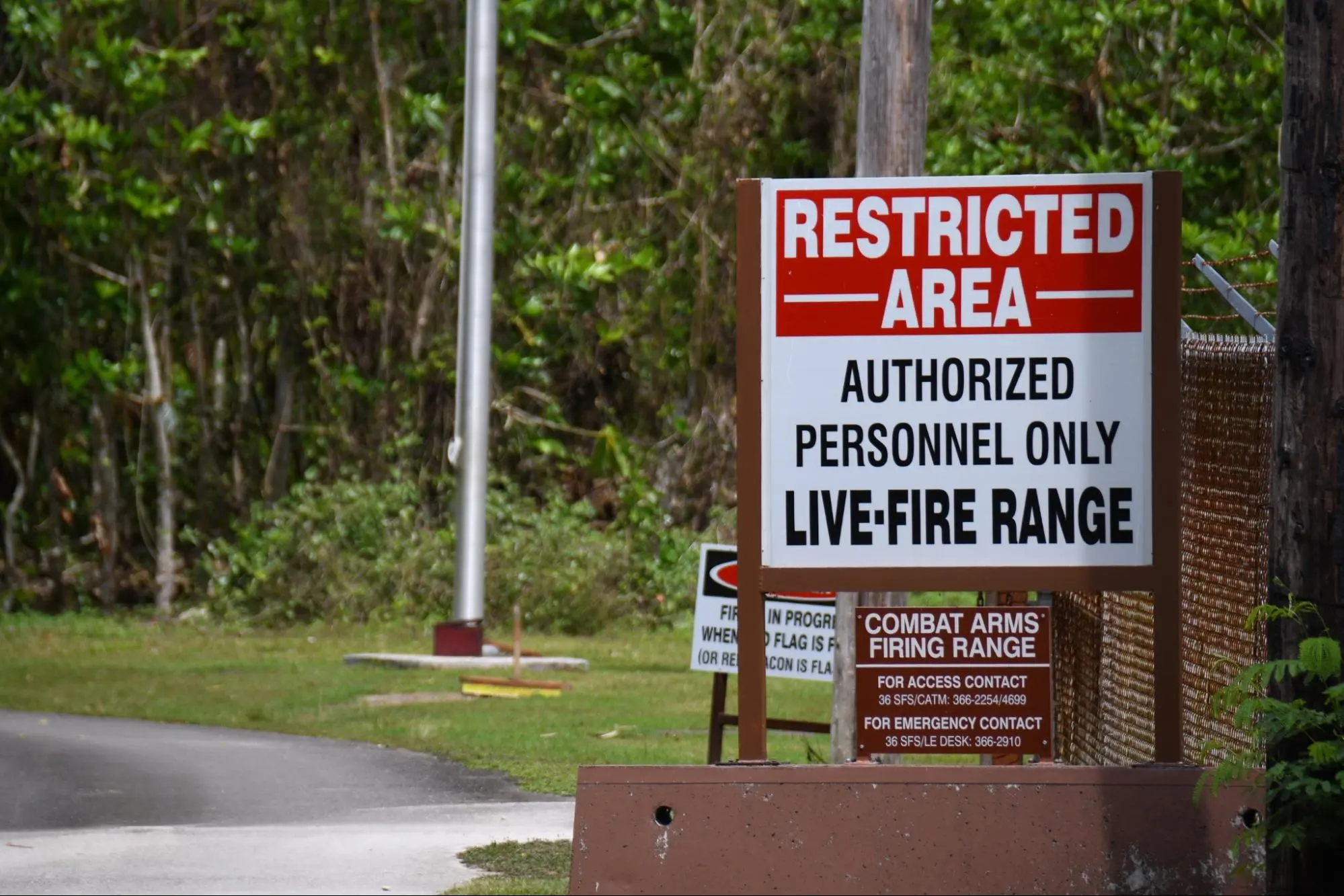
This buildup is presented by military leadership as a necessity for national security. Rear Admiral Brett Mietus, commander of Joint Region Marianas, maintains that the military is fully committed to environmental stewardship and strict adherence to U.S. regulations. "We’re meeting every letter of every law for environmental regulations and rules, and we’re doing that while we’re spending a ton of money to defend this island from the most advanced missiles in the world," Mietus stated.
However, for the local population, the economic benefits—which include job creation and significant capital investment—often clash with the environmental and cultural costs. Economists note that military spending contributes substantially to Guam’s GDP; yet, this prosperity is unevenly distributed. Rising housing costs, driven by the increasing number of military personnel and contractors, have made the cost of living increasingly prohibitive for long-term residents. Median home prices have surged from approximately $216,100 in 2010 to nearly half a million dollars today, creating a crisis of affordability for local families.
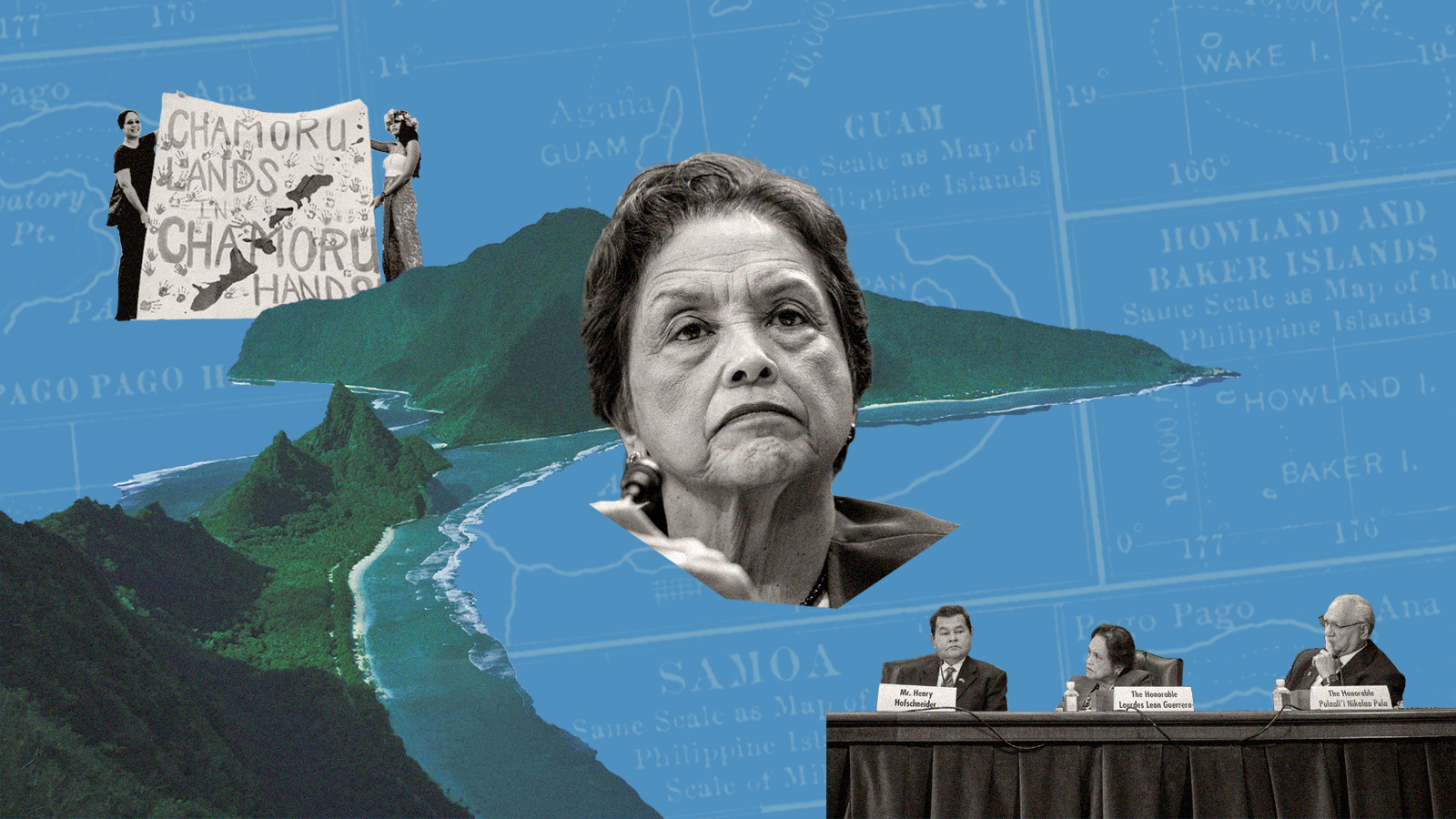
The Broader Pacific Perspective
The environmental concerns extend far beyond Guam. The U.S. strategy involves strengthening military presence across the Federated States of Micronesia, Palau, and the Northern Mariana Islands. In Yap, plans for a new seaport and airport expansion have met with significant resistance from local leaders who fear the impact on marine protected areas and the desecration of ancestral sites, including 19th-century tombs of traditional chiefs.
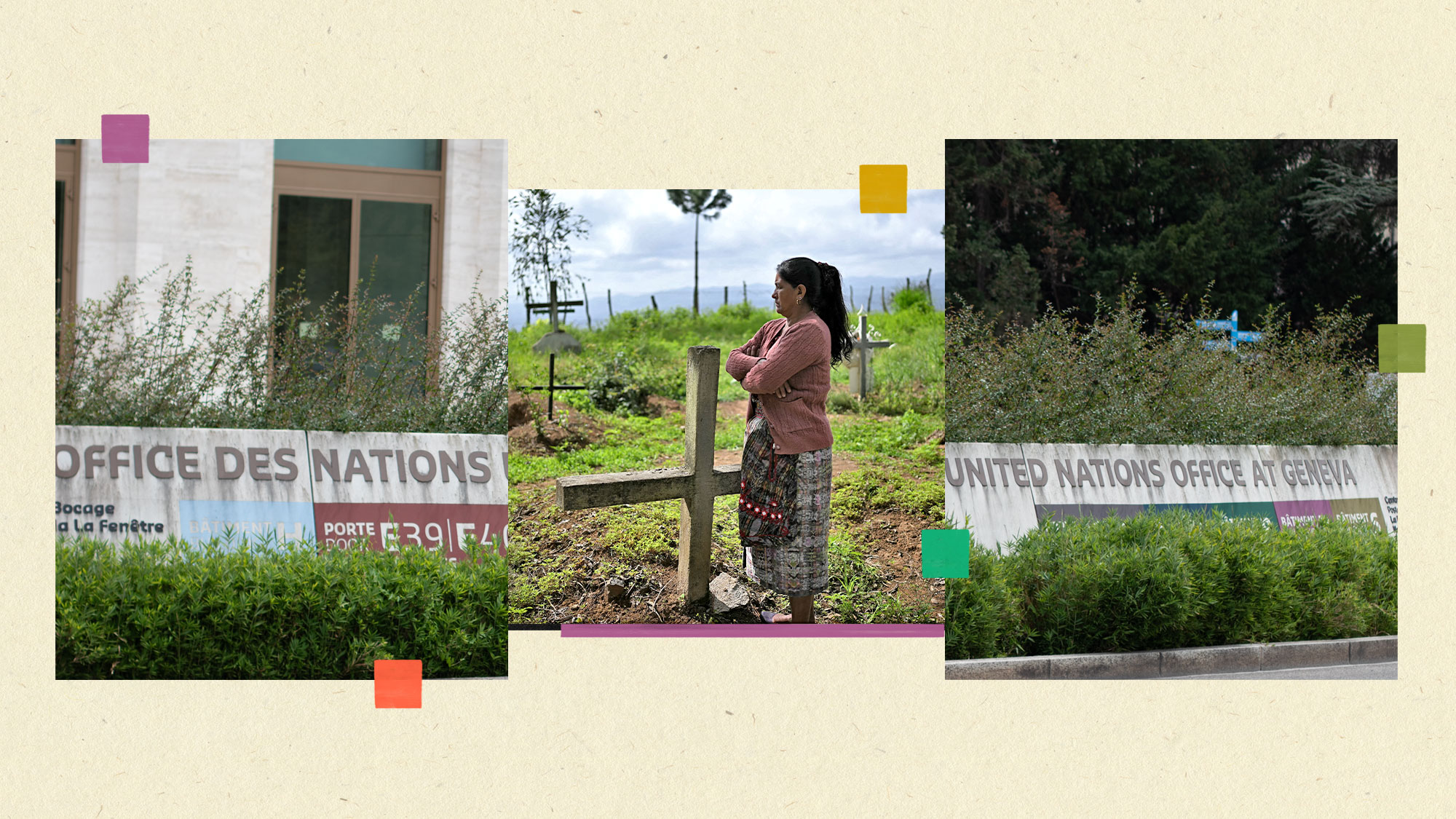
Indigenous groups in these regions, supported by advocates like Camacho and legal organizations, are increasingly turning to the courts and international forums, such as the United Nations, to assert their rights to free, prior, and informed consent. The argument is consistent: the Pentagon’s pursuit of strategic dominance often treats Pacific islands as "sacrifice zones," where the survival of ecosystems and the preservation of Indigenous history are secondary to the imperatives of global power projection.
Fact-Based Implications: Security vs. Vulnerability
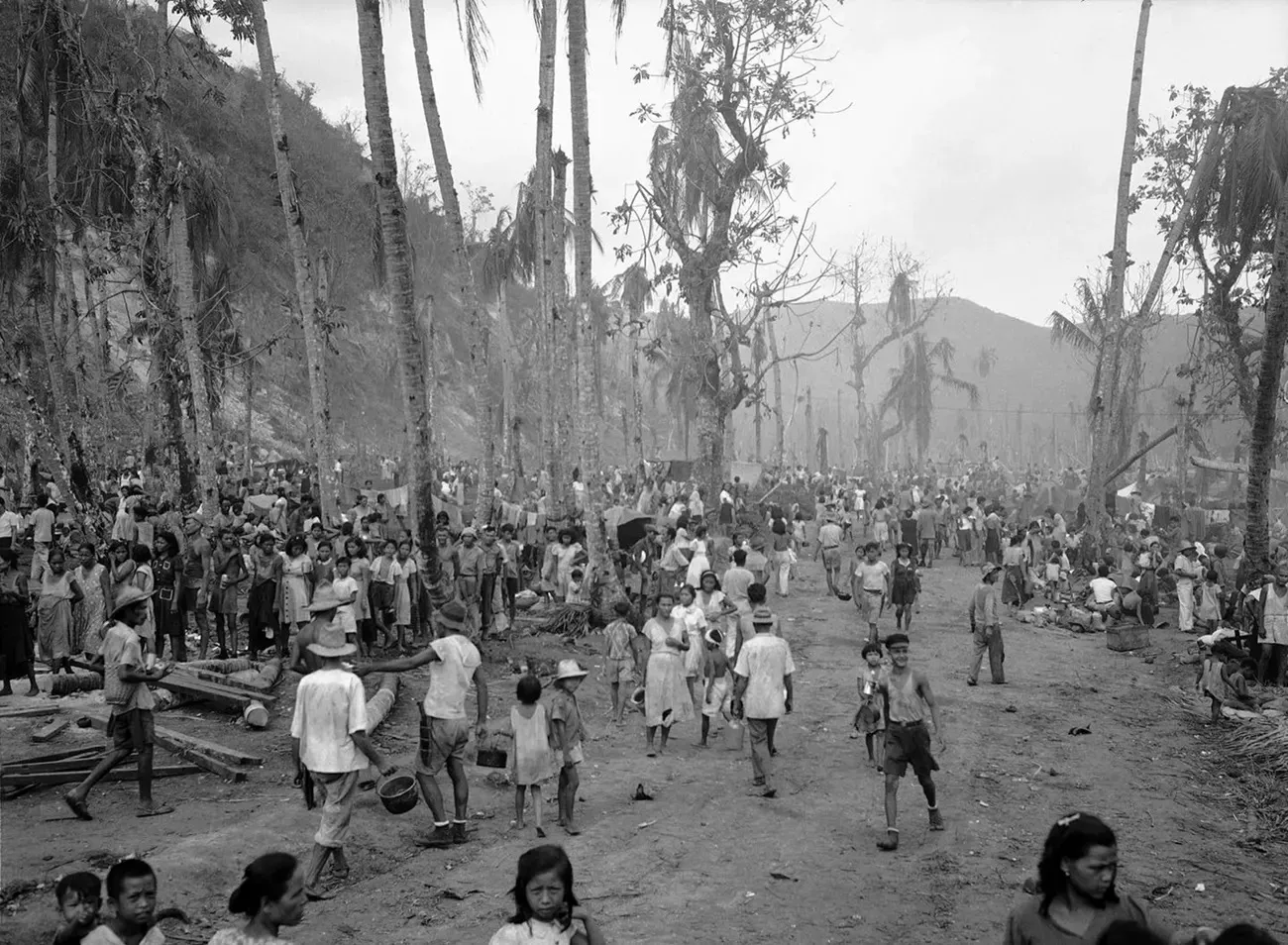
The debate over the military presence on Guam is fueled by a profound duality. On one hand, many residents, including Governor Lou Leon Guerrero, acknowledge the reality of Guam’s geographic position. Having been occupied by Japan during World War II, the island remains hyper-aware of its vulnerability. The "Guam Killer" ballistic missile developed by China serves as a constant reminder of the potential for future conflict. For those who support the buildup, the presence of U.S. missile defense systems is a necessary trade-off for protection against regional adversaries.
On the other hand, activists such as Monaeka Flores of the group Prutehi Guåhan argue that this very military concentration makes the island a more likely target. The history of the region suggests that the presence of major military installations increases the likelihood of being drawn into the crossfire of great-power competition. "Are we just collateral damage?" Flores asked. "It feels like the message is that we don’t matter."
The Path Forward: Accountability and Self-Determination
For Leevin Camacho, the fight against dieldrin contamination is emblematic of a larger struggle for sovereignty and accountability. As a lawyer who has transitioned from a private practitioner to a prominent advocate for environmental justice, his work is focused on forcing the military to recognize its responsibilities toward the citizens of Guam. His firm has filed over 700 claims on behalf of residents seeking compensation for the impact of water contamination, a move intended to apply systemic pressure on both local and federal authorities.
The long-term implications of these environmental hazards remain uncertain. Medical experts and environmental scientists continue to monitor the effects of long-term exposure to persistent organic pollutants. For residents in Yigo and across the island, the "do not drink" orders are a tangible manifestation of a broken promise—the expectation that as U.S. citizens, they would receive the same standard of protection and environmental safety as those on the mainland.
Ultimately, the situation on Guam highlights the inherent tensions in a relationship defined by colonial history and modern geopolitical necessity. As the U.S. continues to ramp up its military footprint, the question of whether the island can maintain its cultural integrity and environmental health while serving as the "tip of the spear" remains the defining challenge for the region. For families like Camacho’s, the goal is not to leave, but to ensure that the land they call home remains a safe and viable place for future generations. "I’m going to try to do the best that I can to protect my island," Camacho stated. "Guam is home—there is nowhere else we are going to be."