The Invisible Engine of the Global Food System: How Climate Change and Exploitation Are Crushing the World’s Essential Workers

In the bustling streets of New York City, a quiet crisis unfolds daily on the back of a bicycle. Delivery workers—often immigrants from Guatemala and Mexico who have fled the combined pressures of localized violence and the devastating impacts of climate change—navigate the city’s concrete canyons at all hours. They operate in extreme weather, from sweltering heat waves to blinding snowstorms, yet they frequently lack the most basic protections: health insurance, job security, and even access to sanitary restrooms. This demographic, often referred to as "deliveristas," represents a microcosm of a much larger, darker reality embedded within the global food system. A comprehensive report released this week by the International Panel of Experts on Sustainable Food Systems (IPES-Food) reveals that the 1.4 billion people responsible for producing, processing, distributing, and delivering the world’s food are trapped in a cycle of systemic exploitation, poverty, and vulnerability.
The Anatomy of a Broken System
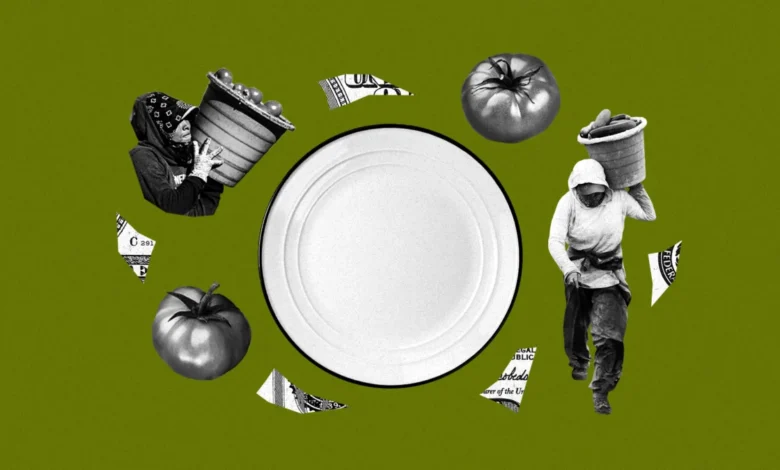
The global food system is built upon a foundation of informal labor, land dispossession, and the lingering, structural echoes of colonialism. According to the IPES-Food report, between 60% and 80% of food workers are informally employed—a rate higher than in any other major economic sector. These workers earn approximately half the wages of their counterparts in conventional employment. More than 400 million people, or roughly 30% of the entire food system workforce, are currently earning less than a living wage.
This disparity is not an accidental byproduct of modern capitalism but a feature of a system that has long relied on cheap, marginalized labor. Raj Patel, an IPES-Food expert and professor at the University of Texas at Austin, notes that the historical reliance on stolen land and forced labor in the United States continues to dictate modern agricultural economics. "The legacy of that is still with us," Patel explains, emphasizing that the devaluation of human life in the food supply chain is a deliberate, persistent choice.
A Chronology of Increasing Risk
The vulnerability of these workers has intensified significantly over the last decade as climate change and global economic instability have converged.
- Pre-2020: The reliance on gig-based delivery and low-wage agricultural labor grew exponentially, driven by the rise of app-based platforms and the increasing demand for instant delivery services.
- 2020–2022 (The Pandemic Era): COVID-19 brought the invisibility of food workers into sharp focus. While society lauded doctors and nurses as heroes, the individuals delivering groceries and picking crops were classified as "essential" yet denied the protective equipment, hazard pay, or legal status afforded to other essential sectors.
- 2023–2024: Climate-related disasters—including record-breaking heat waves in the American Southwest and severe flooding in urban centers—have exacerbated the physical dangers. The IPES-Food report highlights that migrants, who represent roughly 25% of the global agricultural workforce, are three times more likely to experience forced labor conditions and are significantly more prone to occupational fatalities.
The Intersection of Indigenous Knowledge and Exploitation
The report highlights a particularly troubling trend: the systematic dismissal of Indigenous knowledge. For millennia, Indigenous communities have cultivated expertise in drought-resistant crop development, plant medicine, and sustainable land management. However, within the global food market, this knowledge is frequently dismissed as "unskilled," a classification used to justify lower pay scales.
Teresa Chemosop, an Ogiek leader from Mount Elgon, Kenya, and coordinator for the East Africa Indigenous Women-Led Assembly, notes that the abuse is not merely economic but psychological. Indigenous workers often face severe racial discrimination, including verbal abuse and dehumanization, alongside the daily grind of precarious labor. For those forced off their ancestral lands by industrial agriculture or climate-induced displacement, this exploitative work is often the only remaining survival strategy. "If you put yourself in a situation of a woman who needs to feed her children, they can go to any extreme," Chemosop states, underscoring the desperation that fuels the current labor market.
The Economics of Exploitation
One of the most persistent myths in global food policy is the idea that protecting worker rights would necessarily lead to unaffordable food prices for the average consumer. The IPES-Food report rejects this premise entirely. The study argues that the current system is not designed for efficiency or fairness, but for the extraction of value by massive, multinational corporations.
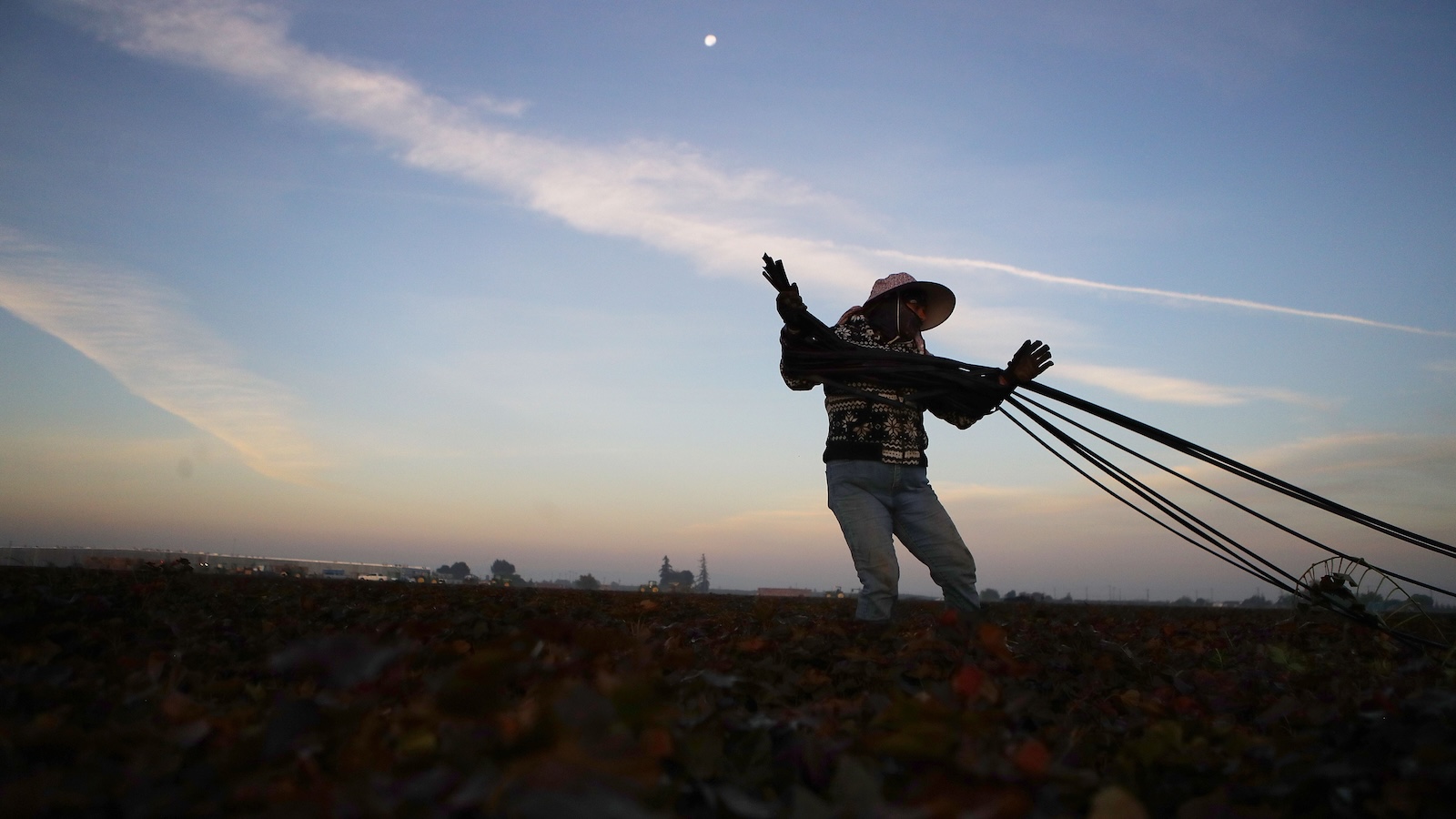
With an estimated 2.1 million people currently working under conditions classified as forced labor within the agricultural sector, the human cost is catastrophic. The report asserts that reining in corporate power and enforcing basic workplace protections would not cause the collapse of the food supply; rather, it would redistribute the immense profits currently concentrated at the top of the supply chain.
Grassroots Resistance: The New York Model
While the report paints a grim picture of global conditions, it also highlights the efficacy of localized resistance. In New York City, the Worker’s Justice Project and Los Deliveristas Unidos have become models for labor organizing in the digital age. Under the leadership of figures like Ligia Guallpa, who is Kichwa and a fierce advocate for immigrant rights, the group has moved beyond simple protests to building infrastructure.
"When the city is hit with massive snowstorms, flooding, or the recent smoke fires, many deliveristas are the ones who are on the front lines doing this work and responding to the climate crisis in order to take care of New Yorkers," says Guallpa. "But the reality is that often they cannot even take care of themselves."
The organization has successfully negotiated for minimum wage increases and has established mutual aid networks, including the city’s first dedicated rest stops for delivery workers. This, Guallpa argues, is a blueprint for the rest of the world. "It is possible to give gig workers or independent contractors the ability to earn better pay, to ensure that workers have better working conditions. It is possible to regulate multi-billion-dollar corporations. There’s a lot more to do, but I think it can be applied in every city."
Broader Implications and Future Outlook
The findings from the IPES-Food report present a challenge to policymakers worldwide. As climate change continues to render traditional livelihoods untenable, the flow of displaced people into the global informal labor market is expected to increase. Without robust international protections, this influx of labor will likely be met with further exploitation.
The report calls for a multi-pronged approach to reform:
- Formal Recognition: Legally validating the expertise of Indigenous and traditional food workers to prevent wage suppression.
- Corporate Accountability: Implementing stricter regulations on subcontracting chains to ensure companies are held liable for the conditions of their workers, regardless of employment status.
- Universal Labor Standards: Establishing non-negotiable protections for all workers, including migrants and gig-economy laborers, regardless of their legal status or location.
- Climate-Resilient Infrastructure: Investing in safety protocols for the food system, such as mandated heat-safety breaks and protective equipment for outdoor workers.
As Raj Patel observes, the world is at a crossroads. Climate change is a constant, accelerating force, and the food system is its most direct casualty. "We can manage all of this, and we will have to manage all of this because climate change isn’t getting better," Patel says. "But we have choices about protecting workers, and we’re choosing not to do any of those things."
The transition to a sustainable food system is not merely an environmental challenge but a human rights imperative. The invisibility of the delivery worker on a rain-slicked street in Manhattan is a choice, not an inevitability. As labor groups continue to organize and researchers provide the data necessary to expose the mechanics of the current system, the pressure to reform is mounting. Whether global leaders will shift their priorities from corporate profit to human survival remains the defining question of the decade. For now, the millions who keep the world fed continue to do so under the shadow of a system that has yet to acknowledge their essential contribution.