The Silent Erasure: How Regulatory Shifts are Redefining the Endangered Species Act

The Endangered Species Act, once lauded by the U.S. Supreme Court as the most robust legislative framework for biodiversity preservation ever enacted, is undergoing a profound structural transformation. For over half a century, the act has served as the primary bulwark against the extinction of iconic American species, including the bald eagle, the American alligator, and the grizzly bear. By shielding nearly 300 species from permanent disappearance, the law established a clear legal precedent: human activity—whether industrial development or private enterprise—must be mitigated if it threatens the critical habitats upon which these species depend. However, a series of recent policy shifts by the Trump administration has fundamentally altered the interpretation of the law, sparking a firestorm of legal challenges and raising urgent questions about the future of American conservation.
The Evolution of the "Take" and "Harm" Provisions
At the heart of this controversy are two specific terms that have anchored the Nixon-era legislation: "take" and "harm." Historically, the definition of "take" was broad, encompassing any attempt to "harass, harm, pursue, hunt, shoot, wound, kill, trap, capture, or collect" a protected species. Complementing this, the regulatory definition of "harm" included significant habitat modification or degradation that kills or injures wildlife by impairing essential behavioral patterns, including breeding, feeding, or sheltering.

These definitions were not merely semantic; they were the functional teeth of the law. They allowed federal regulators to intervene when projects threatened to destroy the very ecosystems required for survival. Last month, that framework was effectively dismantled. The administration issued new guidance declaring that the razing of habitat—even areas critical for breeding and sheltering—would no longer automatically trigger federal penalties. Furthermore, an internal memo reinterpreted "take" to apply exclusively to instances of intentional, direct killing. This change effectively immunizes developers and industrial entities from liability when their projects indirectly destroy a species through habitat loss.
A Chronology of Regulatory Contraction
The recent changes represent the culmination of years of administrative efforts to reduce federal oversight. The timeline of this shift reflects a systematic narrowing of the Fish and Wildlife Service’s regulatory reach:
- 1973: The Endangered Species Act is signed into law, establishing the "harm" and "take" standards that would define environmental litigation for decades.
- 2016–2024: Various federal agencies begin the process of reviewing and streamlining environmental impact assessments, often under the guise of reducing "regulatory burden."
- 2025: Following a period of stalled listings—during which, according to data from environmental monitors, no new species were granted federal protection—the administration pivots to reinterpreting existing statutes.
- Late 2026: The Department of the Interior issues the final rule changes, effectively narrowing the scope of prohibited activities and redefining "harm" to exclude indirect habitat destruction.
- Present: Nearly two dozen state attorneys general have filed lawsuits challenging these rule changes, arguing that they exceed executive authority and violate the original intent of Congress.
Assessing the Ecological Fallout: A Survey of Vulnerable Species
The implications of these changes are not theoretical. Across the United States, diverse ecosystems are feeling the pressure of the new regulatory landscape.
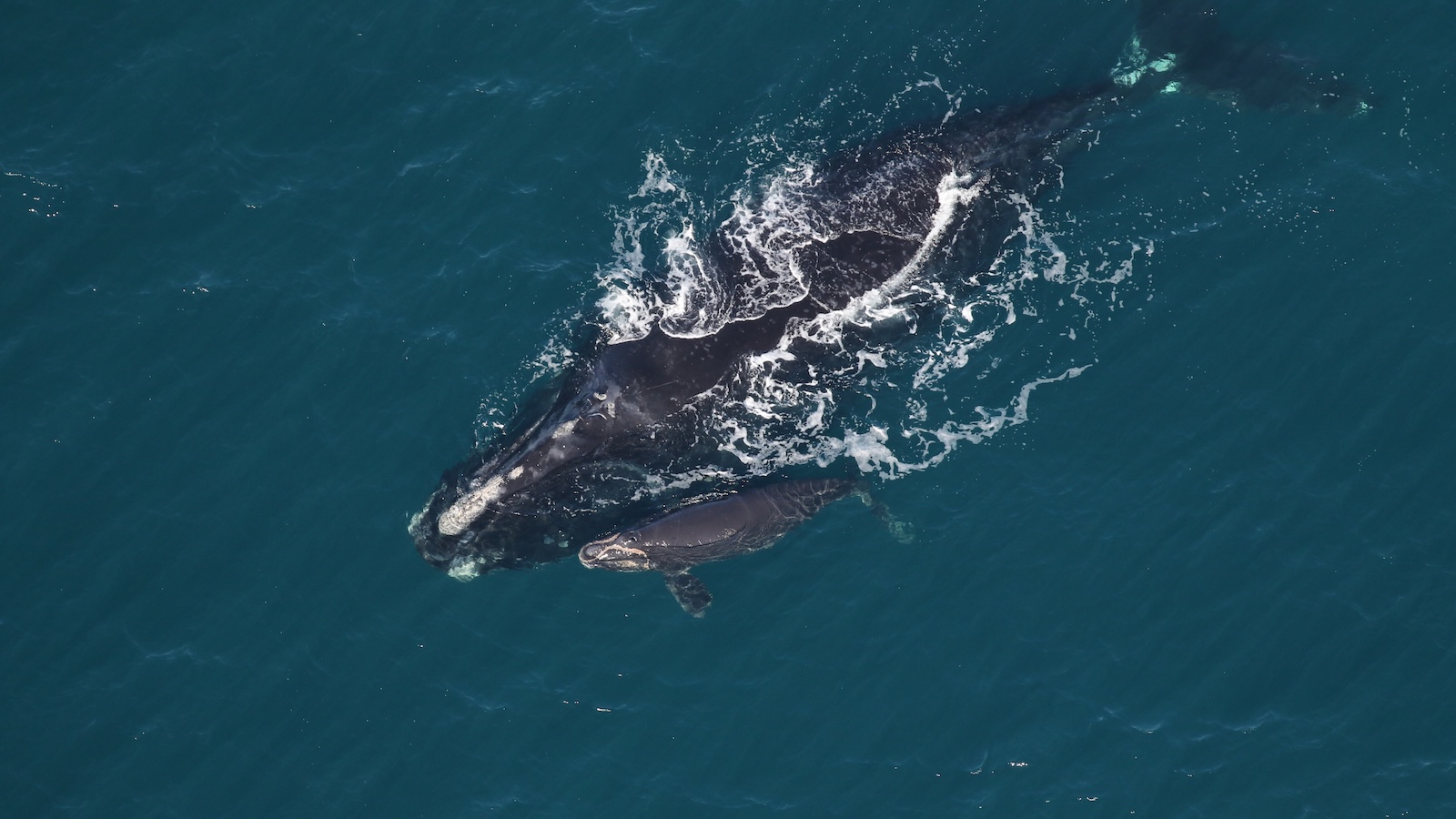
The North Atlantic right whale, with a population hovering around 380 individuals, stands as a primary example. Already suffering from an "unusual mortality event" since 2017, the species is highly susceptible to vessel strikes and fishing gear entanglements. Previous regulatory efforts aimed to enforce speed restrictions to protect migratory routes. Critics argue that the new, narrow definition of "take" will be used to dismantle these protections, as the administration can now claim that ship strikes—which are unintentional—do not meet the new legal threshold for a "take."
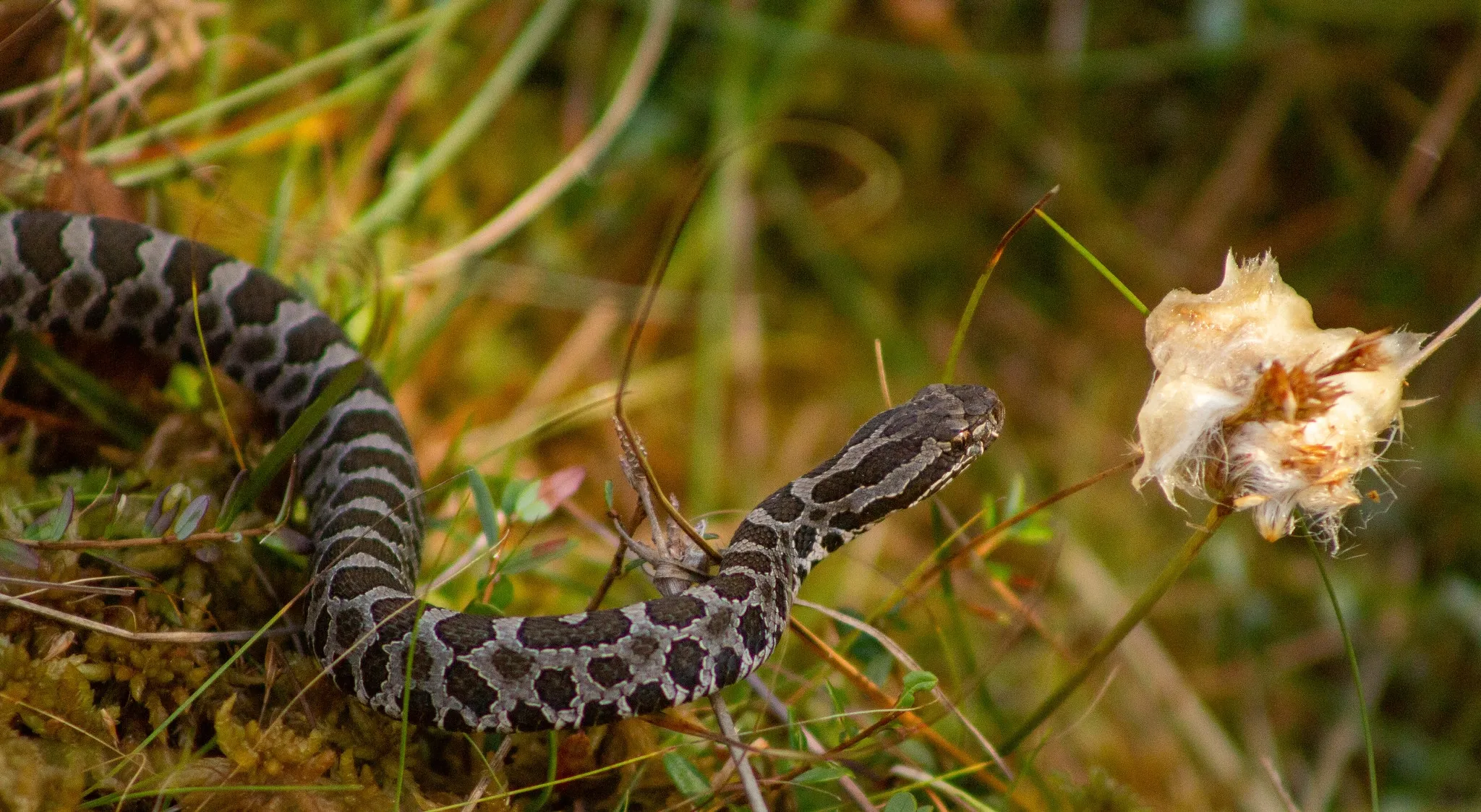
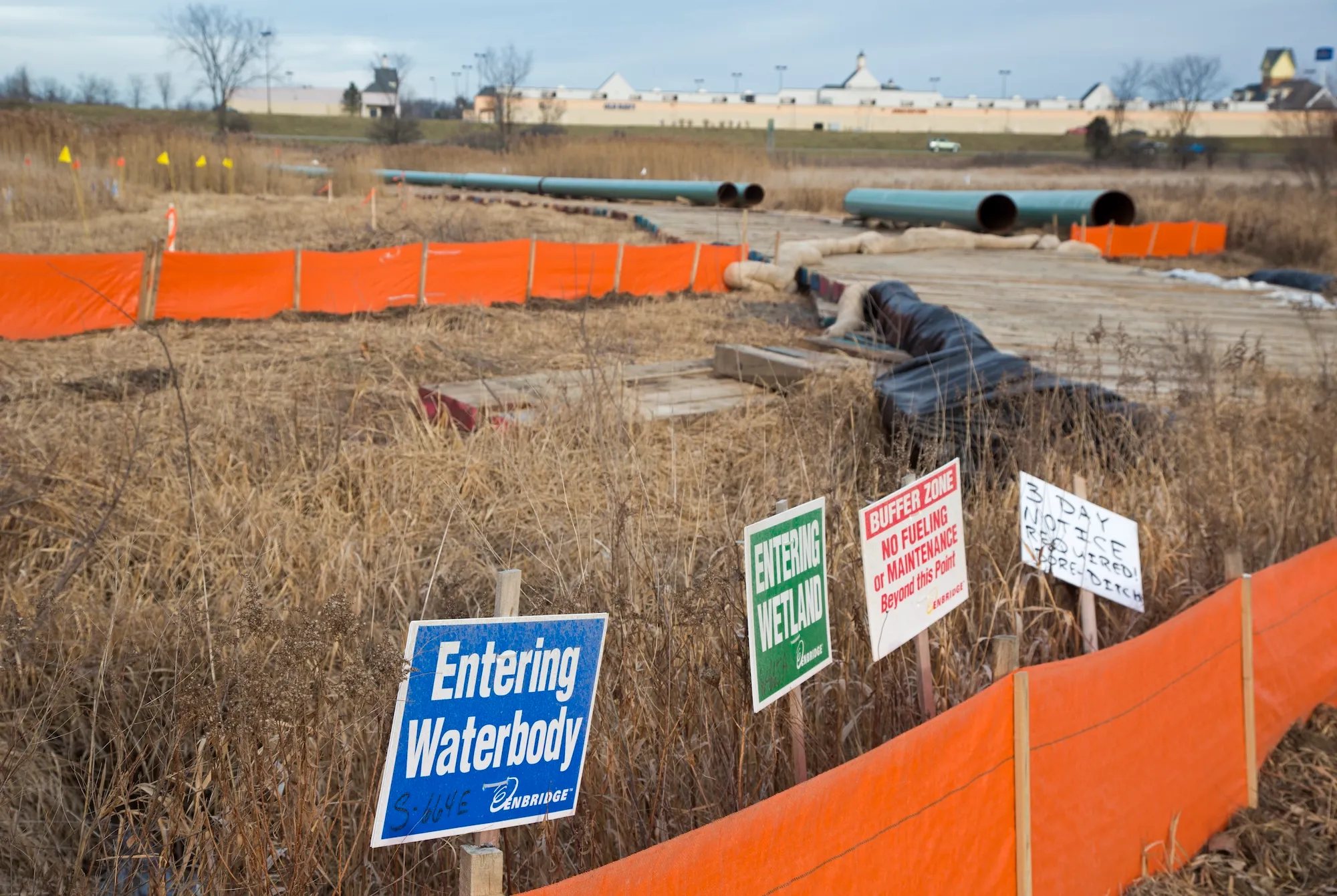
Similarly, in the Great Lakes region, the eastern massasauga rattlesnake faces habitat fragmentation from pipeline construction and wetland drainage. Because the species relies on specific, shrinking wetland corridors, the loss of federal "harm" protections means that large-scale infrastructure projects can proceed with fewer requirements for mitigation. As legal experts point out, while states like Michigan have their own protections, they often lack the federal backstop that provides comprehensive, landscape-level oversight.
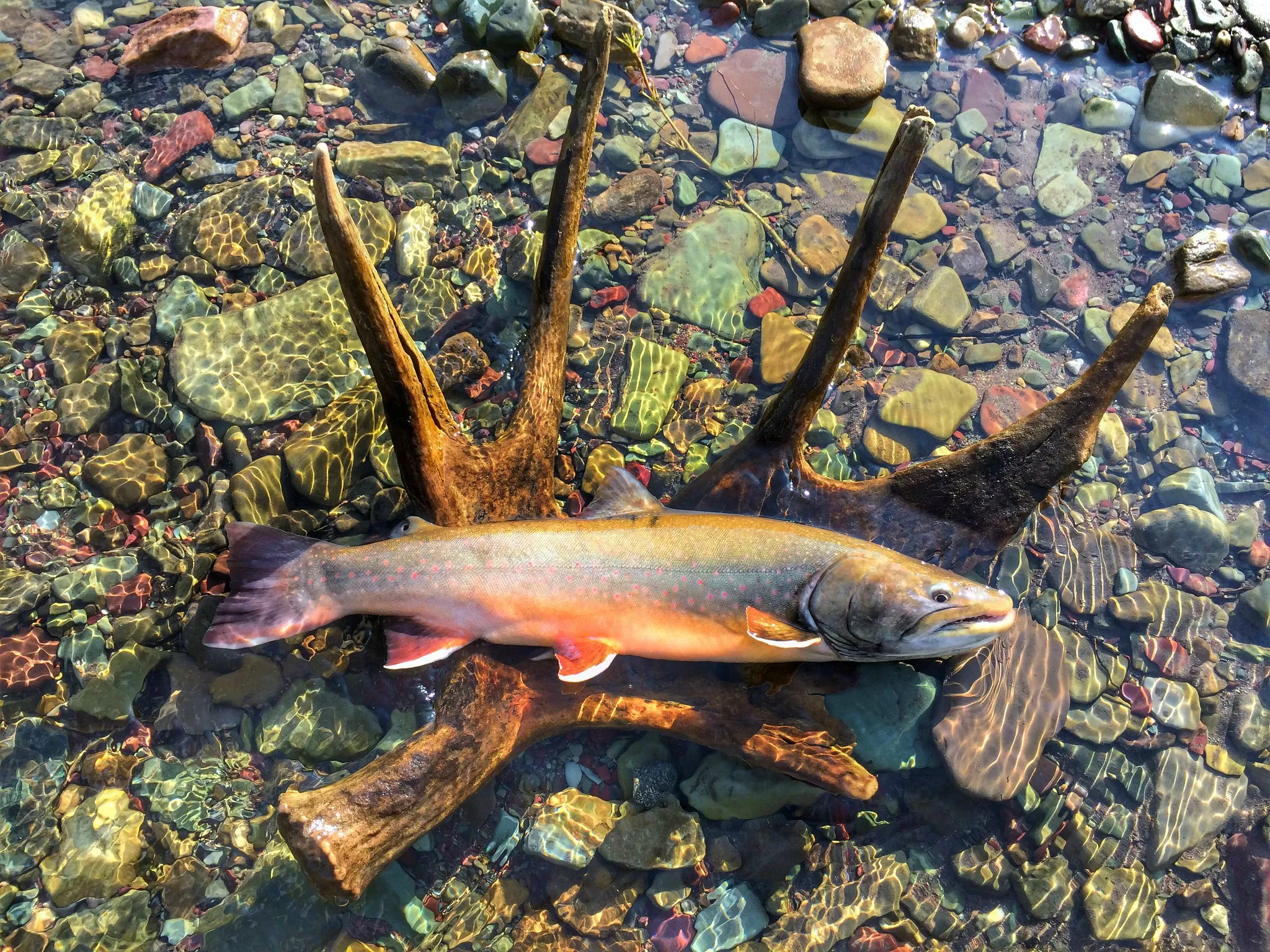
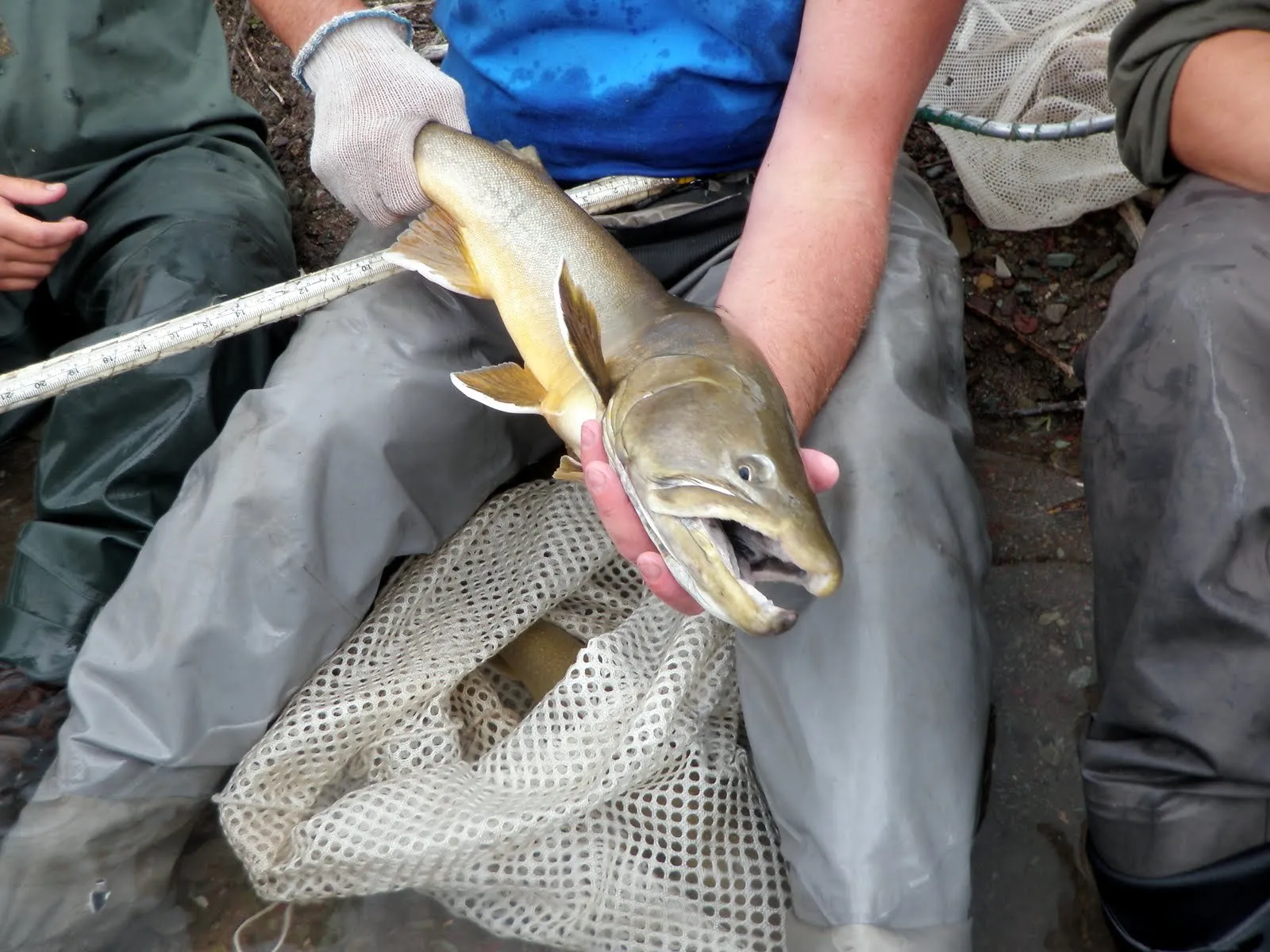
The bull trout in Montana, a species described as an "alpine canary in a coal mine," is also at risk. These fish are hyper-sensitive to sediment runoff caused by logging and road construction. Without the ability to challenge projects based on their degradation of spawning streams, conservationists are finding their traditional legal avenues—which often relied on the "harm" provision—blocked.
Official Responses and Legal Friction
The administration’s stance has been defended as a necessary correction to over-regulation. Proponents of the changes argue that the previous interpretations of "harm" gave federal agencies too much discretion to impede economic development on private land. They maintain that the law was intended to prevent the direct poaching and killing of animals, not to govern every aspect of land-use planning.
However, legal experts and environmental advocates offer a starkly different perspective. Elizabeth Forsyth, a senior attorney at Earthjustice, has characterized these shifts as an unprecedented "assault on threatened and endangered species." She argues that the objective is to give industry greater power at the expense of biodiversity. "It’s an effort to eliminate habitat protections and eliminate automatic protections for threatened species," Forsyth noted.
The legal challenge mounted by the coalition of attorneys general rests on the argument that the administration cannot unilaterally redefine statutory terms that have been upheld by the Supreme Court for decades. They argue that the "administrative state" cannot override the plain, established meaning of the law, which was designed to prevent the extinction of species through habitat destruction.

The Broader Implications: A Future in Flux
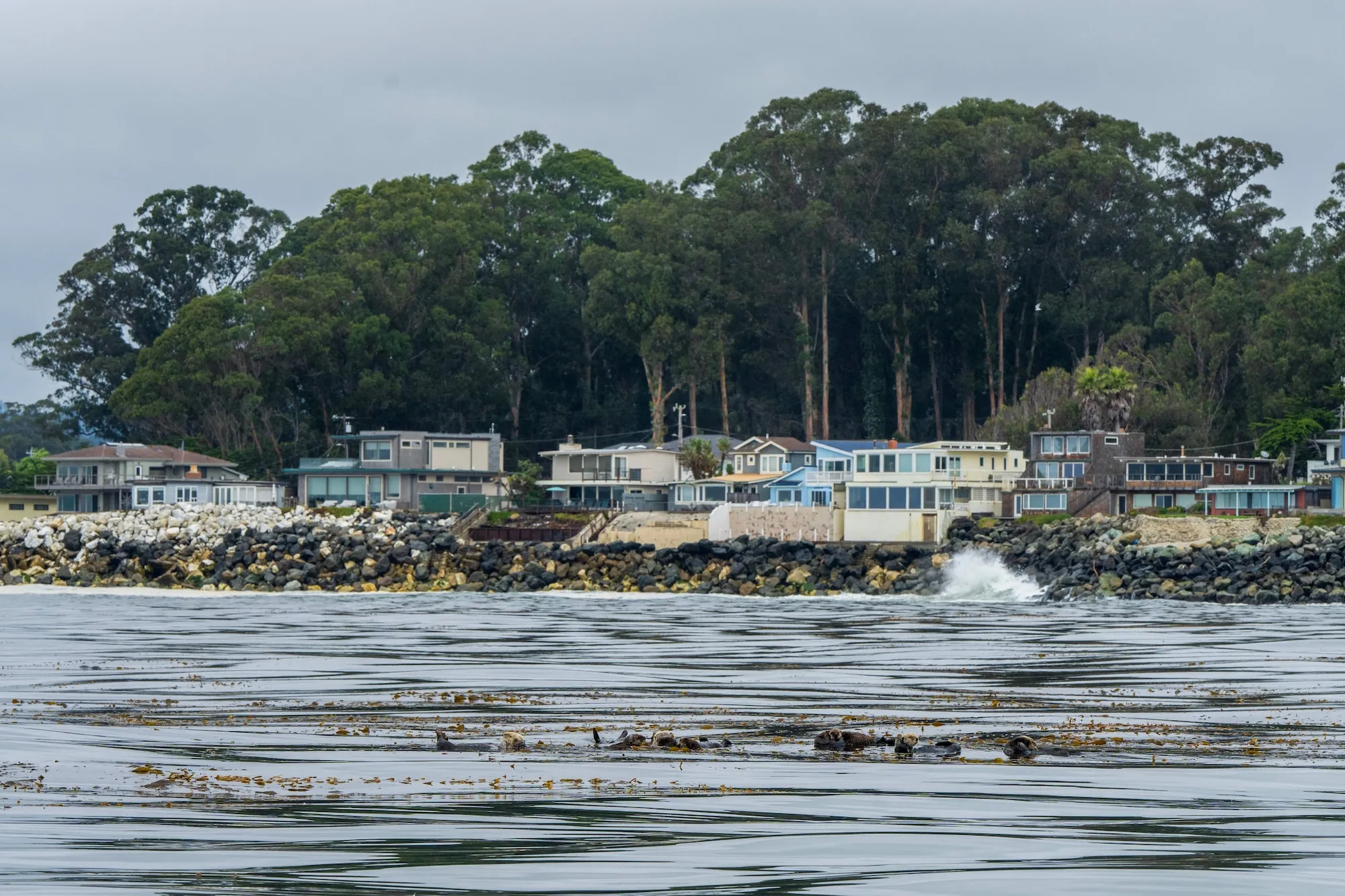
The narrowing of the Endangered Species Act has created a "regulatory gap" that is already impacting conservation efforts. Organizations like the California Coastkeeper Alliance have had to pause litigation regarding water pollution and dam management because their legal standing was built upon the now-rescinded definition of "harm."

There is also the matter of "species in limbo." The eastern hellbender, a prehistoric salamander, serves as a poignant case study. Despite clear evidence of population decline, the process to list the species as endangered has been stalled indefinitely. This is part of a broader trend; the pace of new listings has slowed to a crawl, leaving dozens of species without the federal support they require to survive.

Furthermore, the intersection of climate change and regulatory rollback creates a "double jeopardy" for wildlife. As ecosystems become warmer and more erratic, species are forced to shift their ranges. If the corridors they need to migrate through are no longer protected because they are not currently "occupied" in a way that meets the new, stricter definitions, these species will have nowhere to go.
Conclusion
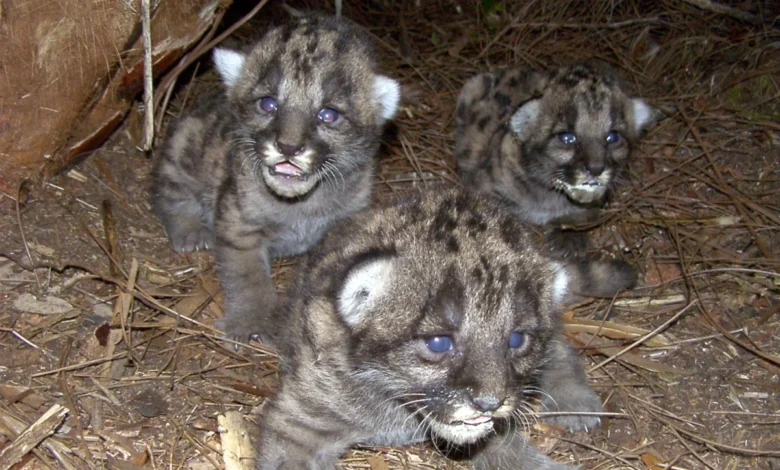
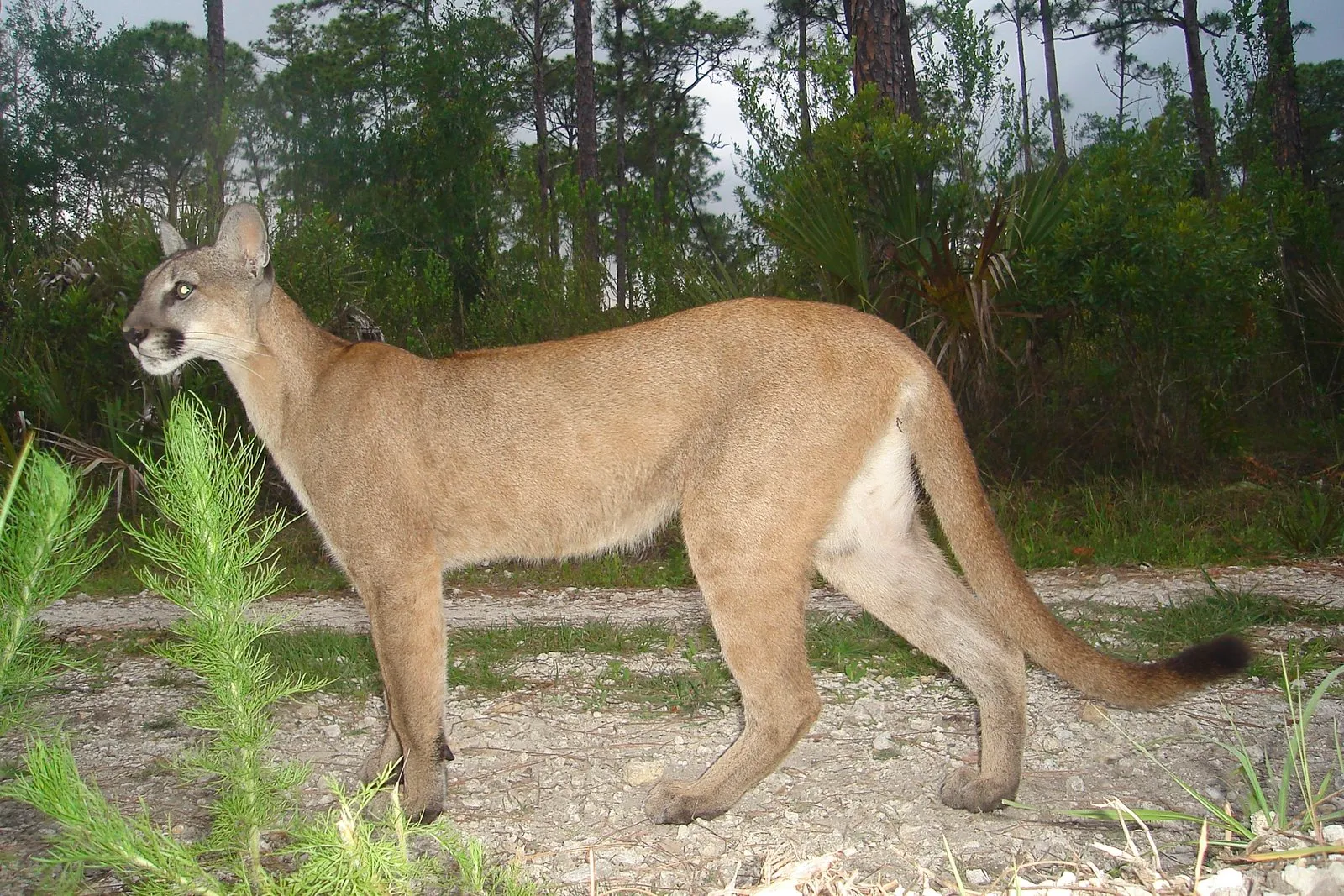
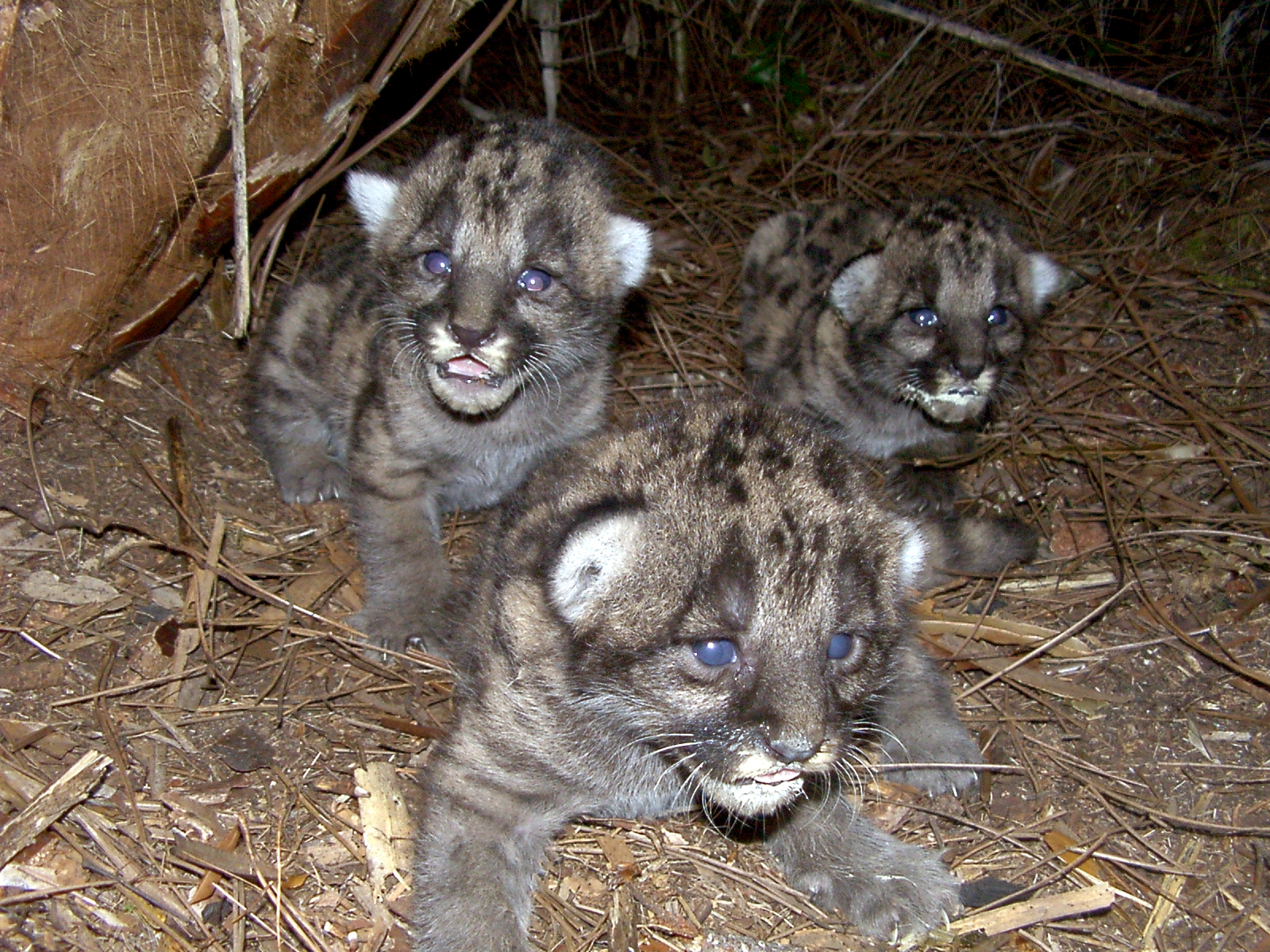
The restructuring of the Endangered Species Act is a watershed moment in American environmental policy. By shifting the legal burden away from protecting ecosystems and toward the narrow protection of individual animals, the current administration has initiated a fundamental change in how the U.S. manages its natural heritage. The coming years of litigation will likely determine whether this "narrowing" holds or if the courts will intervene to restore the comprehensive, habitat-focused approach that characterized the act for the last fifty years. For now, the future of species like the palila, the Florida panther, and the rusty patched bumble bee remains tied to a rapidly evolving, and increasingly uncertain, legal landscape. The outcome of this struggle will decide not only the survival of individual species but the integrity of the U.S. government’s commitment to the preservation of the natural world.