Canada Wildfire Crisis Deepens as Indigenous Communities Face Disproportionate Destruction and Jurisdictional Hurdles

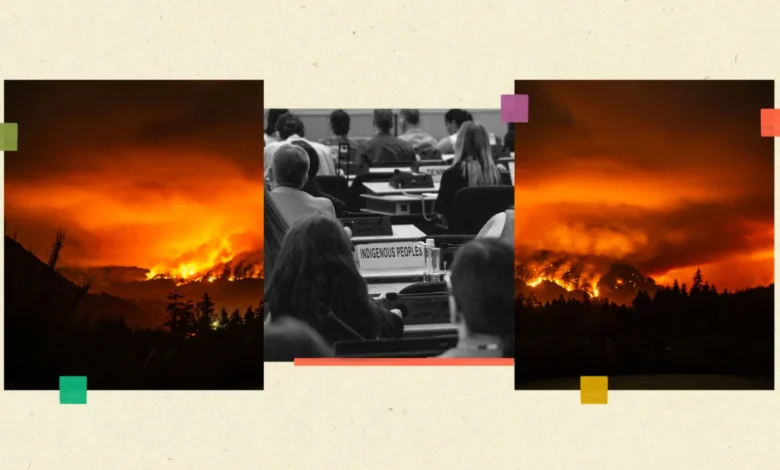
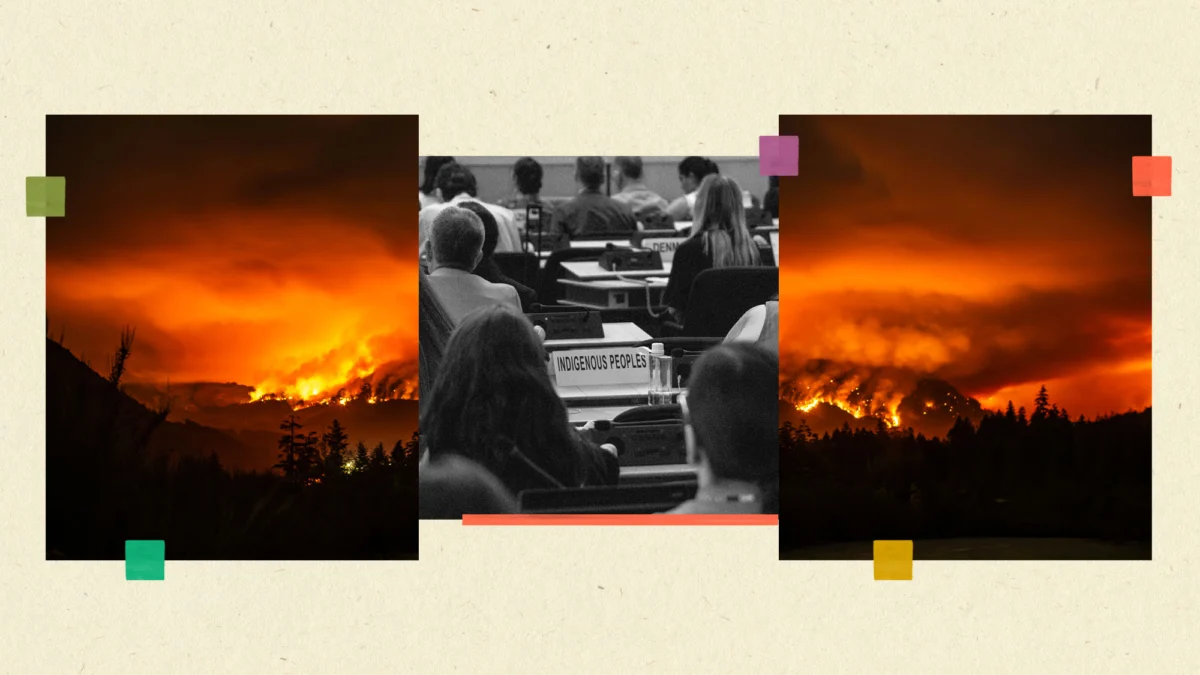
The scale of the wildfire crisis currently unfolding across Canada has reached a critical juncture, with more than 900 active blazes ravaging the landscape and placing Indigenous communities on the front lines of an escalating environmental and humanitarian disaster. As of late this week, the Canadian Interagency Forest Fire Centre and provincial authorities report that 13 First Nations remain under mandatory evacuation orders, a situation that has displaced 2,182 individuals from their ancestral lands. While the fires threaten vast swaths of timber and non-Indigenous municipalities, the impact on First Nations has been uniquely catastrophic, highlighted by the near-total destruction of the Namaygoosisagagun (Collins) First Nation. The tragedy has exposed deep-seated systemic failures in emergency communication and a contentious jurisdictional vacuum that leaves unrecognized communities without a federal safety net during times of unprecedented peril.
The destruction of Namaygoosisagagun serves as a harrowing case study of the speed and ferocity of the current wildfire season. Located approximately 125 miles north of Thunder Bay, Ontario, the community is geographically isolated and inaccessible by road, a factor that complicated both the arrival of warnings and the subsequent escape. On Wednesday, a fast-moving inferno advanced with such velocity that it effectively consumed the entire community in less than 60 minutes. Residents, receiving no official alerts from provincial or federal agencies, were forced to rely on grassroots efforts, going door-to-door to alert neighbors as smoke filled the air. With the only land routes blocked or nonexistent, more than two dozen people were forced to flee by boat, watching from the water as their homes and community infrastructure were overtaken by flames. Anishinabek Nation Grand Council Chief Linda Debassige confirmed that while all members have been accounted for, the physical community has been "devastated," leaving a population with no homes to return to and no immediate clear path toward reconstruction.
A National Crisis in Figures: The 2024 Wildfire Statistics
The current wildfire landscape in Canada is characterized by extreme volatility and a high number of "out of control" incidents. According to data provided by the Canadian Wildland Fire Information System, there were 903 active fires burning across the country as of Friday. Of these, a staggering 750 are classified as out of control, indicating that suppression efforts have yet to establish perimeters or halt the spread. The intensity of the season is further illustrated by the fact that 43 new fires were ignited within a single 24-hour period, driven by a combination of lightning strikes, prolonged drought conditions, and record-high temperatures.
While the crisis spans the continent, Ontario has emerged as a primary flashpoint. The province currently accounts for 193 active fires. The impact on Indigenous populations in this region is particularly acute; seven First Nations have been forced to evacuate entirely. Among those impacted by mandatory orders—issued by local leadership in coordination with the Ontario Provincial Police—are the Whitesand First Nation, Kiashke Zaaging Anishinaabek, and Animbiigoo Zaagi’igan Anishinaabek. While dozens of non-Indigenous municipalities are also under evacuation alerts, the remote nature of many First Nations communities complicates logistics, often requiring airlifts or water-based evacuations that are more expensive and difficult to coordinate than road-based retreats.
The Recognition Gap: Jurisdictional Barriers to Aid
The tragedy at Namaygoosisagagun has brought a long-standing political and legal dispute into sharp focus. Despite the residents being recognized as First Nations people under the federal Indian Act, the community of Namaygoosisagagun itself does not hold official status as a "recognized" First Nation community by the federal government. This distinction, often viewed as a bureaucratic technicality during periods of stability, has proven to have life-or-death consequences during this emergency.
Meaghan Daniel, a legal representative for the Collins First Nation, has publicly challenged the federal government’s initial denial of assistance. Because the community lacks formal recognition, it has struggled to access the standard emergency, recovery, and reconstruction funds typically earmarked for First Nations. This "recognition gap" creates a scenario where the most vulnerable populations are excluded from the very systems designed to protect them. In a formal communication to the Ministry of Indigenous Services, Daniel warned that if the community is denied access to rebuilding supports, it may never recover. The letter emphasized that for Namaygoosisagagun, this is not merely a matter of delayed funding but an existential threat to a community that has existed "since time immemorial."
In response to growing public and political pressure, Eric Head, a spokesperson for Indigenous Services Canada, stated that the agency is currently working to assess the immediate needs of the community. However, for the leadership of the Anishinabek Nation, these assurances come too late to prevent the initial trauma and loss. The lack of advance warning and the absence of provincial or national evacuation support during the height of the fire remain points of intense contention.
Political Friction and the Call for Reform
The Chiefs of Ontario held an emergency summit on Wednesday to address the burgeoning crisis and express collective frustration with the "red tape" governing emergency responses. Leaders at the meeting highlighted a recurring pattern of jurisdictional disputes and administrative delays that hamper the speed of evacuations. Ontario Regional Chief Abram Benedict criticized the focus on "financial discussions and technicalities" while lives and homelands were actively at risk.
"Jurisdictional disputes and administrative delays have immediate consequences," Benedict stated, emphasizing that the priority should be the safety of the people rather than bureaucratic maneuvering. The sentiment was echoed at the national level during the Assembly of First Nations (AFN) assembly in Ottawa. On Thursday, the AFN passed emergency resolutions specifically aimed at providing immediate relief to Namaygoosisagagun and other impacted communities. These resolutions call for a fundamental shift in how the federal government interacts with First Nations during environmental disasters, advocating for a more streamlined, "human-first" approach that bypasses the traditional bottlenecks of Indigenous Services Canada.
Chronology of the Crisis and Broader Implications
The 2024 wildfire season follows the most destructive year on record (2023), and the current trajectory suggests a disturbing trend toward more frequent and intense fire events. The timeline of the current week illustrates the rapid escalation of the threat:
- Monday–Tuesday: Rapidly rising temperatures and dry lightning strikes across Northern Ontario and British Columbia ignite dozens of new fires.
- Wednesday Morning: High winds push a blaze toward the Namaygoosisagagun First Nation. Within an hour, the community is largely destroyed. Residents flee by boat.
- Wednesday Afternoon: The Chiefs of Ontario convene an emergency meeting, citing a "communication gap" and lack of support from provincial authorities.
- Thursday: The Assembly of First Nations passes emergency resolutions in Ottawa. Mandatory evacuations expand to include several more First Nations in Ontario.
- Friday: National fire totals surpass 900. Indigenous Services Canada begins a formal assessment of the needs for "unrecognized" communities.
The implications of these events extend beyond the immediate loss of property. For Indigenous communities, the land is inextricably tied to cultural identity, food security, and traditional practices. The destruction of a community like Namaygoosisagagun represents a loss of heritage that cannot be replaced by insurance payouts or temporary housing. Furthermore, the reliance on boat evacuations and door-to-door warnings highlights a digital divide; many remote communities lack the reliable cellular or internet infrastructure required to receive modern emergency alerts, leaving them in a "blind spot" of national safety systems.
Conclusion and Outlook
As the wildfire season continues, the focus remains on the immediate safety of the 2,182 displaced individuals and the containment of the 750 out-of-control fires. However, the long-term aftermath will likely involve a significant legal and political reckoning regarding how Canada protects its Indigenous citizens. The Anishinabek Nation has called for privacy and prayers for the citizens of Namaygoosisagagun as they navigate the loss of their entire community, but they have also signaled that the time for "administrative excuses" has passed.
The crisis has underscored the necessity for a more robust, inclusive emergency management framework that recognizes the unique geographical and legal challenges faced by First Nations. Until the "recognition gap" is closed and communication infrastructure in the north is modernized, remote Indigenous communities will continue to face a disproportionate risk in an era of intensifying climate instability. For now, the members of Namaygoosisagagun remain in a state of limbo, waiting to see if the government that failed to warn them will provide the resources necessary to rebuild their future.