Whip Up Delicious Meals In These Convection Ovens

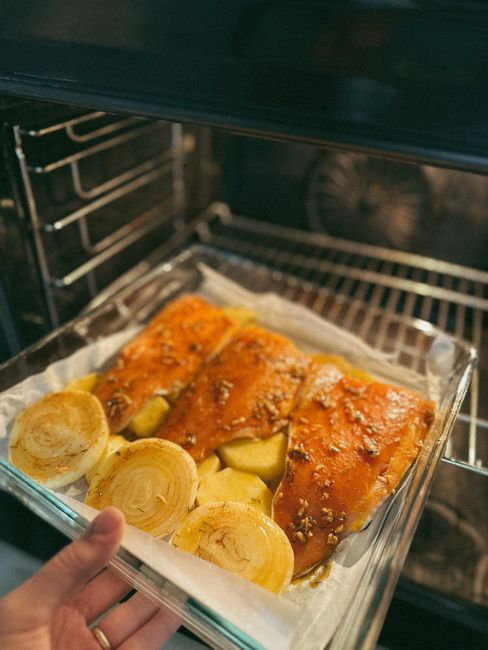
Whipping Up Delicious Meals in Convection Ovens: A Comprehensive Guide
Convection ovens revolutionize home cooking by circulating hot air, ensuring faster, more even cooking and superior browning and crisping. This advanced cooking technology, once primarily found in professional kitchens, is now a staple in many modern homes, offering a significant upgrade over traditional radiant heat ovens. The fundamental principle behind a convection oven’s efficiency lies in its fan system. This fan actively moves hot air around the oven cavity, eliminating cold spots and creating a consistent temperature throughout. This constant air movement not only speeds up cooking times – often by 25% or more – but also promotes a beautiful, uniform golden-brown crust on everything from roasted meats and poultry to baked goods and vegetables. Understanding how to leverage this technology is key to unlocking its full potential and transforming everyday cooking into a culinary adventure.
The core advantage of convection cooking is its accelerated heat transfer. Unlike conventional ovens where heat radiates from the heating elements and naturally stratifies, convection ovens employ a fan to create a dynamic airflow. This continuous movement of hot air directly against the food’s surface transfers heat more rapidly and efficiently. For roasts, this means a quicker sear and a more succulent interior. For baked goods, it translates to a more even rise and a perfectly crisp exterior. Imagine roasting a chicken; in a conventional oven, you might need to rotate it multiple times to ensure even browning. A convection oven, however, will roast it to a beautiful, crackling perfection all around without constant attention, saving you time and effort. This efficiency extends to baking as well. Cookies baked in a convection oven will have consistently golden edges and a chewy center, while cakes will rise more evenly, minimizing doming and cracking.
Mastering convection cooking requires a slight adjustment to traditional recipes, primarily concerning temperature and time. Because the circulating hot air cooks food more intensely, it’s generally recommended to reduce the oven temperature by approximately 25°F (15°C) compared to the temperature specified for a conventional oven. For example, if a recipe calls for roasting vegetables at 400°F (200°C) in a conventional oven, you would aim for 375°F (185°C) in a convection oven. Similarly, cooking times will be shorter. While a general rule of thumb is to reduce cooking time by about 25%, it’s always best to monitor your food closely, especially when you’re first getting accustomed to your convection oven’s performance. Using an oven thermometer is a wise investment to verify the actual temperature inside your oven, as advertised temperatures can sometimes vary. Starting with recipes specifically designed for convection, or adapting familiar ones with careful observation, will build your confidence and lead to consistently delicious results.
The versatility of convection ovens is one of their most significant selling points. They excel at a wide range of cooking techniques, from roasting and baking to broiling and dehydrating. For roasting, think of succulent whole chickens, perfectly seared steaks, tender pork roasts, and beautifully caramelized root vegetables. The intense, dry heat of convection creates a fantastic crust while keeping the interior moist. Baking is another area where convection truly shines. Pies will have flaky crusts, cookies will be uniformly golden, cakes will have a tender crumb, and bread will boast a wonderfully crisp crust. Many recipes that might have previously required rotating pans for even baking will now bake evenly in a single batch.
Beyond these common applications, convection ovens can also be used for broiling (often referred to as "convection broil" or "high broil" settings), offering a more intense and even searing than traditional broilers. Some convection ovens even come with a dehydrate function, utilizing low temperatures and constant airflow to remove moisture from fruits, vegetables, and meats, creating healthy snacks and preserving ingredients. This multi-functionality makes a convection oven a true workhorse in the kitchen, capable of handling a vast array of culinary tasks with exceptional results.
When preparing meats and poultry in a convection oven, the benefits are immediately apparent. A whole chicken, for instance, will develop a gorgeously crispy, golden-brown skin while the meat remains incredibly juicy and tender. The consistent heat distribution ensures that the entire bird cooks evenly, eliminating the common problem of drier breast meat and undercooked thighs. For larger cuts like roasts, the convection fan promotes a superior sear, locking in juices and developing a rich, flavorful crust. This is particularly effective for beef, lamb, and pork. The accelerated cooking time means you can achieve restaurant-quality results in less time, making weeknight dinners more manageable and impressive. Remember to adjust your cooking times and temperatures as discussed earlier, and don’t be afraid to experiment with different herbs and spices to enhance the natural flavors of the meats. Using a meat thermometer is crucial for ensuring perfect doneness, and convection cooking often allows you to reach your target temperature more quickly.
For vegetable dishes, convection ovens are indispensable. Roasting vegetables in a convection oven caramelizes their natural sugars, intensifying their flavor and creating delightfully tender interiors with pleasingly crisp edges. Think of broccoli florets that are slightly charred and sweet, Brussels sprouts that are crispy and nutty, and root vegetables like carrots, parsnips, and potatoes that develop a beautiful depth of flavor. The even heat prevents uneven cooking, ensuring that all the vegetables on your baking sheet are perfectly roasted. This method is far superior to simply boiling or steaming, as it adds a layer of complexity and deliciousness to even the simplest produce. Toss your vegetables with olive oil, salt, pepper, and your favorite herbs or spices, spread them in a single layer on a baking sheet, and let the convection oven work its magic. The accelerated cooking also means you can whip up a healthy and flavorful side dish in a short amount of time.
Baking and pastry are where many home cooks discover the true marvel of convection ovens. The constant circulation of hot air leads to remarkably even baking, which is a game-changer for delicate pastries and baked goods. Cookies baked in a convection oven will have uniformly golden edges and chewy centers, eliminating the dreaded problem of burnt edges and pale middles. Cakes will rise more evenly, minimizing doming and cracking, resulting in a smoother top that requires less leveling for frosting. The crispiness achieved is also noteworthy; think of perfectly flaky pie crusts, golden-brown croissants, and wonderfully textured scones. When baking, remember that reducing the temperature is key. This prevents the exterior from cooking too quickly before the interior is set. For recipes that call for specific rack positions, such as a single cake layer on the middle rack, you may need to experiment slightly with rack placement in your convection oven to find the sweet spot for optimal results. For multi-rack baking, the convection fan is especially beneficial, allowing you to bake multiple trays of cookies or cupcakes simultaneously with excellent uniformity.
Reheating leftovers in a convection oven offers a significant improvement over microwaves. Microwaves can often leave food rubbery or unevenly heated. A convection oven, on the other hand, gently reheats food, helping to restore crispness and texture. This is particularly beneficial for fried foods, roasted meats, and even pizza, bringing them back to a more desirable state. The circulating hot air mimics the original cooking process, reviving the food’s appeal. Simply set your convection oven to a moderate temperature (around 300-325°F or 150-160°C) and place your leftovers on an oven-safe dish. Keep an eye on them, as they will likely reheat faster than they would in a conventional oven. This is a fantastic way to reduce food waste and enjoy your cooked meals for longer.
Specific cooking techniques and tips can further enhance your convection oven experience. For items that require a very delicate touch or a very specific textural outcome, you might consider using the "convection bake" setting if your oven offers it. This setting typically uses the fan at a lower speed or with intermittent cycles to provide gentle, even heat without the intense airflow of standard convection. For recipes where moisture retention is paramount, such as delicate fish or custards, you might opt for a conventional oven setting or a convection setting with reduced fan speed. When baking breads, especially those with a crisp crust, some bakers recommend using a Dutch oven or a baking stone within the convection oven. The initial blast of dry heat from the convection can help create a magnificent crust. For recipes that call for broiling, many convection ovens have a dedicated "convection broil" option, which combines the intense top-down heat of broiling with the circulating air of convection for faster and more even searing and browning.
Cleaning and maintenance are also important aspects of enjoying your convection oven. The fan and heating element can accumulate grease and food particles, which can affect performance and create smoke. Most convection ovens have a self-cleaning cycle, which utilizes extremely high temperatures to incinerate food debris. Always follow your oven’s manual for specific instructions on using the self-cleaning feature, which typically involves removing racks and ensuring good ventilation. For regular cleaning, use a mild oven cleaner or a baking soda and water paste. Pay attention to the fan blades and the areas around the heating elements, being careful not to damage sensitive components. Wiping down the oven cavity after each use, especially after cooking foods that tend to splatter, will make deeper cleaning sessions easier and maintain optimal oven performance.
In summary, understanding the principles of convection cooking – faster, more even heat transfer due to fan-assisted air circulation – is the first step to unlocking its full potential. By adjusting temperatures downward by approximately 25°F (15°C) and reducing cooking times by about 25%, you can achieve superior results in roasting meats and poultry, baking delicate pastries and bread, and caramelizing vegetables to perfection. The versatility extends to reheating leftovers and even potentially dehydrating. Careful observation, using an oven thermometer, and consulting your oven’s manual for specific settings like "convection bake" or "convection broil" will refine your approach. Consistent cleaning and maintenance will ensure your convection oven remains a reliable and efficient tool for whipping up delicious meals for years to come. The investment in understanding and utilizing this technology will undoubtedly elevate your home cooking, making every meal a culinary triumph.


