Lawyers Accused 9 11 Mastermind Battle To Let Guilty Plea Go Forward
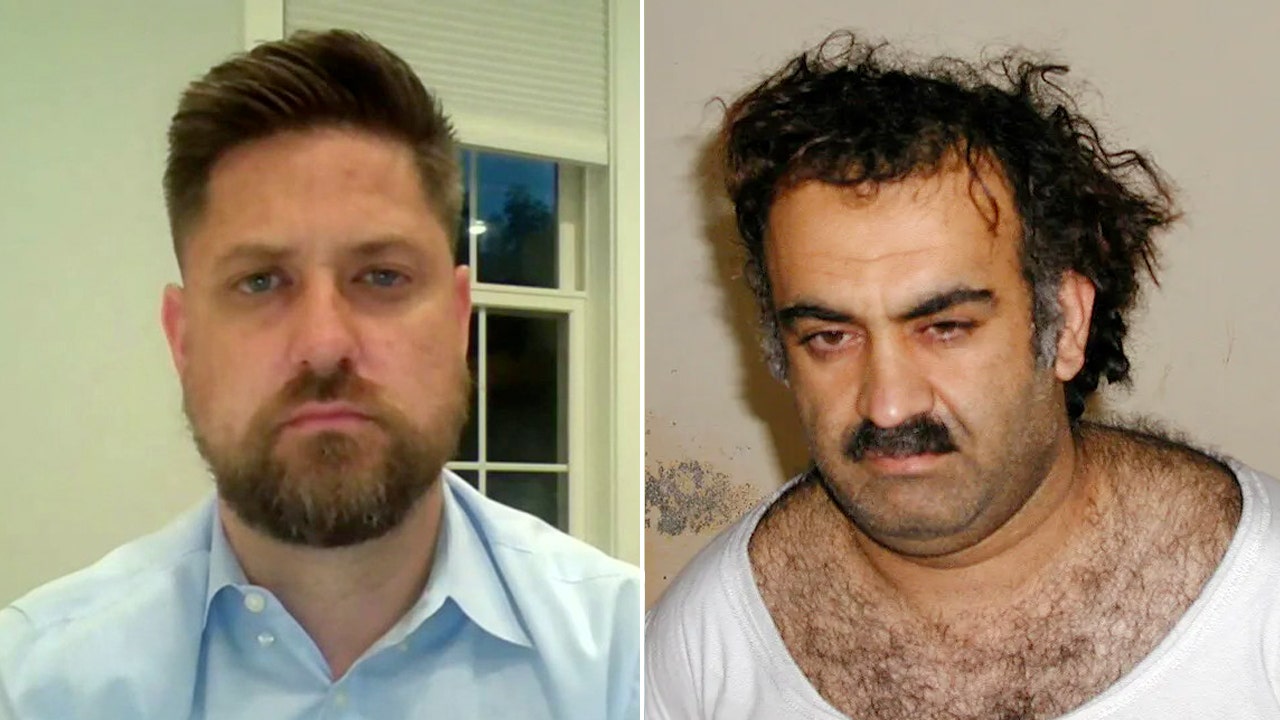
Lawyers for 9/11 Mastermind Khalid Sheikh Mohammed Battle to Greenlight Guilty Plea Amidst Legal Hurdles
The legal defense team for Khalid Sheikh Mohammed, the self-proclaimed mastermind of the September 11th terrorist attacks, is engaged in a high-stakes battle to secure his guilty plea and circumvent an increasingly complex and contentious legal process. This effort, fraught with challenges related to military commissions, evidentiary disputes, and the very nature of justice for such a heinous crime, highlights the profound difficulties in prosecuting individuals accused of orchestrating mass casualty events. The defense’s primary objective is to move Khalid Sheikh Mohammed towards a plea agreement, a strategy that carries significant implications for both the accused and the broader legal framework governing terrorism trials. Their arguments are rooted in the desire to bring a definitive closure to the proceedings, potentially avoid a protracted and deeply polarizing capital trial, and, in their view, present a more efficient path towards accountability. However, achieving this goal is not a straightforward undertaking, encountering significant resistance from various fronts, including the prosecution, the military justice system, and potentially the families of 9/11 victims.
A central impediment to the defense’s efforts is the ongoing debate surrounding the military commissions established at Guantanamo Bay. These commissions, designed to try individuals accused of war crimes and terrorism, have been subject to intense scrutiny and legal challenges since their inception. Critics argue that they fall short of due process standards, particularly concerning the admissibility of evidence derived from enhanced interrogation techniques, often euphemistically referred to as "torture." The defense’s ability to leverage this evidence, or more accurately, to have it deemed inadmissible and thus prevent it from unduly influencing a plea, is paramount. If the prosecution intends to rely heavily on testimony or confessions obtained under duress, the defense’s argument for a plea bargain becomes more compelling, as it seeks to avoid the protracted legal battles over the evidence’s legitimacy that would undoubtedly plague a full trial. The specter of evidence suppression, a common outcome in cases involving coerced confessions, looms large, influencing the defense’s strategic calculus.
Furthermore, the potential for Khalid Sheikh Mohammed to face the death penalty in a full trial presents a significant incentive for the defense to pursue a plea. A guilty plea, even one that results in a life sentence, would remove the ultimate penalty from the table. This is a strategic maneuver aimed at securing a predictable outcome and preventing a lengthy, emotionally charged, and potentially inconclusive death penalty trial. The defense’s arguments often pivot on the notion that a plea offers a more certain path to justice than a trial that could be derailed by legal technicalities or appeals stemming from the controversial nature of the evidence. They may contend that a plea is the most pragmatic way to ensure Mohammed is held accountable, albeit without the finality of execution, which might itself be subject to protracted legal challenges. This pragmatic approach, from the defense’s perspective, seeks to achieve a guaranteed period of incarceration rather than risk an acquittal or an endless appellate process.
The prosecution, however, often resists plea agreements in high-profile terrorism cases, particularly those involving individuals deemed architects of significant attacks. Their rationale typically centers on the belief that a full trial is necessary to present all the evidence, to ensure public understanding of the crimes committed, and to achieve a definitive pronouncement of guilt in open court. For the 9/11 attacks, the scale of the tragedy and the number of victims create immense pressure on prosecutors to pursue the most stringent form of accountability, which in the context of military commissions, often means seeking the death penalty. The defense’s attempts to negotiate a plea thus face a formidable adversary in the prosecution’s commitment to a thorough and public adjudication of guilt, which they likely view as essential for providing a measure of closure to the victims’ families.
The families of the 9/11 victims represent another crucial, albeit indirect, stakeholder in this legal drama. Their desire for justice and accountability is profound, and their perspectives can significantly influence public opinion and, consequently, the political and legal environment surrounding the trial. The defense’s push for a plea might be met with resistance from some victims’ families who believe that only a full trial, culminating in a conviction and a severe sentence, can truly honor the memory of those lost. Conversely, other families might see a plea agreement as a means to end the prolonged legal proceedings and achieve a sense of finality. The defense team must navigate this complex emotional and ethical landscape, understanding that any outcome will have deep resonance with those most directly affected by the attacks.
The specific legal mechanisms within the military commissions also present unique challenges. The rules of evidence are different from civilian courts, and the appeals process can be convoluted. The defense’s strategy to facilitate a guilty plea likely involves negotiating the terms of that plea, including the specific charges to which Mohammed would plead guilty and the sentencing recommendations. This negotiation process is where the bulk of the legal maneuvering occurs. The defense would seek to secure guarantees that the plea will result in a sentence that avoids the death penalty and potentially limits further lengthy appeals related to the trial itself. Conversely, the prosecution would aim to ensure that the plea reflects the gravity of the offenses and provides a sufficient level of accountability.
Moreover, the psychological state and motivations of Khalid Sheikh Mohammed himself play a role. His willingness to plead guilty is a critical component. The defense must assess whether he genuinely desires to admit his role and face consequences, or if his desire for a plea is a strategic maneuver to avoid a more protracted and potentially humiliating trial process. His pronouncements and public statements, often delivered with a degree of bravado, suggest a complex personality, and understanding his internal motivations is crucial for the defense’s strategy. If he is genuinely seeking to confess, this could lend weight to the defense’s arguments for a plea agreement, presenting it as a path toward genuine accountability.
The legal battle to allow Khalid Sheikh Mohammed’s guilty plea to move forward is thus a multifaceted endeavor, intertwined with the broader debate about how to prosecute terrorists, the efficacy of military commissions, and the pursuit of justice for victims of mass atrocities. The defense’s arguments are grounded in pragmatism, seeking to navigate a complex legal system and achieve a defined outcome, even if it means foregoing a full trial. They contend that the current legal landscape is fraught with the potential for endless appeals and procedural quagmires, and that a plea offers a more direct path to ensuring that the mastermind of 9/11 is held accountable. This strategic push underscores the inherent tensions between legal ideals, national security imperatives, and the profound human desire for closure and justice when faced with unimaginable loss. The ongoing legal wrangling serves as a stark reminder of the enduring complexities in confronting terrorism and the challenges of administering justice in its wake. The lawyers’ persistent efforts to pave the way for a guilty plea are not merely a procedural tactic; they represent a significant strategic gambit within a legal framework designed to address crimes that transcend traditional notions of warfare and criminal justice, highlighting the unique and often contentious nature of prosecuting individuals accused of orchestrating attacks that have reshaped global security.