The Great Power Struggle: Bipartisan Senate Negotiations Over Permitting Reform and the Future of American Energy Infrastructure

As the autumn legislative session draws to a close and lawmakers pivot toward the high-stakes political theater of the midterm elections, a quiet but intense scramble is unfolding behind the scenes in the U.S. Senate. A dedicated bipartisan coalition is working to finalize a sweeping permitting reform package, an effort that many energy analysts and industry experts view as the essential missing piece to securing the nation’s long-term electrical stability. While the bill remains in the drafting stage, the momentum behind it represents a rare point of consensus in a deeply polarized Washington: the recognition that the federal apparatus governing the construction of critical energy infrastructure is fundamentally broken.
The impetus for this reform is a convergence of unprecedented pressures on the American power grid. For years, electricity demand in the United States remained relatively flat due to the widespread adoption of energy-efficient appliances and lighting technologies. However, that trend has been aggressively reversed. The national push toward electrification—driven by the rapid integration of heat pumps, the mass adoption of electric vehicles, and a strategic initiative to reshore manufacturing—has created a new baseline for power consumption. Compounding this demand is the meteoric rise of the artificial intelligence sector and the resulting explosion in the construction of massive data centers. These facilities operate as high-capacity, constant-load consumers, placing unprecedented strain on existing grids and supply chains.
A Chronology of Legislative Gridlock
The current push for permitting reform is the latest chapter in a multi-year effort to modernize the way the United States builds its energy future. The legislative history of this issue is marked by incremental progress followed by systemic failure.
In 2024, the Energy Permitting Reform Act emerged as the primary vehicle for legislative change. It successfully navigated the committee process, signaling a breakthrough in bipartisanship, yet ultimately collapsed before reaching a full floor vote. The failure left a vacuum that industry stakeholders have spent the last two years attempting to fill.
By August 2026, the movement gained renewed urgency. Senator Marsha Blackburn (R-TN) publicly championed the necessity of these reforms, highlighting the structural barriers embedded in federal law. As of September 2026, the highest-ranking members of the Senate’s energy-related committees have taken personal control of the bill’s language, indicating that the stakes have moved beyond mere policy preference to a matter of national economic and strategic importance. Despite this high-level engagement, reports emerged in late September that finalization of the bill would likely be pushed into the post-election period, as the legislative calendar tightens and political parties prioritize their electoral prospects.
The Data Center Dilemma: A PR and Policy Minefield
Perhaps the most complex hurdle facing the proposed legislation is a profound misalignment between the needs of the grid and public perception. Research conducted by D.C.-based firm Redbud Consulting reveals a stark reality: data centers are viewed with significant suspicion by voters across the political spectrum. According to Alex Lundry, president of Redbud, polling indicates that when voters are told that permitting reform is intended to facilitate the growth of the data center industry, support for the legislation collapses.
This creates a high-stakes bind for legislators. Lawmakers recognize that the massive, reliable power consumption of data centers is a primary driver of the current energy crisis, yet they are acutely aware that explicitly framing their work as a boon to "Big Tech" could prove toxic in an election year.
The public’s frustration is not purely aesthetic; it is economic. Consumers are reporting higher utility bills, and there is a growing fear that the energy-intensive nature of AI and data processing is unfairly burdening the average ratepayer. This tension has spilled over into the House of Representatives, which recently passed a bill encouraging states to require data centers to finance their own electrical generation capacity. While the bill remains stalled in the Senate, its existence serves as a clear warning to negotiators: any federal permitting deal that does not address the cost burden on households may face significant legislative and public backlash.
Strategic Competition and the Global Energy Race
Underpinning the domestic debate is an intense anxiety regarding global competitiveness, particularly in relation to China. Proponents of the bill, including figures within the Trump administration and bipartisan leaders in Congress, argue that the current permitting process—riddled with redundant federal reviews, endless litigation, and multi-agency silos—is a self-imposed handicap in an era of renewed great-power competition.
During the Clean Energy Week conference in September 2026, the rhetoric from both sides of the aisle underscored this perspective. Senator Rick Scott (R-FL) captured the sentiment of many when he characterized the federal permitting process as "fighting the energy war with one hand tied behind our backs." The argument is that if the United States cannot build the infrastructure required to power its AI and manufacturing sectors at the same speed as its rivals, it risks a permanent loss of economic and military standing.
However, pollsters are warning that the "China threat" narrative is losing its effectiveness as a primary motivator for the average voter. Instead, data suggests that the most successful framing for permitting reform involves focusing on the expansion of clean, renewable energy and the long-term reduction of energy costs. With 71 percent of respondents in a recent Redbud survey supporting a larger role for renewables in the national energy mix, legislators are increasingly pivoting toward a "clean energy" narrative to sell the reform package.
The Regulatory Hurdles: Environmental Law and Legal Vulnerability
The draft legislation, while not yet public, is widely expected to target the "bedrock" environmental laws that have historically been used to stall projects. Stakeholders anticipate that the bill will seek to:
- Streamline the evaluation of environmental and social impacts for new projects.
- Narrow the scope of the Clean Water Act and Endangered Species Act as they relate to transmission line and pipeline permitting.
- Establish stricter limitations on the ability of interest groups to launch legal challenges once a permit has been officially issued.
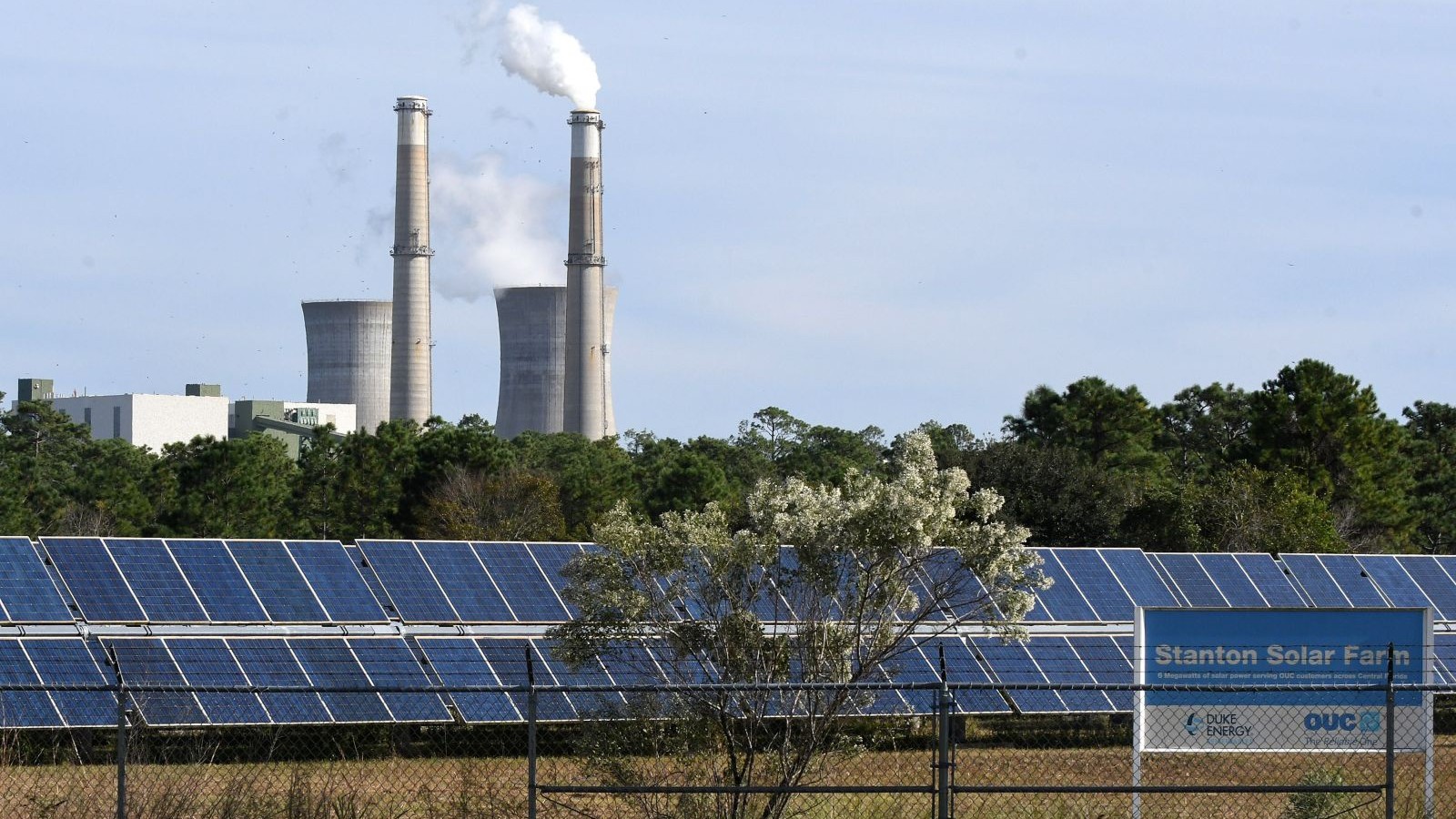
For the solar and natural gas industries, these changes are seen as a survival necessity. Solar power and battery storage installations are currently projected to account for approximately 80 percent of all new power generation capacity in 2026. Simultaneously, natural gas remains the backbone of the nation’s dispatchable power. Industry leaders, including Tim Pawlenty of the Solar Energy Industry Association, have been vocal about the need for these changes, arguing that without them, the nation’s ability to deploy new power sources will remain effectively paralyzed.
Environmental groups, such as the Natural Resources Defense Council, find themselves in a precarious position. While they support the rapid expansion of renewable energy, they are wary of any attempt to weaken environmental protections that have been in place for decades. The legislative challenge for the Senate is to craft a bill that satisfies the demand for speed and industrial growth without sacrificing the ecological safeguards that remain a core priority for a significant segment of the Democratic base.
The Road Ahead: Clarity and Compromise
The final piece of the puzzle involves the administrative implementation of these policies. A significant point of contention has been the willingness of the executive branch to enforce the spirit of the law. Senator Sheldon Whitehouse (D-RI), a key negotiator on the Senate Environment and Public Works Committee, has emphasized that while the Trump administration has signaled a desire to move forward, Democrats require concrete assurances regarding how a "return to regular order" will actually function for renewable projects.
The uncertainty surrounding the administration’s commitment to wind and solar projects has, at times, slowed the progress of the negotiations. As the midterm elections loom, the pressure to deliver a concrete legislative win is mounting. However, the path forward is narrow. The negotiators must balance the immediate demands of the energy industry, the political anxieties of the electorate, and the long-term imperative to remain economically dominant on the global stage.
Ultimately, the permitting reform debate is not just about bureaucracy; it is a fundamental re-evaluation of the American social contract regarding energy. Whether the Senate can find a path to pass this legislation after the midterms will depend on whether they can prove to the American public that building for the future does not have to come at the expense of their present-day interests.