Federal Court Rules Constitution Does Not Guarantee Right to Clean Drinking Water Following Jackson Crisis

A landmark ruling by the Fifth U.S. Circuit Court of Appeals has fundamentally reshaped the legal landscape regarding public health, concluding that the U.S. Constitution provides no inherent guarantee to clean and safe drinking water. The September 4 decision, which effectively dismissed a lawsuit brought by residents of Jackson, Mississippi, also determined that the Constitution does not entitle citizens to truthful information from government officials during public health emergencies. This judicial outcome marks a significant turning point in the ongoing struggle of Jackson’s majority-Black population to secure basic infrastructure, highlighting a widening chasm between systemic municipal failures and federal constitutional protections.
The case originated from a class-action lawsuit filed in 2022 by residents who alleged that city and state officials knowingly exposed them to lead-contaminated water while simultaneously issuing false assurances regarding its safety. The plaintiffs, representing a city that is over 80% Black with a poverty rate double the national average, argued that these actions violated their right to bodily integrity under the 14th Amendment. However, in his majority opinion, Judge Kurt Engelhardt asserted that while access to potable water is a vital human necessity, it is not a right "deeply rooted in our Nation’s history and tradition," the legal benchmark for constitutional protection.
A Chronology of a Failing System
The water crisis in Jackson is not a sudden occurrence but the culmination of decades of deferred maintenance, administrative neglect, and systemic disinvestment. The city’s infrastructure issues gained national prominence in 2021, yet the foundation for the collapse was laid much earlier.
- Pre-2020: The Jackson water system suffered from chronic underfunding, a shrinking tax base, and aging treatment facilities. Residents reported decades of discolored, odorous, and inconsistent water service.
- March 2020: The Environmental Protection Agency (EPA) issued an emergency order, declaring that conditions at the O.B. Curtis Water Treatment Plant posed an "imminent and substantial endangerment" to public health.
- February 2021: A historic winter storm caused pipes to rupture and equipment to freeze, leaving thousands of residents without running water for weeks.
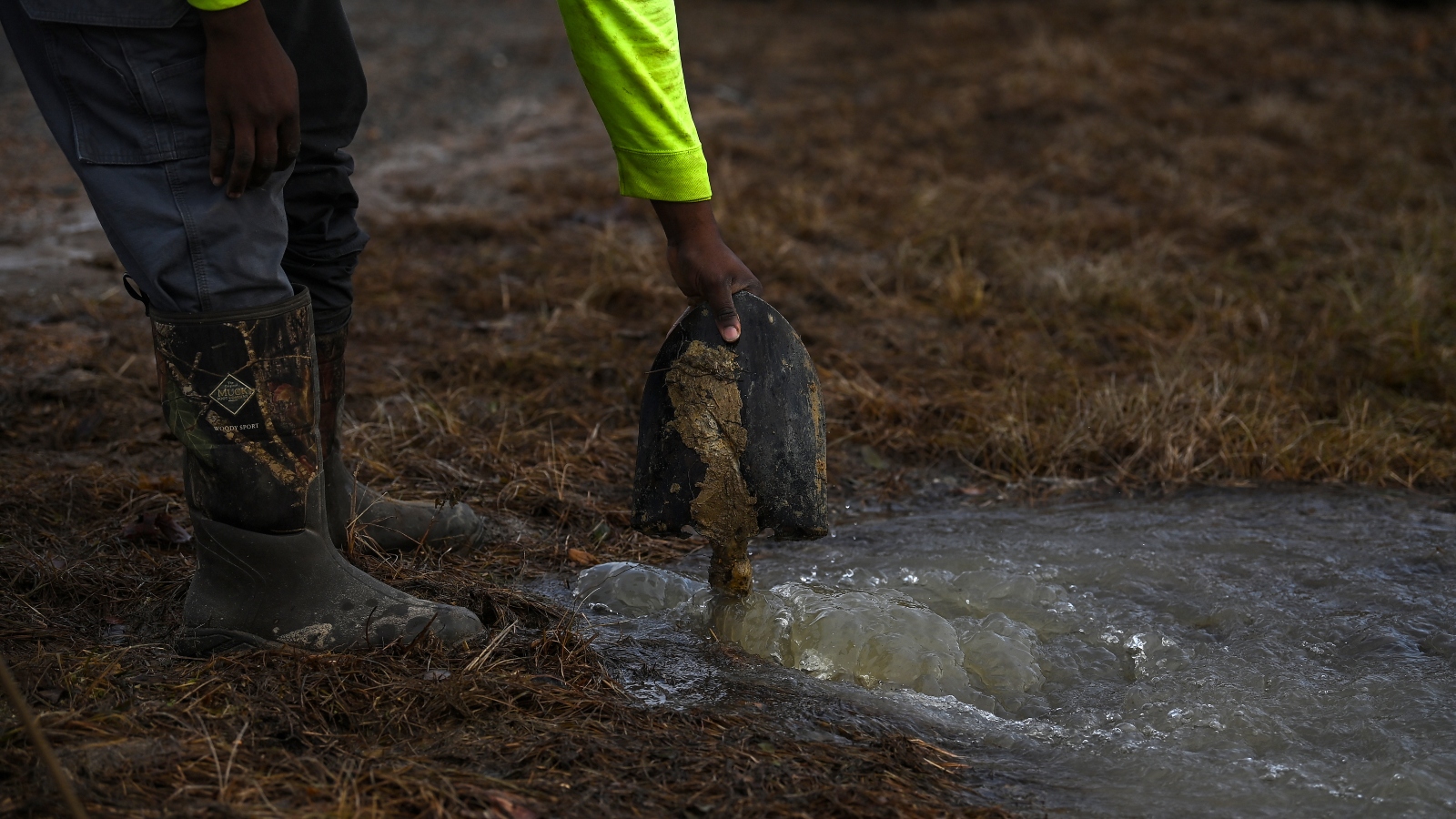
- August 2022: Massive flooding exacerbated existing failures at the O.B. Curtis plant, leading to a complete collapse of the city’s water distribution system. This prompted the federal government to intervene and appoint a third-party manager to oversee operations.
- September 4, 2024: The Fifth Circuit Court of Appeals upholds the dismissal of the residents’ lawsuit, effectively barring constitutional claims regarding water safety and government transparency.
The Statistical Reality of Environmental Inequality
The plight of Jackson serves as a stark case study in environmental racism and infrastructure inequity. According to federal data analyzed by various environmental justice organizations, Black communities are statistically more likely to be served by water systems that frequently violate the Safe Drinking Water Act. Research consistently indicates that these systems are not only more prone to failure but also take significantly longer to receive the necessary funding or technical interventions required for repairs compared to their white counterparts.
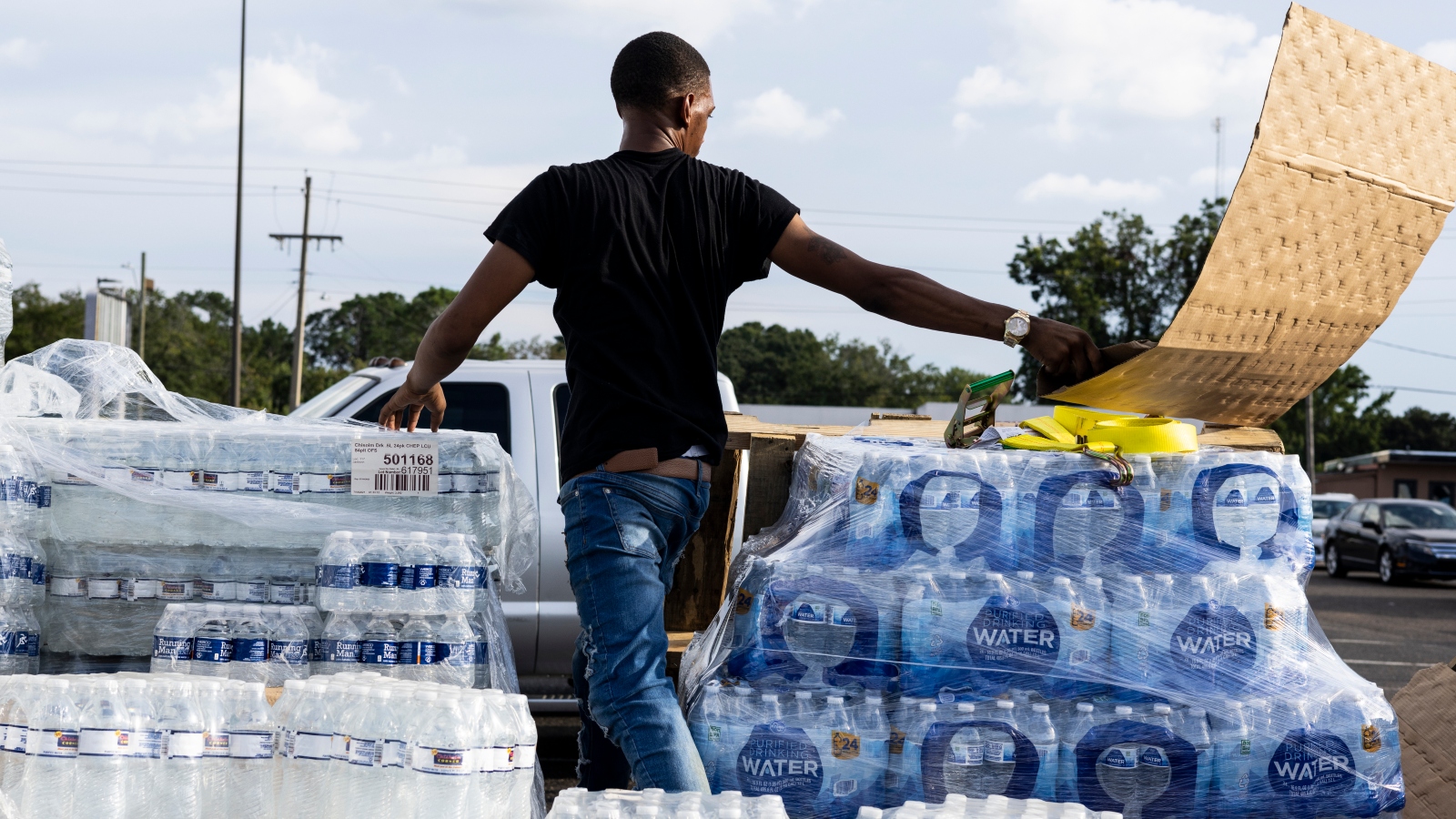
Lead exposure, a primary concern in Jackson, carries lifelong consequences. Studies published in journals such as JAMA have linked chronic lead exposure in childhood to irreversible cognitive impairment, behavioral issues, and long-term health complications. The disparity is stark: in the United States, race remains a more significant predictor of lead exposure than income level. For families in Jackson, this has meant living in a state of perpetual crisis, where the simple act of bathing or washing clothes requires traveling to other municipalities or relying on bottled water.
Official Responses and the Legal Standoff
The legal arguments presented by the residents were met with strong opposition from municipal leadership. Mayor Chokwe Antar Lumumba, who was named as a defendant in the 2022 suit, expressed satisfaction with the appellate court’s ruling. In a formal statement, the city underscored its commitment to the health and safety of its residents while maintaining that the legal challenges were not the appropriate mechanism for addressing systemic infrastructure failures.
Conversely, activists and community organizers view the ruling as a betrayal of the democratic process. Danyelle Holmes, a senior national organizer with the Mississippi Poor People’s Campaign, characterized the court’s decision as a message that the suffering of Black citizens is legally "real" but ultimately "unremedied." The court’s rejection of the "right to truth" claim—arguing that lying about water quality does not rise to the level of invasive medical procedures—has sparked outrage among legal scholars who argue that government transparency is essential to the survival of any democratic society.

Economic Burden and Future Implications
As Jackson remains under the oversight of JXN Water, the federally appointed manager, the economic burden of the recovery is increasingly falling upon the residents. A court-approved rate increase of 12% implemented in March brought the average residential bill to approximately $88 per month. Further hikes are scheduled for 2027, 2028, and 2029.
For a city where a significant portion of the population lives below the poverty line, these rate hikes raise serious questions about utility affordability. If a household cannot afford to pay, they risk losing access to the very water that the federal government is now simultaneously disclaiming as a constitutional right.
The Broader Constitutional Vacuum
The implications of this ruling extend far beyond the borders of Mississippi. By establishing that the Constitution does not mandate access to essential public utilities or demand honesty from officials during a public health emergency, the Fifth Circuit has created a precedent that could complicate future environmental justice litigation across the country.
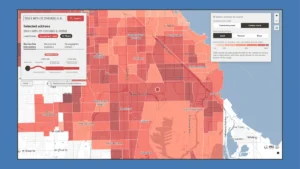
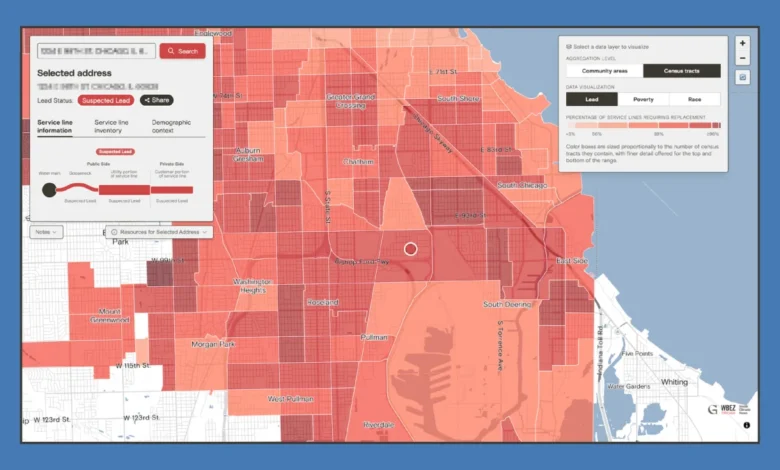
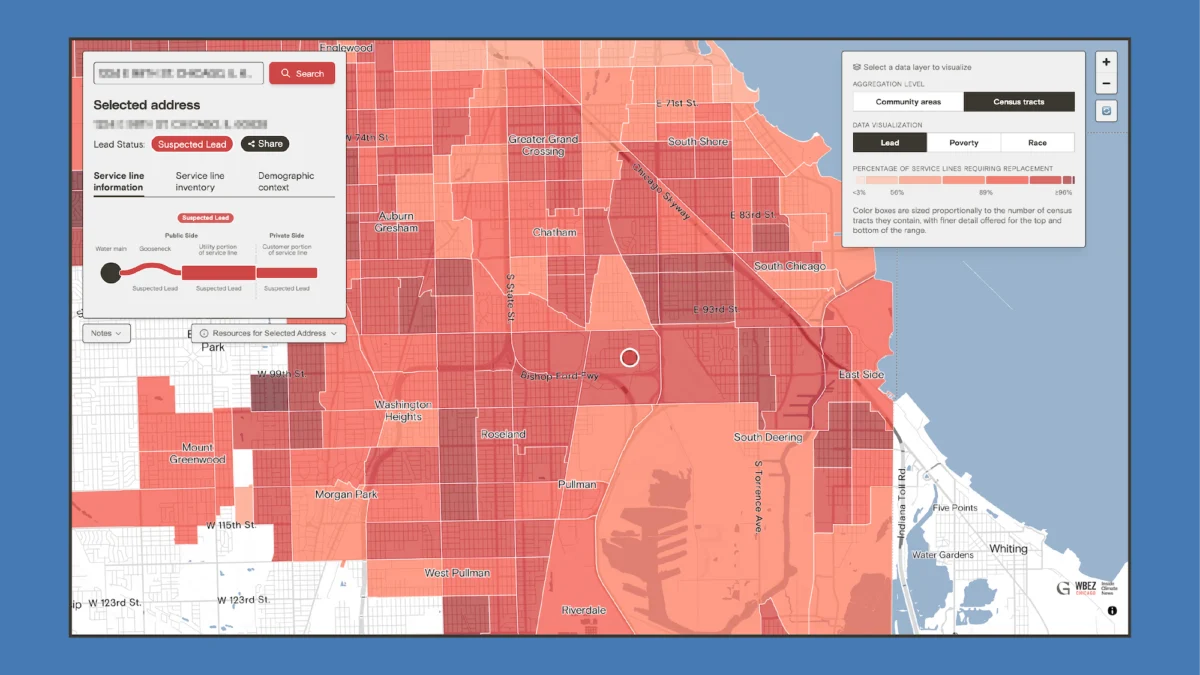
Legal experts suggest that the "history and tradition" test used by the court sets an incredibly high bar for any new interpretation of rights. If a service—no matter how essential—was not explicitly recognized in the 18th or 19th centuries, it is unlikely to be protected under the current judicial framework. This leaves residents in communities facing similar crises—from lead-pipe contamination in Chicago to droughts in the Southwest—with limited recourse in federal court.
As Jackson continues to rebuild its physical infrastructure, the political infrastructure remains fractured. The struggle has shifted from the courtroom to the ballot box and the community level. As local organizers note, the crisis has become a litmus test for the nation’s values. "It is not about left and right," Holmes stated. "It is about right and wrong."
For now, the people of Jackson face a reality where their water systems are under federal control, their costs are rising, and the highest law of the land has explicitly stated that their access to clean water is not a guaranteed constitutional entitlement. This case remains a defining moment in the modern American experience, illustrating the limitations of the judiciary in correcting centuries-old patterns of systemic inequality and the mounting necessity for legislative, rather than purely litigious, solutions to the nation’s infrastructure and public health challenges.
Related posts: