The Hidden Cost of Artificial Intelligence: EPA Deregulation and the Surge in Data Center Pollution Risks

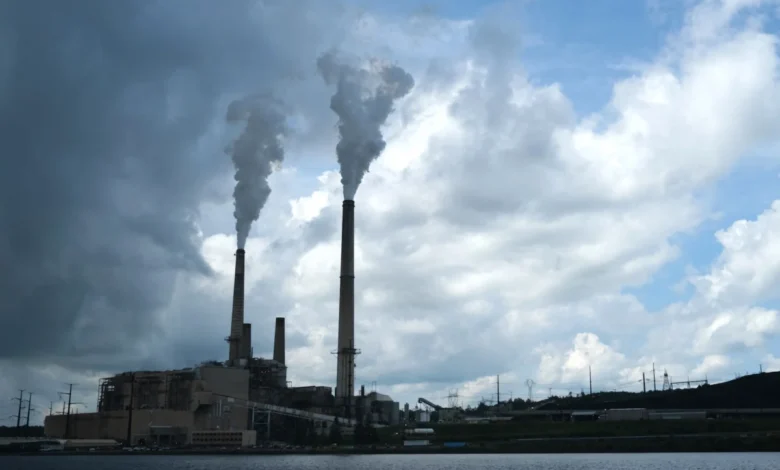
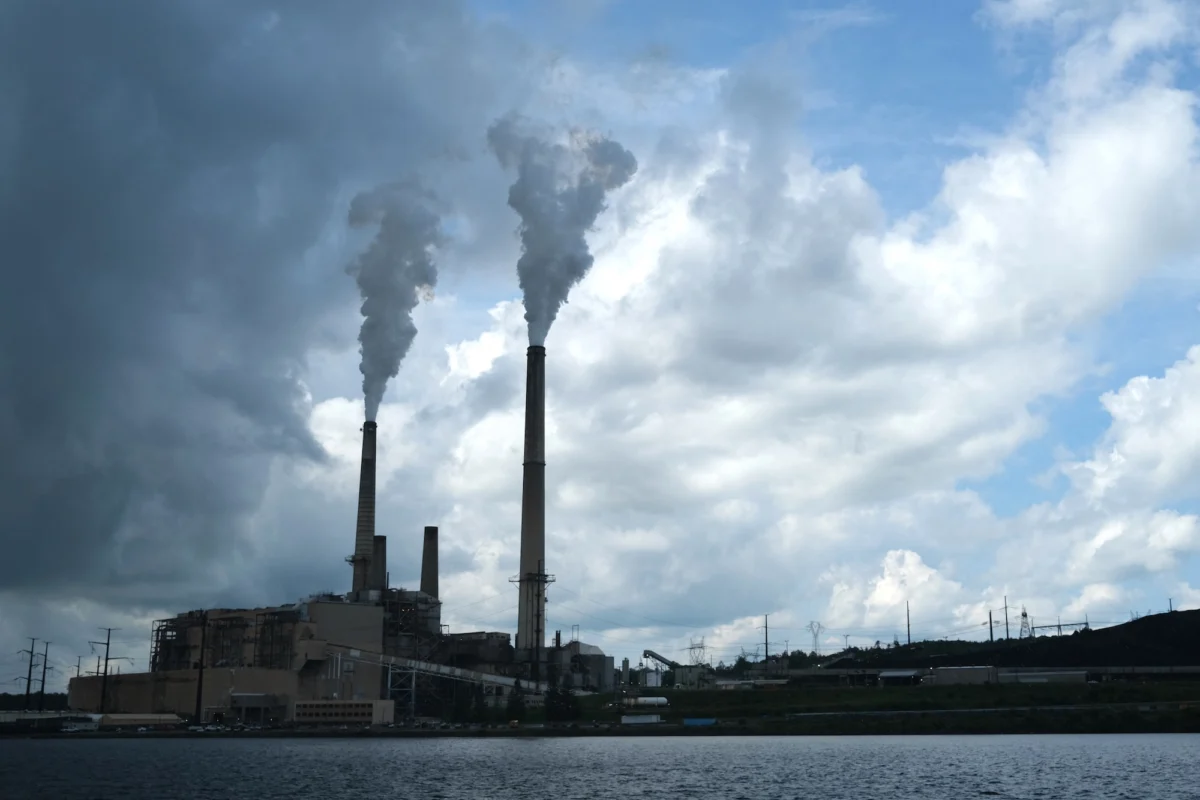
While technology titans and industry leaders continue to dominate public discourse with warnings regarding the existential threats posed by autonomous AI systems, a cadre of former Environmental Protection Agency (EPA) officials has sounded an alarm over a more immediate and tangible danger: the physical environmental footprint of the infrastructure powering the artificial intelligence revolution. A comprehensive new report released by the Environmental Protection Network (EPN) details how the current administration has systematically dismantled long-standing regulatory safeguards, potentially placing public health at risk to accelerate the growth of the nation’s data center capacity.
The findings suggest that since January 2025, the EPA has initiated at least 30 distinct policy shifts—ranging from weakened permitting processes to reduced inspection requirements—that directly benefit the rapid expansion of energy-intensive data centers. This deregulation, according to environmental experts, is creating a "wild west" environment for industrial infrastructure development, often at the expense of air quality and community health.
The Scale of the Infrastructure Boom
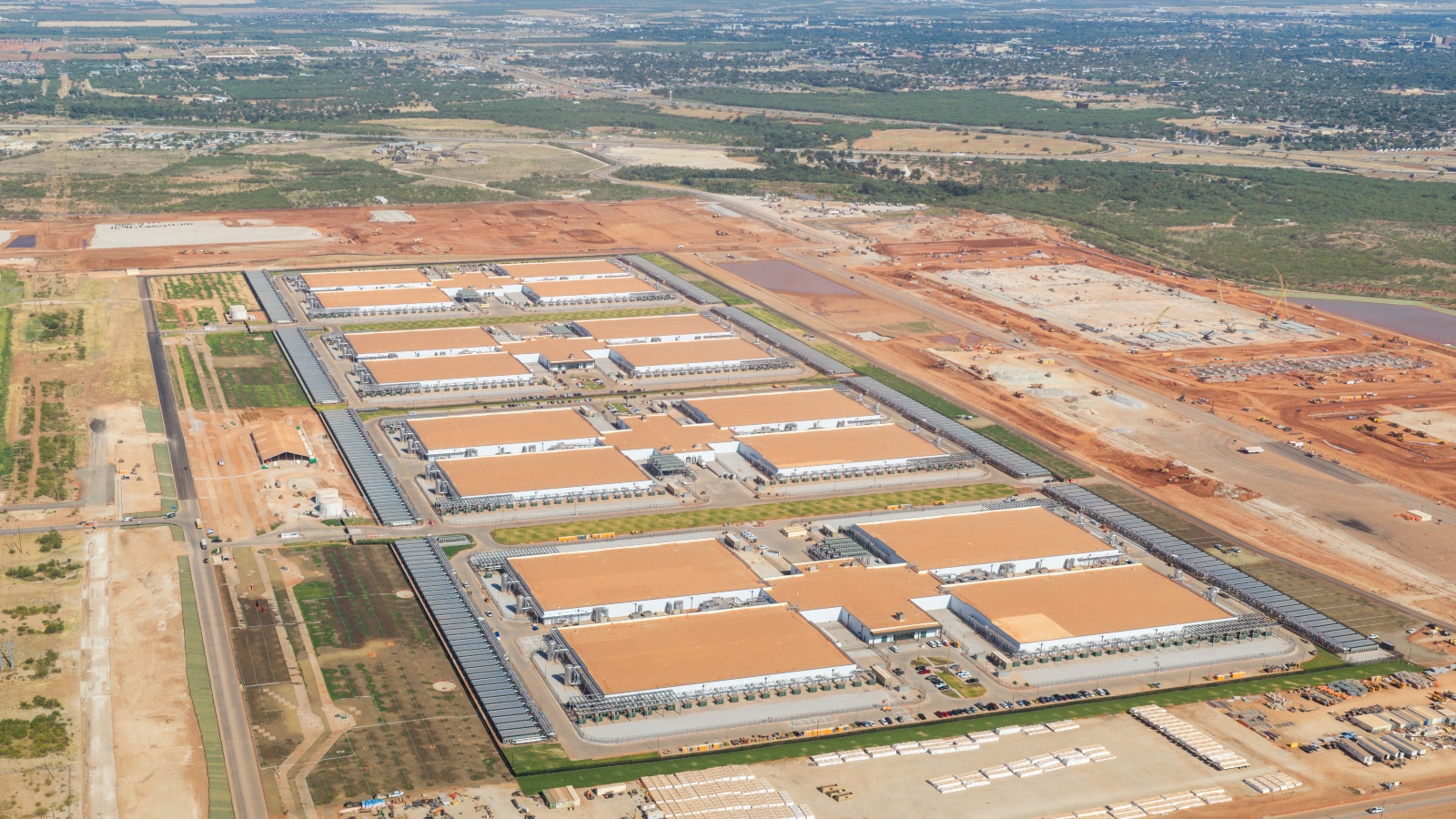
To understand the scope of the issue, one must look at the sheer volume of growth within the sector. There are currently approximately 3,000 active data centers operating across the United States. However, this is merely the foundation for a much larger, energy-hungry ecosystem currently under development. Industry data indicates that more than 1,500 new data centers are currently in the planning or construction phases. These facilities, designed to house the thousands of graphics processing units (GPUs) required to train large language models, act as massive electricity sinks, requiring consistent, high-capacity power supplies.
The primary conflict arises from how this energy is sourced. Rather than relying solely on the existing power grid, which is increasingly burdened, developers are turning to "behind-the-meter" solutions. This includes the retention of aging coal-fired power plants that were scheduled for decommissioning and the installation of onsite natural gas-powered turbines to ensure uninterrupted operations. These power sources are notorious for emitting high levels of nitrogen oxides, particulate matter, and other pollutants into the immediate environment.
Chronology of Regulatory Shifts
The pivot toward prioritizing industry speed over environmental oversight did not happen in a vacuum. The following timeline illustrates the administration’s shift in priorities since taking office:
- January 2025: The administration initiates a review of "heavy-handed" environmental regulations, signaling a shift toward a compliance-first, enforcement-second model.
- March 2025: EPA leadership issues internal memos directing enforcement staff to avoid actions that might "unduly burden" energy production or power generation infrastructure.
- July 2025: The administration formally dismantles the primary scientific research office within the EPA, significantly reducing the agency’s ability to independently assess the public health impacts of industrial expansion.
- Late 2025: A proposed rule change is introduced, allowing developers to begin the construction of data centers and associated power generation plants before securing final air pollution permits.
- 2026: The EPA actively facilitates the continued operation of fossil fuel-reliant plants to support the power demands of "hyperscale" data centers, prioritizing AI leadership goals.
The Erosion of Scientific Capacity
Dan Costa, a veteran of the EPA with 35 years of experience specializing in air pollution, views the current trajectory as a historic regression. The EPA was established in 1970 with a mandate to utilize the best available science to protect the public. For decades, this mission was supported by a robust network of toxicologists, chemists, and atmospheric scientists who worked independently of industrial pressure.
"The collaborative effort between EPA researchers and academic colleagues was designed to serve the American people, not the bottom line of a private corporation," Costa stated during a recent press briefing. "By gutting the scientific research office, the administration has effectively blinded itself. Transforming the nation’s energy system while simultaneously stripping away the capacity to understand the environmental consequences of that transformation is a profound policy failure."
The loss of this scientific capacity means the government is no longer conducting the rigorous longitudinal studies necessary to track how increased localized pollution from data centers affects surrounding communities. When the watchdog loses its ability to watch, the risks to public health become obscured by administrative silence.
Official Stance and Industry Alignment
The administration’s position is clear: the United States is locked in a global race for AI supremacy, and traditional regulatory frameworks are viewed as impediments to that goal. In a 2025 memo, EPA Administrator Lee Zeldin characterized the regulatory environment as a barrier to innovation. "We are committed to bolstering America’s position as the global leader in AI," Zeldin wrote. "This requires cutting through the red tape to ensure we can build and power the infrastructure necessary to make America the AI capital of the world."
This directive has empowered developers to lobby for exceptions to the Clean Air Act. The argument presented by proponents is that the strategic value of domestic AI dominance outweighs the localized environmental costs. However, critics argue that this creates a false dichotomy, suggesting that technological advancement and environmental protection are mutually exclusive.
Public Health Implications and Mortality Risks
The human cost of this deregulatory shift is increasingly being quantified. According to research cited in the EPN report, the surge in pollution associated with the AI infrastructure boom could result in an estimated 1,300 additional premature deaths annually.
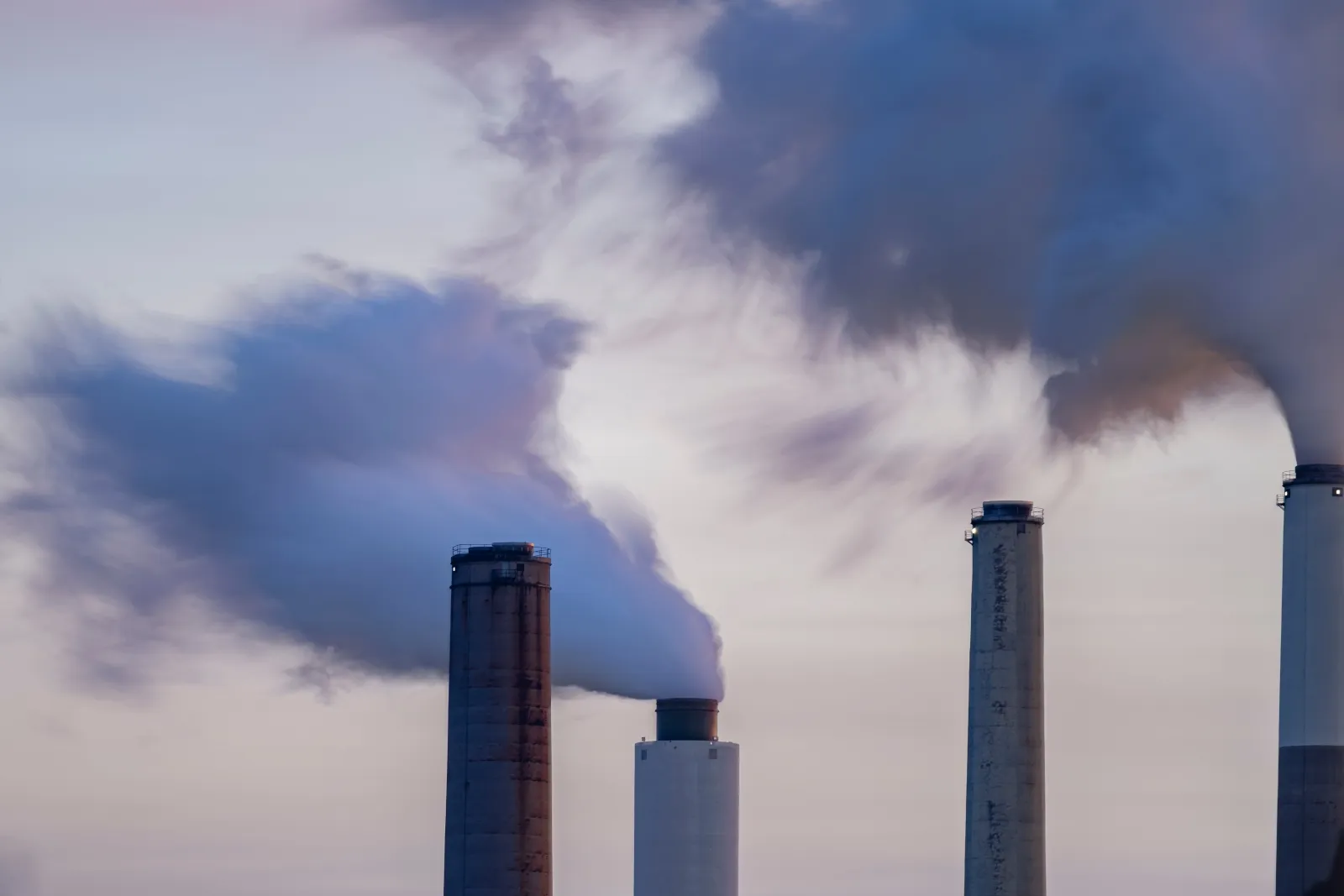
Dr. Lynn Goldman, a physician and former high-ranking EPA official, highlights the specific mechanisms through which this pollution impacts human biology. "The risks are not theoretical," Goldman explained. "We are talking about increased exposure to fine particulate matter, which is directly linked to acute cardiovascular events like heart attacks, as well as complications during pregnancy and premature births."
Furthermore, the latency of these health impacts presents a long-term burden. While some consequences of air pollution manifest in the short term, others—such as chronic respiratory diseases and certain types of cancer—may take years or even decades to emerge. The current policy focus on short-term economic gains ignores the long-term healthcare costs that will inevitably be borne by the public.
Fact-Based Analysis of the Regulatory Climate
The shift in the EPA’s mission is symptomatic of a broader trend toward prioritizing private-sector infrastructure projects over public interest protections. By allowing construction to proceed before air permits are finalized, the EPA has removed the primary leverage it once held over developers. If a facility is already built, it becomes significantly more difficult to enforce pollution abatement technologies after the fact.
The reliance on fossil fuels to power these AI hubs also contradicts international and national efforts to decarbonize the energy sector. By keeping aging coal plants online, the administration is effectively reversing progress made in air quality improvements over the last two decades. The lack of independent scientific oversight ensures that these policy changes remain insulated from public scrutiny, creating a feedback loop where industrial expansion is encouraged without a corresponding mechanism to mitigate its externalities.
The Path Forward: A Call for Accountability
As the AI boom continues to accelerate, the tension between technological advancement and public health will only intensify. The EPN report serves as a stark reminder that the "cloud" is physically anchored in the real world—reliant on water for cooling, electricity for processing, and the surrounding atmosphere for the dispersion of combustion byproducts.
The call from former officials is not necessarily to halt the development of artificial intelligence, but to reintroduce a baseline of safety and scientific rigor into the permitting and operational processes. As the nation pivots toward an AI-driven economy, the fundamental question remains whether that progress will be built upon a foundation of environmental stewardship or upon the health of the communities surrounding the data centers of the future. The current administration has chosen the former, but as the long-term health data begins to emerge, the political and social cost of that choice may become impossible to ignore.
Related posts: