Shane Gillis Breaks Silence on SNL Monologue Controversy, Explains How the Joke Slipped Past NBC Standards

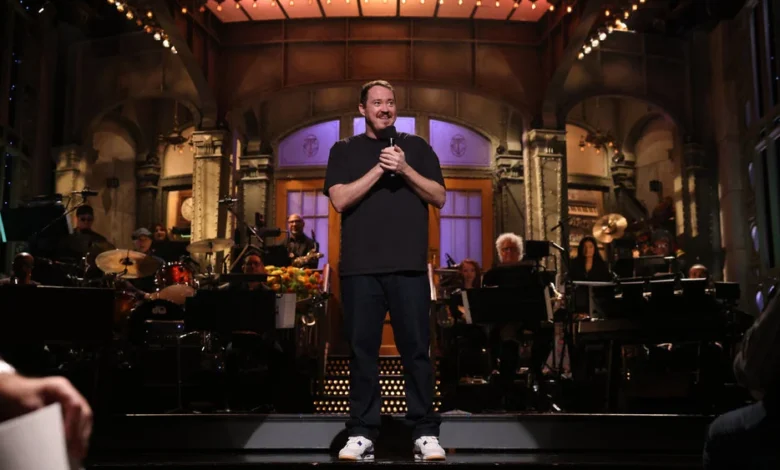
One month after sparking widespread backlash with a controversial opening monologue on Saturday Night Live, comedian Shane Gillis has broken his silence regarding the incident. During a recent, candid appearance on The Joe Rogan Experience, Gillis addressed the fallout from his October 10 hosting stint, shedding light on the internal review process at NBC, his decision to shield himself from the ensuing public outrage, and his complex history with the iconic sketch comedy institution.
The controversy erupted during the live broadcast when Gillis delivered a routine that included a pointed joke accusing women of dressing like "whores" at the gym. The remarks immediately drew fierce criticism from viewers, media outlets, and industry peers alike. However, speaking with Joe Rogan, Gillis clarified misconceptions surrounding how the material made it to air, explaining that guest hosts retain autonomy over their monologues and that the network does not pre-approve every line of a comic’s stand-up set.
Anatomy of an SNL Monologue: How the Material Reached the Air
Addressing the question of why producers at NBC allowed the joke to pass through their traditional vetting filters, Gillis emphasized the distinct difference between standard sketch writing and a guest host’s personal stand-up routine.
"Not to defend SNL, they don’t approve it. I mean, they could shut it down," Gillis explained to Rogan. "They could, but you don’t write your set and give it to them. Unless you’re not a comedian. I’m sure non-comics, they write the set for them. They have writers that write the monologue for them."
Gillis went on to describe his own internal assessment of the material prior to taking the Studio 8H stage. He recounted assuring the show’s production staff that while the set might not be groundbreaking comedy, it was relatively benign.
"The funniest part was, they were like, ‘What’s going on with the monologue?’ And I was like, ‘It’s not great, but I don’t say anything bad,’" Gillis recalled. "The whole time, I was like, ‘Fellas, I’m giving you a C-minus of a monologue, but I promise there’s no controversy. I’m calling myself fat for fucking 10 minutes. That’s it.’"
Despite his expectations, the gym remark overshadowed the rest of the performance, triggering a swift and vocal wave of condemnation across social media and throughout the entertainment industry.
A History of Controversy: The 2019 Firing and Subsequent Returns
The October 10 episode marked the latest chapter in a turbulent relationship between Gillis and Saturday Night Live. The comedian’s history with the program dates back to September 2019, when NBC proudly announced him as a new featured cast member for Season 45 alongside Chloe Fineman and Bowen Yang.
However, within hours of the announcement, archival podcast footage and videos surfaced online featuring Gillis making derogatory remarks, including mocking Asian accents and utilizing ethnic and anti-gay slurs. The severe public backlash prompted NBC to reverse its hiring decision just days later, resulting in Gillis being fired from the cast before ever making his television debut.
In the years following his dismissal, Gillis experienced a meteoric rise in his independent career, fueled by his successful podcast, independent comedy specials, and viral stand-up tours. Recognizing his growing mainstream appeal and massive fan base, NBC invited Gillis back to Studio 8H to host the show in February 2024 and again in March 2025.
These successful outings appeared to signal a full rehabilitation of his relationship with the network, making the October 2025 controversy a sharp regression to the friction of his past.
Navigating the Backlash: Why Gillis Chose Radio Silence
Faced with the immediate fallout of the October monologue, Gillis adopted a vastly different strategy for managing public criticism compared to his experience six years prior. Having learned from the psychological toll of monitoring online reactions during his 2019 firing, the comedian made the deliberate choice to completely disconnect from digital platforms.
"The first time I got fired, I kept social media and in my head, I was like, ‘That guy talked shit,’" Gillis shared on the podcast. "This one I just deleted everything immediately. So, I don’t really know."
This self-imposed media blackout insulated Gillis from the immediate vitriol on social media, though he acknowledged that industry gossip still trickled through. Joking about the retaliation suggested by his representatives, Gillis noted, "I’m thinking about bumping the comedians who criticized him from their tour dates… but I’m not going to do that. That was my agent joking around suggesting that, and I was like, ‘I don’t think anyone touring talks shit. So what am I going to take?’"
Industry Outcry and Global Parodies
The backlash against Gillis was neither isolated nor quiet. A diverse group of actors, comedians, and fellow cast members publicly rebuked the comic for his remarks, turning the monologue into a broader cultural conversation about acceptable boundaries in late-night television.
During the subsequent episode of Saturday Night Live on October 17, cast member Ego Nwodim subtly addressed the tension during the broadcast. Meanwhile, guest stars and recurring performers, including veteran comedian Kathy Griffin, Schitt’s Creek star Dan Levy, and young actress Inde Navarrette, openly criticized the joke during appearances and via public statements, pointing to the harmful implications of misogynistic framing on mainstream platforms.
The controversy even crossed international borders. The newly launched British iteration of the franchise, SNL UK, featured a pointed segment on its recurring "Weekend Update" desk, where host Ania Magliano took direct aim at Gillis’s remarks, demonstrating the global reach of the American broadcast’s programming decisions and the subsequent cultural debates they ignite.
Broader Implications for Live Television and Network Standards
The ongoing discourse surrounding Shane Gillis’s recurring presence on Saturday Night Live highlights a persistent tension within modern comedy and network television. As traditional broadcasters attempt to balance edgy, boundary-pushing humor designed to capture younger, digitally native audiences with corporate standards and inclusive workplace values, miscalculations are bound to occur.
Media analysts point out that booking controversial figures often guarantees a surge in viewership and digital engagement—metrics that traditional networks desperately covet in an era of fragmented media consumption. However, as demonstrated by the swift condemnations from internal talent like Ego Nwodim and external figures such as Dan Levy and Kathy Griffin, these bookings frequently risk alienating core segments of the audience and creating friction behind the scenes among the show’s diverse cast and crew.
Furthermore, Gillis’s defense regarding the lack of network pre-approval underscores a longstanding tradition in stand-up comedy: granting headliners creative freedom over their stage time. Yet, when that freedom is exercised on a platform as globally visible as NBC, the boundaries between independent club comedy and corporate network responsibility inevitably blur.
As the dust settles on his latest appearance, Gillis continues to tour successfully, relying on his dedicated digital following rather than mainstream critical approval. Whether NBC will choose to invite the comedian back for future seasons remains an open question, but the incident has firmly reignited debates concerning accountability, creative freedom, and the shifting definitions of acceptable humor in contemporary American media.
Related posts: