Global Energy Markets Defy Doomsday Predictions as 2026 Iran Conflict Enters Volatile Second Phase


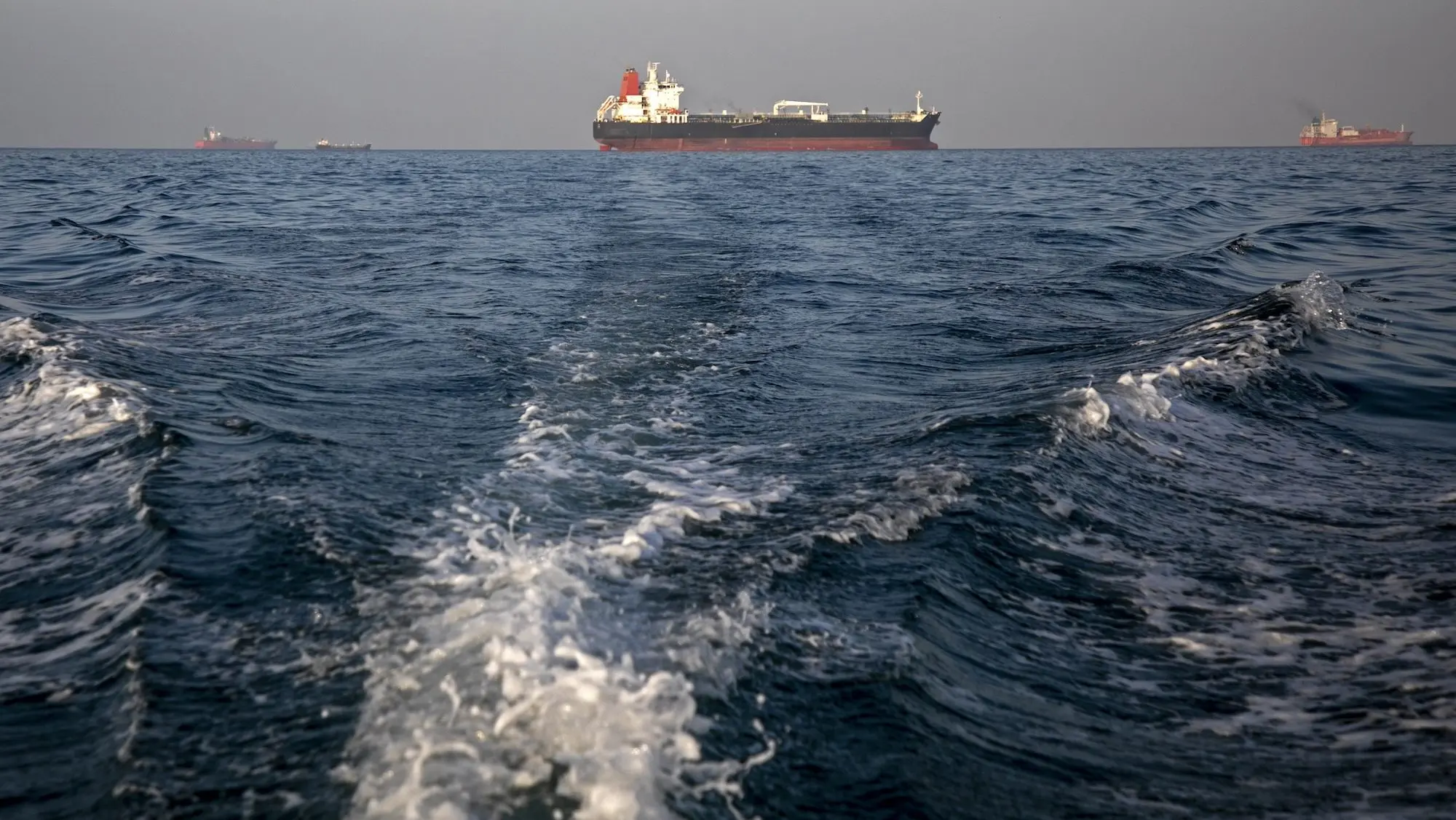
When the Strait of Hormuz was first obstructed at the onset of the 2026 Iran war, the international community prepared for what many characterized as the most significant energy crisis in modern history. The geographical chokepoint, a narrow waterway separating the Persian Gulf from the Gulf of Oman, serves as the artery for nearly 20 percent of the world’s traded petroleum. The sudden blockade by Iranian forces effectively removed 15 million barrels per day (bpd) from the global market overnight, creating a supply vacuum that many feared would trigger a systemic economic collapse.
In the immediate aftermath of the blockade, financial institutions and international observers issued grim forecasts. Goldman Sachs warned of pervasive shortages, while the International Monetary Fund (IMF) cautioned that the disruption could precipitate a global recession comparable to the Great Depression. In Australia, the federal government began drafting frameworks for national fuel rationing, and the European aviation sector signaled the possibility of a total grounding of commercial fleets. Oil traders, reacting to the uncertainty, speculated that Brent crude could surge past $200 per barrel.
However, four months into the conflict, the catastrophic outcomes predicted by many experts have largely been mitigated. While energy prices have escalated and specific sectors—particularly food production and logistics—have suffered, the anticipated global "energy dark age" has not materialized. This resilience is attributed to a combination of unprecedented strategic reserve releases, a rapid shift in global supply chains, and aggressive demand-side conservation measures adopted by the world’s largest oil importers.
A Chronology of the 2026 Energy Shock
The evolution of the crisis can be traced through several distinct phases, beginning with the initial military engagement and culminating in the current period of renewed instability.
The conflict commenced in early 2026 when the United States and Israel initiated a joint military operation targeting Iranian infrastructure. Iran responded by declaring the Strait of Hormuz closed to all commercial traffic. Benchmark oil prices immediately surged above $100 per barrel as the market reacted to the loss of 15 million bpd.
By late March, the International Energy Agency (IEA) coordinated a historic intervention, authorizing the release of approximately 400 million barrels of oil from the strategic reserves of more than 30 member nations. Simultaneously, governments across Asia, led by China and India, introduced emergency energy-saving mandates, including remote work requirements and restrictions on private vehicle usage.
Throughout April and May, non-OPEC+ producers, including the United States, Norway, and Venezuela, ramped up domestic production to record levels. This additional output was redirected to Asian and European markets to compensate for the absence of Gulf crude. In mid-June, a brief respite occurred when the United States and Iran signed a tentative ceasefire agreement, allowing commercial shipping to resume. Prices briefly plummeted to $70 per barrel. However, the agreement collapsed within weeks, leading to a "Hormuz 2.0" scenario characterized by a U.S.-led blockade of Iranian exports and new, restrictive transit requirements imposed by Tehran. As of July 2026, prices have stabilized near $85 per barrel, though the market remains on a knife-edge.
Supply-Side Adaptations and Strategic Rerouting
The avoidance of a total supply collapse was made possible by a dual strategy of tapping emergency stockpiles and utilizing land-based infrastructure to bypass the Strait of Hormuz. The IEA’s coordinated release of 400 million barrels provided a critical 20-day buffer, allowing refineries time to adjust their sourcing strategies.
Furthermore, major producers in the region, specifically Saudi Arabia and Iraq, maximized the use of trans-continental pipelines. These conduits, which transport oil to terminals on the Red Sea and the Mediterranean, were operated at their absolute structural limits. By rerouting approximately 6 million bpd through these land lines, exporters were able to maintain a baseline of supply to the Mediterranean and North American markets, even as the Persian Gulf remained a no-go zone for tankers.
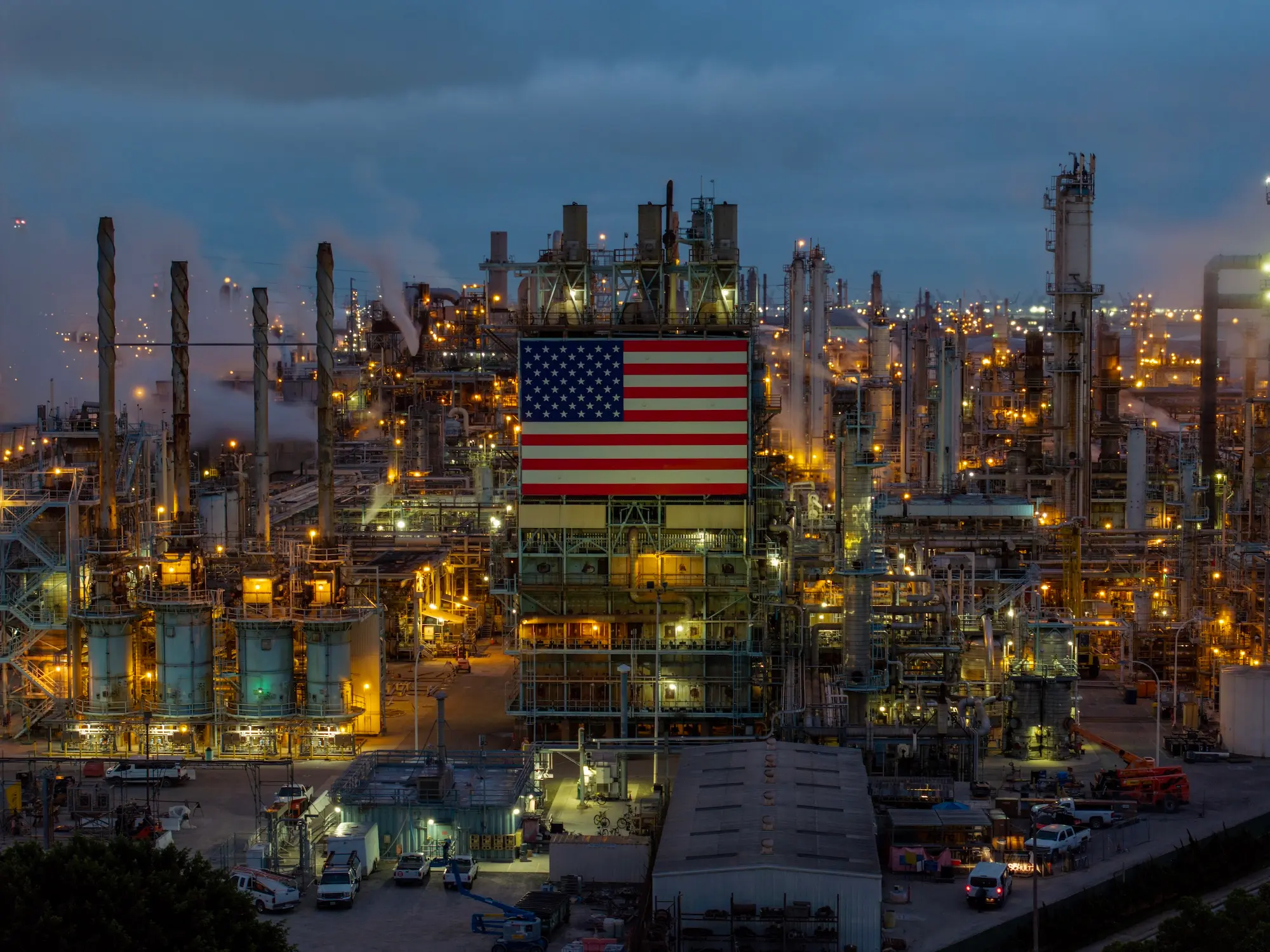
The United States played a pivotal role in stabilizing the Atlantic basin. By increasing exports and drawing from the Strategic Petroleum Reserve (SPR), Washington provided a lifeline to allies. South Korea, for instance, reported that its imports of American crude doubled between February and April, offseting the loss of its traditional Iranian and Kuwaiti suppliers.
The Asian "Crash Diet" and Demand Management
Perhaps the most significant factor in preventing a price spiral was the behavioral shift in Asia, the world’s primary engine of oil demand. China, the largest importer of crude, adopted what analysts have termed a "strategic crash diet." Beijing suspended the accumulation of its own strategic reserves and shuttered several domestic refineries for maintenance, opting instead to pivot toward coal-fired power and its massive solar infrastructure to meet electricity needs. This maneuver alone freed up an estimated 5 million bpd for the global market.
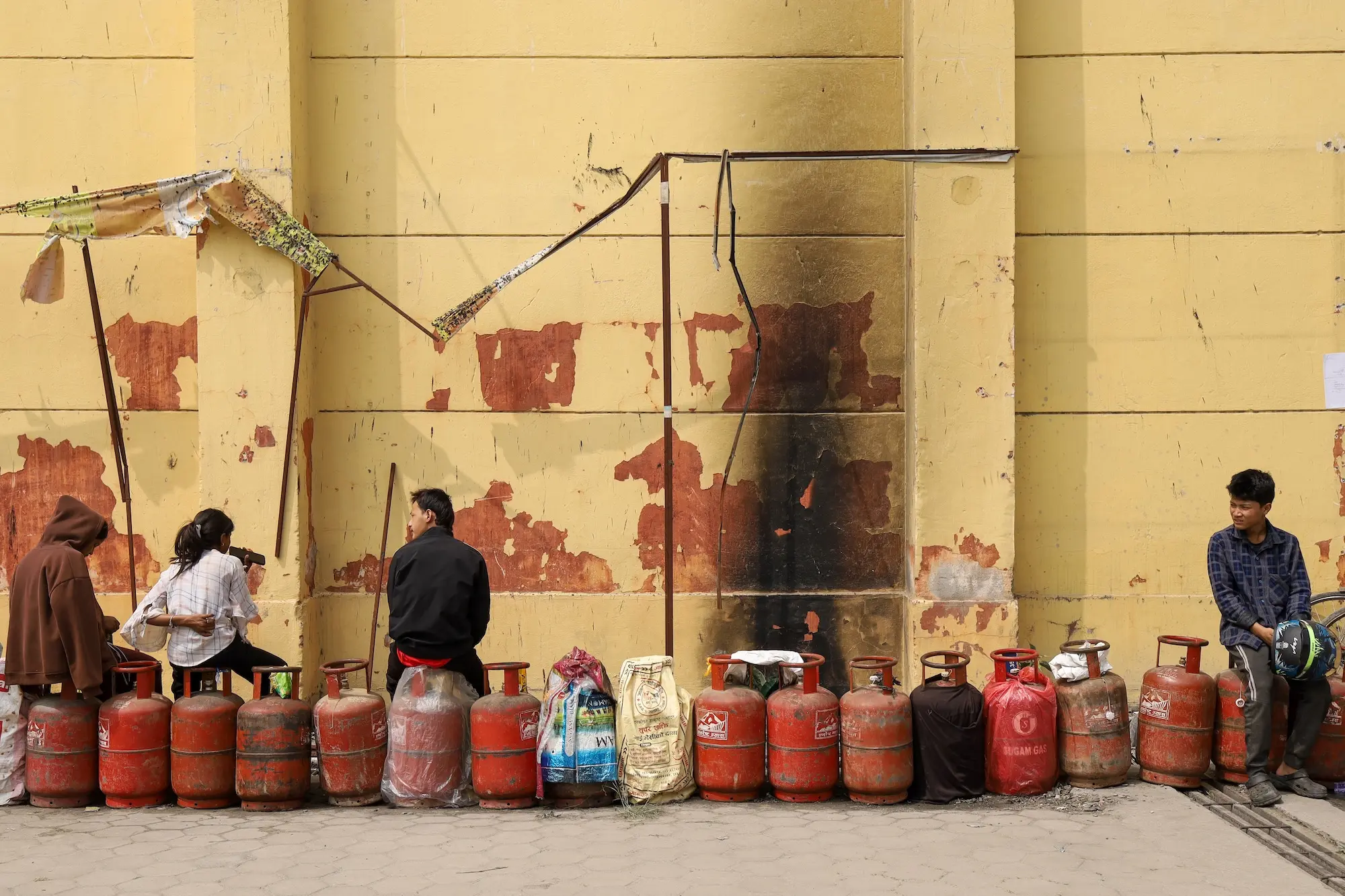
Elsewhere in the region, conservation measures were more direct. More than 100 countries implemented policies to curb consumption. In the Philippines, Pakistan, and Sri Lanka, governments transitioned to four-day work weeks to reduce commuting. Myanmar introduced an "odd-even" license plate system to restrict vehicle usage, while Bangladesh mandated that air conditioning in public buildings be set no lower than 77 degrees Fahrenheit (25°C).
European nations also contributed to demand destruction, though through different mechanisms. The Netherlands accelerated its transition to electric vehicles (EVs) by offering lucrative trade-in programs for internal combustion engine cars, and Sweden implemented a 50 percent reduction in public transit fares to discourage private driving. These measures collectively prevented the "inelastic" nature of oil demand from driving prices to the $200 level.
The Hidden Costs: Fertilizer, Food, and Inflation
While the world avoided a total energy blackout, the crisis has extracted a heavy humanitarian and economic toll. The disruption of the Strait of Hormuz impacted more than just crude oil; it halted the shipment of critical industrial inputs such as helium, sulfur, and petroleum-based fertilizers.
The agricultural sector has been particularly hard hit. A lack of fertilizer during the primary rice-planting seasons in Southeast Asia is expected to result in significantly lower yields, raising the specter of a food security crisis in late 2026. In Myanmar and Thailand, the soaring cost of diesel has forced funeral homes to suspend cremation services and taxi drivers to abandon their vehicles, highlighting the micro-economic devastation hidden behind macro-economic stability.
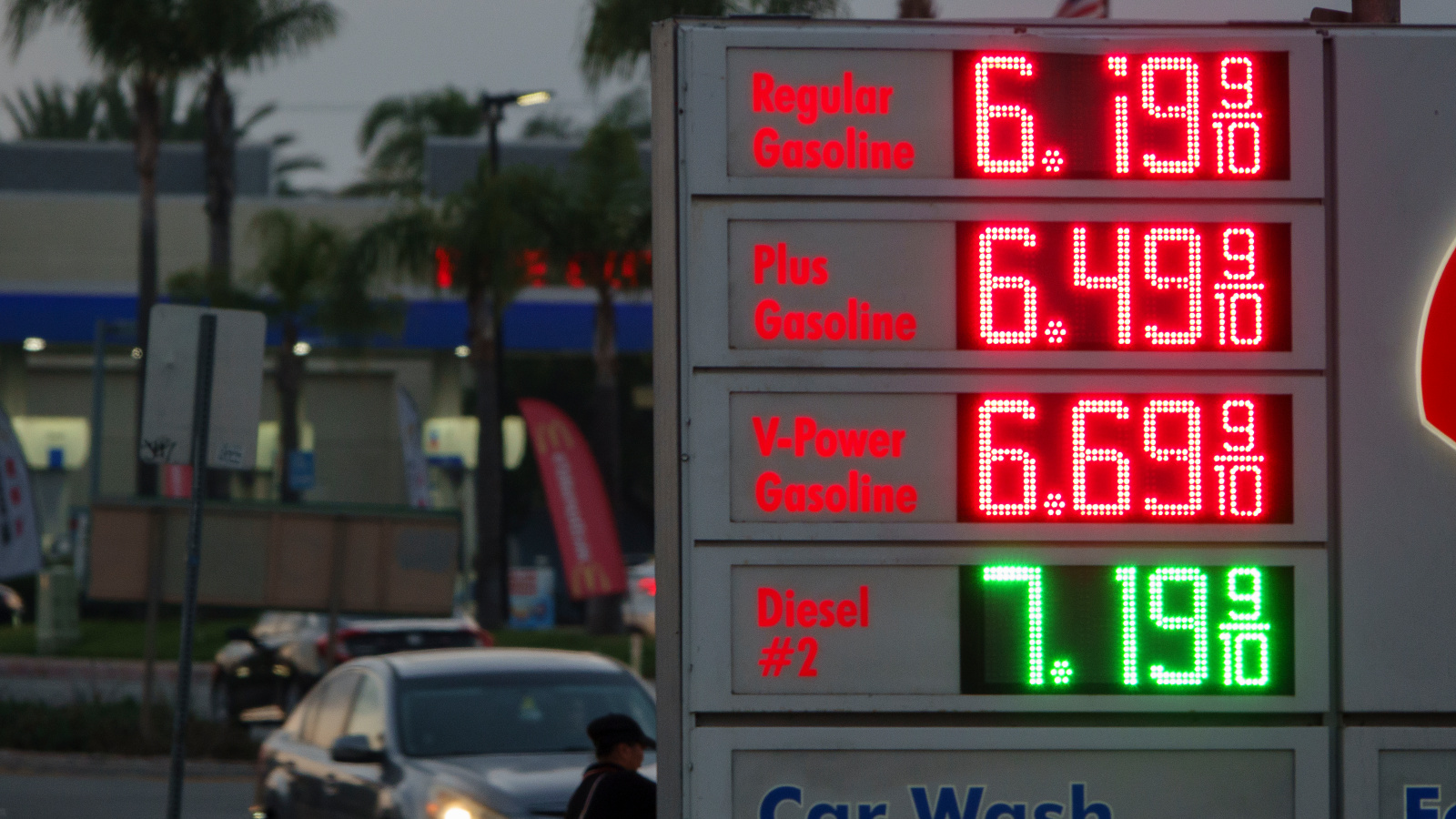
Furthermore, the shift in refinery focus has created secondary shortages. To keep the global airline industry afloat, refineries prioritized the production of jet fuel at the expense of gasoline. This has left the United States with its lowest gasoline inventories in a decade, just as the nation enters its peak summer driving season.
Analysis: The Risks of "Hormuz 2.0"
As the conflict enters its second phase, energy analysts warn that the "tricks" used to stabilize the market during the first four months are largely exhausted. Bob McNally, founder of Rapidan Energy Group and a former White House advisor, suggests that the market’s initial resilience may have created a false sense of security.
"The world played its best cards early," McNally noted in a recent briefing. "The IEA reserves are depleted, the U.S. SPR is at a level where structural integrity is a concern, and China is ending its ‘crash diet’ and returning to the market as a buyer. In the first phase, we managed the crisis through inventory. In the second phase, price will have to do the work."
The concern among economists is that the global economy is now far more vulnerable to a second shock than it was in January. With emergency stockpiles at historic lows, any further escalation in the Middle East—such as an expansion of the conflict to the Bab el-Mandeb strait or damage to Saudi processing facilities—could finally trigger the $200-a-barrel scenario that was narrowly avoided earlier this year.

Conclusion: A Turning Point for Energy Security
The 2026 Iran war has served as a brutal stress test for the global energy system. While the immediate collapse was averted through a combination of strategic foresight and draconian conservation, the long-term implications are profound. The crisis has accelerated the global shift toward renewable energy and EVs, as nations seek to decouple their economies from the volatility of Middle Eastern transit routes.
However, for the remainder of 2026, the world remains tethered to the Strait of Hormuz. The resilience shown thus far demonstrates that the global market is more adaptable than previously thought, but as inventories dwindle and geopolitical tensions remain unresolved, the margin for error has effectively vanished. The coming months will determine whether the world can sustain this fragile stability or if the "largest energy crisis in history" was merely delayed rather than defeated.