The American Southwest is currently grappling with a hydrological emergency of historic proportions, as a 27-year-long drought—the most severe dry spell in the region in at least 1,200 years—continues to destabilize the Colorado River basin. This critical water artery, which supports the agricultural output of the Imperial Valley, the municipal needs of cities like Phoenix and Las Vegas, and the power grids of multiple states, is showing signs of fundamental collapse. As climate change permanently alters the mountain snowpack that feeds the river, the infrastructure designed to manage this resource in the 20th century is struggling to cope with the realities of the 21st.
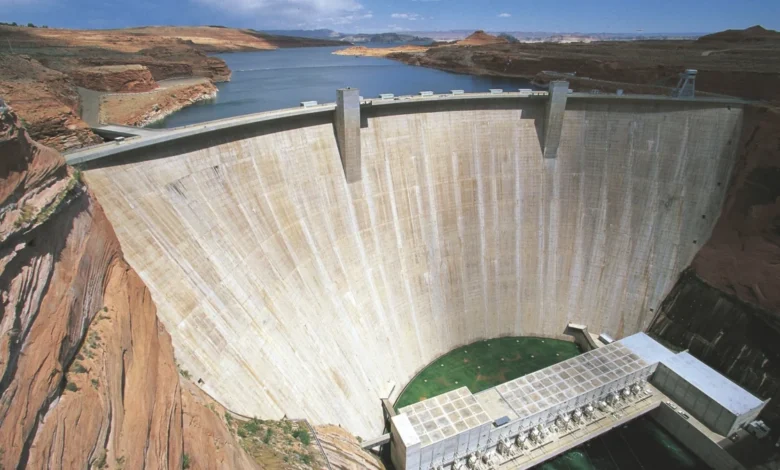
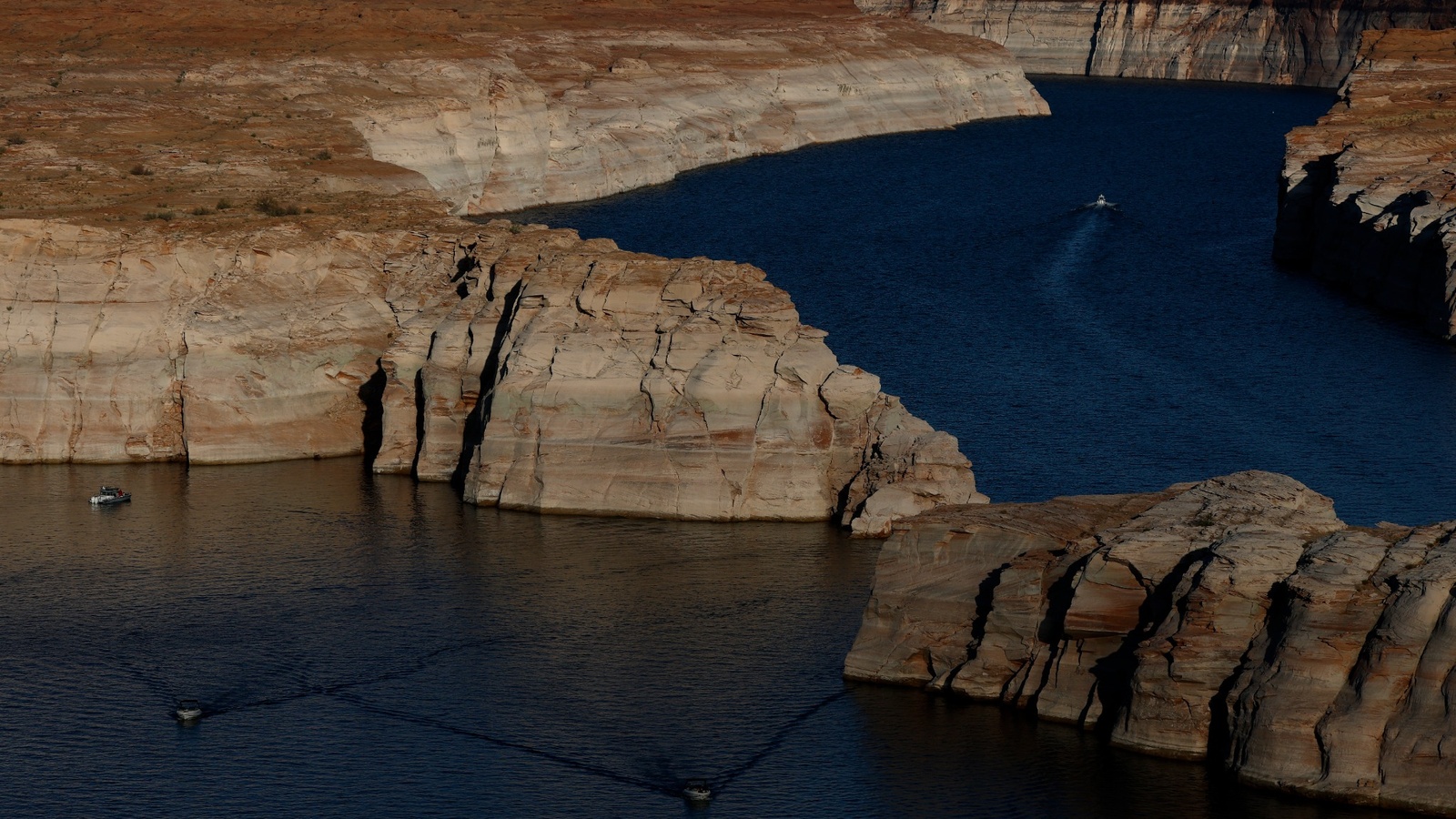
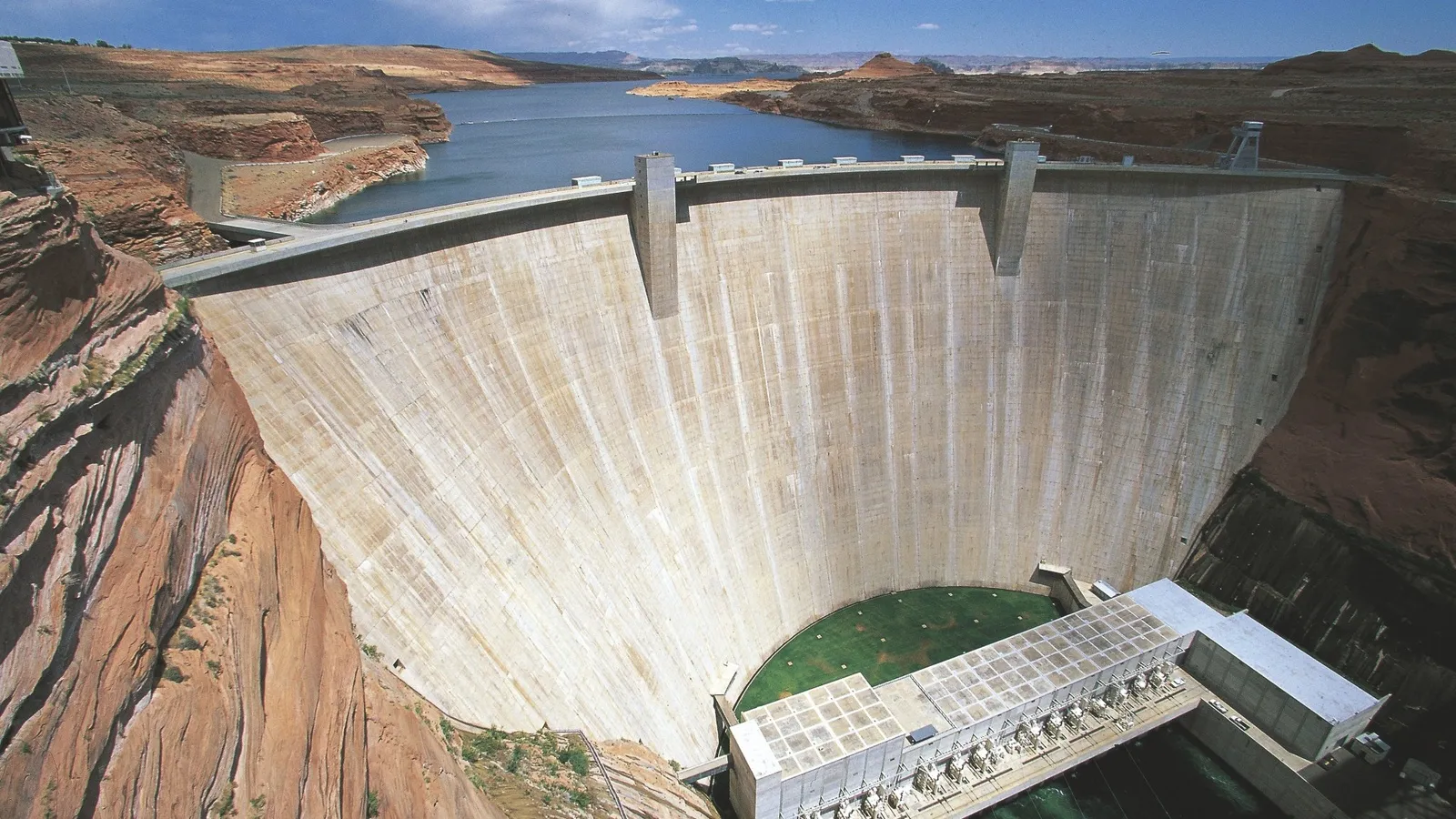
The focal point of this instability is the Glen Canyon Dam, located on the Utah-Arizona border. The dam, which creates Lake Powell, the second-largest reservoir in the United States, recently hit a record low elevation. It is now hovering precariously close to the dead pool threshold—the point at which water levels fall below the intake structures, rendering the dam incapable of releasing water downstream to Lake Mead or generating hydroelectric power. This structural vulnerability has forced policymakers to confront a reality once considered impossible: the potential decommissioning or fundamental restructuring of a dam that was once the crown jewel of Western water management.
A Chronology of Declining Flows
To understand the current crisis, one must look at the structural shift in the river’s hydrology. Roughly 80 percent of the Colorado River’s annual flow originates from the snowpack in Colorado’s Rocky Mountains. In recent decades, two climate-driven phenomena have decimated this supply. First, warmer average temperatures have caused the snow to melt earlier in the spring, leaving the riverbed thirsty during the peak irrigation months of late summer and early fall. Second, increased heat has intensified evaporation rates across the basin’s 40 reservoirs, causing billions of gallons of water to vanish into the atmosphere before it can ever be used for human consumption.
The crisis has unfolded in stages. In the early 2000s, federal agencies implemented a series of drought contingency plans, hoping for a return to historical averages. By 2015, the focus shifted to emergency water banking. In 2024, the Biden administration took the unprecedented step of ordering mandatory cuts to downstream water deliveries, signaling that the era of voluntary cooperation was ending. As of 2026, the situation has devolved to the point where developers in the Southwest are halting housing construction, and farmers are being paid to leave fields fallow, signaling a permanent contraction in the regional economy.
The Structural Dilemma: Penstocks and Bypass Tubes
The Glen Canyon Dam was engineered to function within a specific range of water elevations. When the lake surface drops below the "minimum power pool," the massive penstocks—the steel conduits that channel water into the dam’s eight turbines—are left high and dry. Below these pipes lie the bypass tubes, which were intended for emergency use only.
Engineering reports suggest that these bypass tubes were never designed for the sustained, high-velocity flow that would be required to keep the Lower Basin states supplied if the lake levels remain low. Using them exclusively risks severe structural damage, including cavitation and vibrations that could threaten the physical integrity of the dam itself. While the Bureau of Reclamation successfully inspected and relined these tubes in 2025, experts remain wary of relying on them as a long-term solution for water conveyance. This technical limitation is precisely what has forced the discussion toward the radical proposal known as "Fill Mead First."
The Fill Mead First Proposal
The concept of "Fill Mead First," championed by the Glen Canyon Institute, argues that the most efficient way to manage a shrinking river is to eliminate the evaporation losses occurring at Lake Powell. By allowing the lake to drain into Lake Mead, officials could save approximately 200,000 to 300,000 acre-feet of water annually—a significant amount in a basin facing extreme scarcity.

Proponents argue that the benefits extend beyond water volume. If Lake Powell were drained, the natural landscape of Glen Canyon—a labyrinth of red rock gorges, spires, and grottoes—would be restored. This would not only provide a massive ecological boost but would also expose archaeological sites sacred to Indigenous peoples that have been submerged for over half a century.
However, the opposition is formidable. The city of Page, Arizona, and the BlueRibbon Coalition, which represents motorized recreation interests, argue that the economic impact on the boating and tourism industry would be catastrophic. Furthermore, there is the issue of power generation. The Glen Canyon Dam currently provides roughly 730 megawatts of capacity. While proponents suggest this could be replaced by utility-scale solar projects, such as the 690-megawatt Gemini solar plant near Las Vegas, the transition would require significant capital investment and political willpower that has yet to materialize.
Economic and Environmental Trade-offs
The crisis has prompted a flurry of high-cost proposals, including a $40 billion plan put forward by the BlueRibbon Coalition. This plan, the Colorado River Abundance Act, suggests bypassing the need to drain Lake Powell by investing in nuclear-powered desalination and advanced wastewater recycling technologies to create "new" water. While technically possible, critics argue that the energy requirements for such a project are prohibitive and that the timeline for construction would be too slow to address the immediate, ongoing water shortages.
Simultaneously, the environmental consequences of the current regime are becoming impossible to ignore. The Bureau of Reclamation has been forced to cancel "environmental flows"—controlled releases of water intended to mimic natural flooding. These pulses of water are essential for rebuilding sandbars in the Grand Canyon and providing habitat for endangered native fish. Without these flows, the ecosystem is stagnating, and invasive, warm-water-loving species are beginning to dominate, further disrupting the river’s fragile, man-made balance.
Scientific and Political Analysis
From a hydrological standpoint, experts like Jack Schmidt of the Center for Colorado River Studies emphasize that any change to the current management regime will involve complex trade-offs. Draining the lake would introduce massive amounts of accumulated sediment into the river, temporarily increasing turbidity and changing the habitat dynamics for fish populations. The "novel" ecosystem that has developed over the last 70 years is, in many ways, an artifact of the dam itself. Removing the dam’s influence would essentially be an experiment in ecological restoration, the outcome of which remains scientifically uncertain.
Politically, the impasse remains. The federal government’s recent environmental impact statement, finalized in August, conspicuously avoided addressing the total drainage of Lake Powell as a viable management strategy. This exclusion reflects the deeply entrenched interests of the seven states that rely on the Colorado River, all of which are currently engaged in a high-stakes legal and diplomatic struggle over water rights.
The Road Ahead
As the region looks toward the next decade, the consensus among water managers is that the status quo is unsustainable. The "can-kicking" approach—relying on temporary, emergency measures to prop up water levels—is rapidly reaching its physical limits. The infrastructure of the mid-20th century, built during a period of unusually high river flow, is fundamentally mismatched with the drier, hotter reality of the 21st century.
Whether through the massive infrastructure undertaking of drilling new, low-level diversion tunnels or through a painful, incremental reduction in water usage, the Colorado River is destined for a transformation. As Eric Balken of the Glen Canyon Institute aptly summarized, the assumptions that built the American West are being overturned. With the water levels continuing their decline and the climate continuing its shift, the stakeholders of the Colorado River are finding that they are quickly running out of road. The final decision on the fate of Glen Canyon will likely serve as the definitive test of whether the United States can adapt its water management policies to survive in a rapidly warming world.
Related posts: