The Fading Hearth of Piana degli Albanesi: How Climate Change is Eroding a 500-Year-Old Culture

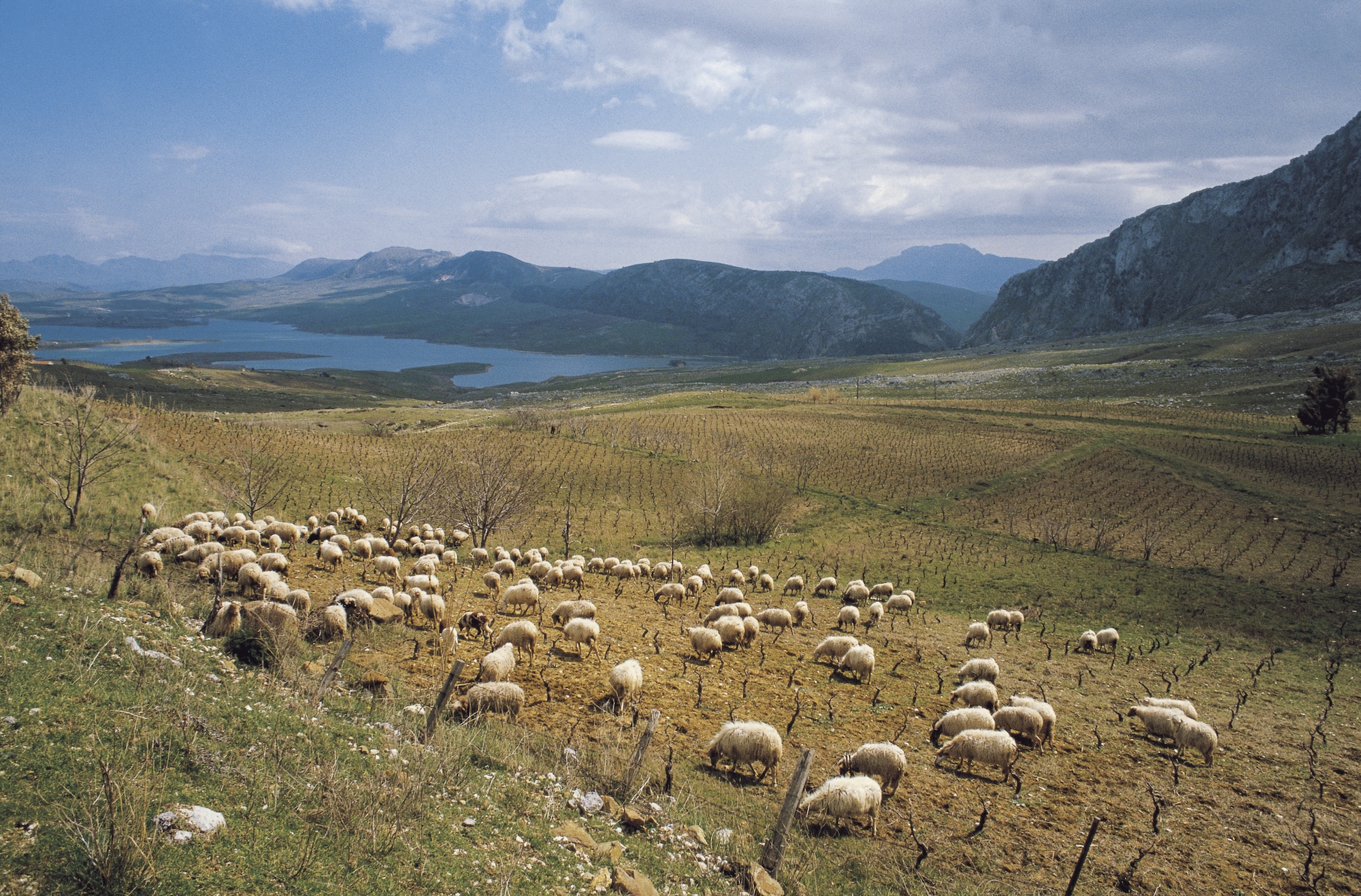
Giorgia Caruso always imagined her children one day inheriting the farm her family has tended for three generations, preserving a legacy that defines the very soul of Piana degli Albanesi. Perched on a fertile mountain plateau south of Palermo, this town is not merely a collection of homes; it is a living monument to the Arbëreshë, an Albanian ethnic minority who sought refuge here 500 years ago to escape the Ottoman conquest. For centuries, these settlers and their descendants have been the stewards of Sicily’s agricultural identity, providing the wheat and dairy that sustain the island’s most iconic culinary traditions, including the legendary ricotta used in world-renowned Sicilian cannoli. Today, however, the pastoral ideal is crumbling under the weight of an unforgiving, warming climate, forcing families like the Carusos to choose between their ancestral identity and their physical survival.

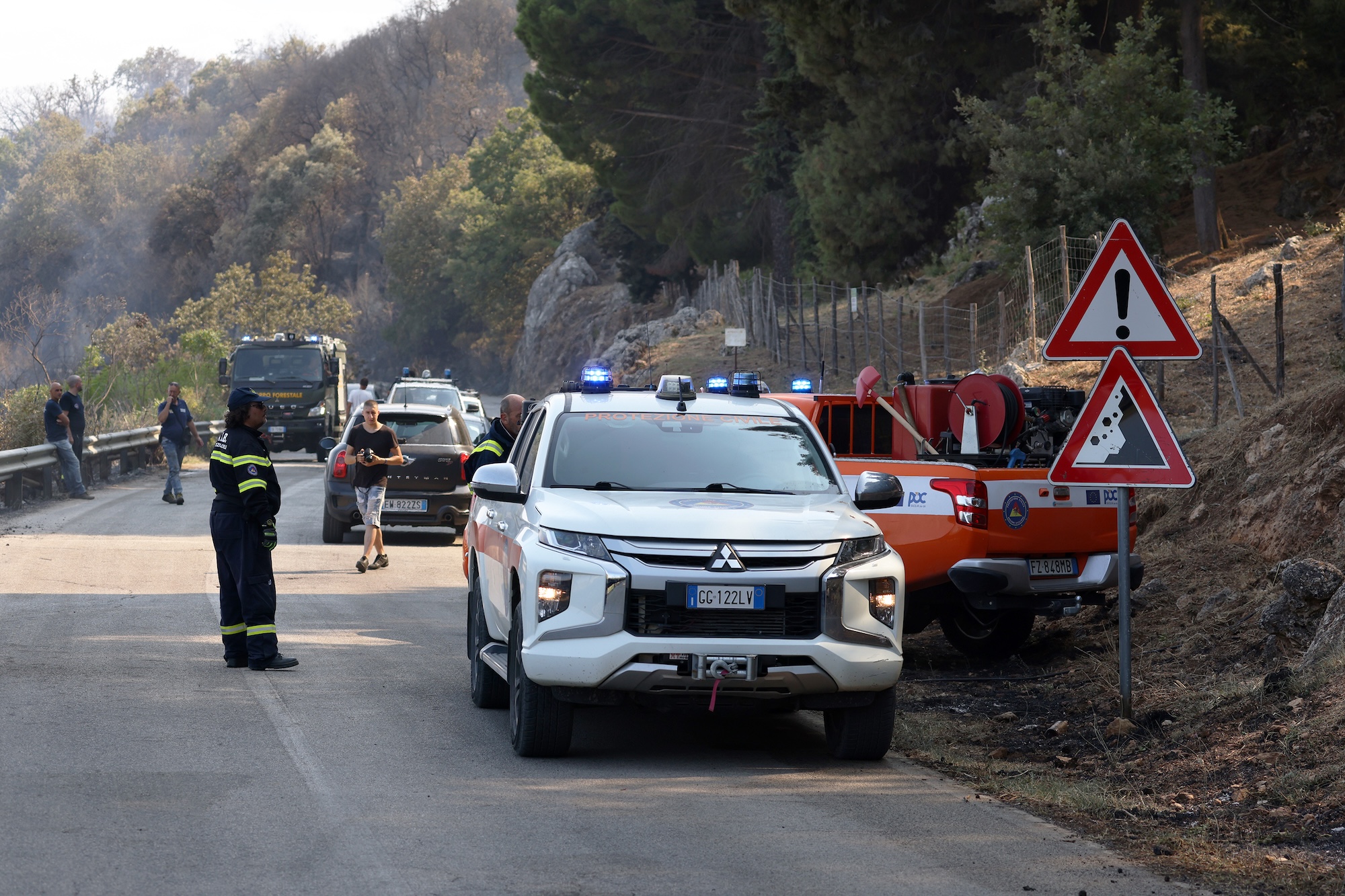
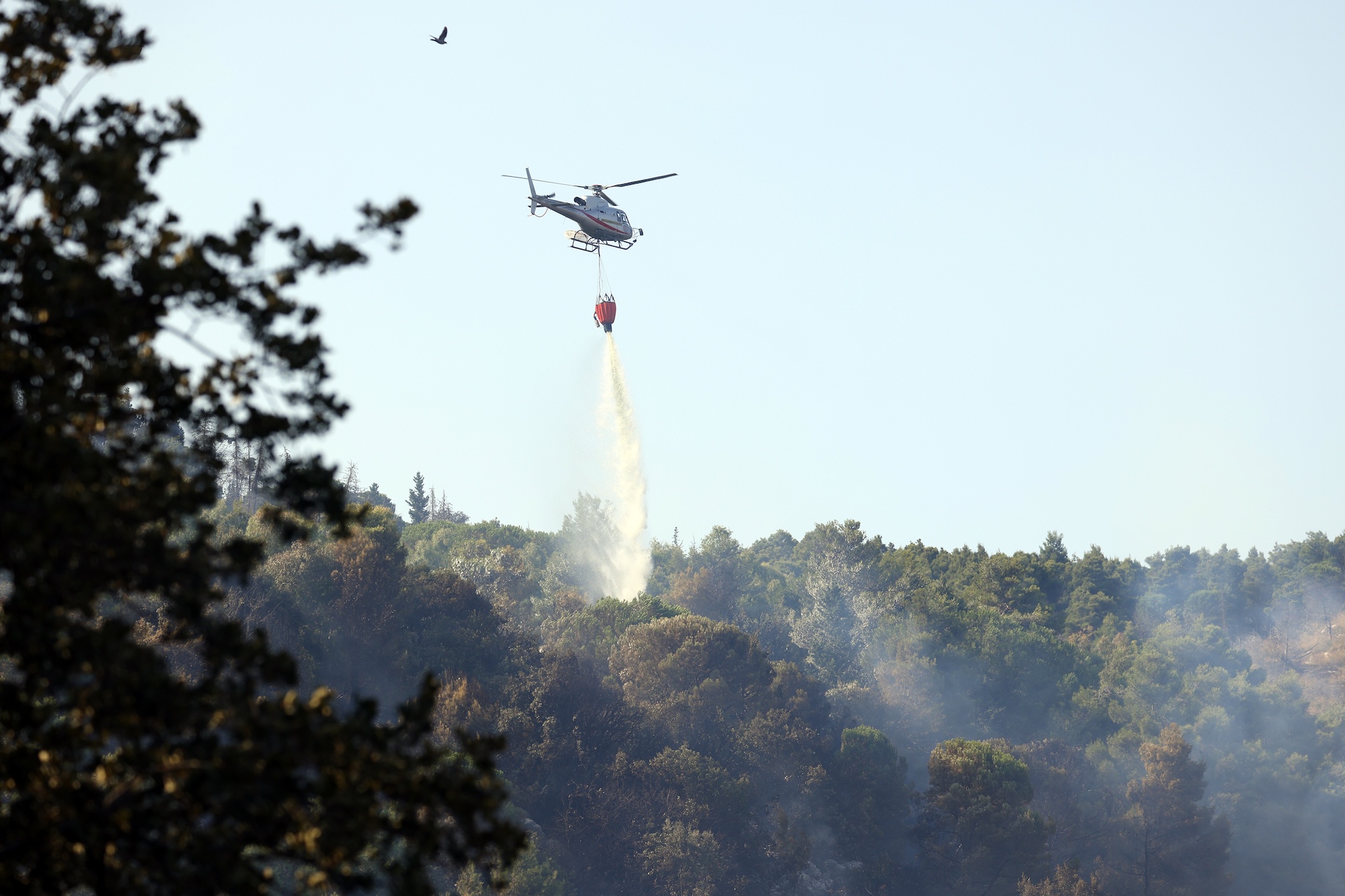
The crisis is not a sudden catastrophe but a slow-motion erosion of a way of life. As temperatures in the Mediterranean basin rise 20 percent faster than the global average, the once-reliable cycles of rain and harvest have been replaced by a cycle of drought and fire. For the people of Piana, the tipping point arrived in the late summer of 2023, when flames towering as high as three-story buildings swept through the plateau. The inferno claimed acres of historic farmland and nearly two dozen of the family’s sheep. For Caruso, the sight of her livestock perishing in the blaze transformed the farm from a heritage site into a liability.
A Chronology of a Disappearing Landscape
The transformation of the Piana region from a breadbasket into a fire-prone hazard zone is well-documented by meteorological and civil protection data. The last decade has seen an unsettling trend: average summertime temperatures have climbed to 85 degrees Fahrenheit, often accompanied by the desiccating scirocco winds blowing from Africa.
- 2015–2020: Piana begins to see a noticeable decline in agricultural yields, with farmers noting longer dry spells and an increased frequency of small, manageable brush fires.
- August 2021: A landmark wildfire displaces over 100 residents and signals a shift in the region’s vulnerability. Simultaneously, Sicily records a staggering European heat record of 119.8 degrees Fahrenheit.
- 2023: A series of devastating wildfires ravages the Palermo province, destroying infrastructure and thousands of acres of agricultural land, including the holdings of the Caruso and Scalora families.
- 2024: An official state of emergency is declared in Sicily due to an unprecedented water deficit, with reservoirs, including the one overlooking the town, hitting historic lows.
- 2025–2026: The exodus accelerates, with the town’s population dropping by nearly 17 percent since 2015, a rate of decline significantly sharper than the Sicilian average.
The Economic and Cultural Cost of Migration
The demographic shift is the most alarming indicator of the town’s decline. As farming—the backbone of the local economy—becomes increasingly untenable, the youth are leaving. This migration is not merely a loss of labor; it is the silent evaporation of a linguistic and cultural enclave. When a young person departs for Northern Italy, the United States, or beyond, the Arbëreshë language, a unique dialect of Albanian, often dies with them in the context of their daily life.
Giovanni Scalora, a fourth-generation farmer, observes this decline with a profound sense of mourning. He points to the dried-up reservoirs and the parched fields as the culprits. "If our lands burn, there are no jobs for us, no more homes," Scalora said. "It is a tragedy because if we disappear, a part of Sicily’s, Albania’s, and Europe’s cultural history vanishes with us." Scalora’s struggle is representative of the broader dilemma: he has attempted to pivot his operations by breeding cattle more resilient to heat, yet he acknowledges that even if he survives, the end product—the signature ricotta of Piana—will fundamentally change, severing the link to the traditional methods of his ancestors.
Governance and the Adaptation Gap
The response from the Italian state and the Sicilian regional government has been a point of significant contention. While regional officials have allocated 100 million euros to support farmers affected by the drought and to improve infrastructure, experts like Professor Christian Mulder of the University of Catania argue that these measures are insufficient and reactive rather than proactive.
"Climate change is aggravating the emptying of inner rural areas and forcing emigration," Mulder noted. He contends that the situation in Piana may be one of the first clear-cut examples of climate-driven cultural erasure in Europe. The European Environment Agency (EEA) has echoed this sentiment, emphasizing that adaptation strategies must specifically address the needs of ethnic minorities who live in geographically vulnerable regions. Currently, Piana degli Albanesi receives minimal targeted support compared to other larger municipalities, leaving the municipal administration to grapple with a global problem on a local budget.
Mayor Rosario Petta, who has served since 2022, is acutely aware that the town is on the brink of becoming a ghost town. His administration has shifted its focus toward economic diversification, specifically targeting the tourism sector. By leveraging the town’s historical and cultural connections to Albania, Kosovo, and the United States, Petta hopes to revitalize the local economy. However, this strategy is fraught with its own set of complications. Increased tourism often brings further pressure on water and electricity—resources that are already in critical short supply.
A Transatlantic Perspective: The Arbëreshë Diaspora
The connection between Piana and the outside world remains the town’s final lifeline. Anthony Plescia, president of the Arbëreshë of Sacramento association, represents a community of descendants who left Sicily over a century ago. Like many others, their ancestors fled the crushing poverty of the late 19th century, finding in California a climate and topography that mirrored their ancestral home.
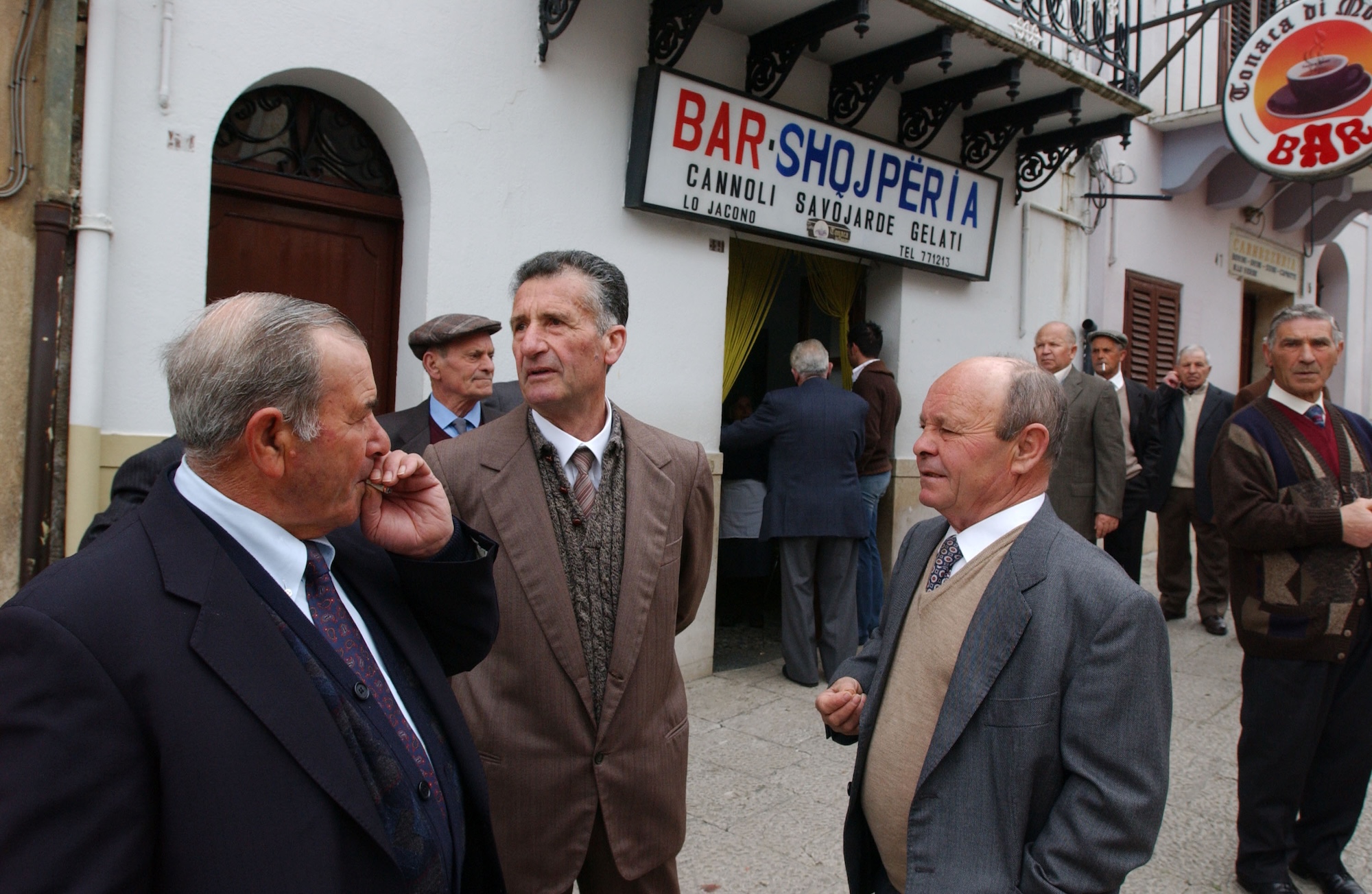
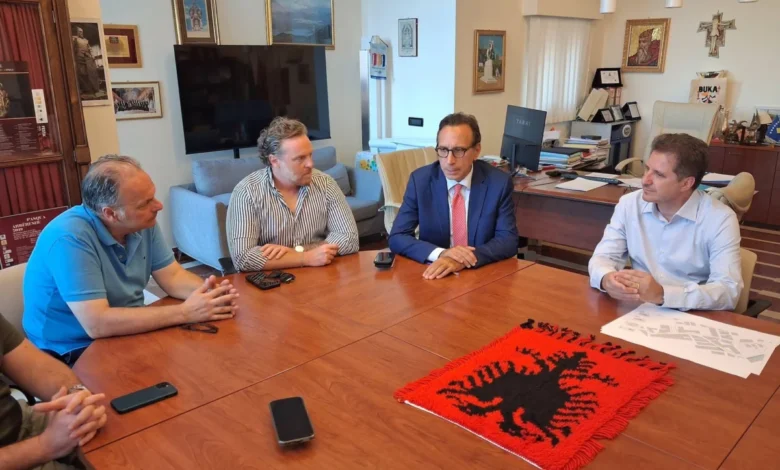
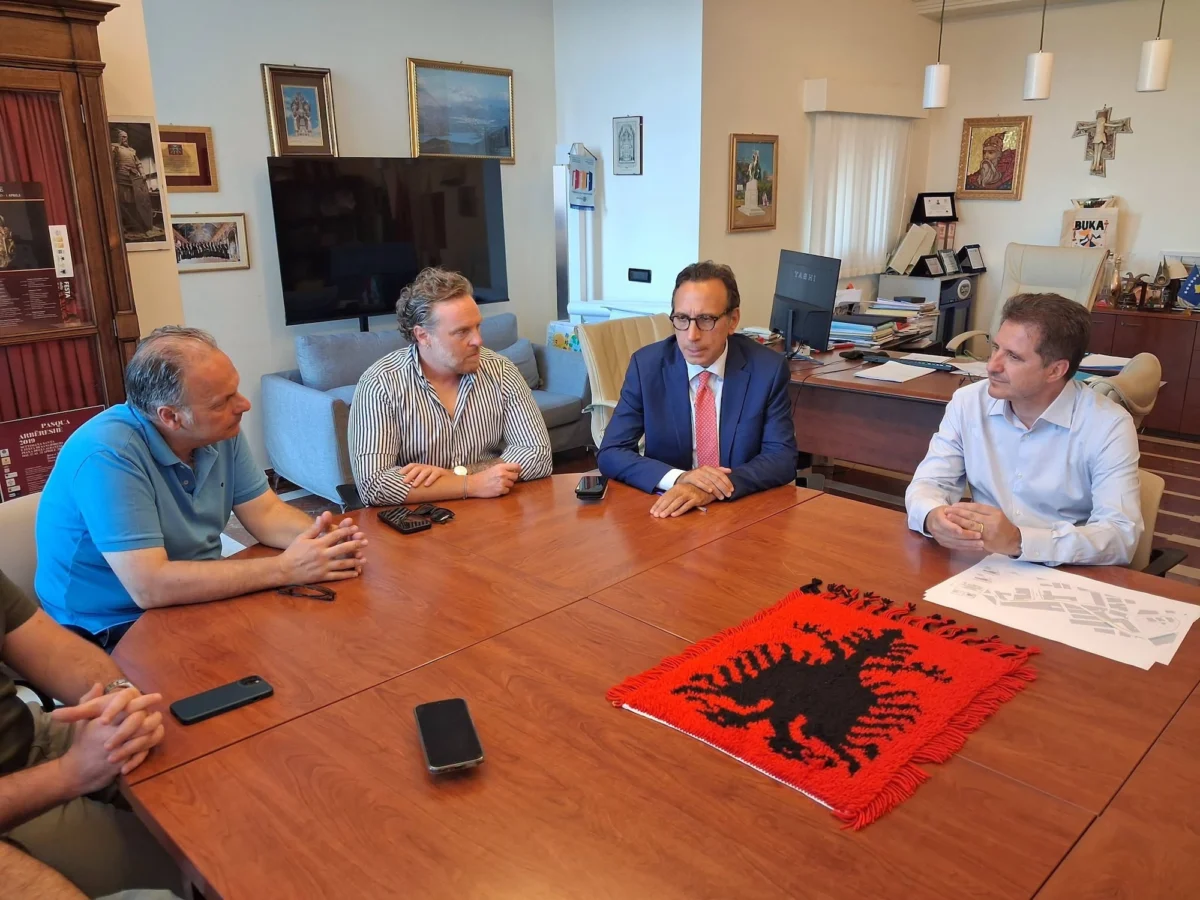
Plescia’s personal history reflects the trade-off of migration. While his family found stability and economic success in the United States, the price was the gradual thinning of their cultural heritage. "Losing touch with one’s past is often the price of safety and stability," Plescia admitted. During his recent visit to Piana in October, he discussed the formation of an international confederation to formalize ties between the diaspora and the motherland.
Such efforts, while noble, serve as a bittersweet reminder of the reality on the ground. For families like the Carusos, the future is already written. Giorgia Caruso, once the guardian of her family’s land, now encourages her daughters to look toward America. The dream of passing down the farm has been replaced by the dream of their safety.
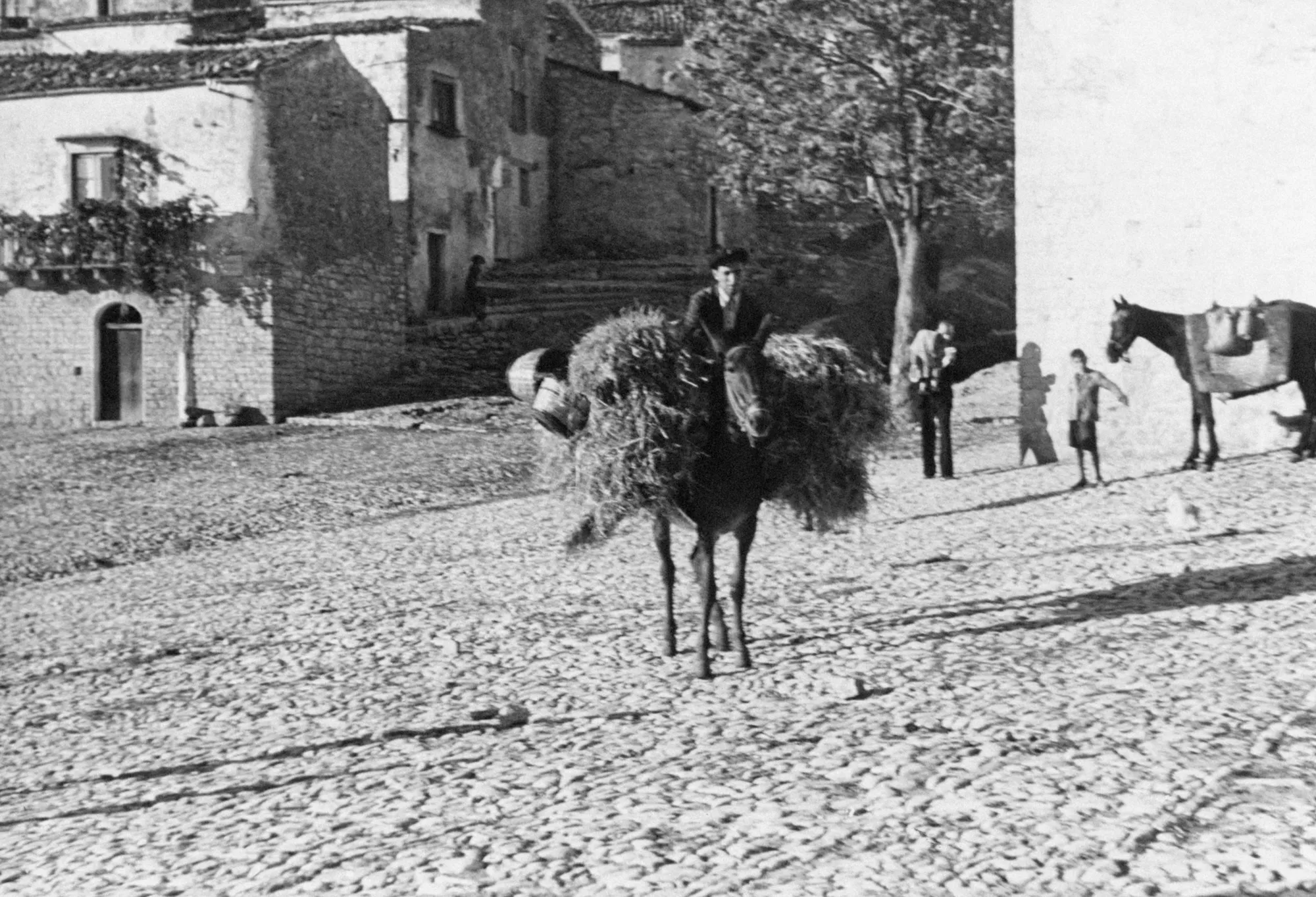
As the sun sets over the mountain plateaus of Piana, the murals of women in traditional attire in the Sheshi neighborhood watch over streets that are increasingly quiet. The resilience that allowed the Arbëreshë to survive 500 years of political and social upheaval is now being tested by a force that respects no borders and recognizes no history. Whether Piana degli Albanesi can adapt to the shifting climate or whether it will become a museum of a lost culture depends entirely on whether the international community and national governments are willing to treat the preservation of this unique minority as a priority rather than an afterthought. For now, the farmers of Piana continue to work, adapting their crops and their cattle, hoping that their history will not be reduced to stories told in parks thousands of miles away.
Related posts: