The Global Food System Crisis: Why the Workers Who Feed the World Are Left Behind

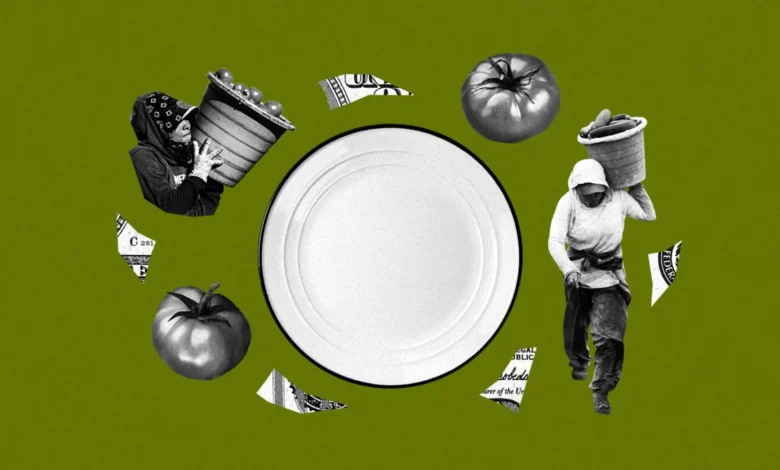
The global food system, a sprawling network that sustains 8 billion people, is built upon a foundation of profound inequity. From the fields where crops are harvested to the urban corridors where meals are delivered by app-based gig workers, the labor force responsible for the world’s nutrition faces a systemic crisis of exploitation. A comprehensive report released this week by the International Panel of Experts on Sustainable Food Systems (IPES-Food) reveals that 1.4 billion people—the producers, processors, distributors, and delivery personnel who keep humanity fed—are suffering under the weight of inadequate pay, systemic abuse, and a lack of fundamental workplace protections.
This crisis is not merely a byproduct of modern economics; it is an inheritance. The report highlights that the current model of food distribution is rooted in historical patterns of colonialism, land dispossession, and racialized labor systems. In the United States, this legacy remains visible in the reliance on low-wage agricultural labor and the precarious existence of delivery workers, many of whom are Indigenous migrants who have fled violence and climate-driven displacement in their home countries only to encounter new forms of precarity in the world’s wealthiest cities.
The Anatomy of Exploitation in the Gig Economy
In major metropolitan hubs like New York City, the vulnerability of food workers is starkly apparent. The "deliverista" workforce, often composed of Indigenous people from Guatemala and Mexico, navigates a dangerous landscape. These workers operate at all hours, braving extreme weather events, traffic hazards, and the constant threat of robbery. Yet, they remain largely excluded from the protections afforded to traditional employees.
Ligia Guallpa, a Kichwa leader and co-founder of the Worker’s Justice Project and Los Deliveristas Unidos, notes that the climate crisis has turned these workers into frontline responders. "When the city is hit with massive snowstorms, flooding, or the recent smoke fires, many deliveristas are the ones who are on the front lines doing this work and responding to the climate crisis in order to take care of New Yorkers," Guallpa explained. "But the reality is that often they cannot even take care of themselves."
The structural failures are quantifiable. Between 60 and 80 percent of food system workers operate in the informal economy, a higher percentage than in any other industry globally. These workers earn, on average, half as much as their counterparts in formal employment. Furthermore, more than 400 million workers—roughly 30 percent of the total food system labor force—receive wages that fall below the threshold of a living wage.
Historical Context and the Persistence of Colonial Legacies
The IPES-Food report emphasizes that the exploitation of food workers is not an accidental outcome of supply chain logistics but a reflection of deep-seated historical injustices. Raj Patel, an expert with IPES-Food and a professor at the University of Texas at Austin, underscores that the American agricultural system was explicitly built upon the theft of Indigenous land and the forced labor of enslaved people to ensure that the cost of food production remained artificially low.
"The legacy of that is still with us," Patel stated. This historical trajectory has created a cycle where Indigenous peoples, particularly those forced off their ancestral lands by industrial agriculture or climate change, find themselves with no choice but to enter the most exploitative sectors of the global labor market. For many, the choice is between starvation and the indignities of low-wage, high-risk labor.
This vulnerability is exacerbated by systemic discrimination. Teresa Chemosop, an Ogiek leader from Mount Elgon, Kenya, who coordinates the East Africa Indigenous Women-Led Assembly, reports that Indigenous workers frequently face dehumanizing treatment, including racial slurs and the denial of basic necessities like eating utensils while on the job.
The Devaluation of Traditional Expertise
One of the most insidious aspects of the current food system is the systematic dismissal of Indigenous and intergenerational agricultural knowledge. The report identifies that this expertise—which includes millennia of experience in cultivating drought-resistant crops and medicinal plants—is frequently categorized as "unskilled" labor. By labeling this knowledge as unskilled, corporations and policymakers justify stagnant wages and the lack of professional status for agricultural workers.
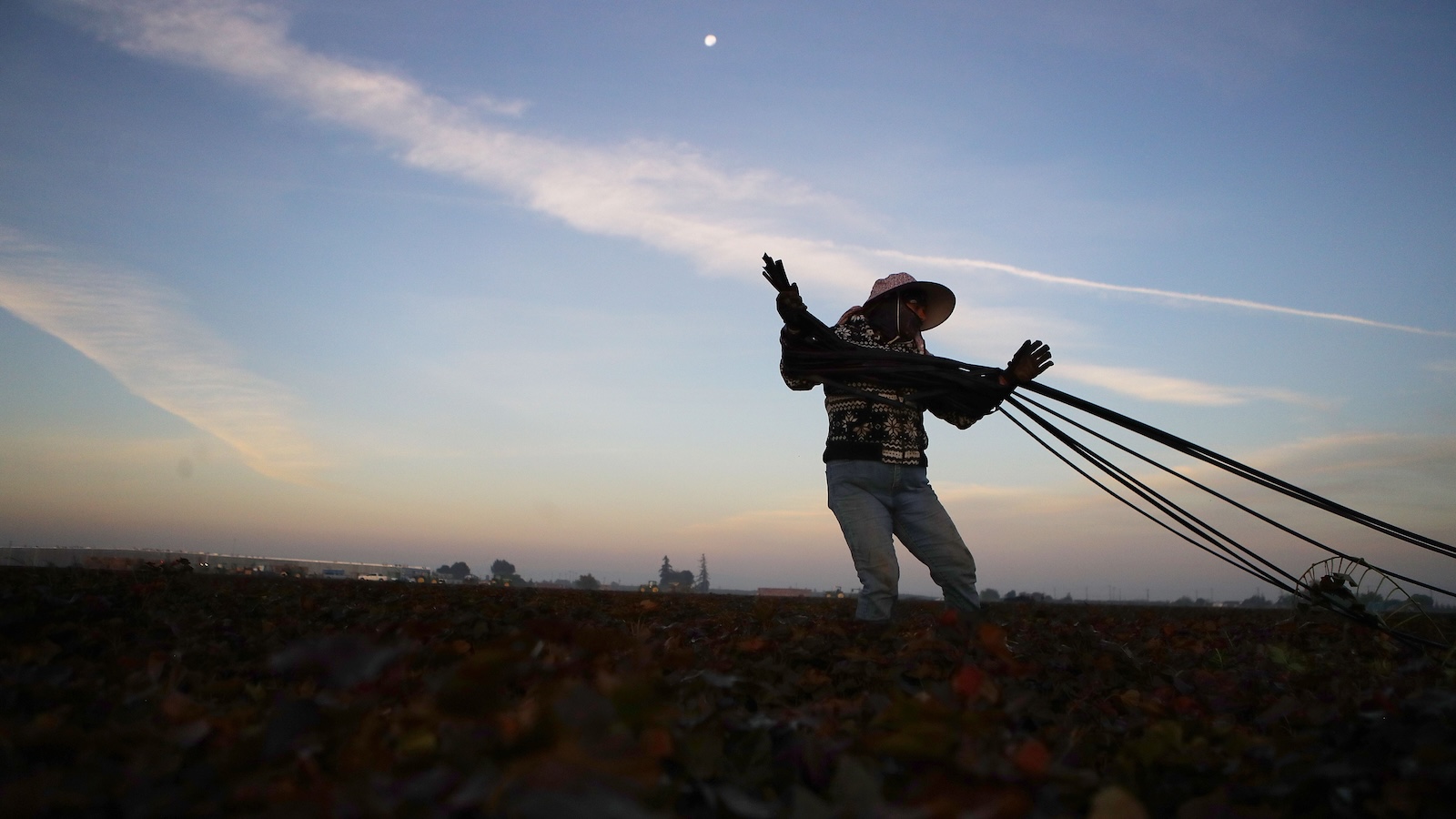
This categorization ignores the critical role that traditional ecological knowledge plays in climate adaptation. As the planet warms and traditional farming methods become increasingly vital for food security, the refusal to recognize the value of this expertise acts as a barrier to building a more resilient and equitable food system. The report calls for a paradigm shift: formal recognition of Indigenous agricultural expertise must be integrated into labor policy and economic frameworks.
Data and Trends: A Global Snapshot of Forced Labor
The scale of the crisis is immense. The report estimates that 2.1 million people in the agricultural sector are currently working under conditions of forced labor. Migrant workers, who comprise roughly 25 percent of the global agricultural workforce, face a triple burden: they are three times as likely as their peers to experience forced-labor conditions and face a significantly higher mortality rate on the job.
The chronicity of these abuses suggests that the food system relies on the invisibility of its workers. During the COVID-19 pandemic, the world lauded healthcare professionals as essential workers, yet the food delivery and processing workers who ensured that hospitals and homes remained stocked were largely relegated to the shadows. As Guallpa observed, "Immigrant workers, who do some of the most dangerous, dirtiest jobs, often go unseen and often are invisibilized."
Policy Implications and the Path Toward Reform
The IPES-Food report concludes that the notion of a trade-off between affordable food and fair wages is a false choice maintained by corporate interests. The study argues that the global food system can be restructured to prioritize human rights without necessitating exorbitant price increases for consumers.
Proposed solutions include:
- Strengthening Worker Power: Supporting collective bargaining and unionization, as seen in the successes of groups like Los Deliveristas Unidos.
- Standardizing Protections: Implementing universal health and safety standards that apply to informal and gig-based food workers, including access to restrooms, heat-related safeguards, and insurance.
- Migrant Rights: Establishing legal frameworks that ensure equal rights and protections for migrant workers, regardless of their status.
- Corporate Regulation: Reining in the immense power of multinational food conglomerates that dictate the terms of labor for millions.
The Role of Grassroots Organizing: A Case Study in New York
The experience of Los Deliveristas Unidos offers a blueprint for what is possible when workers organize. By creating mutual aid networks and engaging in direct advocacy, the group has successfully secured minimum wage protections and other safety nets for New York’s delivery workers. Their progress proves that even in an era of multi-billion-dollar tech corporations, local and regional regulation can effectively tilt the scales toward justice.
"It is possible to give gig workers or independent contractors the ability to earn better pay, to ensure that workers have better working conditions," Guallpa noted. "It is possible to regulate multi-billion-dollar corporations. There’s a lot more to do, but I think it can be applied in every city."
As climate change continues to destabilize ecosystems and agricultural production, the fragility of the food system will only increase. The IPES-Food report serves as both a warning and a call to action. The choice to ignore the welfare of the world’s food producers is a choice with long-term consequences for global stability. "We can manage all of this, and we will have to manage all of this because climate change isn’t getting better," Patel concluded. "But we have choices about protecting workers, and we’re choosing not to do any of those things."
The path forward requires a fundamental recognition that food is not merely a commodity, but a human right that is inextricably linked to the dignity of the labor required to produce it. Without a drastic realignment of priorities, the individuals who feed the world will continue to be the most underserved participants in the very system they sustain.