The Empty Promises of Global Climate Finance: A Post-Mortem on the COP31 Collapse and the Nepal Tragedy

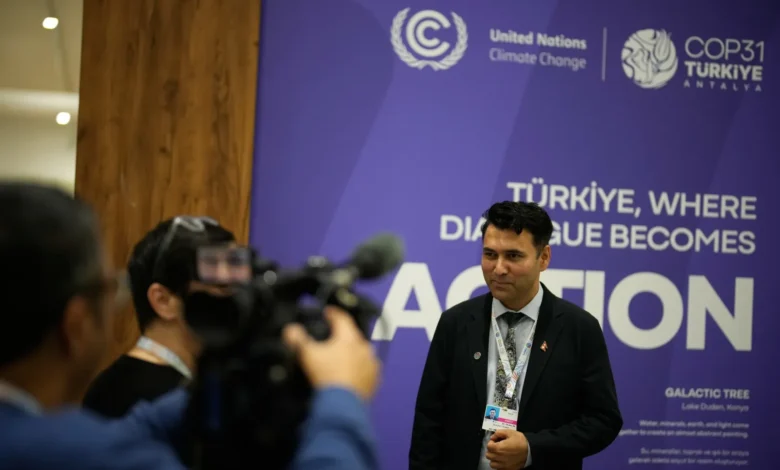
When nearly 200 nations ratified the Paris Agreement in 2015, the accord was framed as a historic compact for planetary survival. At its core lay a fundamental promise: a massive, sustained transfer of wealth from the world’s wealthiest, most carbon-intensive economies to the developing nations currently bearing the brunt of a warming climate. This financial architecture was intended to provide grant-based support for renewable energy transitions, the construction of resilient infrastructure, and, crucially, compensation for the "loss and damage" caused by climate-induced disasters. Nearly a decade later, the reality has diverged sharply from the rhetoric, culminating in the profound diplomatic failure of COP31 in Antalya, Turkey.
A Chronology of Broken Commitments
The trajectory toward the current impasse was established long before the Antalya summit. The 2015 Paris Agreement emphasized a "progression beyond previous efforts," yet the subsequent years have been defined by a cycle of unfulfilled pledges.
- 2015: The Paris Agreement is signed, setting the stage for developed nations to mobilize "new and additional" financial resources.
- 2022: Under intense pressure from the Global South, the Loss and Damage Fund is officially established at COP27. However, the mechanism lacks a clear funding mandate or legal enforcement, remaining an empty shell for years.
- August 2026: A catastrophic glacial collapse in Nepal’s Bhotekoshi region triggers massive flooding. Over 1,400 lives are lost, and 5,000 people are reported missing. Economic damages are estimated at $4.8 billion—roughly 10 percent of the nation’s annual GDP.
- October 2026: Following an emergency appeal, the nascent Loss and Damage Fund board allocates a mere $20 million to Nepal—less than 0.5 percent of the required recovery costs.
- November 2026: COP31 in Antalya concludes without an overarching final agreement, marking the second time in two decades that the UN process has failed to reach a consensus.
The Financial Chasm
The fiscal reality of climate finance remains stark. While developed nations have pointed to a goal of $300 billion annually by 2035, much of the capital provided to date has been in the form of interest-bearing loans rather than the grants promised in Paris. This dynamic has left developing countries, already struggling with debt, to finance their own recovery from disasters they did not create.
The Loss and Damage Fund, intended to be a lifeline for nations like Nepal, is currently struggling with severe undercapitalization. It has received only $800 million in total pledges since its inception—a figure eclipsed by the $2.8 billion requested by 119 countries during the most recent application cycle. By contrast, the Green Climate Fund, which focuses on broader decarbonization, has seen significantly higher investment, yet it too remains chronically underfunded relative to global requirements.
This systemic shortage has forced countries to seek alternative routes. In a notable display of regional leadership that bypassed the UN process entirely, India announced a $1.6 billion aid package for Nepal shortly after the conclusion of COP31. This contribution, while vital, underscores a shift away from multilateral reliance toward bilateral or regional support, as the UN framework struggles to maintain its credibility.
The Failure of Early Warning Systems
The disaster in Nepal has also served as a sobering indictment of the "Early Warnings for All" initiative. While the UN has set a 2027 deadline to ensure every person on Earth is protected by advanced weather-sensing technology, the reality on the ground in high-altitude, climate-vulnerable regions remains primitive.
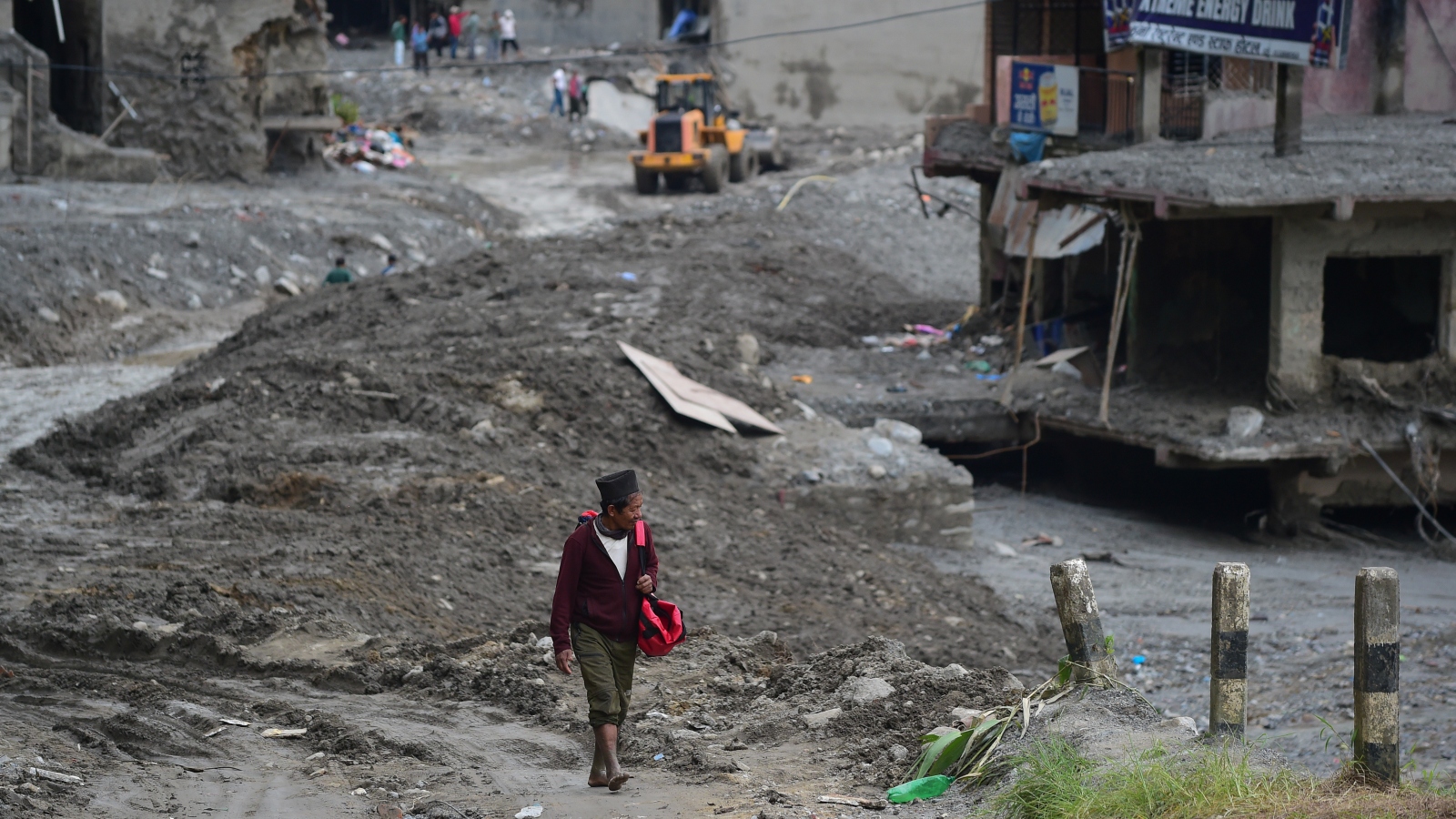
The flood detection sensors in the Bhotekoshi region, which were intended to provide advance notice of rising water levels, failed during the August event. Because the flood occurred at an extreme velocity—common in glacial lake outburst floods (GLOFs)—the sensors were destroyed before they could transmit alerts. Experts, including Nepali climate scientist Dharam Uprety, argue that standard river gauges are insufficient for the unique threats posed by melting permafrost and shifting mountain topographies. The technological infrastructure required to mitigate these risks—such as high-resolution satellite monitoring—remains prohibitively expensive for nations currently focused on basic post-disaster reconstruction.
The Geopolitical Impasse
The breakdown at COP31 was not merely about money; it reflected a deepening divide over the future of fossil fuels. Negotiators from the Global North, citing domestic fiscal constraints and political instability, have consistently resisted calls for the massive scaling of public-grant-based finance. Conversely, developing nations maintain that the transition away from coal, oil, and gas is economically impossible without significant, no-strings-attached financial support.
This friction was on full display in Antalya. A proposed "cover decision"—a document summarizing the summit’s progress—included language acknowledging the unique vulnerabilities of mountain regions. However, this clause was caught in the crossfire between nations demanding more aggressive fossil fuel phase-outs and those resisting such commitments. When over 130 countries rejected the broader text, the mountain nations lost their only platform for formal recognition of their existential risks.
Implications for the Multilateral Process
The collapse of the Antalya talks has left the international climate community in a state of introspection. For leaders from the Least Developed Countries (LDC) bloc, the failure to secure even minor concessions on mountain climate research is seen as a sign of the UN process becoming "unfit for purpose."
Manjeet Dhakal, an advisor to the LDC chair, noted that the bureaucratic delay in accessing even minimal emergency funds creates a "dead-on-arrival" scenario for disaster response. "If we cannot respond to the urgency of a tragedy of this scale, then the process is obviously not healthy," Dhakal said. The fact that the fund requires extensive application processes for post-disaster relief—when countries are in the midst of humanitarian crises—highlights a disconnect between diplomatic procedure and the brutal realities of climate change.
Looking Forward
Despite the mounting evidence of failure, many observers argue that there is no viable alternative to the multilateral process. For nations like the Solomon Islands—which recently made a symbolic $400,000 pledge to the Green Climate Fund to highlight the inaction of wealthier nations—the UN, for all its flaws, remains the only forum where small, vulnerable states have a voice.
However, the "shameful failure" of COP31 suggests that the current model of voluntary pledges is reaching its limit. If the international community cannot bridge the gap between its ambitious environmental goals and its actual financial commitments, the credibility of the Paris Agreement may be permanently eroded. As the frequency of disasters like the Nepal glacial collapse increases, the cost of inaction will continue to grow, not just for the mountain communities of the Himalayas, but for the stability of the entire global financial and diplomatic order. The path forward remains unclear, but the message from Antalya is undeniable: the world is currently, and catastrophically, behind on its promise to protect those most vulnerable to the climate emergency.