COP31 Collapse in Antalya Signals a Dangerous Turning Point for Global Climate Governance

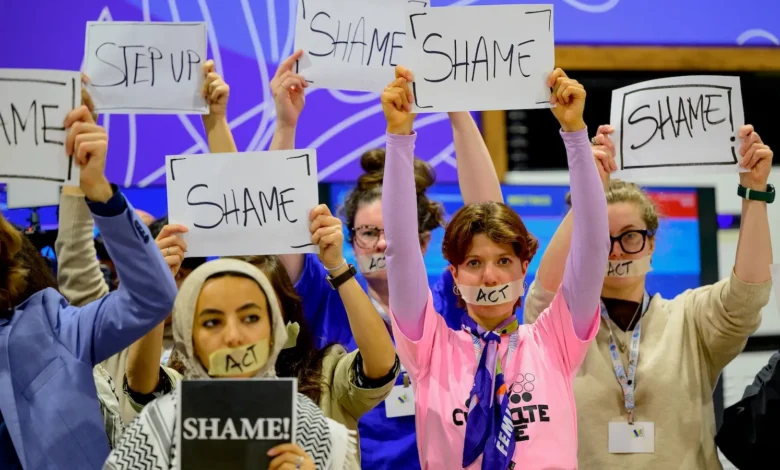
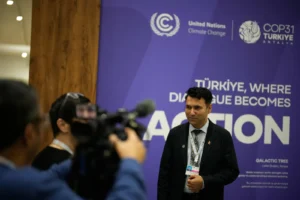
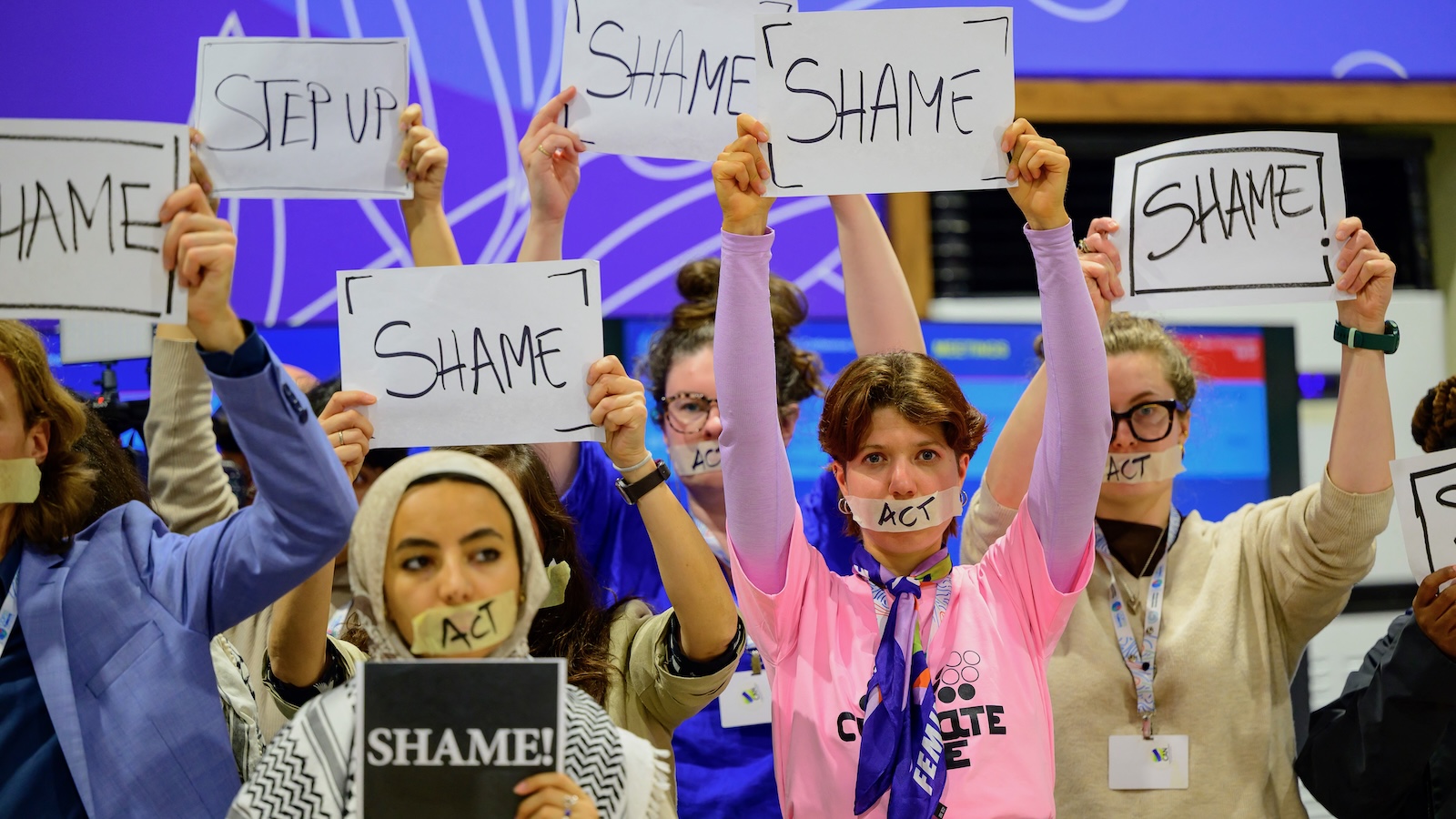
The 31st Conference of the Parties (COP31) in Antalya, Turkey, concluded this week in an unprecedented state of disarray, marking the first time since the 2009 Copenhagen summit that the high-level political process has essentially collapsed. What was billed by many as an "implementation COP"—a conference intended to solidify the logistical framework for climate action—ended after a record-breaking 50 hours of overtime negotiations without a unified cover decision. The failure to secure a consensus among nearly 200 nations has ignited a fierce debate regarding the viability of the United Nations’ consensus-based model in an era defined by intensifying climate disasters and deepening geopolitical fragmentation.
The breakdown was triggered when a coalition of over 90 nations, including the European Union, the United Kingdom, and the Marshall Islands, rejected the final draft of the Antalya Pact. The primary grievance was the omission of any explicit reference to "fossil fuels," the primary driver of anthropogenic climate change. Furthermore, the draft failed to provide concrete mechanisms for climate finance, leaving the most vulnerable nations without the support systems promised at previous summits.
A Chronology of Failure
The negotiations in Antalya began with cautious optimism, but the atmosphere deteriorated rapidly as the conference progressed. By the second week, it became clear that the dual-presidency model, shared between Turkey and Australia, was struggling to bridge the widening ideological chasm between industrialized nations, vulnerable small island states, and a powerful bloc of petrostates.
The following timeline illustrates the descent into gridlock:
- Week One (Opening Days): Delegations arrived with high hopes for finalizing the "35 by 35" electrification pledge—an initiative aiming to have 35 percent of global energy demand met by electricity by 2035.
- Day 8: Tensions surfaced over the "cover decision" document. While the presidency pushed for a concise summary, nations like Russia and Saudi Arabia actively campaigned against the inclusion of any language that would reaffirm the COP28 pledge to "transition away" from fossil fuels.
- Day 12 (Scheduled Conclusion): Formal negotiations ended without a deal. The summit entered into what would become the longest overtime period in COP history, spanning 50 additional hours of closed-door huddles.
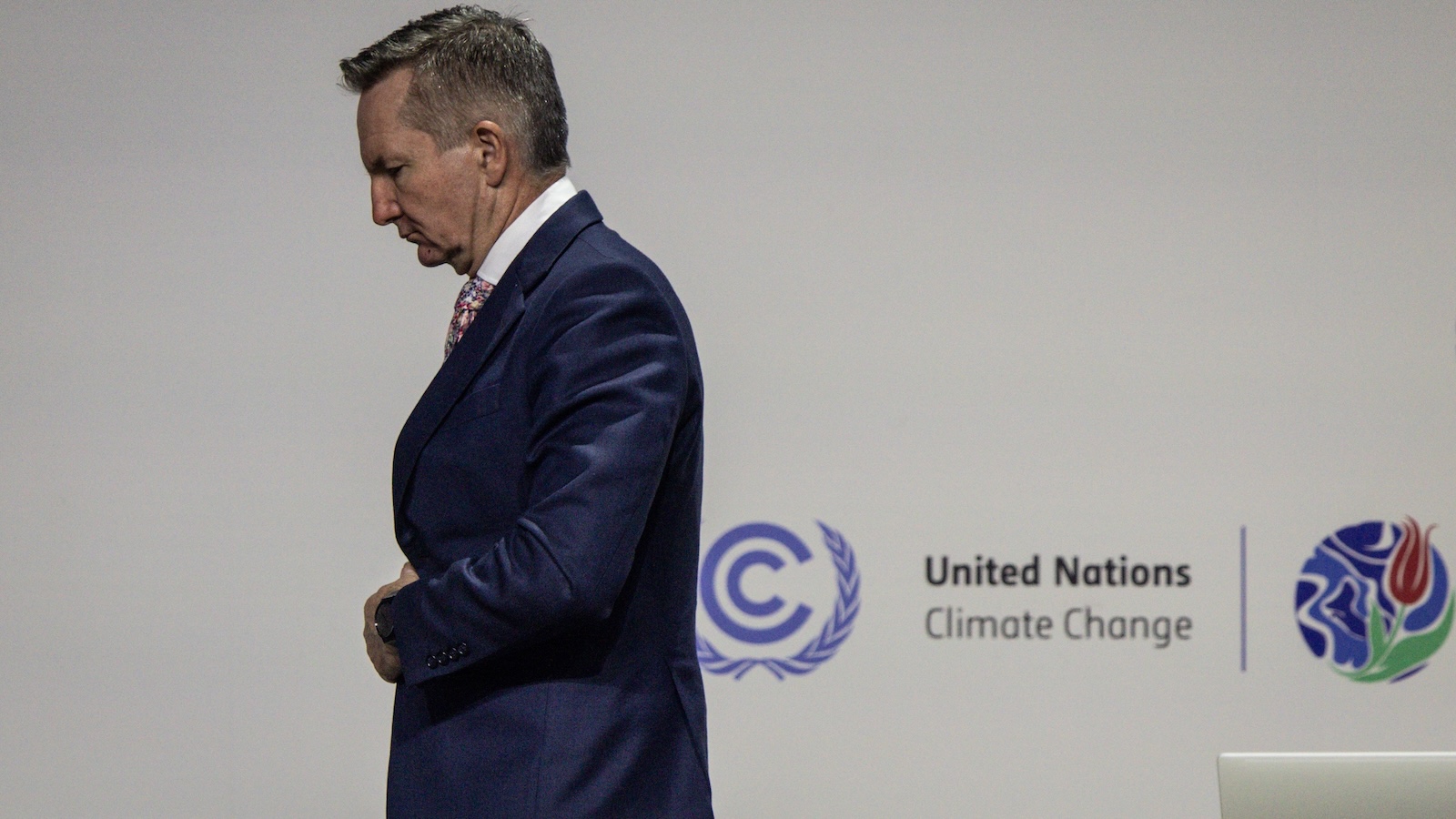
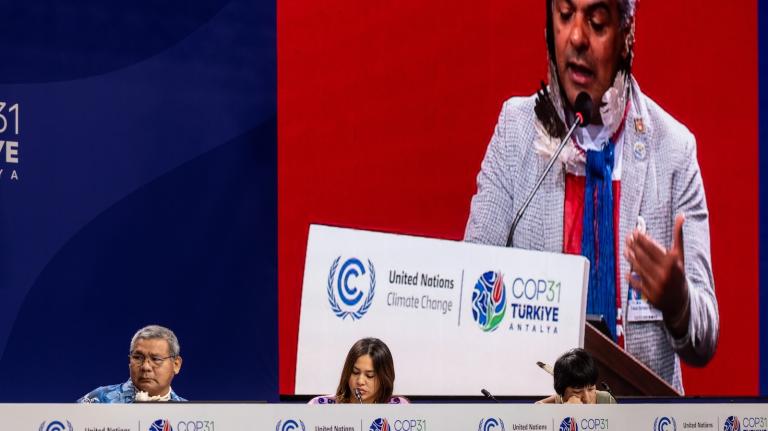
- Day 14 (The Collapse): The Irish climate minister, Darragh O’Brien, delivered a stinging rebuke during the closing plenary, stating that the EU could not endorse a document that ignored the fundamental cause of the climate crisis. The conference was declared a failure shortly thereafter.
The Influence of Petrostates and Lobbying
The failure to include meaningful language on fossil fuels was not accidental; it was the result of a calculated effort by a coalition of fossil-fuel-exporting nations. Despite the global scientific consensus—backed by the Intergovernmental Panel on Climate Change (IPCC)—that rapid decarbonization is required to stay within the 1.5 degrees Celsius threshold, these nations successfully blocked key provisions.
Adding to the controversy was the presence of industry lobbyists. Reports from the ground indicated that over 700 delegates associated with carbon capture, utilization, and storage (CCUS) interests were registered for the event. Critics argue that this presence, which outnumbered the collective delegation of G7 nations, served to dilute the ambition of the talks by promoting CCUS as a "false solution." Experts from the Massachusetts Institute of Technology have pointed out that between 1972 and 2018, nearly 90 percent of planned CCUS projects either never materialized or were repurposed for enhanced oil recovery, effectively extending the lifespan of fossil fuel extraction.
The Finance Gap and the Credibility Crisis
Climate finance remains the most contentious pillar of the U.N. process. The Adaptation Fund, which is vital for nations on the front lines of extreme weather, received a mere $50 million in new pledges during COP31—a fraction of its annual requirement.
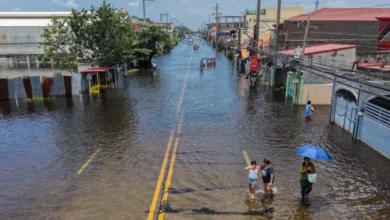
The lack of financial commitment from the host nations and other wealthy countries drew sharp criticism from the Global South. Sierra Leone’s environment minister, Jiwoh Emmanuel Abdulai, highlighted the disconnect between the diplomatic jargon inside the plenary halls and the reality of farmers losing harvests and communities being displaced by record-breaking floods. This perception of hypocrisy—where wealthy nations demand ambitious emissions reductions from others while failing to fund the necessary transition—has severely damaged the trust required for multilateral cooperation.
Scientific Context: The Era of Overshoot
The collapse of COP31 occurs against a backdrop of escalating planetary instability. 2026 has been marked by extreme heat, devastating wildfire seasons in North America and Asia, and a persistent El Niño event that continues to push global temperatures toward the "overshoot" threshold. The world is teetering on the edge of permanently exceeding the 1.5-degree limit, yet the diplomatic apparatus tasked with mitigating this risk appears paralyzed.
While the draft texts did express "deep concern" regarding the breach of the 1.5-degree limit, the inability to agree on a timeline for the next IPCC assessment report—partly due to objections from Saudi Arabia—means that the international community lacks a synchronized scientific roadmap for the coming years.
Implications for the Future of Climate Diplomacy
The aftermath of the Antalya summit has prompted a fundamental question: Is the UNFCCC process, which requires near-unanimous consent, still fit for purpose?
The current rules of procedure allow a handful of countries to hold the entire global agenda hostage, a structural flaw that many believe is incompatible with the urgency of the climate crisis. Legal experts and climate diplomats are now discussing potential reforms to the U.N. treaty process. Suggestions range from moving to a qualified majority voting system to more aggressive side-agreements among coalitions of the willing.
The head of the U.N. climate treaty has indicated that he will seek external advice on how to reform the decision-making process before the next COP in Addis Ababa, Ethiopia. However, the path forward is fraught with risk. If the U.N. fails to provide a venue for meaningful progress, the world may see a further fracturing of climate action, with regional blocs opting to create their own standards and agreements outside the formal U.N. framework.
Moving Beyond the Plenary Hall
Despite the stagnation in Antalya, there are signs that momentum is shifting elsewhere. In the absence of a global agreement, sub-national and regional cooperation is accelerating. The conference in Santa Marta, Colombia, earlier this year, which focused specifically on the fossil fuel phase-out, serves as a template for what some call "climate clubs."
Nearly 30 countries are currently developing national roadmaps to transition away from fossil fuels, independent of the UNFCCC’s consensus mandates. This "action-first" approach may eventually bypass the gridlock that currently plagues the COP process. As French minister for the ecological transition, Monique Barbut, noted, the movement to decarbonize is no longer confined to the halls of international summits; it has become an economic and political imperative that will continue to move forward, with or without the formal sanction of a unanimous U.N. pact.
The task facing the COP32 presidency in Ethiopia is monumental. Beyond the technical challenges of reconciling disparate interests, the organizers must undertake the difficult work of restoring faith in a system that many now perceive as being in terminal decline. The failure of COP31 will likely be remembered as the moment the international community was forced to confront the reality that diplomacy, while necessary, is no substitute for the rapid, real-world deployment of clean energy and the tangible financing of a sustainable global future.