New York Finalizes Landmark All-Electric Buildings Mandate to Phase Out Fossil Fuels in New Construction

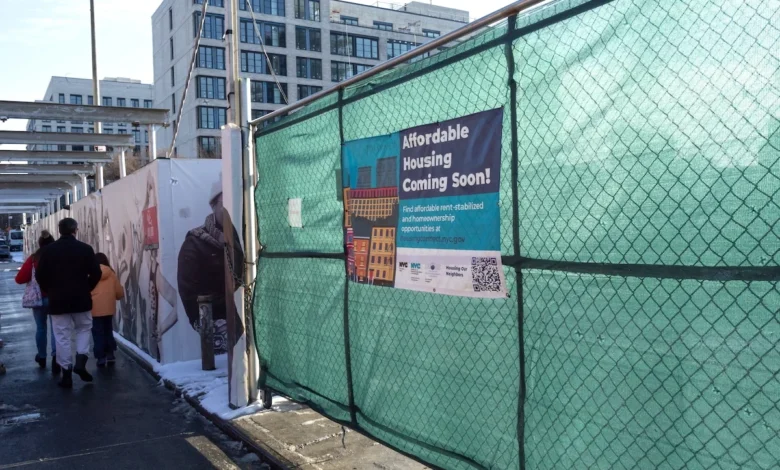
In a historic shift for the American energy and construction landscapes, New York has officially become the first state in the nation to finalize a comprehensive mandate requiring most new buildings to be constructed as all-electric. The move, which effectively bans the installation of fossil fuel infrastructure such as natural gas hookups in new developments, was cemented in late July 2025 following the final approval of the New York State Fire Prevention and Building Code Council. This regulatory milestone transforms the 2023 All-Electric Buildings Act from a legislative ambition into an enforceable building code, setting a definitive timeline for the decarbonization of the state’s built environment.
The finalized rules establish a phased implementation strategy designed to transition the construction industry toward electric heating, cooling, and cooking technologies. According to the mandate, residential buildings up to seven stories tall and commercial or industrial buildings under 100,000 square feet must comply with the all-electric requirements if their initial building permit applications are approved on or after December 31, 2025. For larger structures, including commercial and industrial buildings exceeding 100,000 square feet, the deadline is extended to 2029, allowing developers of massive complexes additional time to navigate the technical complexities of high-capacity electric systems.
The Path to Decarbonization: A Chronology of Policy and Law
The journey toward this mandate began in earnest with the passage of the Climate Leadership and Community Protection Act (CLCPA) in 2019, which set some of the most aggressive climate goals in the United States, including an 85% reduction in greenhouse gas emissions by 2050. Recognizing that the building sector is a primary contributor to the state’s carbon footprint, climate advocates and progressive lawmakers pushed for the All-Electric Buildings Act, which Governor Kathy Hochul signed into law as part of the state budget in May 2023.
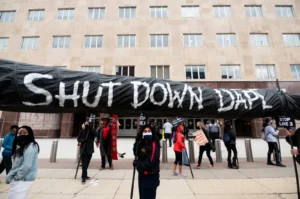
However, the path to implementation was fraught with legal hurdles. In 2023 and 2024, the fossil fuel industry and various building trade groups launched legal challenges, hoping to replicate a victory seen in Berkeley, California. In the Berkeley case, the U.S. Court of Appeals for the Ninth Circuit overturned a local gas ban, ruling that it was preempted by the federal Energy Policy and Conservation Act (EPCA).
The New York mandate faced a similar test in the U.S. District Court for the Northern District of New York. In July 2025, just weeks before the code council’s final vote, a federal judge ruled in favor of the state, concluding that New York’s approach—which focuses on building codes and state-regulated energy standards—did not run afoul of federal law. This judicial green light was the final catalyst needed for the State Fire Prevention and Building Code Council to incorporate the requirements into the state’s official energy code.
Environmental and Public Health Imperatives
The primary driver behind the all-electric mandate is the urgent need to address the climate crisis. In New York, the "built environment"—comprising residential, commercial, and industrial structures—accounts for approximately 31% of the state’s total greenhouse gas emissions. This is largely due to the combustion of methane (natural gas) and heating oil for space heating and water heating. By mandating electric heat pumps and induction stoves, the state aims to drastically reduce its reliance on volatile fossil fuel markets while aligning with its long-term carbon neutrality goals.
Beyond carbon emissions, the transition to all-electric buildings is expected to yield significant public health benefits. Studies have increasingly linked gas stoves to indoor air pollution, specifically the release of nitrogen dioxide and particulate matter, which are known triggers for childhood asthma and other respiratory conditions. By eliminating combustion within the home, the new building code is projected to improve indoor air quality for millions of future residents.
Economic Implications for Homeowners and Developers
While critics of the mandate have frequently cited concerns regarding the "upfront" costs of electric construction, data from the New Buildings Institute and other environmental economic groups suggest a different reality. Analysis indicates that building 100% electric single-family homes can actually result in construction savings of between $7,500 and $8,200 per unit, primarily because developers no longer need to pay for the installation of gas mains, service lines, and internal piping.
For the end-user, the long-term savings are equally notable. State reports suggest that residents in all-electric homes could see their energy usage drop by approximately 17%. Over a 30-year period, this efficiency, combined with the relative price stability of electricity compared to fossil fuels, is expected to save the average household nearly $5,000 in utility costs.
"New York just became the first state to bar fossil fuels in most new buildings," noted Canary Media in a statement following the decision. "It’s a win for the climate and a win for owners’ utility bills."

Exceptions and Technical Considerations
The New York State Assembly and the Building Code Council have acknowledged that certain industries and facility types face unique challenges that make immediate electrification impractical. As a result, the mandate includes several key exemptions. These include:
- Agricultural Buildings: Structures used primarily for farming operations.
- Medical Facilities: Hospitals and urgent care centers that require specific redundant energy systems.
- Laboratories and Crematoriums: Facilities with high-heat requirements or specific chemical processing needs.
- Commercial Kitchens and Restaurants: While residential stoves must be electric, some commercial food service establishments may receive exemptions based on specific operational criteria.
- Critical Infrastructure: Including emergency backup power systems and wastewater treatment plants.
Additionally, the law includes a "grid readiness" clause. If a local utility provider can demonstrate that the electrical grid in a specific area lacks the capacity to support an all-electric development without compromising reliability, the requirement may be temporarily waived or delayed for that specific project.
Reactions from Stakeholders
The finalization of the rule has elicited passionate responses from both supporters and detractors. Environmental justice groups, who have long advocated for the removal of fossil fuels from low-income communities, hailed the decision as a landmark victory.
Dawn Wells-Clyburn, executive director of PUSH Buffalo, emphasized the social impact of the ruling: “The fossil fuel industry was sent a powerful message by the court in this case—the health, well-being, affordability, and prosperity of our communities matters more than the industry’s profits and the hollowness of its fear-mongering. The All-Electric Buildings Act remains a powerful victory in the fight for our lives.”
Alex Beauchamp, Northeast region director at Food & Water Watch, echoed this sentiment, highlighting the grassroots effort required to overcome industry lobbying. “When New Yorkers come together… we can win even in the face of opponents with an almost-limitless budget,” Beauchamp told Canary Media. “That is how we won this bill. It’s also how we are going to continue the fight to get fossil fuels out of all the existing buildings in the state.”
Conversely, some industry groups remain wary. Trade organizations representing gas utilities and certain segments of the construction industry have expressed concerns about the strain on the electrical grid and the potential for increased demand during peak winter months. Some of these groups have reportedly requested the U.S. Department of Justice to intervene, though legal experts suggest that the recent district court ruling makes a federal reversal unlikely in the near term.
The National Context: New York as a Bellwether
New York’s successful implementation of an all-electric mandate is being watched closely by other states. While dozens of municipalities—including New York City, which passed its own local ban (Local Law 97) years earlier—have implemented similar measures, New York is the first to do so at the state level through a formal building code process.
States like Massachusetts, Washington, and California have explored various pathways to electrification, but have often faced significant legislative or judicial pushback. New York’s "code-based" approach provides a potential blueprint for other governors and state legislatures looking to bypass the legal pitfalls that derailed the Berkeley ordinance.
Looking Ahead: The Challenges of the Existing Building Stock
While the 2025 and 2029 deadlines address new construction, the vast majority of New York’s emissions come from its millions of existing buildings. Retrofitting older structures—many of which rely on aging steam systems or oil boilers—remains a monumental task.
State officials have indicated that the All-Electric Buildings Act is merely the first phase of a broader strategy. Future policy discussions are expected to focus on the "NY HEAT Act," which aims to align utility regulations with the state’s climate goals and potentially phase out the "100-foot rule," which currently requires utilities to provide gas hookups to new customers at no upfront cost, often subsidized by existing ratepayers.
As December 31, 2025, approaches, the New York construction industry is preparing for a new era. Architects, engineers, and developers are increasingly pivoting toward high-efficiency heat pump technology and induction cooking as the new standard. For New York, the finalization of these rules marks the end of the fossil fuel era for new construction and the beginning of a statewide experiment in large-scale electrification.