The Battle for Public Power: Why Modern Municipalization Efforts Face a Wall of Private Utility Opposition


In the recent midterm elections, a wave of progressive candidates successfully campaigned on platforms addressing the rising cost of living and the burden of exorbitant energy bills. While these political victories suggested a growing appetite for systemic economic reform, a distinct grassroots movement aimed at the energy sector itself met a more formidable challenge. Voters in Ann Arbor, Michigan, and Kitsap County, Washington, soundly rejected ballot initiatives that sought to replace investor-owned, for-profit utility companies with publicly owned power systems. These defeats underscore the profound complexity of energy governance in the 21st century, where the aspiration for cleaner, cheaper, and more accountable electricity is colliding with the entrenched financial and legal power of private utility monopolies.
The conceptual appeal of municipalization—the process of a city or county taking control of its electrical grid—is rooted in the promise of lower rates, increased local control, and a more aggressive transition to renewable energy. Historically, public utilities have indeed demonstrated these benefits; data from the U.S. Energy Information Administration consistently shows that public power agencies, which operate on a cost-of-service model rather than a profit-maximization model, often deliver more reliable service at a lower cost to the end consumer. However, the mechanism for achieving this today has shifted dramatically from the era of the New Deal, when communities could simply build their own infrastructure. Now, municipalization requires the acquisition of existing, massive electrical grids from private owners, a process that functions less like a municipal project and more like a hostile corporate takeover.
A Tale of Two Campaigns
Despite being separated by thousands of miles and distinct regional histories, the efforts in Kitsap County and Ann Arbor followed strikingly similar trajectories. In both cases, the existing for-profit utilities—Puget Sound Energy (PSE) in Washington and DTE Energy in Michigan—launched aggressive, well-funded opposition campaigns. These campaigns spent a combined total of approximately $4 million, utilizing identical messaging frameworks that characterized the proposed public takeovers as "too costly" and "too risky."
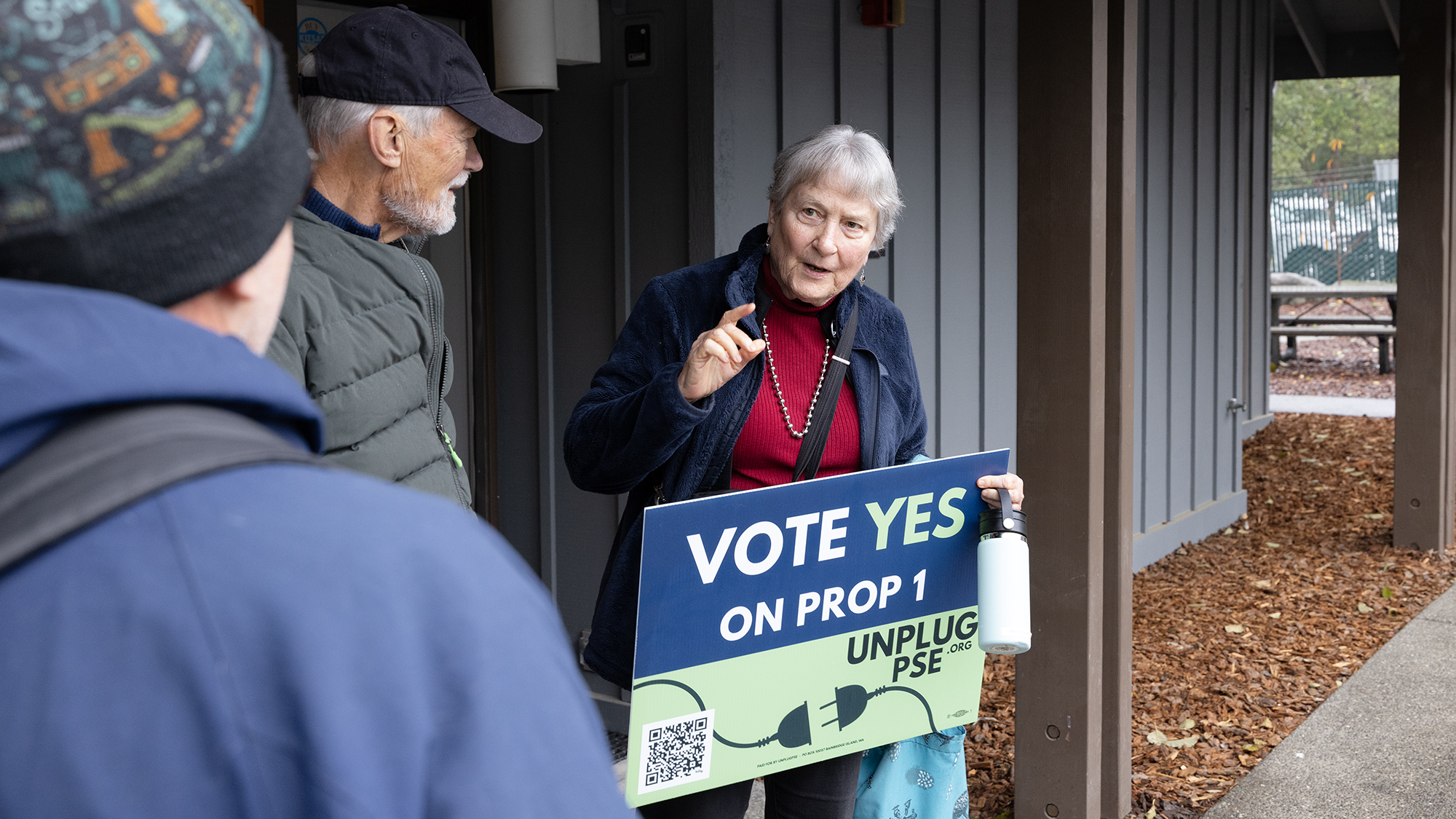
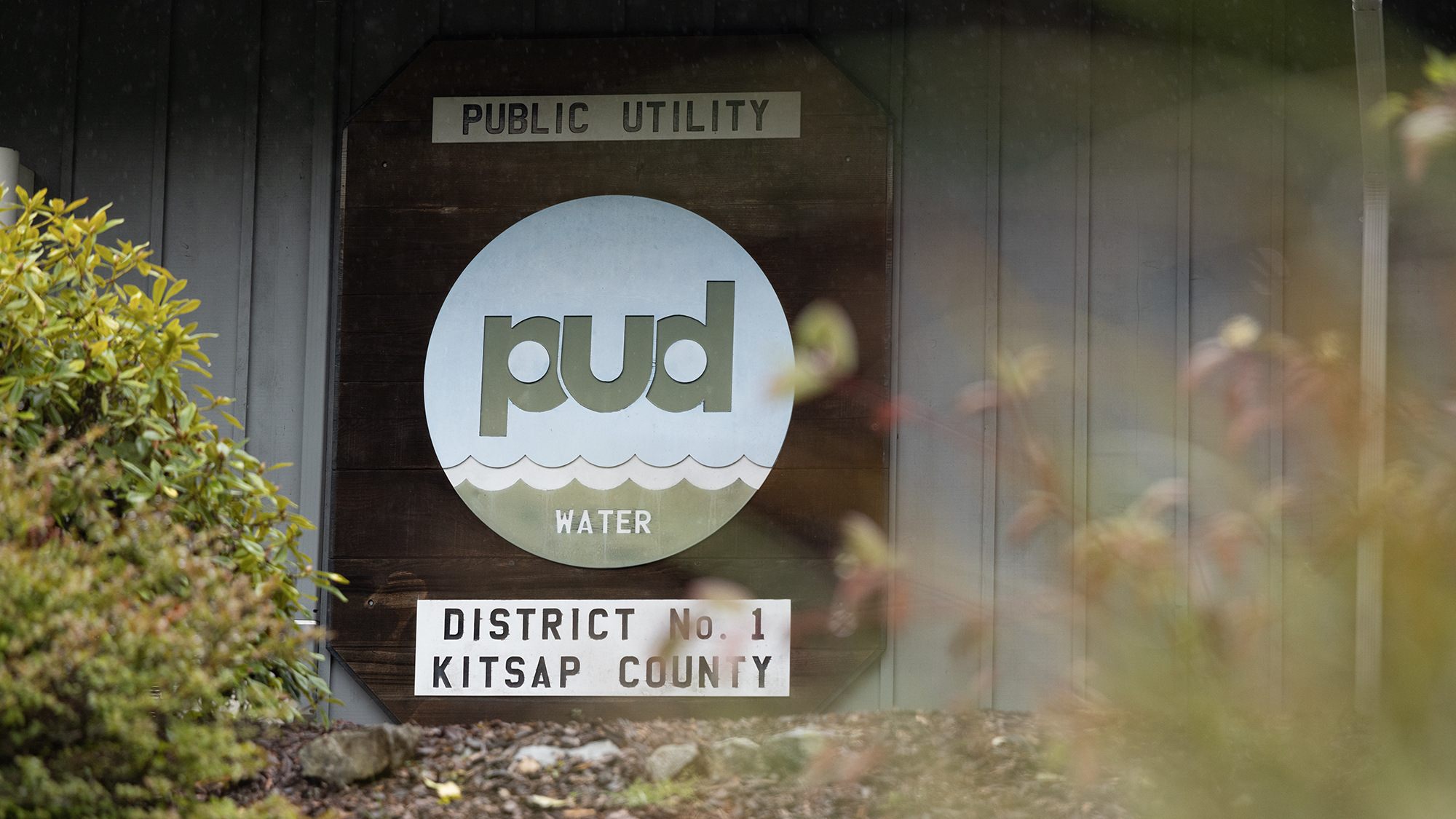
In Kitsap County, the effort to transition from PSE to a public utility district (PUD) was born out of deep-seated frustration. Over the last five years, local power bills have nearly doubled, and the utility has proposed further rate increases totaling 32 percent by 2029. Commissioner Heather Pauley articulated the human toll of these costs, noting that residents are frequently forced to choose between essential needs and keeping the lights on. Yet, the ballot initiative failed to secure the necessary support, partly because it lacked a finalized, concrete feasibility study. The PUD sought authority from the voters first, promising to conduct a deep-dive analysis only after receiving a mandate. This "Achilles’ heel"—the lack of specific financial data—provided the opening for PSE to dominate the narrative with its "No Plan" campaign.
A similar dynamic played out in Ann Arbor. The city, which has already established a pilot renewable energy utility to complement the grid, sought to go further by creating a municipal board to transition the entire city’s power supply away from DTE Energy. The proposal faced intense scrutiny regarding the cost of buying out DTE’s infrastructure. While the city’s preliminary study estimated a cost range between $281 million and $1.15 billion, opponents argued that the city would be saddled with massive debt. The Ann Arbor Responsible Energy Coalition, funded heavily by DTE, successfully amplified these fears, leading to the proposal’s defeat by a narrow margin of just 2,003 votes.
The Historical Context and the "Red Scare" Legacy
To understand the current impasse, one must look at the mid-20th-century history of public power. In the 1930s, the formation of public utility districts in states like Washington was fueled by federal investment and the creation of the Bonneville Power Administration (BPA). Cheap, abundant hydropower from the Columbia River provided a massive incentive for communities to form their own utilities.
However, the movement faced a coordinated backlash during the 1950s. As the Cold War intensified, private utility groups employed sophisticated propaganda, linking public power to "creeping communism." This cultural stigma, combined with legal hurdles, effectively halted the expansion of public power for decades. While there have been sporadic successes—most notably the 2008 decision by Jefferson County, Washington, to transition to public power—the vast majority of recent attempts have failed to overcome the political and economic barriers erected by private industry.
The Financial and Legal Hurdles of Modern Municipalization
The primary obstacle in these modern efforts is the price tag of the grid itself. When a municipality attempts to take over a utility, it must pay for the physical infrastructure—the poles, wires, transformers, and substations. Private utilities, which are often publicly traded, have a fiduciary duty to maximize value for their shareholders, which includes aggressive valuation of their assets during a buyout.
In the case of Jefferson County’s transition, Puget Sound Energy initially demanded $109 million for the infrastructure, a figure more than double its assessed value. Following regulatory intervention, the company was forced to return $53 million to ratepayers, but the incident served as a cautionary tale for other communities. Today, private utilities frequently signal that they may not agree to sell at all, which would force cities to engage in lengthy, expensive, and unpredictable eminent domain litigation. This risk creates a "chilling effect" on potential municipalization efforts, as local governments are wary of committing taxpayer funds to a multi-year legal battle with an uncertain outcome.
Official Responses and Industry Defense
Private utilities maintain that their rate structures are a reflection of necessary investment. Puget Sound Energy has stated that its pending rate increases are driven by rising demand, the massive cost of grid modernization, and the legal mandate to meet Washington’s ambitious carbon-neutral goals by 2030. Because the company currently relies on fossil fuels for approximately half of its energy supply, the transition to renewables is presented as an expensive, capital-intensive process that only a large-scale provider can manage.
Similarly, DTE Energy has argued that the stability of the grid relies on the scale and technical expertise that only a major utility can provide. Critics of the municipalization proposals, including some labor unions and local business groups, have echoed these concerns, suggesting that a newly formed public board might lack the operational experience required to manage a complex electrical system, thereby increasing the risk of blackouts or mismanagement.
The Future of the Public Power Movement
Despite the recent setbacks, observers suggest that the movement is far from dead. The fundamental drivers of the push—skyrocketing energy costs, increasing concerns about climate change, and dissatisfaction with grid reliability—remain potent. In some regions, government leaders are shifting toward a more cautious, study-first approach.
For instance, the Milwaukee City Council recently voted to allocate $1.35 million for a comprehensive feasibility study to evaluate a transition away from We Energies. This suggests that while voters may be skeptical of immediate, poorly defined transitions, there is a clear political path forward if the movement can provide ironclad financial data and a clear, low-risk roadmap.
In Ann Arbor, the conversation is shifting toward the influence of utility money in local politics. The passage of a statewide ballot measure to curb the political spending of utility companies in Michigan is seen as a victory for activists who feel the current system is rigged. With a newly elected, supportive mayor and continued turnover on the City Council, the prospect of a more granular, evidence-based approach to municipalization remains on the table.

Implications and Analysis
The defeat of these initiatives highlights a critical "information gap" in the democratic process. Without a transparent, government-funded, and widely accepted feasibility study, voters are left to navigate a battlefield of conflicting marketing materials. Private utilities, with their massive budgets for advertising and lobbying, currently hold a structural advantage in this information war.
Furthermore, the "success" of the anti-municipalization campaigns suggests that in the current economic climate, voters are highly sensitive to the potential for short-term financial instability. Even when the long-term projections favor public power, the immediate fear of increased debt and the "risks" of a transition often outweigh the promise of future savings.
As the energy landscape continues to evolve, the tension between the private profit model and the public good model will likely intensify. The future of public power may not depend on sudden, revolutionary ballot initiatives, but rather on the methodical, years-long process of building technical, financial, and political capacity. For now, the "Herculean" task of replacing private monopolies remains a work in progress, one that requires not just the desire for change, but the infrastructure of data and legal planning to back it up. Whether this leads to a new era of public power or a more regulated private sector remains the central question for energy policy in the coming decade.