Skijoring Colorado Winter Rodeo Events Ridgway

Skijoring Colorado Winter Rodeo Events Ridgway: A Thrilling Spectacle
The town of Ridgway, Colorado, nestled in the heart of the San Juan Mountains, transforms into a winter wonderland of adrenaline and horsepower during its annual skijoring events. This adrenaline-fueled sport, deeply rooted in Scandinavian traditions, pits horse and rider against snow-covered terrain with a skier in tow, all hurtling towards a series of gates and jumps. Ridgway’s skijoring competitions are not just local gatherings; they represent a significant and growing segment of winter rodeo events in Colorado, attracting participants and spectators from across the nation and beyond. Understanding the nuances of skijoring, its historical context, and the specific allure of Ridgway’s events is crucial for anyone interested in this unique winter spectacle. This article will delve into the exciting world of skijoring in Ridgway, covering event formats, participant requirements, spectator experiences, and its growing importance within the broader landscape of Colorado winter rodeo.
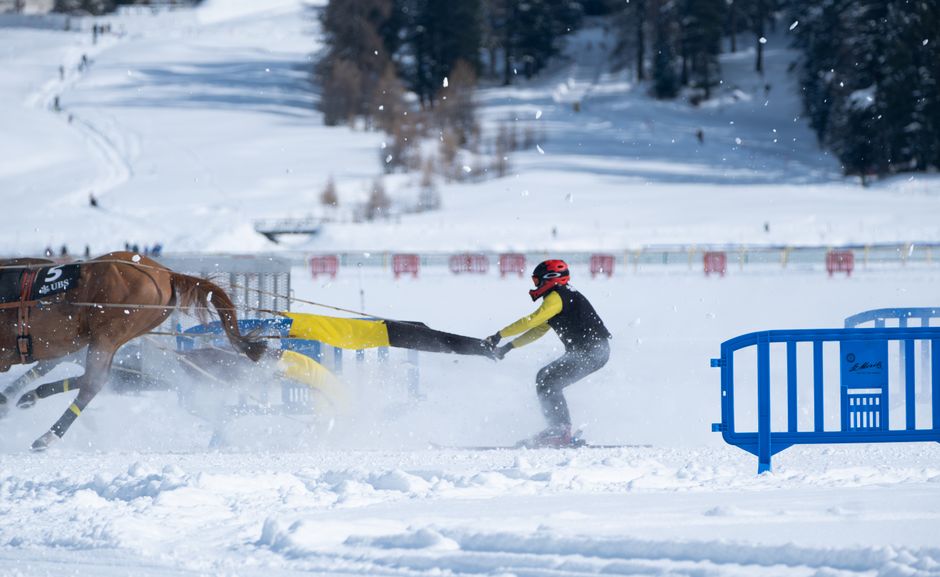
Skijoring, derived from the Norwegian word for "ski driving," is a team sport that requires an exceptional blend of speed, agility, and synchronization. The core components are a horse, a rider controlling the horse, and a skier being pulled by a rope attached to the saddle. The objective is simple: navigate a challenging course, typically marked by poles or gates, as quickly as possible. However, the execution is anything but. The skier must maintain their balance, steer around obstacles, and often launch over a series of jumps, all while the horse and rider are generating considerable speed and power. In competitive skijoring, penalties are assessed for missed gates, dropped poles, or falls, adding a strategic layer to the raw speed. Ridgway’s events are renowned for their well-maintained courses, often featuring substantial jumps that elevate the excitement and the technical demands of the sport. The natural snow-covered landscape of the Uncompahgre Valley provides a dramatic and fitting backdrop for these high-octane competitions.
The history of skijoring traces back centuries, with its origins in the practical necessity of traversing snowy landscapes with the aid of horses. Early forms likely involved pulling individuals on skis for transportation or sport. The modern competitive iteration began to take shape in the early 20th century, gaining popularity in winter resorts and mountainous regions. In the United States, skijoring found a natural home in states like Colorado, Montana, and Wyoming, where winter conditions are a given. Ridgway’s embrace of skijoring aligns with a broader trend of rural and mountain communities seeking unique ways to celebrate winter and foster community engagement. These events often serve as crucial fundraisers for local organizations and contribute significantly to the winter tourism economy. The Ridgway Skijoring Association, a dedicated group of volunteers and enthusiasts, plays a pivotal role in organizing and promoting these events, ensuring their continued success and growth. Their commitment to safety, fair competition, and creating an entertaining experience for all is a cornerstone of Ridgway’s skijoring reputation.
The format of skijoring events in Ridgway typically involves several classes, catering to different skill levels and event variations. The most common and visually spectacular is the "Classic" or "Ranch" skijoring, where a rider controls the horse and the skier is pulled. Within this, there are often divisions based on the size of the horse, the age of the participants, and experience levels. A crucial element of these events is the "relay" format, where a rider might complete one leg of the course with a skier, then hand off to another rider and skier team to complete the next section. This adds a strategic team element and allows for more participants to showcase their skills. Another popular variation sometimes seen in Ridgway is "Sport Skijoring," which may involve slightly different course designs or equipment rules. For the uninitiated, the visual of a powerful horse and rider thundering down a snow-covered track, with a skier carving sharp turns and soaring over jumps, is undeniably captivating. The sheer speed and the raw power on display are a significant draw for spectators.
Participant requirements for skijoring in Ridgway are stringent, emphasizing safety and the well-being of both human and animal athletes. Riders must demonstrate proficiency in handling horses at high speeds in challenging terrain. Skiers need to possess excellent skiing abilities, including the capacity to control their speed, make sharp turns, and maintain balance while being pulled. Safety gear is mandatory for both, typically including helmets, eye protection, and appropriate riding and skiing attire. Horses used in skijoring are often experienced and well-conditioned, accustomed to the noise and excitement of competition. They undergo veterinary checks to ensure they are fit for the demands of the sport. The Ridgway Skijoring Association works closely with participants to ensure they understand the rules, course layout, and safety protocols, fostering a culture of respect for the sport and its participants. The camaraderie among skijoring athletes is also a notable aspect, with many helping each other with equipment, horse care, and course preparation, underscoring the community spirit inherent in these events.
The spectator experience at Ridgway’s skijoring events is nothing short of exhilarating. The natural amphitheater of the San Juan Mountains provides a stunning backdrop, enhancing the visual appeal of the competition. Events are typically held on open fields or specially prepared tracks, allowing for excellent viewing angles. Spectators can often get quite close to the action, feeling the spray of snow from the horses’ hooves and hearing the thunder of their gallop. The energy of the crowd is palpable, with cheers and gasps erupting as skiers navigate tight turns or launch themselves over impressive jumps. Food and beverage vendors are usually on-site, offering a taste of local flavor. Many events also include other winter activities, such as live music, children’s entertainment, and artisan crafts, making it a full-day affair for families. The informal and friendly atmosphere allows for easy interaction with participants and organizers, providing a deeper understanding of the sport. Ridgway’s commitment to creating a festive and engaging environment for spectators contributes to its growing popularity as a destination for winter rodeo events.
The economic impact of skijoring events on Ridgway and the surrounding San Juan region is significant. These events draw a substantial number of visitors, boosting local businesses such as hotels, restaurants, and retail establishments. The increased tourism revenue during the winter months helps to sustain the local economy, particularly for businesses that might otherwise experience a downturn. Furthermore, skijoring events often involve substantial prize money, attracting professional and semi-professional athletes who then spend their winnings locally. The media attention garnered by these events also contributes to promoting Ridgway as a vibrant and exciting winter destination, potentially attracting future tourism and investment. The organizational efforts behind these events also create temporary employment opportunities and stimulate local volunteerism.
Within the broader context of Colorado winter rodeo, Ridgway’s skijoring events hold a distinct and increasingly important position. While traditional rodeo events like bull riding and barrel racing are popular, skijoring offers a unique blend of equestrian skill and winter sports that appeals to a different, yet often overlapping, audience. Colorado, with its abundant snow and strong equestrian culture, is a natural breeding ground for such events. Ridgway’s success in hosting and promoting skijoring has inspired other communities in the state to explore similar initiatives. The growth of skijoring in Colorado signifies a diversification of winter tourism offerings and a testament to the adaptability and innovative spirit of the state’s rural communities. The commitment to professionalism and safety exhibited by the Ridgway Skijoring Association sets a high standard for other similar events.
SEO considerations for content about Ridgway skijoring events are paramount for reaching a wider audience. Strategic use of keywords such as "skijoring Colorado," "winter rodeo Ridgway," "Ridgway events," "horse skiing competition," "San Juan Mountains winter sports," and "Colorado equestrian events" is essential. Detailed descriptions of the event format, participant requirements, and spectator experience, incorporating these keywords naturally, will improve search engine ranking. High-quality images and videos of past events would further enhance engagement and shareability. Providing clear information on event dates, ticket prices, and directions also contributes to a positive user experience and indirectly boosts SEO by reducing bounce rates and increasing time on page. Promoting the events through social media channels using relevant hashtags will also expand reach and visibility.
The future of skijoring in Ridgway appears bright. With continued community support, dedicated organization, and a growing national interest in the sport, these events are poised for even greater success. The Ridgway Skijoring Association is continuously looking for ways to enhance the events, from refining course designs to expanding participant divisions and improving spectator amenities. The potential for national and international recognition is significant, as skijoring continues to gain traction as an exciting and visually impressive winter sport. The symbiotic relationship between the sport, the community, and the natural environment of the San Juan Mountains provides a strong foundation for the long-term sustainability and growth of skijoring in Ridgway, solidifying its place as a premier destination for winter rodeo events in Colorado. The evolving nature of the sport, with innovations in course design and safety protocols, ensures that it remains dynamic and appealing to both participants and audiences.


