The Bipartisan Race to Overhaul U.S. Energy Permitting Amidst Surging Power Demands and Political Uncertainty

As lawmakers prepare to depart Capitol Hill for the final stretch of midterm election campaigning, a high-stakes legislative drama is unfolding in the corridors of the Senate. A bipartisan coalition of legislators is working with unprecedented urgency to finalize a sweeping permitting reform bill, an effort they argue is essential to prevent a national energy crisis. At the heart of the debate is the tension between the country’s desperate need for updated electrical infrastructure and the increasingly polarized public sentiment surrounding the rapid proliferation of energy-hungry data centers.
The legislative push is driven by a stark reality: the U.S. power grid is struggling to keep pace with an era of "electrification." From the widespread adoption of residential heat pumps and electric vehicles to a national strategy aimed at repatriating manufacturing, the baseline demand for electricity is climbing. However, the most acute pressure is coming from the tech sector. The massive build-out of artificial intelligence-capable data centers is consuming electricity at a scale that is straining existing supply chains and forcing a total rethink of how the United States generates and transmits power.
A Chronology of Legislative Gridlock and Renewed Momentum
The effort to reform the federal permitting process is not new, but the political appetite for such a move has shifted dramatically over the past 24 months.
- 2023–2024: Legislative attempts to address "red tape" were hampered by partisan divides. The Energy Permitting Reform Act of 2024 represented a high-water mark for the effort, successfully clearing committee hurdles before ultimately collapsing under the weight of Senate procedural delays and a lack of floor time.
- Early 2026: As energy demand projections from the Energy Information Administration (EIA) began to show significant upward spikes, industry groups and major tech firms, including Google, intensified their lobbying efforts, arguing that outdated federal reviews were stifling economic growth.
- August 2026: Senator Marsha Blackburn (R-Tenn.) publicly highlighted the "massive barrier" posed by federal bureaucracy, signaling that even among traditional conservative skeptics of industrial policy, the need for grid modernization had become a priority.
- September 2026: The Trump administration signaled a potential pivot, indicating a willingness to fast-track renewable energy projects in exchange for broader concessions on permitting. This development, while potentially transformative, created new friction, as Democrats remain wary of the administration’s long-term commitment to green energy.
The Data Center Dilemma: A PR Crisis for Policymakers
Legislators find themselves in a precarious political position. While they recognize that data centers are the primary engine driving new infrastructure investment, public opinion research paints a grim picture for those seeking to champion them. According to data from Redbud Consulting, voters across the political spectrum—Democrats, Republicans, and independents alike—harbor deep skepticism toward the construction of data centers in their communities.
"If you phrase permitting reform as serving data centers, the polling results get way worse," says Alex Lundry, president of Redbud Consulting. This has forced a strategic pivot in how the bill is presented. Lawmakers are now increasingly framing the reform not as a handout to Big Tech, but as a necessary step to secure "energy independence" and "grid reliability." The challenge is that voters are acutely aware of their rising utility bills. With 70 percent of respondents in recent polls reporting increased energy costs over the past year, the narrative of "building more" is often met with the counter-argument of "who pays for it?"
The Economic and Strategic Landscape
The argument for reform is heavily influenced by the competitive dynamics of the global economy. Policymakers have increasingly linked the energy build-out to the broader geopolitical rivalry with China. During the Clean Energy Week conference in Washington, D.C., last month, a consistent theme emerged: the belief that excessive regulation is hindering America’s ability to compete in the race for AI dominance.
"While Communist China cuts corners to get ahead, a mountain of red tape has America fighting the energy war with one hand tied behind our backs," argued Senator Rick Scott (R-Fla.). However, analysts warn that this "national security" framing may be losing its efficacy with the general public. Instead, polling suggests that focusing on the transition to clean energy—which 71 percent of Americans support—may be the only viable path to gaining widespread electoral acceptance for a massive construction overhaul.
Technical Barriers and Proposed Solutions
The draft legislation, while still behind closed doors, is expected to address several specific procedural bottlenecks. Industry experts suggest the bill aims to:
- Streamline NEPA Reviews: Reducing the scope and complexity of the National Environmental Policy Act (NEPA) studies, which currently can take years to complete.
- Mitigate Litigation Risk: Introducing provisions that limit the ability of outside groups to stall project construction through protracted lawsuits after a permit has been issued.
- Reform Clean Water and Endangered Species Acts: Adjusting the requirements for transmission line and pipeline permits to allow for faster construction timelines without abandoning fundamental ecological safeguards.
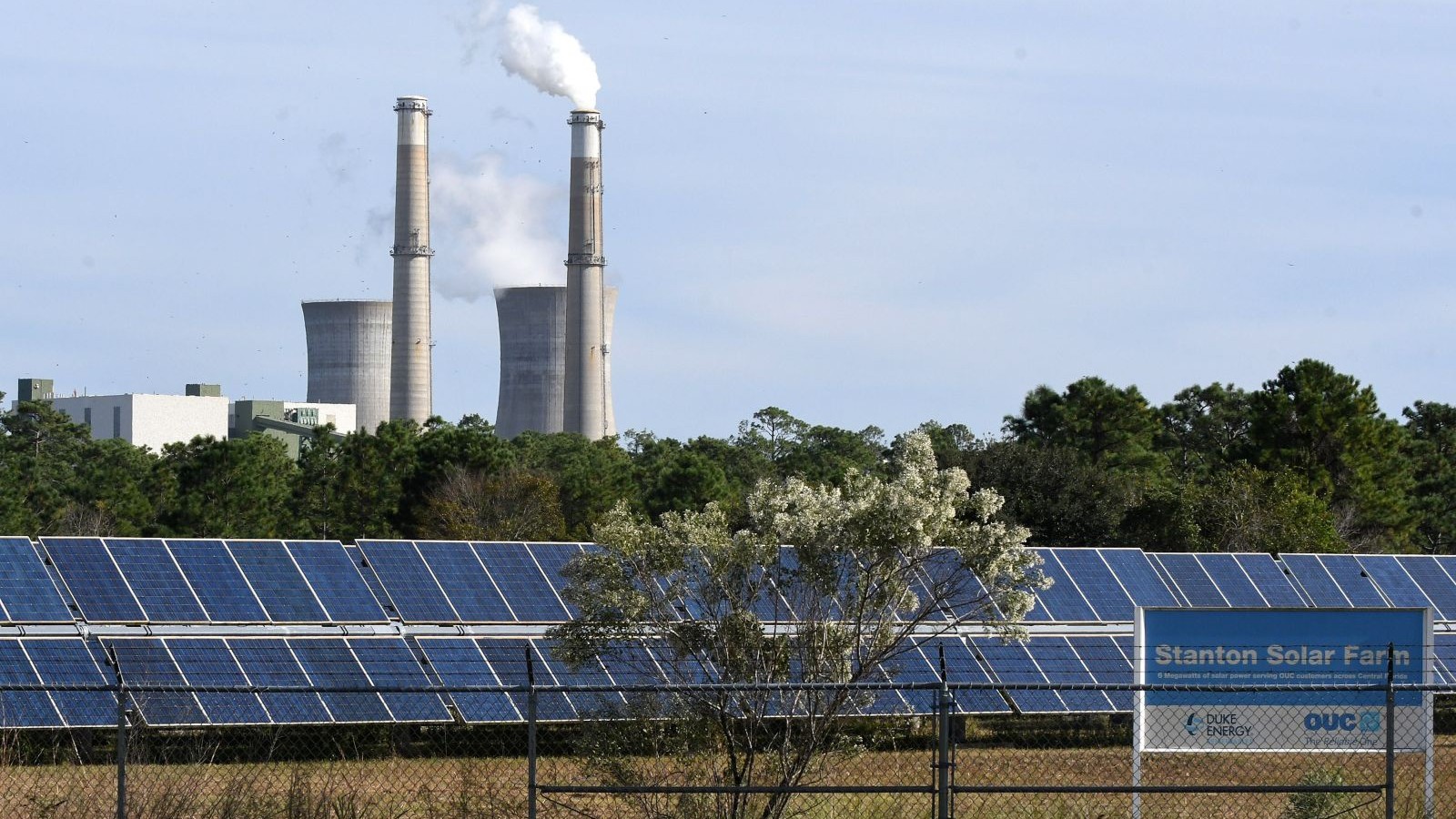
The solar and gas sectors, which currently dominate the energy development pipeline, are the most vocal proponents of these changes. Tim Pawlenty, president of the Solar Energy Industry Association, recently used a blunt metaphor, describing the current system as "constipated," arguing that without legislative intervention, the nation’s transition to a sustainable power grid will effectively grind to a halt.
The Road Ahead: Midterms and Beyond
As Congress prepares to recess, the bill remains a work in progress. Political analysts suggest that the urgency will likely dissipate until after the November midterms, at which point the legislative landscape will be reshaped by the election results. If Republicans secure a significant majority, they may push for a more aggressive, industry-friendly version of the bill. Conversely, a loss of control for the GOP could complicate the current bipartisan cooperation, potentially pushing the issue into 2027.
Meanwhile, the House of Representatives has already taken a more aggressive, if symbolic, stance. Their recent attempt to pass legislation forcing data centers to pay for their own electricity generation underscores the mounting pressure to protect residential ratepayers. While the Senate has blocked that measure—citing its "soft-handed" approach—it serves as a warning that if a comprehensive permitting reform bill is not passed, more restrictive, reactionary legislation may follow.
Ultimately, the Senate’s dilemma reflects a broader national transition. The United States is attempting to balance the competing demands of climate goals, economic competitiveness, and the everyday reality of rising utility costs. Whether the final bill can thread the needle between environmental stewardship and the industrial needs of the 21st century remains one of the most significant unanswered questions of the current legislative session. The window for action is closing, but the energy demands of an AI-driven economy show no signs of slowing down.