Prospecting in the Crosshairs: The Rush for Uranium Claims in a Shrinking Bears Ears National Monument

The ink had barely dried on the executive proclamation when the landscape of southeastern Utah began to shift. On September 11, the very day that approximately 1.2 million acres of federal land were stripped of their protected status within Bears Ears National Monument, a wave of miners descended upon the Bureau of Land Management (BLM) offices to stake their claims. Within hours of the lands being reopened to extractive industries, 16 individual mining claims were filed, marking a volatile new chapter in the ongoing struggle over the future of the American West’s public lands.
This surge in activity follows President Donald Trump’s second administration decision to shrink the monument’s boundaries by roughly 90 percent, a move that reversed years of federal conservation efforts. While the initial claims appear to be driven by small-scale, local operators, the speed and precision of the filings have sounded an alarm among conservationists, who fear that this is merely the opening volley in a broader industrial reclamation of sensitive ecological and cultural terrain.
A Chronology of Conflict
To understand the current rush, one must view Bears Ears as a political pendulum that has swung violently over the past decade. The site, revered by numerous Indigenous tribes for its profound cultural and spiritual significance, was first designated as a national monument by President Barack Obama in December 2016. Spanning 1.35 million acres, the original designation sought to protect tens of thousands of archaeological sites and pristine desert landscapes.
The political volatility began almost immediately:
- December 2016: President Obama establishes Bears Ears National Monument.
- December 2017: President Trump reduces the monument’s footprint by approximately 85 percent, arguing that the designation was an overreach of federal authority.
- October 2021: President Joe Biden restores the original boundaries and implements a slight expansion, aiming to solidify federal protections.
- July 2026: President Trump again slashes the monument’s size, effectively reopening the vast majority of the landscape to potential mineral extraction.
- September 11, 2026: The land officially becomes available for new mining claims, triggering the immediate filing of 16 claims by local prospectors.
This back-and-forth has created a climate of profound uncertainty for land managers, tribal nations, and industry stakeholders alike. For those in the mining sector, the periods of monument status represented "locked-up" potential; for conservationists, the rescission of protections represents a direct threat to the integrity of the Colorado Plateau.
The Players and the Motivation
Among the first to capitalize on the reopened lands were local operators with existing ties to the regional mining infrastructure. Thirteen of the 16 claims filed on September 11 were linked to Kimmerle Mining, a Moab-based family enterprise. Kyle Kimmerle, a managing member of the company, has been a vocal critic of the monument status, arguing in legal filings that the restrictions rendered his business interests "useless" and resulted in significant financial losses—estimated by his camp at up to $3 million.
Kimmerle’s interest is not merely opportunistic. His appointment in 2024 to the board of Urano Energy, a Canadian firm focused on uranium exploration, suggests a strategic alignment with the burgeoning nuclear energy sector. The timing of his claims—attempted in July and successfully recorded in September—underscores a high level of preparation. Similarly, George Schultz, a Moab-based off-roading guide, filed three claims in the Lockhart Basin. While Schultz has maintained a lower profile regarding his specific intentions, his professional background in uranium exploration aligns with the broader push for mineral independence currently championed by state and federal officials.
The Uranium Renaissance and Market Drivers
The primary driver behind this renewed interest in the Colorado Plateau is the global pivot toward nuclear power. As the United States grapples with the energy demands of artificial intelligence and an increasingly strained power grid, the Trump administration and Utah state officials, including Governor Spencer Cox, have emphasized the necessity of domestic uranium production.
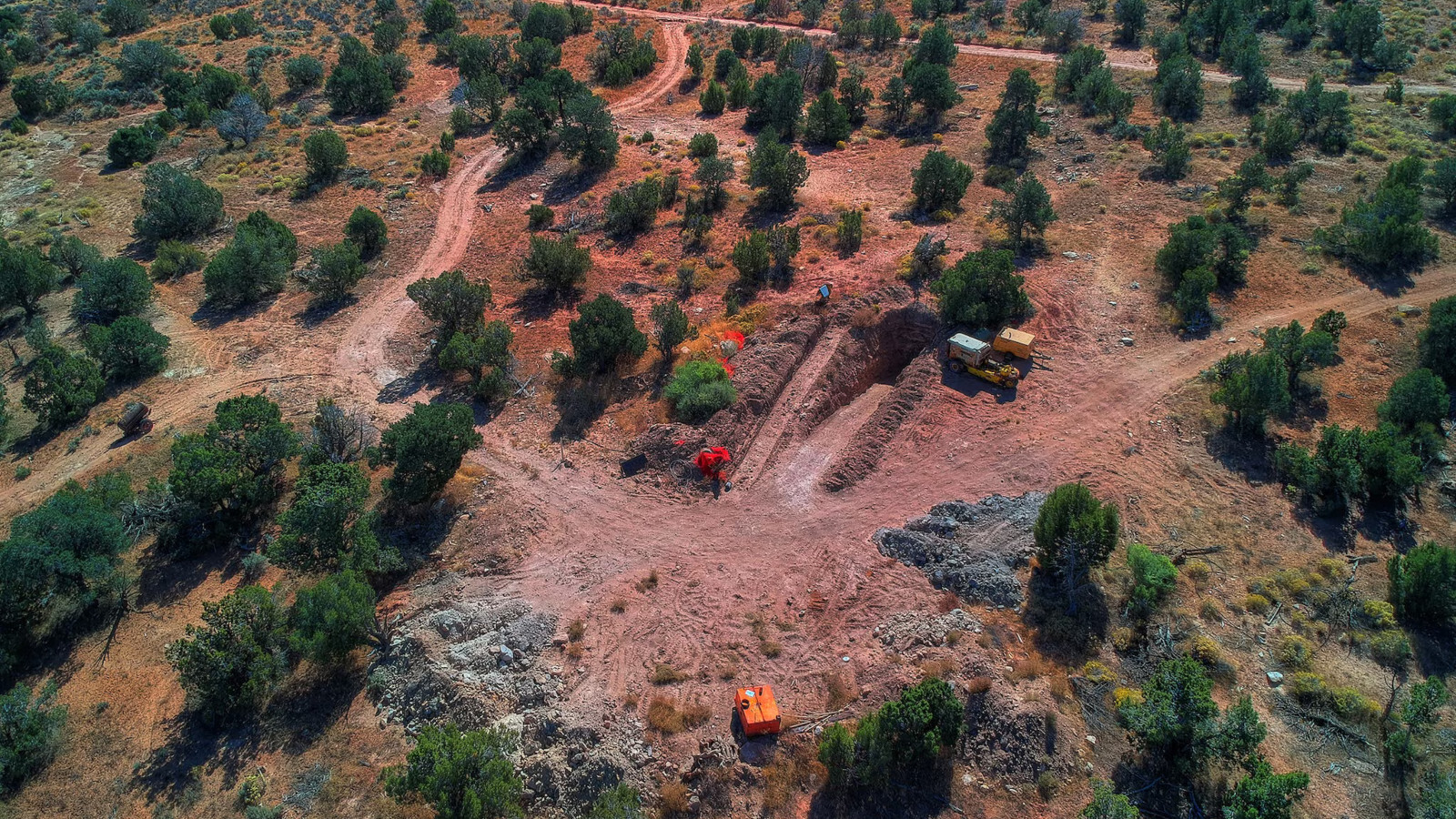
The economic rationale provided by the administration focuses on a "grab bag of minerals" identified in the recent proclamation: silver, copper, molybdenum, lead, zinc, and, most prominently, uranium and vanadium. The proclamation asserts that these resources are essential to the nation’s economic prosperity and national security.
However, industry analysts remain divided on the feasibility of large-scale extraction in these specific regions. Historically, the Colorado Plateau was a hub for uranium production during the mid-20th century, but current market conditions have fluctuated. While uranium prices have seen a recent uptick, the cost of extraction in remote, rugged terrain remains high. Critics point out that even during the previous periods when the monument was reduced, no production-level mines were successfully established, suggesting that the "rush" may be more speculative than practical.
Ecological and Cultural Implications
The Southern Utah Wilderness Alliance (SUWA) and other environmental groups have voiced strong opposition to the renewed mining interest. Steve Bloch, an attorney for SUWA, warned that the influx of hobbyist and small-scale miners poses a tangible threat to the region’s ecological resources. "Hobby miners who want to go locate claims, play miner on the weekend, leave disturbance and pollution in their wake, that really damages the monument resources," Bloch stated.
The impact of such mining extends beyond the immediate footprint of the claims. Roads, soil displacement, and potential water contamination are primary concerns for the protection of archaeological sites and sensitive desert biomes. Furthermore, the disbanding of the tribal commission, which previously shared management responsibilities with the BLM, has left a vacuum in the oversight of these lands, raising significant questions about the future of cultural heritage preservation in the area.
Broader Economic and Political Analysis
The situation at Bears Ears is emblematic of the wider tension between conservation and resource extraction in the American West. The proximity of the White Mesa Mill—the only conventional uranium processing facility in the United States—to the Bears Ears boundary adds another layer of complexity. The facility, operated by Energy Fuels, has long been a focal point for environmental advocacy groups concerned about toxic waste and regional water quality.
The fact that corporate insiders, including the leadership of Energy Fuels, have reportedly adjusted their financial positions in anticipation of these policy shifts has led to allegations of regulatory capture. While proponents of the mining claims argue that they are simply utilizing public lands for their intended "multiple-use" purpose, opponents argue that the specific removal of these protections serves private interests at the expense of public heritage.
As of late 2026, the situation remains fluid. The 16 claims represent the first wave, but the legal and political battles are far from over. Indigenous groups, who have been central to the effort to protect Bears Ears, are expected to mount significant legal challenges, arguing that the reduction of the monument violates the Antiquities Act and ignores the sovereignty and cultural rights of the affected tribes.
The outcome of these disputes will likely set a precedent for how the federal government manages other national monuments in the future. If the current trajectory continues, the landscape of southeastern Utah will undergo a fundamental transformation, transitioning from a protected, multi-use sanctuary to a site of intensive industrial exploration. For now, the prospectors are on the ground, the machinery of the state is in motion, and the future of one of America’s most iconic landscapes remains suspended in the balance between the demands of the energy grid and the legacy of the earth itself.