The Race for Resources: Mining Claims Surge Following Bears Ears National Monument Boundary Reductions

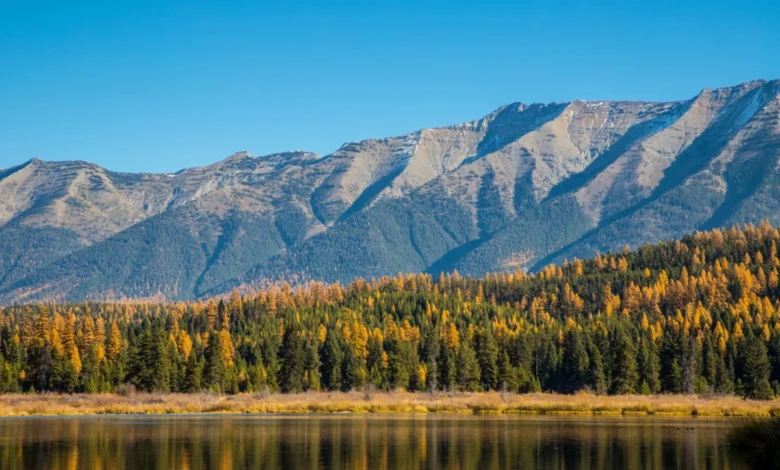
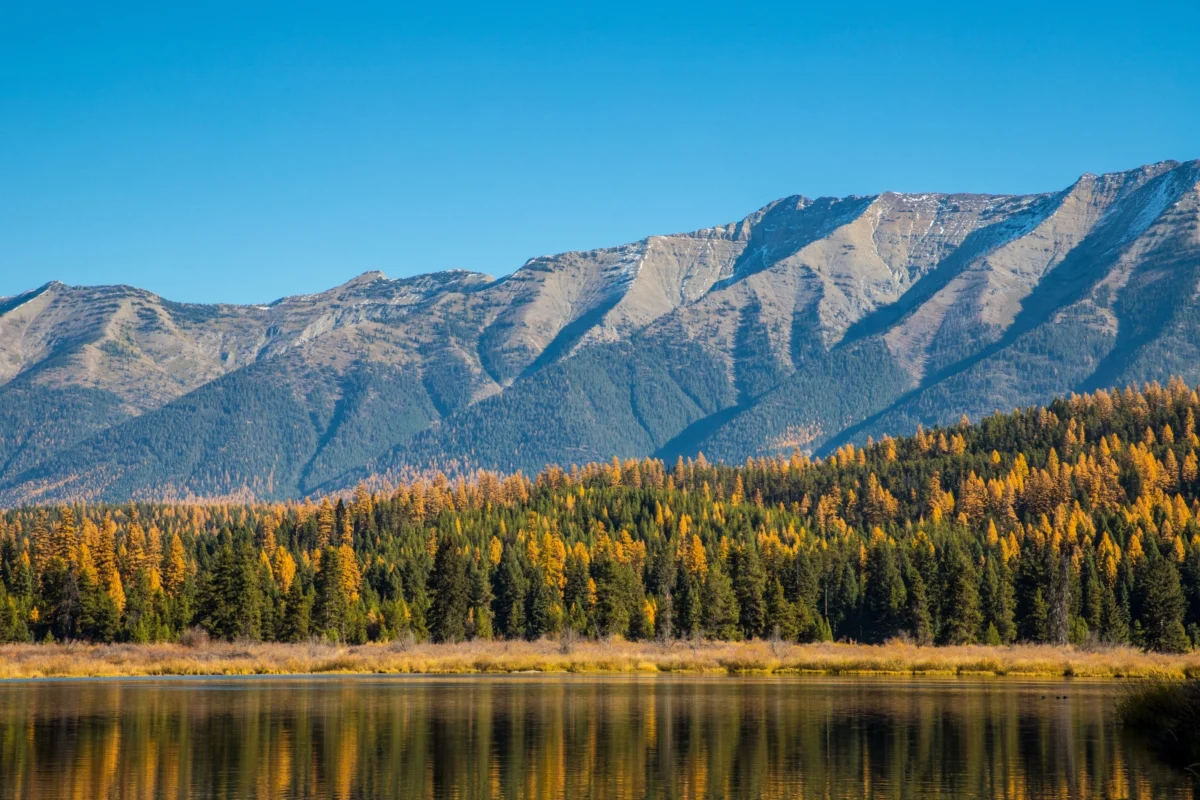
The landscape of southeastern Utah, a region defined by its deep canyons, sacred Indigenous cultural sites, and rugged desert terrain, is once again at the center of a national debate over public land usage. On September 11, the federal government officially opened 1.2 million acres of land—previously protected under the Bears Ears National Monument—to new mining exploration. By the close of that same day, prospectors had already filed 16 distinct mining claims, signaling a rapid shift in the management and potential industrialization of these sensitive areas.
This surge in activity follows a July executive action by President Donald Trump, which slashed the size of the monument by approximately 90 percent. The move represents the latest chapter in a volatile decade-long cycle of protection and deregulation that has transformed Bears Ears into a symbol of the broader struggle between environmental conservation and extractive industry interests.
A Chronology of Contention
The administrative status of Bears Ears has been in a state of constant flux since its inception. In December 2016, during the final weeks of his presidency, Barack Obama utilized the Antiquities Act to designate 1.35 million acres as a national monument, citing the area’s unparalleled archaeological significance and its status as a ancestral home for multiple Tribal Nations.
The monument’s designation was met with immediate pushback from state officials and local industry groups, who argued that federal overreach was hindering economic potential and local land management. In 2017, the Trump administration responded by reducing the monument’s footprint by roughly 85 percent, effectively stripping protections from vast tracts of land.
The political pendulum swung again during the Biden administration, which restored the monument’s original boundaries and expanded its reach, citing the importance of preserving cultural heritage and climate-resilient landscapes. However, in the summer of 2026, the Trump administration again intervened, significantly shrinking the monument’s size, disbanding the tribal management commission, and paving the way for the renewed interest in mineral extraction.
The Anatomy of the Claims
The claims filed on September 11 appear to be dominated by small-scale operators rather than large multinational corporations, though the scale of the operation does not necessarily mitigate concerns regarding environmental impact. Among the entities involved is Kimmerle Mining, a Moab-based family business that filed 13 of the 16 initial claims. These include modifications to the existing 21-acre "Easy Peasy" mine and 11 new filings in the vicinity.
Kyle Kimmerle, a managing member of the firm, has emerged as a central figure in the push to resume mining in the region. Beyond his mining interests, Kimmerle serves on the board of Urano Energy, a Canadian firm focused on uranium exploration, and operates several local businesses. His legal history includes a 2023 lawsuit challenging the Biden administration’s restoration of the monument, in which he claimed that the restricted access to his mining sites resulted in approximately $3 million in lost profits.
George Schultz, a Moab-based off-roading guide, also filed three claims in the Lockhart Basin. While Schultz has remained reticent regarding his specific extraction goals, his professional background includes documented experience in uranium exploration.
Environmental advocates, such as the Southern Utah Wilderness Alliance (SUWA), have expressed profound alarm at the speed and nature of these filings. Steve Bloch, an attorney for SUWA, warned that the influx of hobbyist and small-scale miners poses a disproportionate risk to the monument’s resources. "Hobby miners who want to go locate claims, play miner on the weekend, and leave disturbance and pollution in their wake, really damage the monument resources," Bloch stated. He noted that the cumulative impact of these individual operations can lead to unauthorized road construction, erosion, and the disruption of critical habitats.
The Uranium Connection and Economic Drivers
The renewed interest in Utah’s uranium deposits is not occurring in a vacuum. As the United States seeks to expand its nuclear energy capacity to meet the surging electricity demands of artificial intelligence, data centers, and an electrified grid, uranium has been repositioned as a strategic asset.
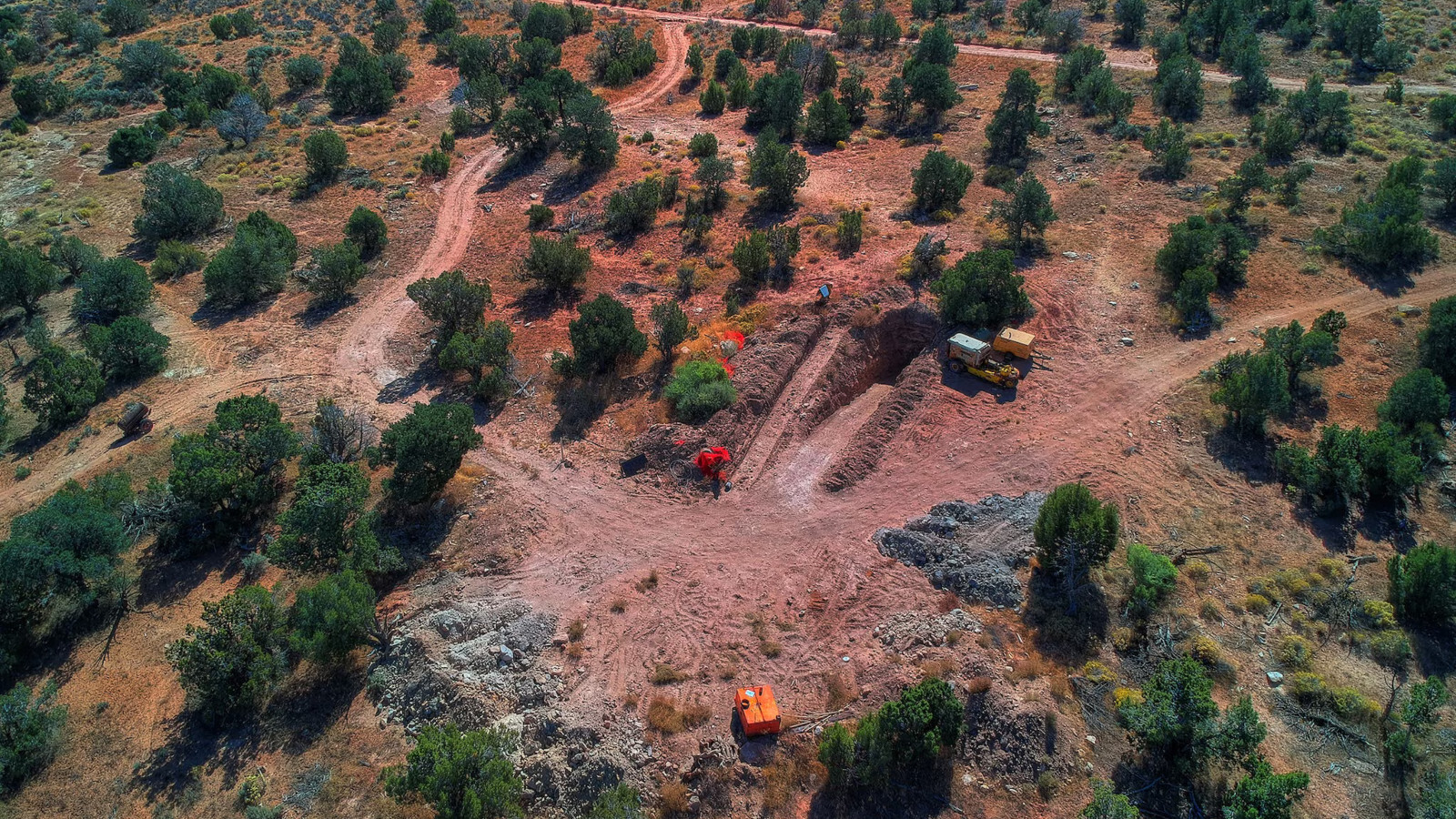
The Trump administration’s recent proclamation explicitly mentioned a "grab bag of minerals" found in the region—including silver, copper, molybdenum, lead, zinc, and vanadium—as essential to national economic prosperity. By framing these lands as vital to energy security, the administration has signaled a clear intent to prioritize extractive industries over the preservation of cultural and natural landscapes.
Historically, Utah has served as a significant player in the American uranium industry, particularly during the mid-20th century. The Colorado Plateau, which encompasses much of the Bears Ears region, is rich in uranium ore. However, critics argue that the geological reality of these lands may not match the speculative fervor. Despite decades of exploration, there have been few, if any, instances where a mine in the Bears Ears region reached long-term, high-yield production viability.
"It’s not like people weren’t poking around in the monument, locating claims, and moving dirt in the decades before it became a monument," Bloch pointed out. "There were no production-level mines that were established."
Broader Implications for Public Lands
The downsizing of Bears Ears and the subsequent filing of mining claims raise significant questions about the future of the Antiquities Act and the permanence of national monument designations. The "ping-pong" nature of these protections creates a climate of uncertainty for stakeholders, including local residents, Tribal Nations, and industry players.
Furthermore, the disbanding of the tribal commission, which was originally established to provide a collaborative management framework between federal agencies and local Indigenous groups, has drawn sharp criticism from human rights and conservation organizations. For many, the monument represents more than just a geological feature; it is a landscape of profound spiritual and historical importance to the Hopi, Navajo, Ute, and Zuni peoples. The erosion of this collaborative management model marks a significant departure from the principles of co-management that had been touted as a gold standard for federal land policy.
Industry observers also point to the behavior of major energy firms in the lead-up to the policy changes. Notably, executives at Energy Fuels—which operates the White Mesa Mill, the only conventional uranium processing facility in the United States—increased their personal holdings in the company shortly before the monument was downsized. This pattern of market activity suggests that those closest to the regulatory process anticipated—and perhaps influenced—the shift in federal policy.
Scientific and Environmental Risks
Beyond the immediate legal and economic maneuvering, the environmental implications of renewed mining in the region are substantial. The extraction of uranium, in particular, carries long-term environmental risks, including the potential for groundwater contamination and the accumulation of radioactive tailings.
The Colorado Plateau’s arid climate makes restoration efforts particularly difficult. Once the soil crust is disturbed and the desert varnish is broken by heavy machinery, the landscape can take decades, or even centuries, to recover. For the regions of Bears Ears that remain under monument status, the proximity of new mining activity to protected borders threatens to create "islands" of conservation surrounded by industrial development, which can disrupt wildlife migration patterns and diminish the integrity of the ecosystem.
As the legal battles continue and more claims are processed by the Bureau of Land Management, the situation in southeast Utah remains a barometer for the nation’s environmental policy. With the demand for critical minerals set to rise, the tension between the push for domestic energy production and the mandate to preserve the nation’s most iconic landscapes will likely intensify.
For now, the 16 claims filed on September 11 serve as a tangible reminder that when federal protections are lifted, the transition from conservation to industrialization can happen almost overnight. Whether these claims eventually lead to productive mines or remain speculative markers on a map, the precedent established by the rapid opening of Bears Ears will undoubtedly influence the future of public land management for years to come.