From Ad Hoc Response to Permanent Infrastructure: Western North Carolina’s Resilience Revolution Two Years After Hurricane Helene

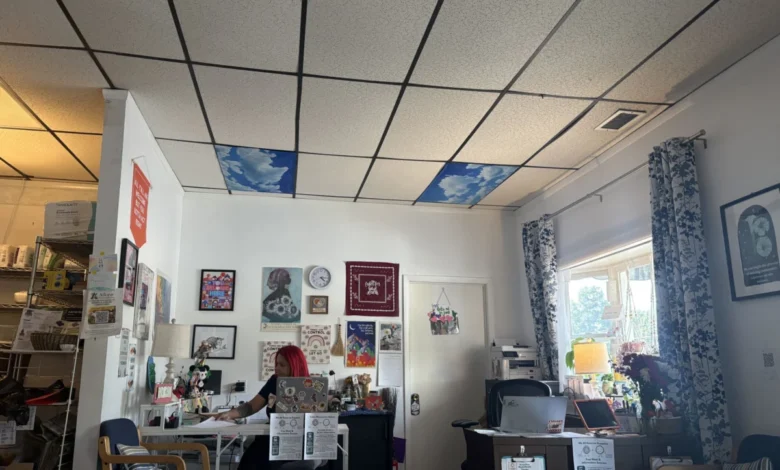
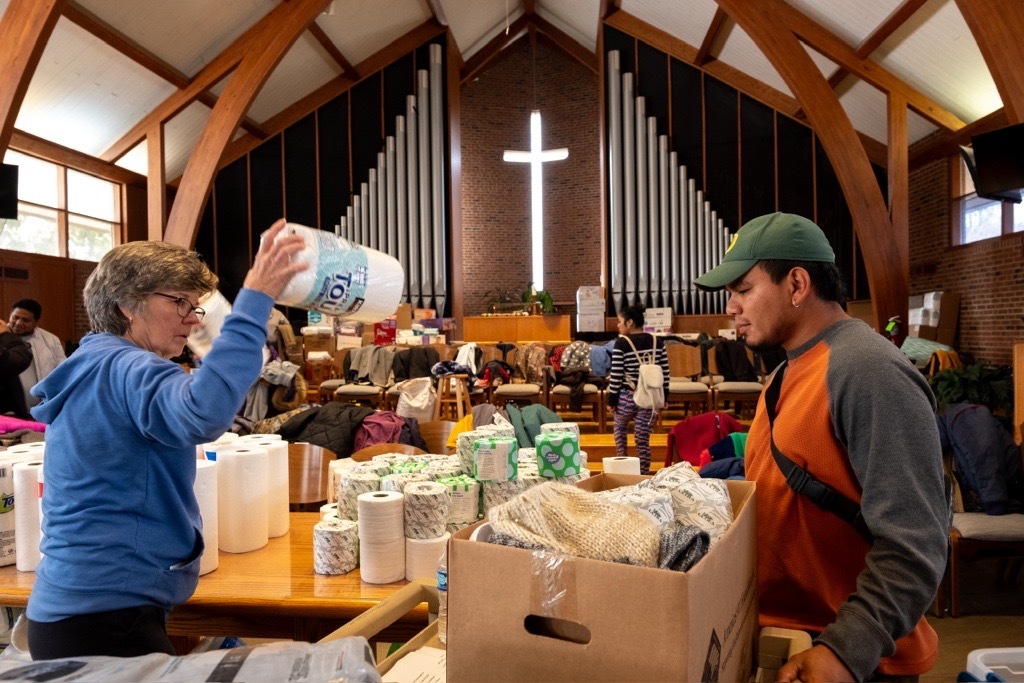
The catastrophic arrival of Hurricane Helene in western North Carolina two years ago served as a grim catalyst for a fundamental shift in how rural and mountain communities approach disaster preparedness. As the storm tore through the region, severing power lines, washing out critical infrastructure, and isolating remote populations, the formal emergency response system was stretched to its breaking point. In the vacuum left by the failure of centralized services, neighbors turned to one another, transforming churches, community centers, and even local tool libraries into vital lifelines. Today, that spontaneous spirit of survival has evolved into a strategic, multi-layered movement aimed at creating permanent, community-led resilience hubs designed to withstand the increasingly frequent and severe climate-related disasters facing the Appalachian region.
A Chronology of Transformation
In the immediate aftermath of Hurricane Helene, the region faced a total blackout of modern communication, water, and electrical grids. For weeks, the geography of western North Carolina—characterized by steep mountain ridges and winding, flood-prone valleys—became a collection of disconnected islands. During the first 72 hours, residents engaged in what disaster experts call "the immediate self-rescue phase." By the end of the first week, community-led volunteer networks had established improvised supply chains, hauling food and medical necessities over debris-strewn roads.
By the one-year anniversary of the storm, the initial trauma had transitioned into a period of institutional reflection. Local governments, non-profits, and grassroots organizations began to recognize that the "ad hoc" nature of their survival was not a sustainable model. In early 2026, the City of Asheville signaled a major policy shift, committing $2 million in initial funding to fortify existing community spaces into formal "resilience hubs," with a long-term roadmap that could see that investment climb to $10 million. This marks a departure from traditional emergency management—which often focuses on centralized, government-run shelters—toward a decentralized, community-owned model of endurance.
The Mechanics of Resilience: Solar Microgrids
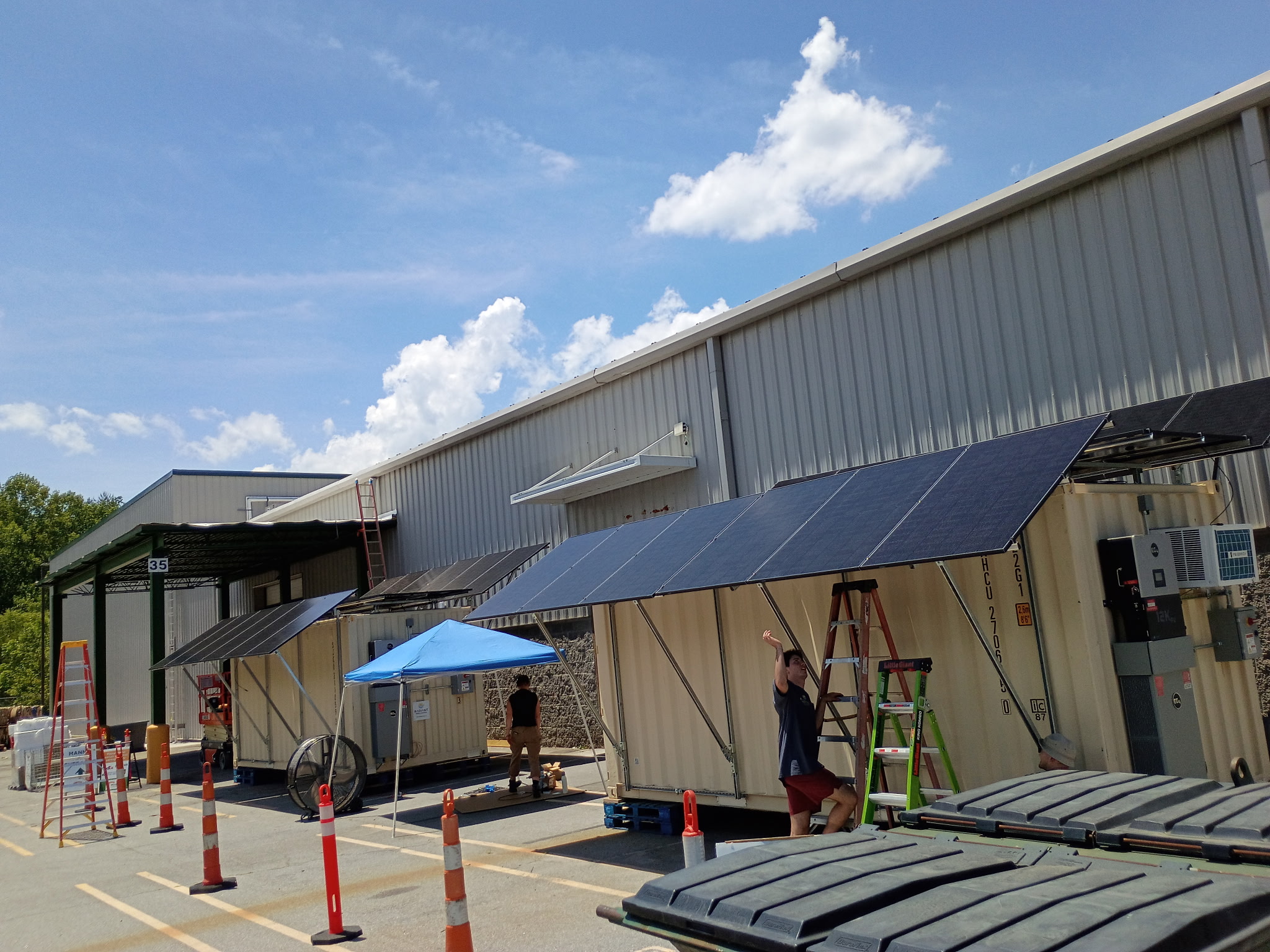
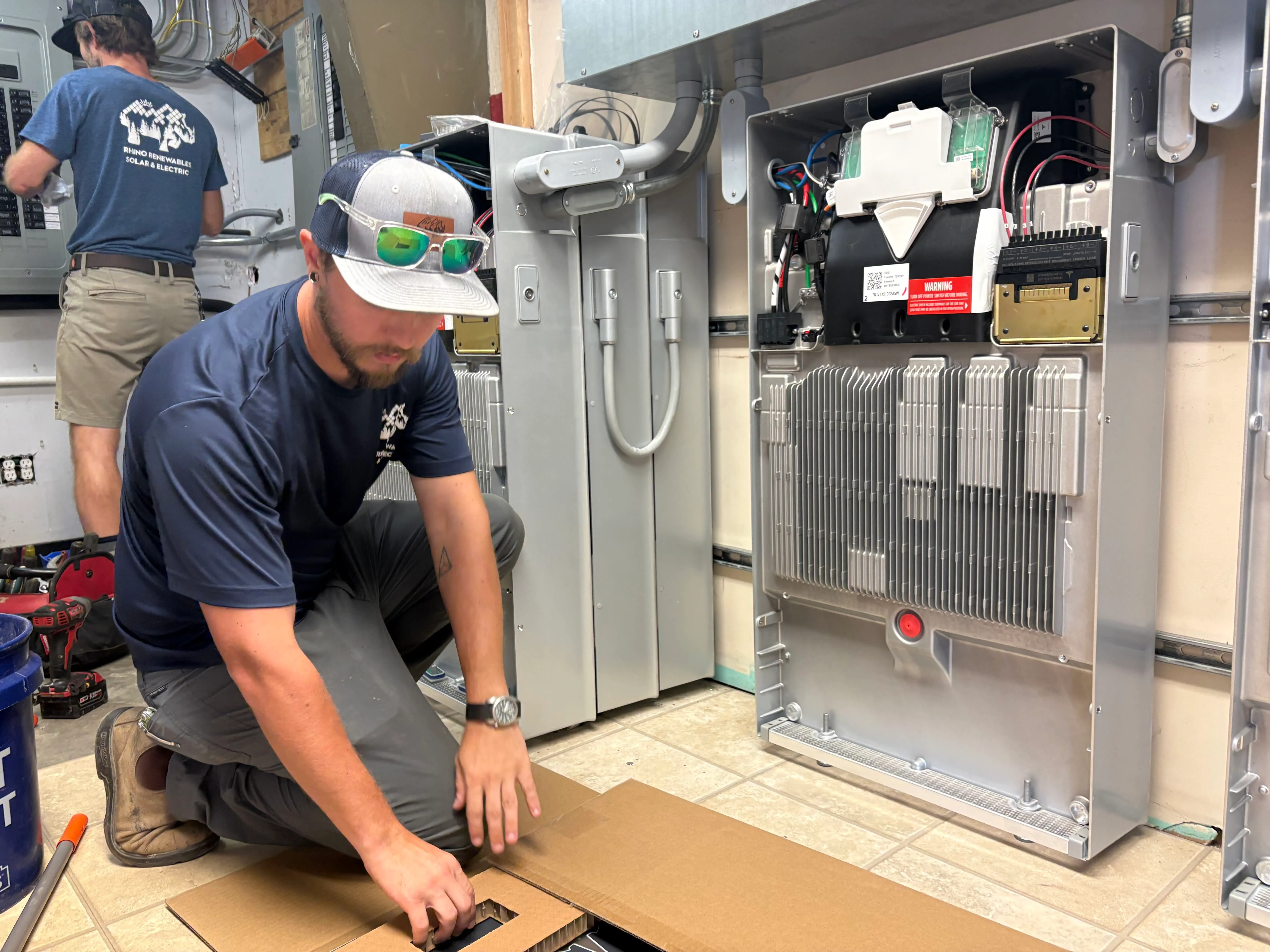
One of the most significant technological interventions in the region is the deployment of solar-powered microgrids. At the Beacon of Hope facility in Marshall, North Carolina, a project completed in late 2026 exemplifies this transition. The facility, which serves as a food pantry, thrift store, and laundromat, is now equipped with advanced battery storage capable of sustaining its essential functions for at least 24 hours without a connection to the primary grid.
This installation is part of a broader, state-funded initiative—backed by a $5 million grant from the North Carolina Department of Environmental Quality—to establish 26 similar microgrids across the region. The strategic placement of these hubs is intentional: they are located on high ground to avoid flood zones and are situated in areas with high socioeconomic vulnerability. Engineering experts like Alex Kwasinski of the University of Pittsburgh emphasize that these microgrids are critical because they maintain "islanding" capability, meaning they can function independently when the main electrical grid fails. The economic implication is significant: by keeping food cold, medical equipment running, and communication devices charged, these hubs reduce the long-term strain on disaster-relief budgets and provide a vital sense of stability for residents who might otherwise require expensive evacuation.

Communication Sovereignty: The Rise of GMRS Radio
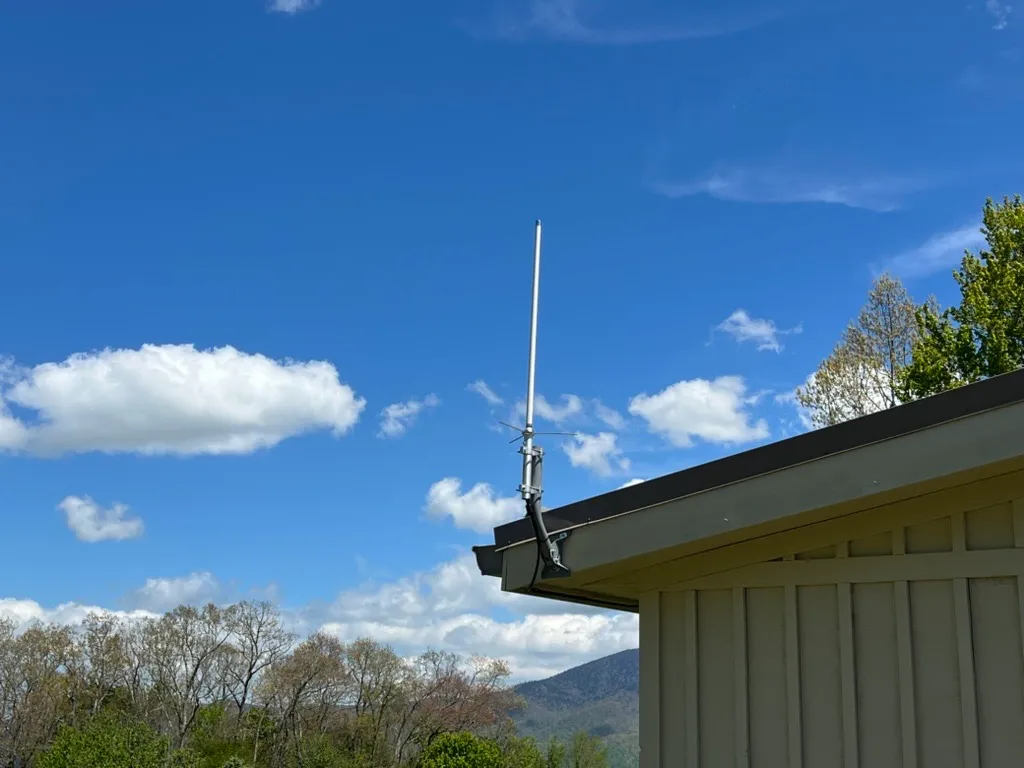
Before the digital age, radio was the primary mode of emergency communication; in the wake of Helene, it became the only one. When cell towers and fiber-optic cables failed during the storm, thousands of residents were left in a vacuum of information. The subsequent surge in the use of General Mobile Radio Service (GMRS) has been unprecedented, with license applications in the region jumping by 130 percent in the year following the storm.
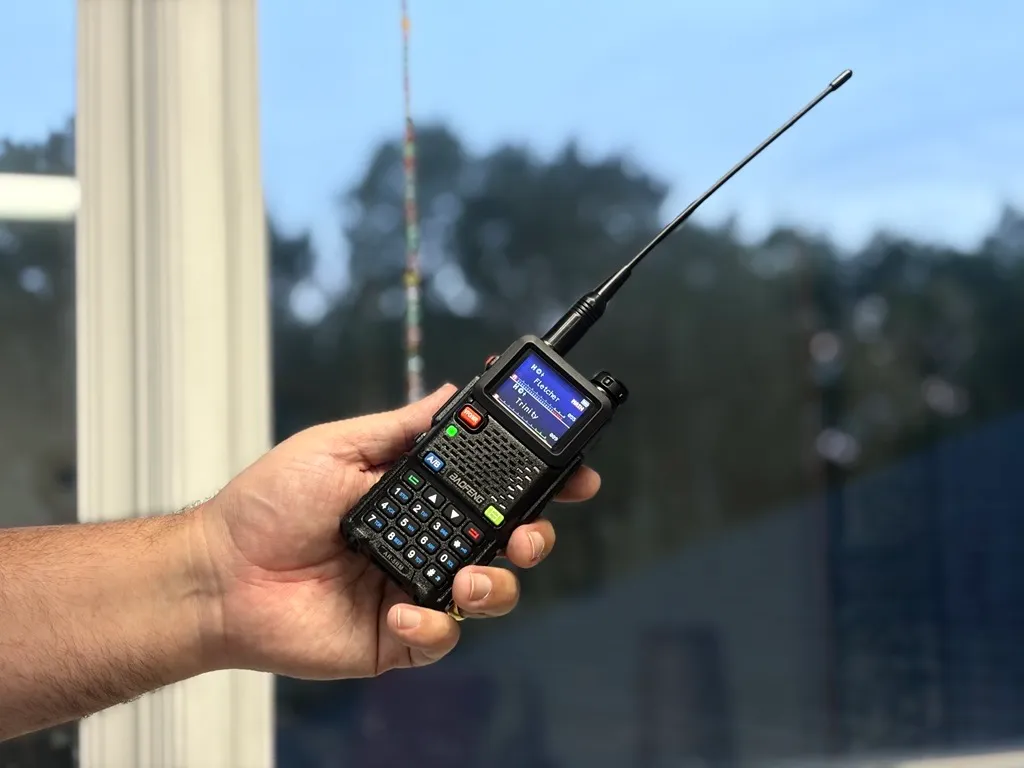
The WNC Radio Project, led by residents like Justin Hamel, has stepped in to formalize this grassroots network. By installing signal repeaters on strategic mountain peaks, the project has effectively created a localized communications infrastructure that mirrors the function of a cell tower but operates entirely independently of the internet or utility grids. For rural populations in the Blue Ridge Mountains, this is not a hobby—it is a survival mechanism. The "nets"—weekly scheduled check-ins—serve as a drill to ensure equipment readiness and build the social capital necessary to coordinate evacuations or resource distribution when the next severe weather event occurs.
The Human Element: Skills and Inclusivity
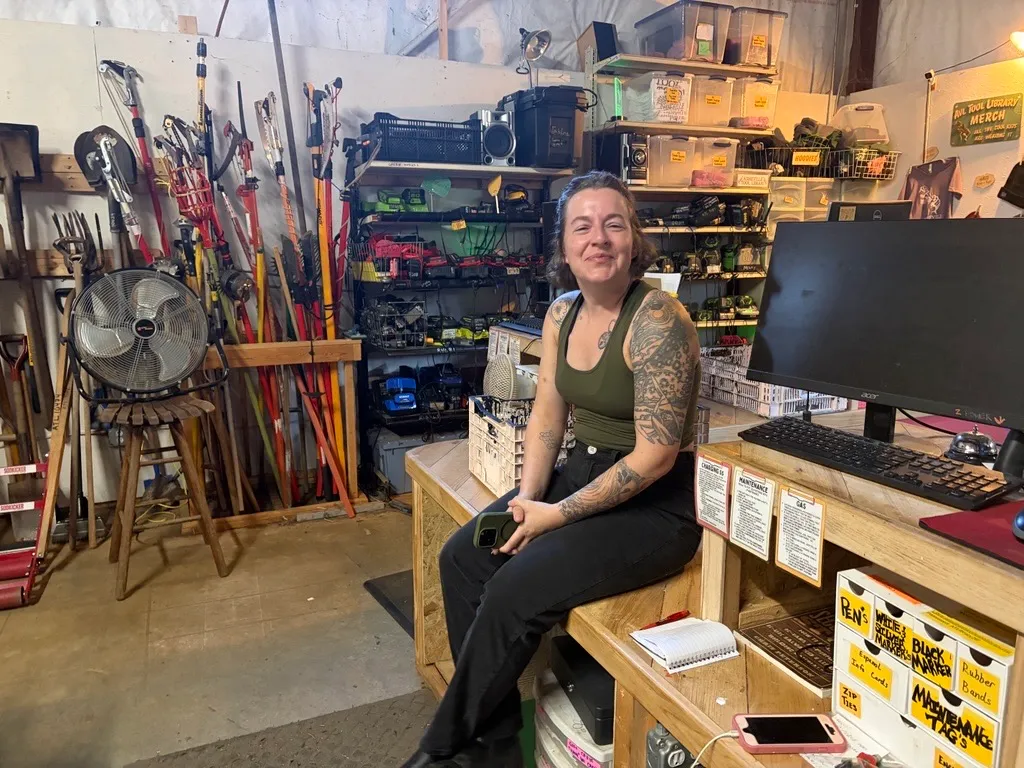
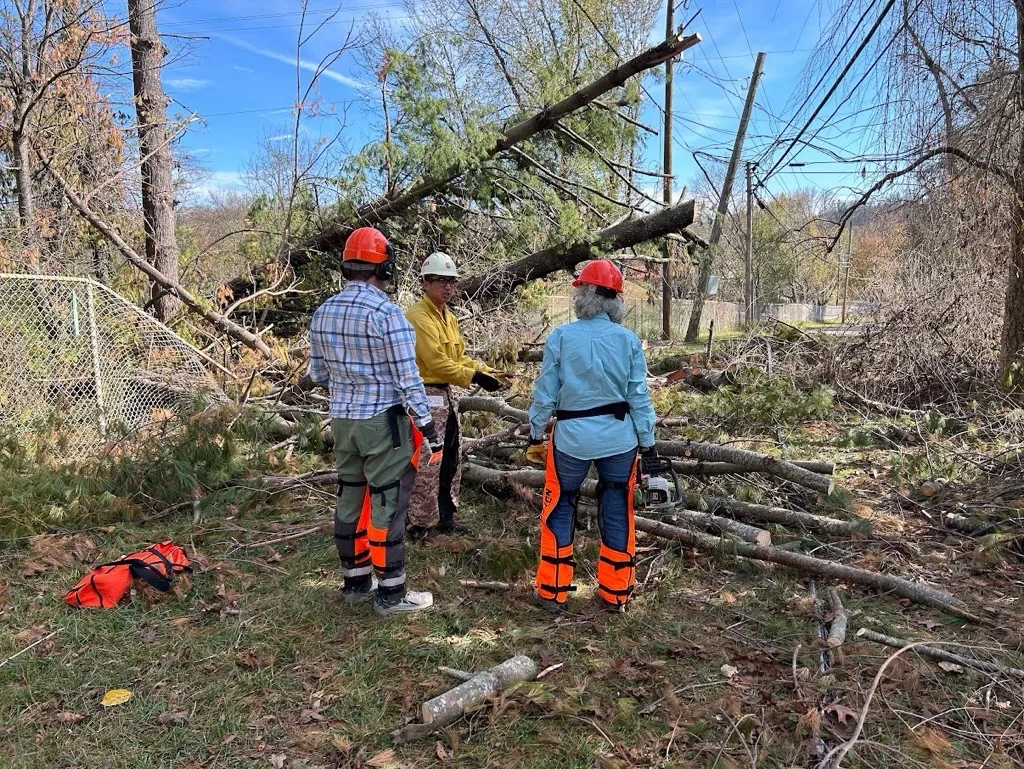
Beyond hardware and infrastructure, the "resilience revolution" is centered on human capability. The success of the chainsaw brigades that cleared impassable roads following Helene proved that technical skills are as valuable as physical equipment. Organizations like the Skills Academy for Women and the Asheville Tool Library have moved to institutionalize this knowledge, offering safety workshops that have trained hundreds of residents.
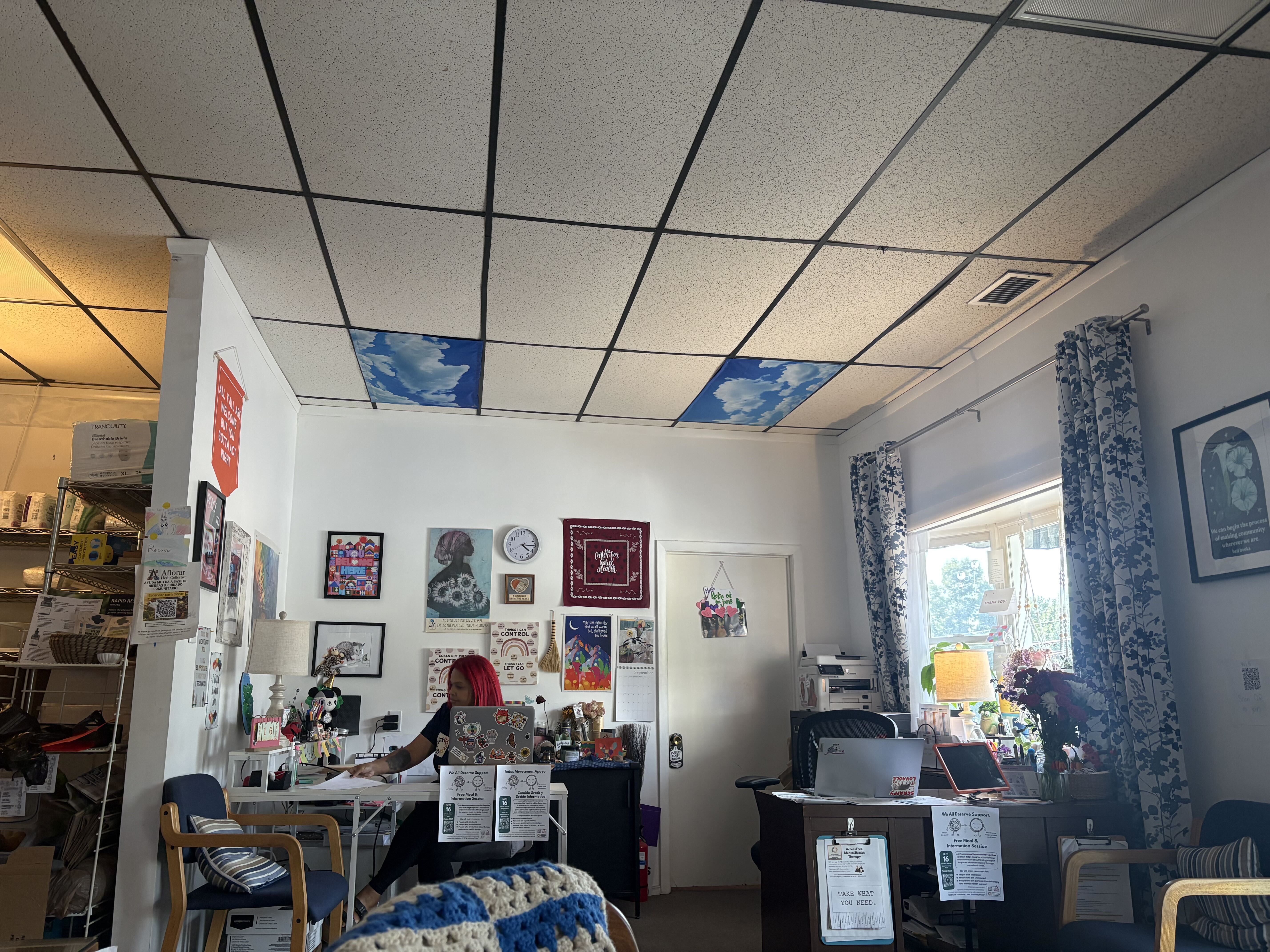
However, the most critical evolution in disaster planning is the focus on inclusivity for vulnerable populations. Walter Davis, a Swannanoa resident who lives with multiple disabilities, represents a demographic that has historically been overlooked in federal disaster planning. Census data suggests that individuals with disabilities are disproportionately affected by displacement and food insecurity during disasters. Groups like Swannanoa Communities Together are working to correct this, retrofitting former commercial spaces into hubs that feature ADA-compliant infrastructure, including wheelchair ramps and medical-grade changing stations. By integrating these needs into the architectural planning of resilience hubs, the community is ensuring that the most vulnerable residents are not left behind during the next crisis.
Broader Implications and Future Outlook
The shift toward resilience hubs in western North Carolina offers a blueprint for other regions grappling with the climate crisis. The strategy hinges on three pillars: decentralization, local ownership, and multi-functional use. By using buildings that serve the community daily—as libraries, pantries, or community centers—these hubs remain active and well-maintained, unlike dedicated "bunker" facilities that may fall into disrepair.
However, challenges remain. The primary hurdle is the funding gap. While local and state investments are promising, there is currently a lack of consistent federal support for the long-term maintenance of these decentralized systems. Experts argue that if the goal is to create a regional network of hubs that can support each other, the state must move beyond project-based grants and toward a comprehensive disaster-preparedness budget that recognizes these hubs as essential public infrastructure, much like roads or hospitals.
As McKenzie Jones of the Urban Sustainability Directors Network noted, the term "resilience" is often used loosely, but its practical application in the mountains of North Carolina is grounded in trust and existing social networks. The integration of technology—solar power, radio, and power tools—into these networks has created a framework that is more robust than what existed two years ago. The people of western North Carolina are no longer just reacting to the aftermath of a storm; they are proactively designing a future where, when the next disaster arrives, the infrastructure of the community is ready to hold the line.
Ultimately, the lesson of the post-Helene era is that resilience is not a static condition; it is a dynamic process. By combining the technical capabilities of the 21st century with the traditional, community-based values of the Appalachian region, these towns are building a model of survival that is as durable as the mountains themselves. As the region continues to recover and adapt, the focus remains on the fundamental question posed by residents and organizers alike: how do we weave these disparate threads of support into a singular, resilient fabric that can weather whatever storms the future holds? The answer lies in the ongoing work of the library-based tool centers, the radio enthusiasts on the mountaintops, and the community organizations that have proven, time and again, that they are the first and most effective line of defense.