Jeff Hough stood before a packed courthouse in March 2024, his voice ringing with the gravity of a constitutional debate. A Republican county commissioner in Idaho, Hough appealed to the founding principles of the United States, specifically the protection of property rights, as he urged his colleagues to reject a proposed ordinance that would effectively ban utility-scale solar and wind energy development across Bannock County. Despite his passionate plea, the commission voted 2–1 in favor of the ban, a decision that would define the region’s energy trajectory for years to come.
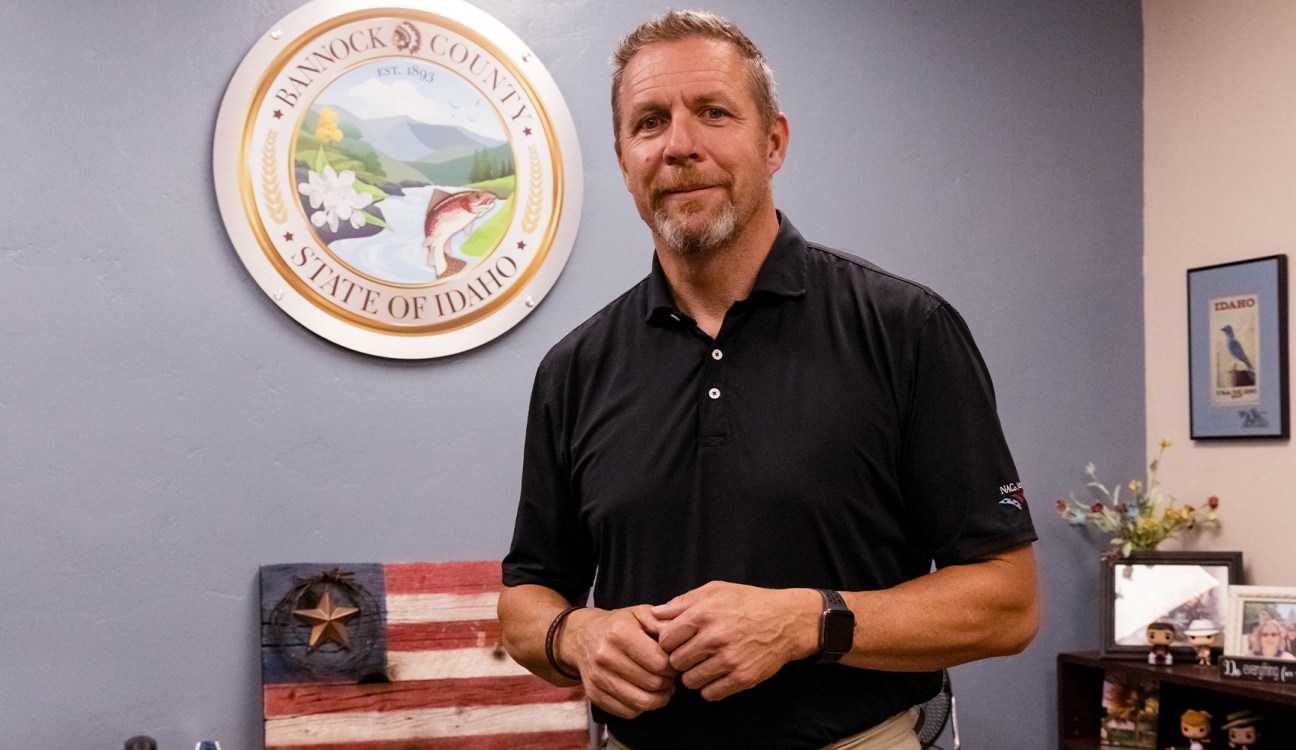
However, the political winds in Idaho are shifting. Having ascended to the role of chair of the county commission, Hough has spent the intervening years building a coalition to reverse that decision. As the county prepares for a pivotal vote this fall, the proposed new ordinance includes language that would not only welcome solar and wind projects but also open the door for nuclear energy development. This shift represents a high-stakes test case for rural America, pitting the desire for economic revitalization against the preservation of traditional landscapes.
A Growing National Trend of Resistance
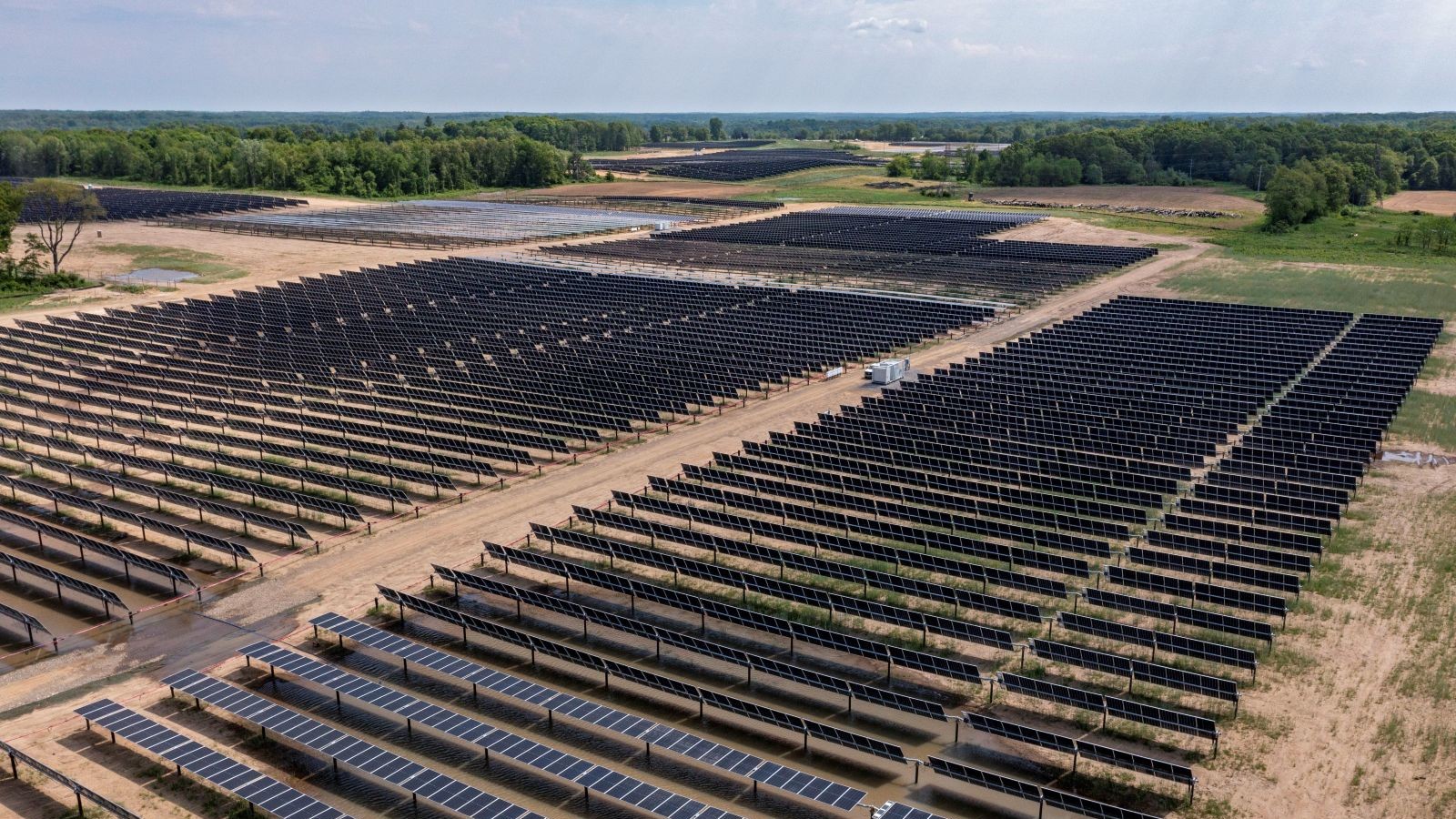
The situation in Bannock County is not an isolated event but rather a localized chapter of a broader national narrative. By 2025, approximately one in four U.S. counties had implemented some form of moratorium, restrictive zoning, or complete ban on clean energy development. This represents a significant increase from 15 percent in 2023. Analysis from the Daily Yonder and Canary Media indicates that over 60 percent of these restrictive policies are found in rural counties, often driven by concerns over land use, property values, and the visual transformation of agricultural regions.
The legislative tension in Bannock County is exacerbated by the urgent need for power. Idaho Power, the state’s primary utility, projects an increase in electricity demand of roughly 1 gigawatt by 2030—a 26 percent surge. For industry experts like Aaron Menenberg, policy manager for Renewable Northwest, the economic future of the state hinges on its ability to build necessary infrastructure. "The need to build stuff now is critical to Idaho’s economic future," Menenberg said. "We can’t afford to say no to anything."
The Economic Case for Energy Development
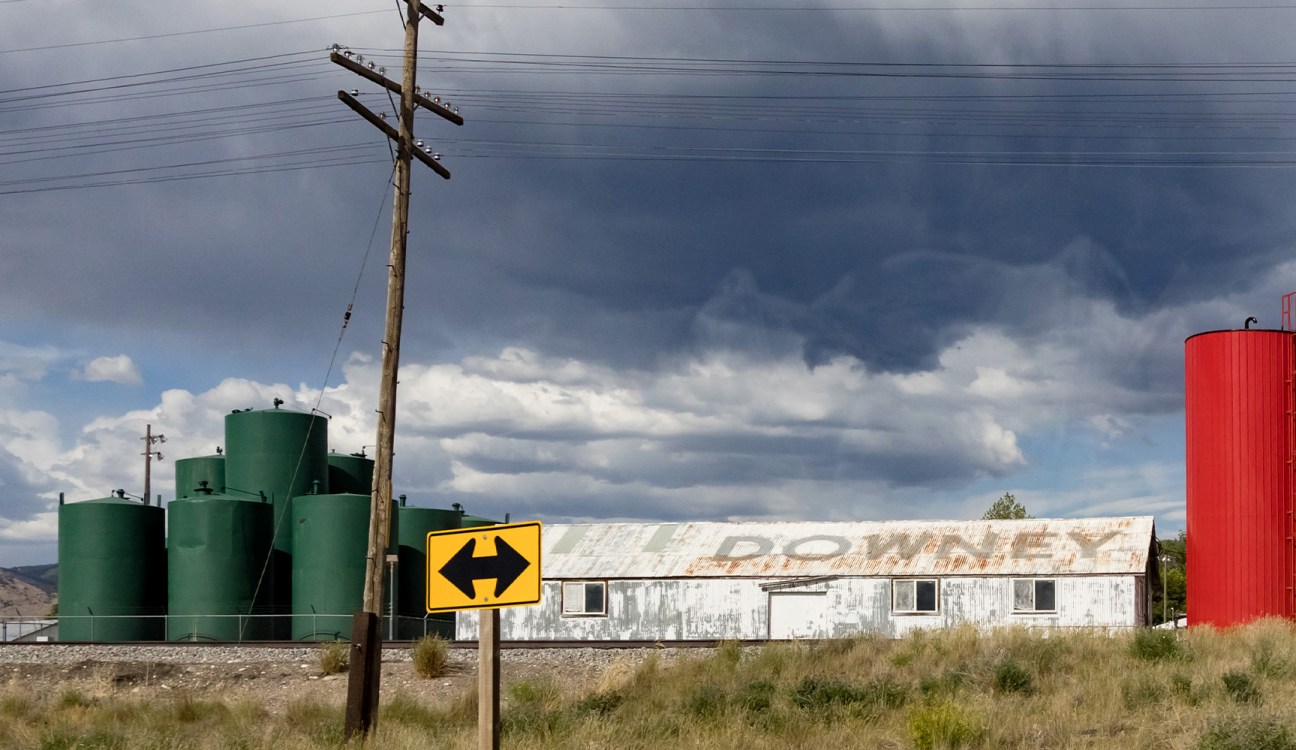
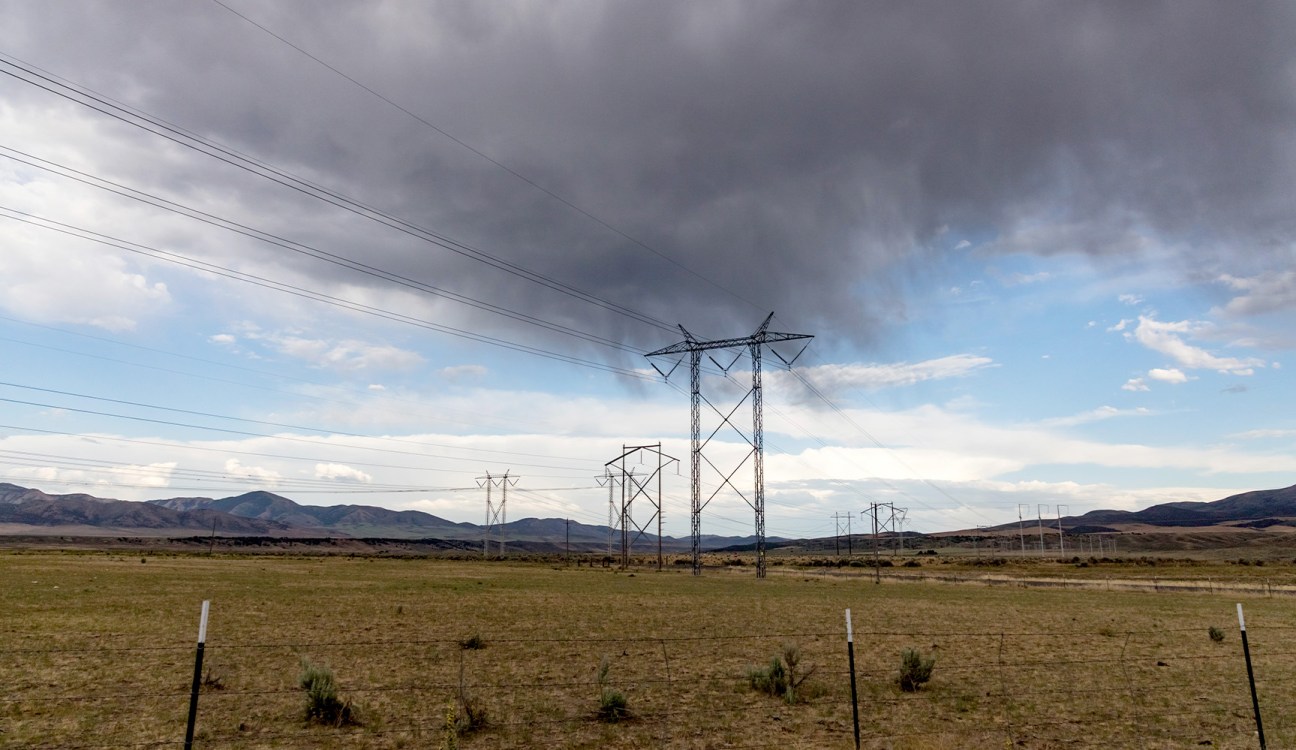
Bannock County occupies a strategic geographic position, located just a few hours north of Salt Lake City and within striking distance of the Teton Range. More importantly, it is home to the Populus substation, a vital node for regional power transmission connecting Idaho, Utah, Wyoming, and the Pacific Northwest. Proximity to such infrastructure drastically reduces the cost of power delivery, offering tangible savings to utility customers.
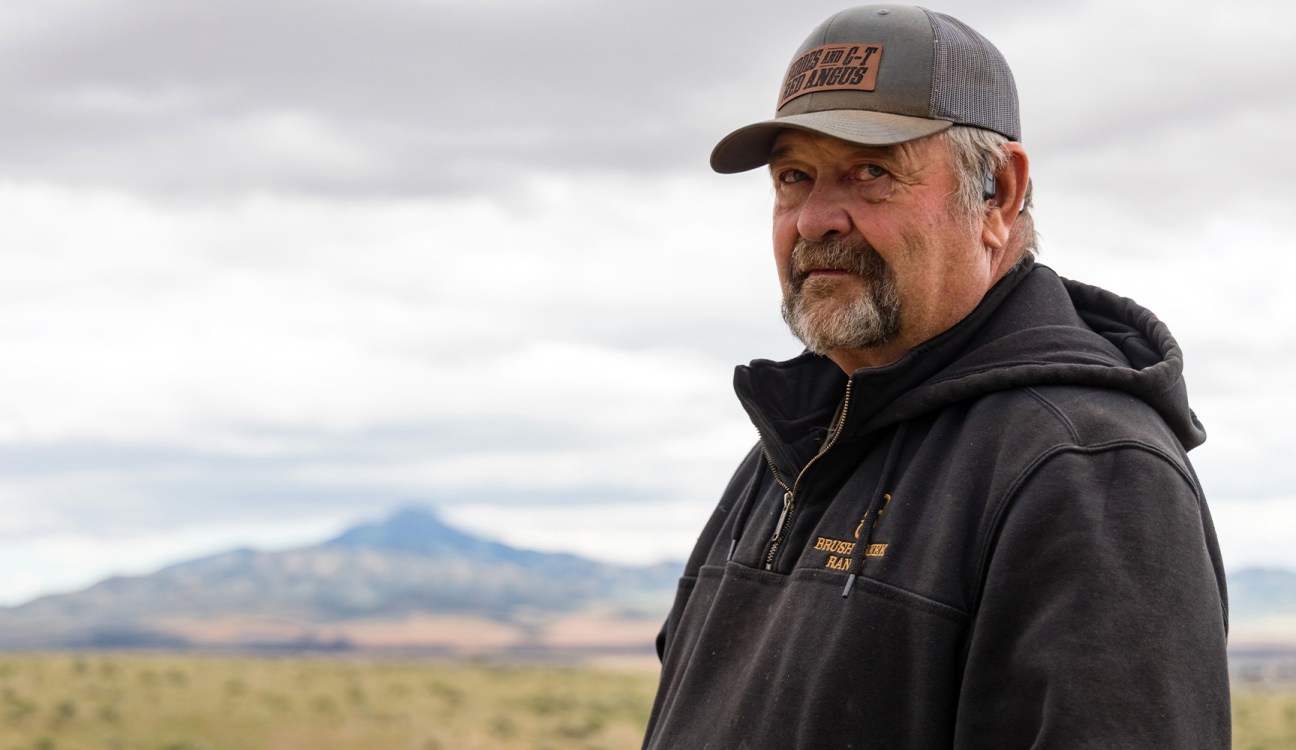
For Commissioner Hough, however, the primary motivation is local economic development. Bannock County has experienced slower population growth compared to the rest of Idaho, and many rural communities have seen a decline in essential services. With climate change exacerbating drought conditions and threatening the viability of traditional dry-land farming, solar and wind leases offer a lifeline. Neighboring Power and Bingham counties provide a compelling case study; in 2024, renewable projects in those regions generated over $1.5 million in combined tax revenue, funding schools, emergency services, and local infrastructure.
The Anatomy of the Conflict
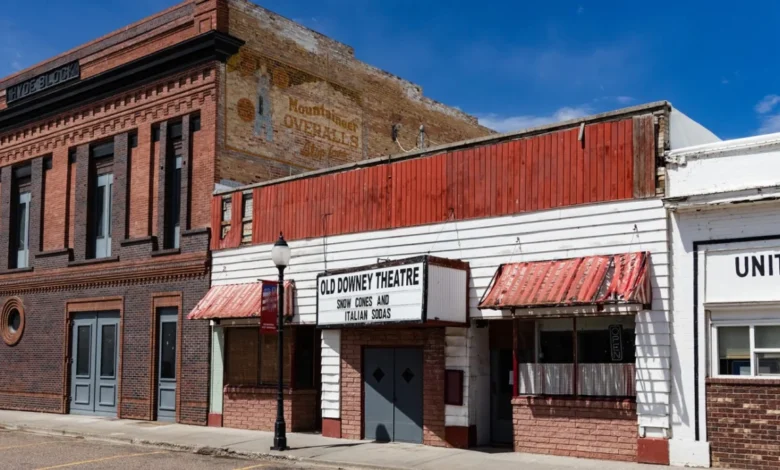
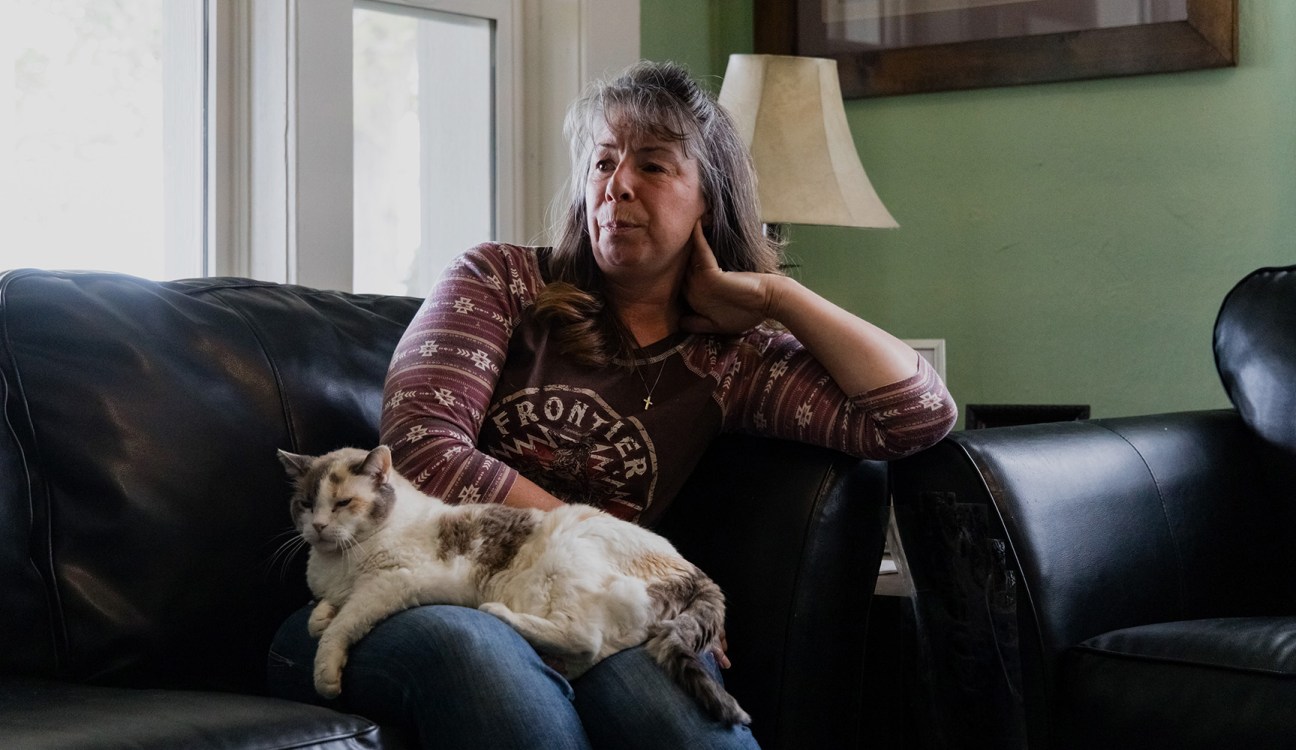
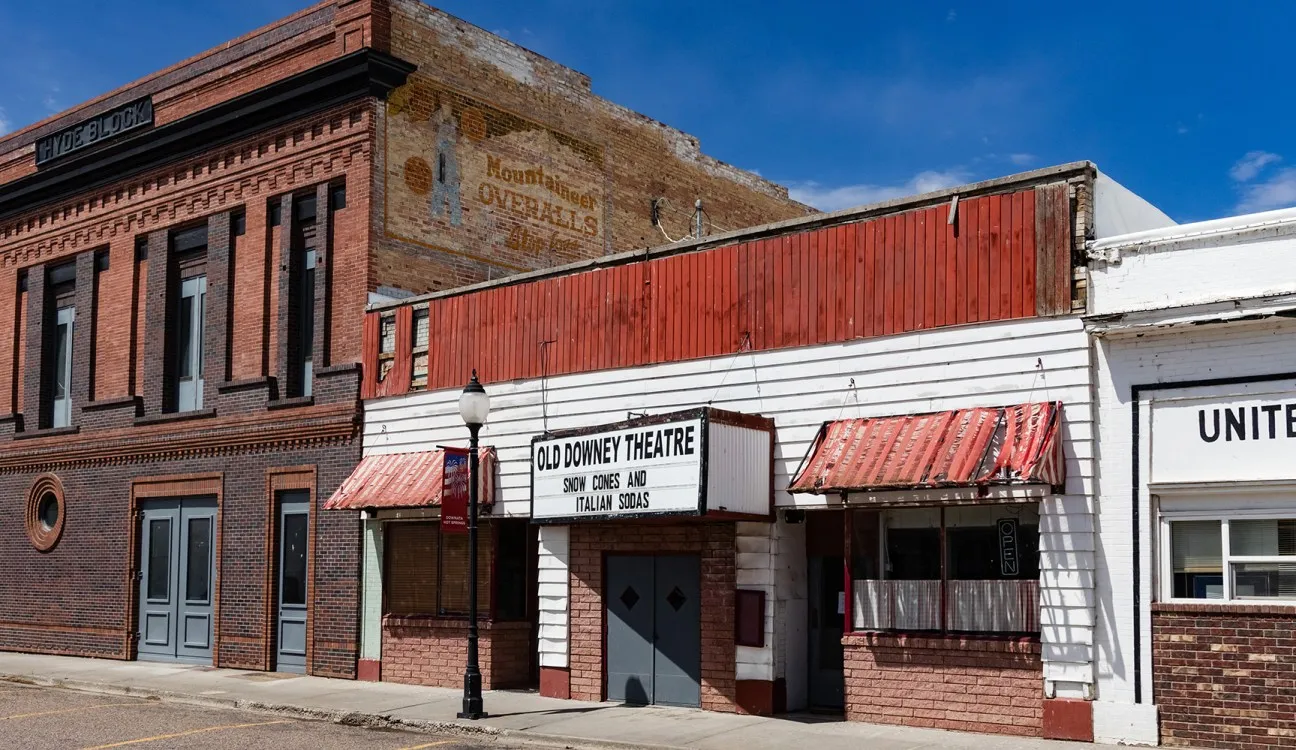
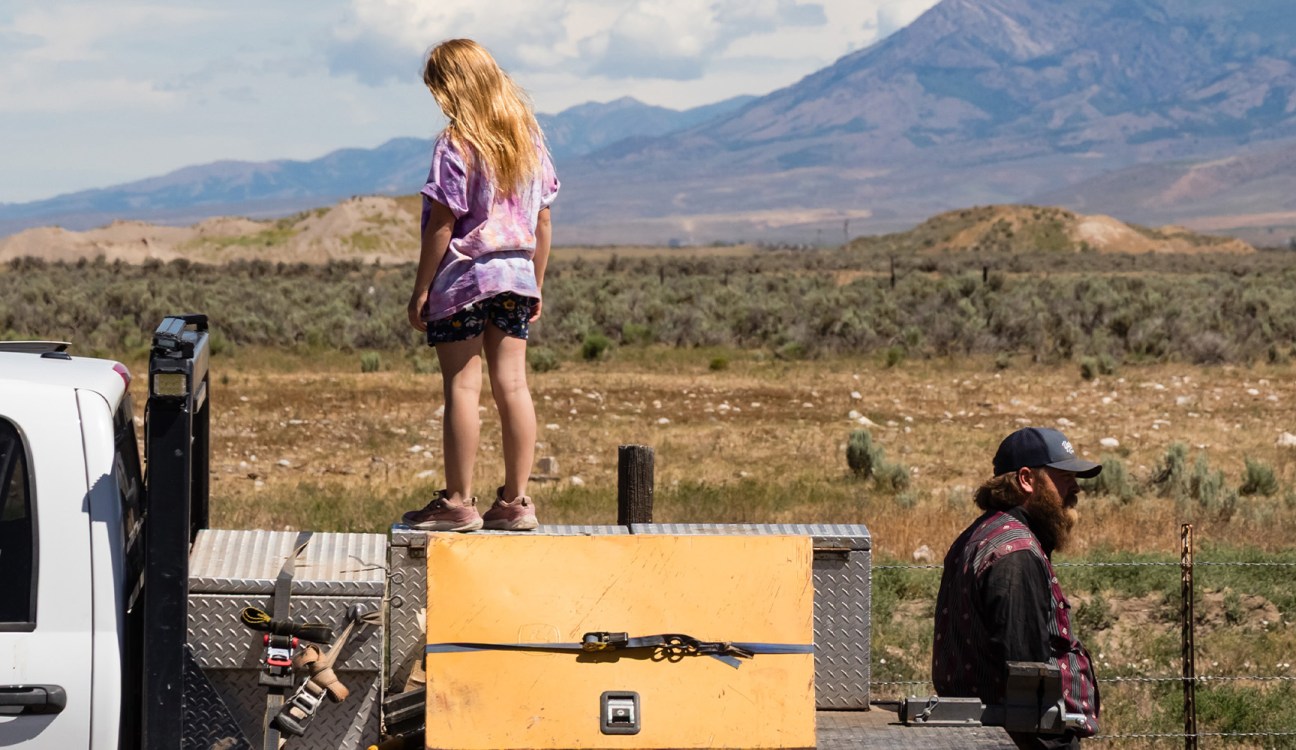
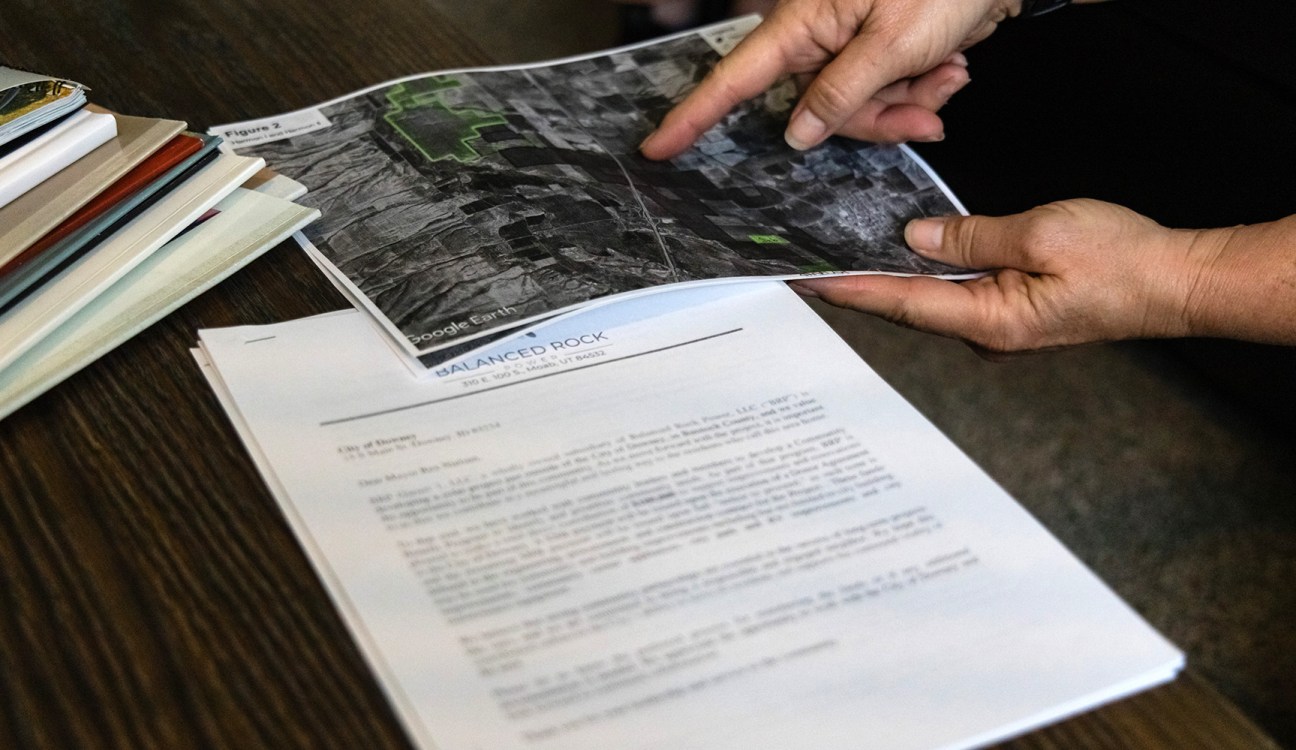
The opposition to renewable energy in Bannock County is deeply rooted in local identity. Figures like Rebecca Falcon, a long-time resident of Downey, have emerged as central voices in the anti-development movement. Their skepticism is fueled by concerns over the longevity of projects, the impact on prime agricultural land, and the perception that energy companies operate with insufficient transparency.
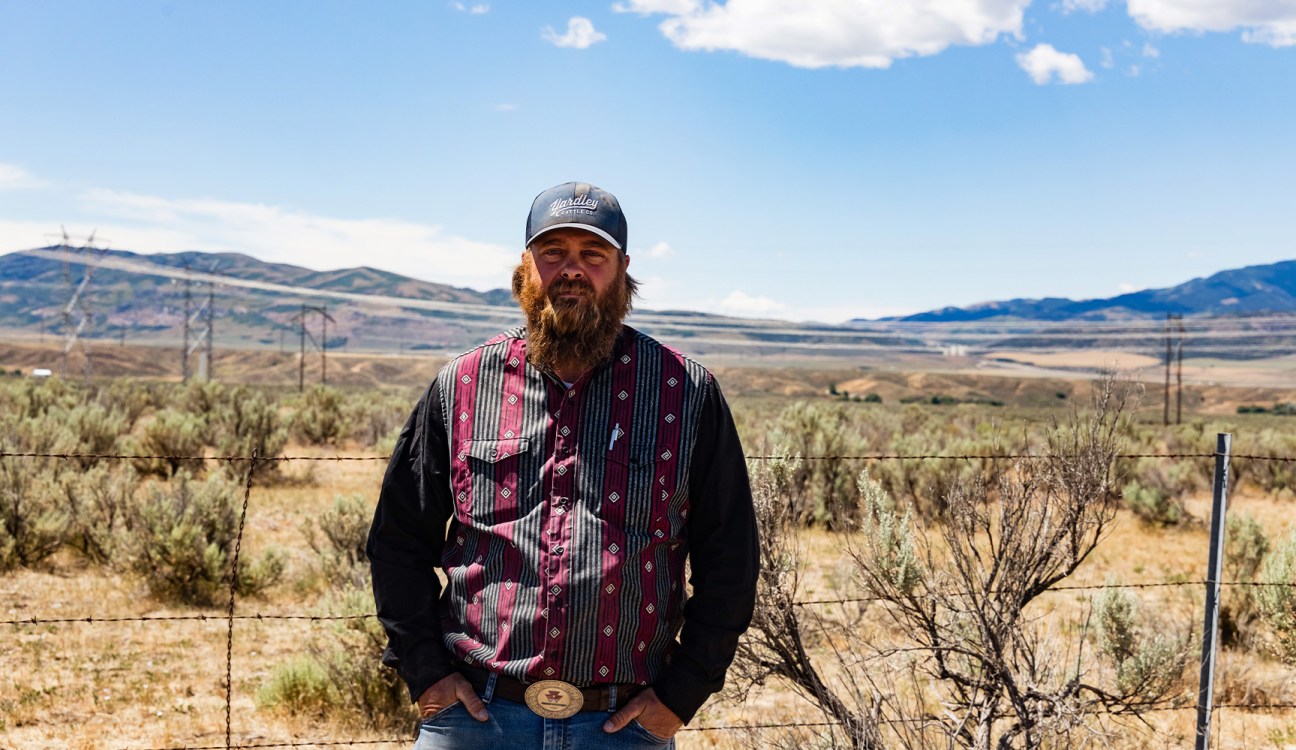
The conflict gained momentum in late 2023 following the Idaho Association of Counties conference in Boise. At that time, the now-canceled Lava Ridge Wind Project—a massive 1-gigawatt proposal on federal land—dominated headlines, creating widespread anxiety among local officials about losing control over their community’s land-use decisions. When developers approached local landowners in Bannock County, Hough initially proposed a six-month moratorium, intending only to create a regulatory framework. Instead, the moratorium became a rallying cry for residents who wanted a permanent ban, leading to the contentious vote in March 2024.
The Nuclear Alternative
As the county revisits its energy policy, the conversation has increasingly turned toward nuclear power. In a county survey conducted in January 2026, 90 percent of over 700 respondents expressed favorable views toward nuclear energy. This alignment with the nuclear industry is not surprising given the presence of the Idaho National Laboratory (INL) in the region.
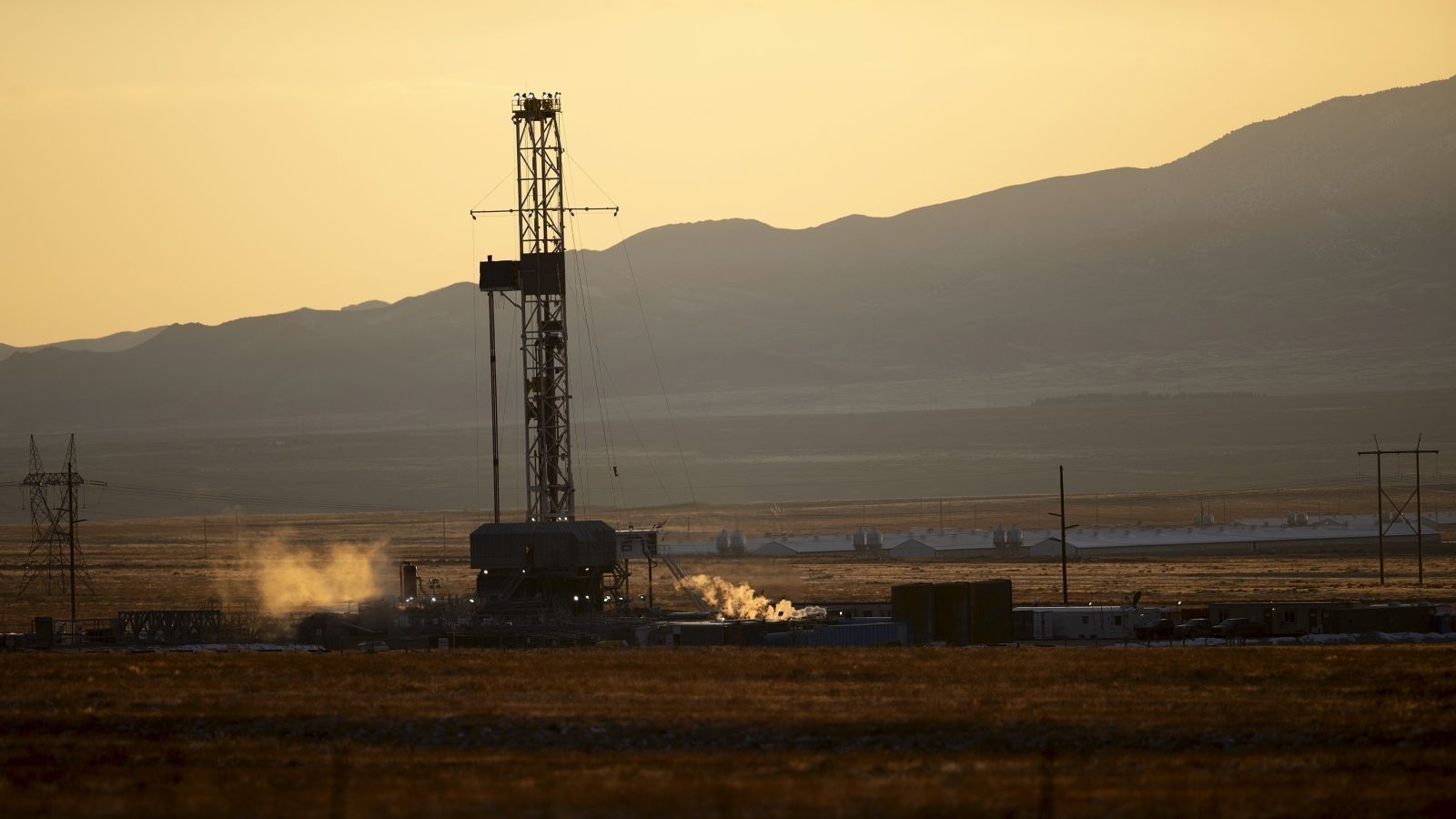
The push for nuclear power is bolstered by the emergence of small modular reactors (SMRs) and microreactors. With the federal government and private entities like TerraPower investing heavily in next-generation nuclear technology, proponents see a potential economic engine that requires less surface area than large-scale solar farms. Supporters of the new ordinance, including Commissioner Hough, argue that while nuclear is the long-term goal, renewables are necessary to fill the gap during the decade or more required to bring nuclear reactors online.
Technical and Regulatory Safeguards
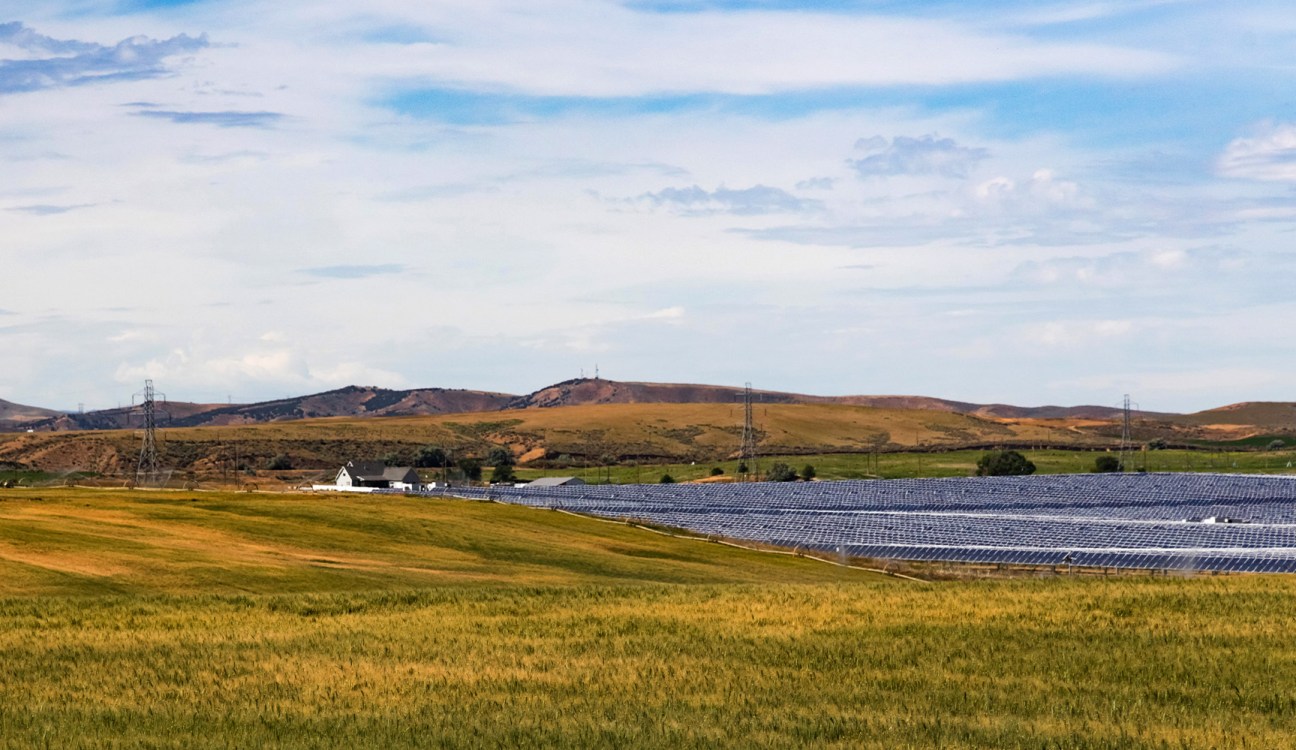
The proposed ordinance currently under review seeks to address the specific fears of the opposition. To mitigate concerns regarding the end-of-life cycle for solar farms, the draft requires developers to pay into a decommissioning bond. This ensures that when a project reaches the end of its 35- to 40-year lifespan, the land can be restored to its pre-construction state.
Furthermore, the new language directly addresses fire safety, a major sticking point for local volunteer fire departments. Developers would be required to fund specialized equipment and training for local first responders, addressing the apprehension surrounding battery energy storage systems. Despite these concessions, the opposition remains firm, with some arguing that the visual impact and the potential loss of "agricultural character" are irreversible.
Implications for the Future
The upcoming vote on the new energy ordinance will serve as a bellwether for how rural jurisdictions reconcile the demands of a modernizing energy grid with the preservation of local heritage. Commissioner Ernie Moser, who previously supported the ban, has signaled a shift in perspective, noting that his concerns have lessened as he has learned more about the industry. His potential change of heart, combined with the clear support for nuclear development, may provide the necessary political cover to repeal the ban on renewables.
However, the path forward remains complex. The transition to a cleaner energy mix involves not just technical upgrades but also the difficult work of community consensus. As Bannock County stands at this crossroads, the decision made by the three commissioners will resonate far beyond its borders. It will answer a fundamental question: can a rural community effectively manage the transformation of its landscape, or will the fear of change result in the stagnation of the local economy?
For now, the stakeholders wait. Farmers like Steve Criddle and Dale Lish, who see in solar a chance to sustain their family legacies in an era of unpredictable weather, hold out hope that the county will choose to be "open for business." Meanwhile, opponents like Falcon continue to scrutinize every detail, determined to ensure that their vision of the valley is protected. The final vote will not merely be an administrative act; it will be a reflection of the values and priorities of a community navigating an uncertain future.
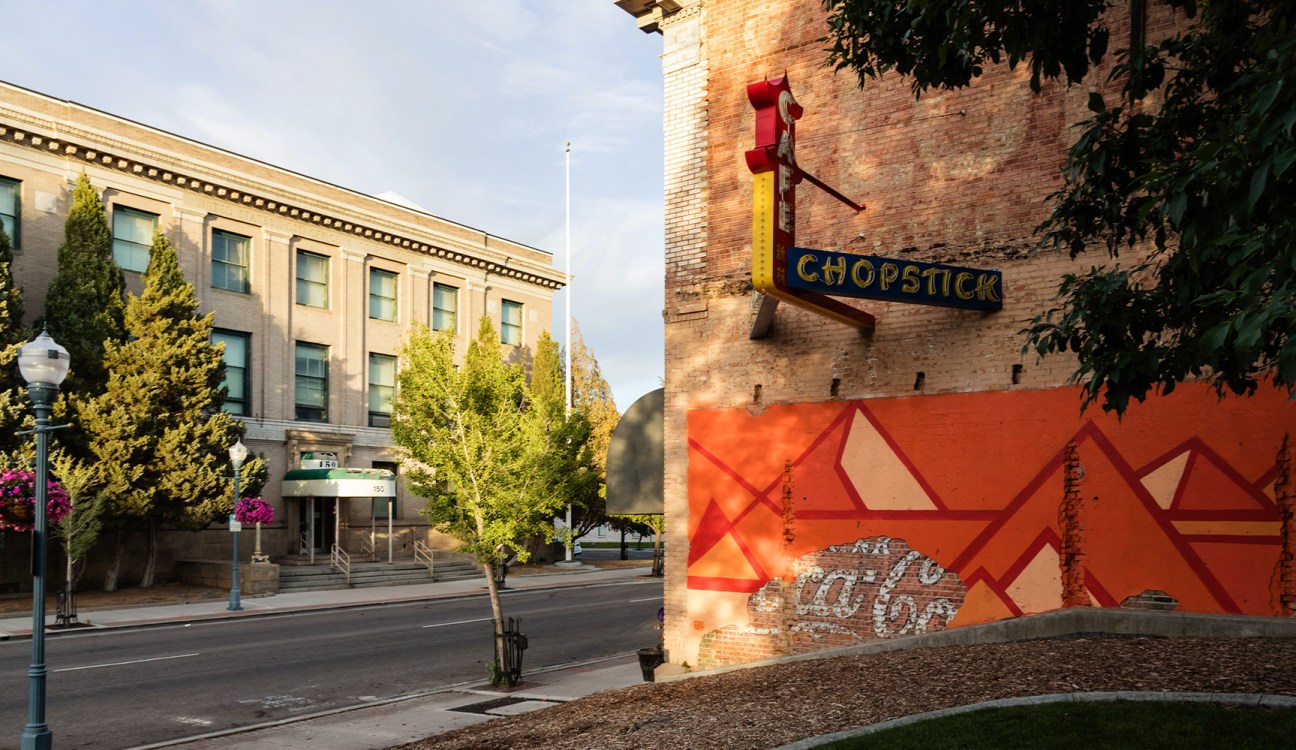
As the autumn deadline for the final vote approaches, the eyes of regional energy planners and local advocates alike will be fixed on the Bannock County courthouse. The result will likely determine whether the region becomes a pioneer in diversified energy production or remains a cautionary tale of how public debate can stall the integration of critical infrastructure. Regardless of the outcome, the process has underscored the reality that the transition to new energy paradigms is as much a social and political challenge as it is a technical one.