The Climate Paradox: Why the Pacific is Boiling While the Atlantic Stays Quiet



Off the western coast of South America, the equatorial Pacific is currently host to a meteorological phenomenon of historic proportions. The cyclical climate pattern known as El Niño, defined by the periodic warming of sea surface temperatures, has mutated into an unprecedented weather event. With anomalies now exceeding 3 degrees Celsius above the historical average, this iteration stands as the most intense El Niño recorded since the advent of satellite-based oceanic monitoring fifty years ago. Climate researchers project that the warming trend will persist for several months, with sea surface temperatures potentially climbing to 4 degrees Celsius above the norm by the end of the year.
The current trajectory of this event has moved well beyond standard variability. Zeke Hausfather, a lead climate scientist at the research organization Berkeley Earth, noted that the event has already entered uncharted territory. "This event is already in record territory," Hausfather stated. "Every climate model currently in use suggests that the warming trend will continue to intensify through the final quarter of the year."
A Tale of Two Oceans
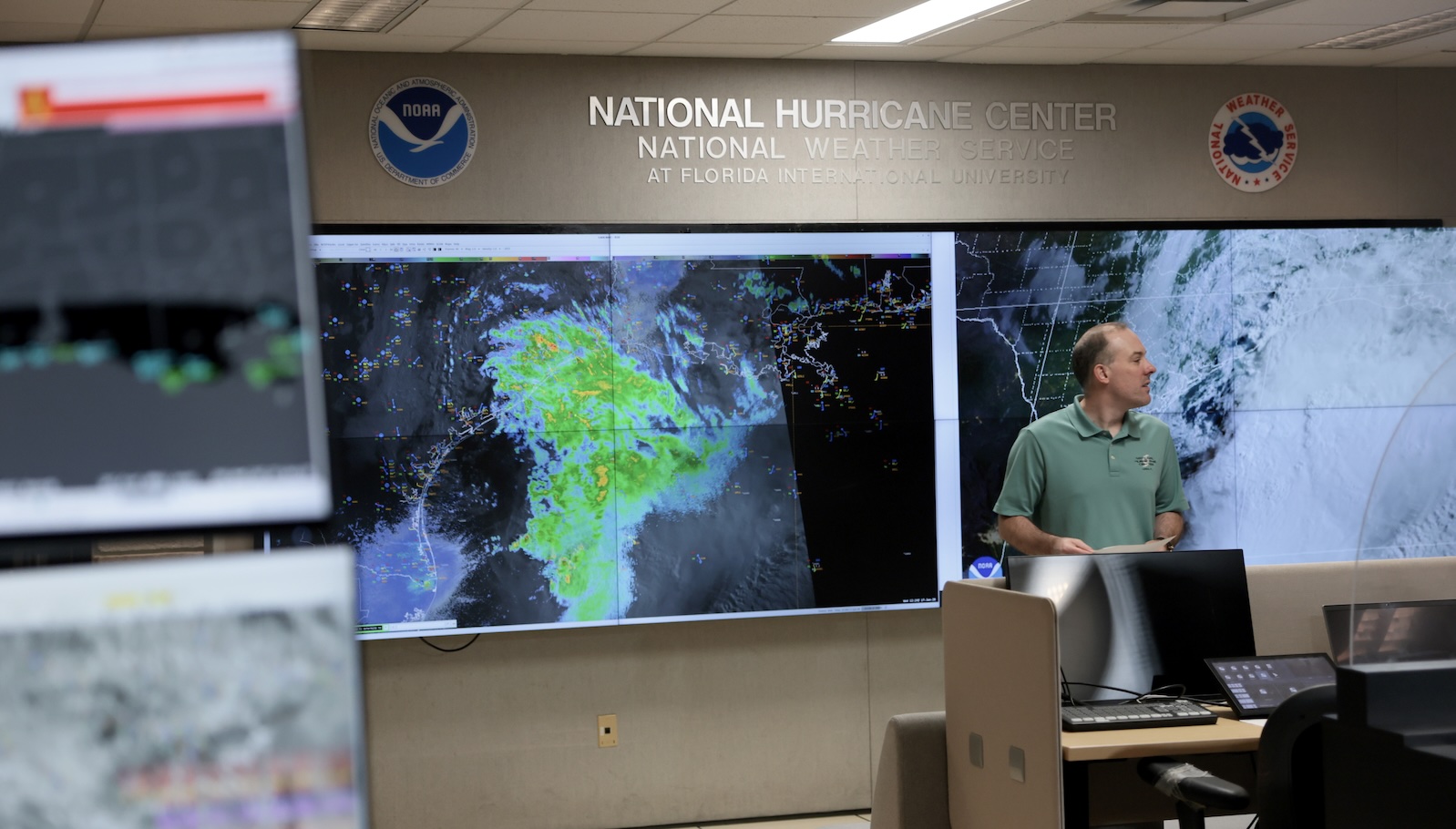
The current atmospheric state presents a striking global dichotomy. While the Pacific experiences extreme warming, the Atlantic hurricane season—traditionally a period of intense cyclonic activity—is undergoing a period of anomalous stagnation. The Atlantic hurricane season, which officially began in June, has failed to produce a single named hurricane as of late September. Historically, by this stage of the season, meteorologists expect at least four hurricanes, two of which typically reach major intensity (Category 3 or higher). The previous record for the latest arrival of the first hurricane in an Atlantic season was September 11, a threshold that has already been bypassed, signaling a profound shift in expected seasonal behavior.
This geographic discrepancy is not coincidental; it is a direct consequence of the interaction between the Pacific’s thermal energy and global wind circulation. To understand why the Atlantic remains eerily quiet despite an abundance of warm surface water, one must look at the mechanical "engine" of a hurricane. A tropical cyclone requires three primary conditions to develop and thrive: high sea surface temperatures, high humidity, and consistent wind flow. While the Atlantic possesses the thermal "fuel" necessary for storm development, the Pacific’s El Niño is disrupting the necessary atmospheric stability.
El Niño increases wind shear—the variance in wind speed and direction at different altitudes—across the Atlantic basin. This creates a turbulent atmospheric environment that prevents the organized development of cyclonic structures. Furthermore, the Pacific warming pattern generates masses of dry, sinking air that inhibit the moisture retention required for hurricane formation. Brian McNoldy, a senior research associate at the University of Miami’s Rosenstiel School of Marine, Atmospheric, and Earth Science, describes the current state of the Atlantic as a suppressed environment. "Hurricanes do not like high wind shear," McNoldy explained. "If any storm manages to initiate, the shear acts as a limiting factor on both its intensity and longevity. At present, the intensity of this El Niño is sufficient to suppress cyclonic formation across the deep tropics entirely."
The Pacific Coast Under Siege
While the Atlantic remains suppressed, the Pacific coast of the Americas is facing the direct, violent consequences of these elevated water temperatures. In late September, Hurricane Polo underwent a period of rapid intensification—a process defined by an increase in sustained wind speeds of at least 35 mph within a 24-hour window. Polo transitioned from a tropical storm to a Category 5 hurricane in less than 24 hours, fueled by the exceptionally warm Pacific waters. Models indicate that the storm is on a path for landfall in Baja California, Mexico, presenting an acute threat to infrastructure and human life. Simultaneously, the tropical system Nolo has intensified into a hurricane, threatening the Hawaiian Islands with the potential for several feet of rainfall and catastrophic flooding.
Broader Global Implications
The implications of a 4-degree Celsius anomaly in the Pacific are global in scale. Beyond storm activity, El Niño significantly alters precipitation patterns worldwide. Increased rainfall is anticipated for the Southwestern United States and parts of California, while regions such as Southeast Asia, the Amazon rainforest, and Sub-Saharan Africa are facing the prospect of severe, prolonged droughts.
The economic and human costs of these shifts are significant. Climate models suggest that the heat generated by this event could have severe public health consequences. Estimates from the Impact Lab suggest that the total heat-related mortality for the first nine months of this specific El Niño event could reach 451,000 individuals globally. Furthermore, the disruption of agricultural cycles poses a threat to food security. "The primary economic and human impact of these events, historically speaking, is rooted in crop failure," Hausfather noted. "Subsistence farmers in vulnerable regions are at the highest risk, as their livelihoods depend on stable seasonal rainfall that is now being fundamentally disrupted."
Scientific Context: The Role of Ocean Heat Content
The concern among the scientific community is not merely the surface temperature of the water, but the sheer volume of heat energy involved. Art Miller, a climate scientist at the Scripps Institution of Oceanography, emphasizes the disparity between the ocean’s heat capacity and that of the atmosphere. "The ocean has a massive heat content—approximately 1,000 times the capacity to store energy compared to the atmosphere," Miller explained. "Because of this, even slight fluctuations in ocean surface temperatures translate into massive, long-lasting changes in atmospheric conditions."
This event serves as a bellwether for the future of the global climate. While current models anticipate the eventual waning of this El Niño, the baseline temperature of the Earth continues to rise. Scientists warn that this event provides a preview of what the global climate will look like in approximately 20 years. When future El Niño events occur, they will be layered on top of a significantly higher planetary thermal baseline, potentially creating even more extreme weather scenarios.
Policy and Mitigation Strategies
In response to the growing threat of climate instability, government agencies and international organizations are pivoting toward proactive disaster management. The primary focus for policy experts currently revolves around resource management and the protection of global food supply chains.
- Agricultural Resiliency: Governments are encouraged to prioritize the stockpiling of food reserves and the establishment of robust financial transfer systems. These mechanisms are designed to provide immediate fiscal support to farmers who experience total harvest failures, ensuring that they can purchase necessary sustenance during periods of drought.
- Wildfire Prevention: As El Niño dries out landscapes, the risk of catastrophic wildfires increases. Mitigation strategies include the implementation of rigorous controlled burn programs to clear dead brush and reduce the fuel load in forested areas. Additionally, there is a renewed emphasis on restricting agricultural waste burning, which is a leading cause of accidental wildfires.
- Infrastructure and Emergency Training: There is a growing consensus regarding the need to increase the supply of firefighting equipment and to accelerate the training of emergency response personnel. The goal is to ensure that when fires inevitably occur, they can be contained before they result in the destruction of entire ecosystems or human settlements.
The current El Niño is not an isolated event; it is a profound interaction between natural climate variability and the overarching trend of anthropogenic climate change. As Zeke Hausfather concluded, the event is occurring on a thermal baseline significantly higher than that of a century ago. "Everything is happening on a foundation that is much hotter than it was in the past, which makes the impacts of this event correspondingly more severe," he stated. "It is a clear, sobering glimpse into the future of our planetary climate."
Related posts: