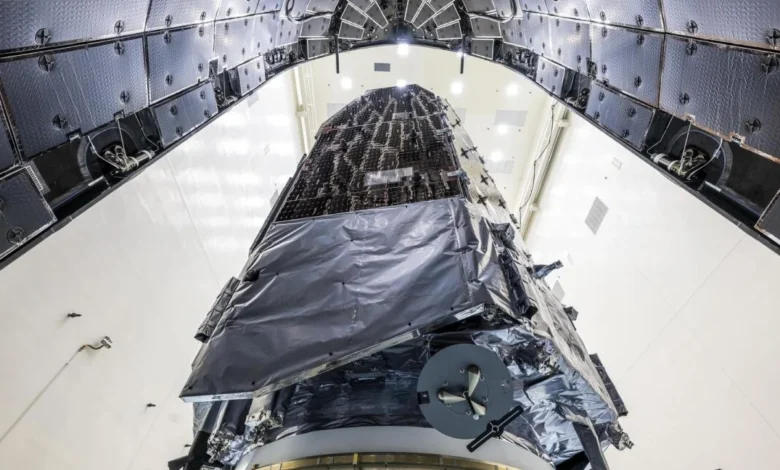
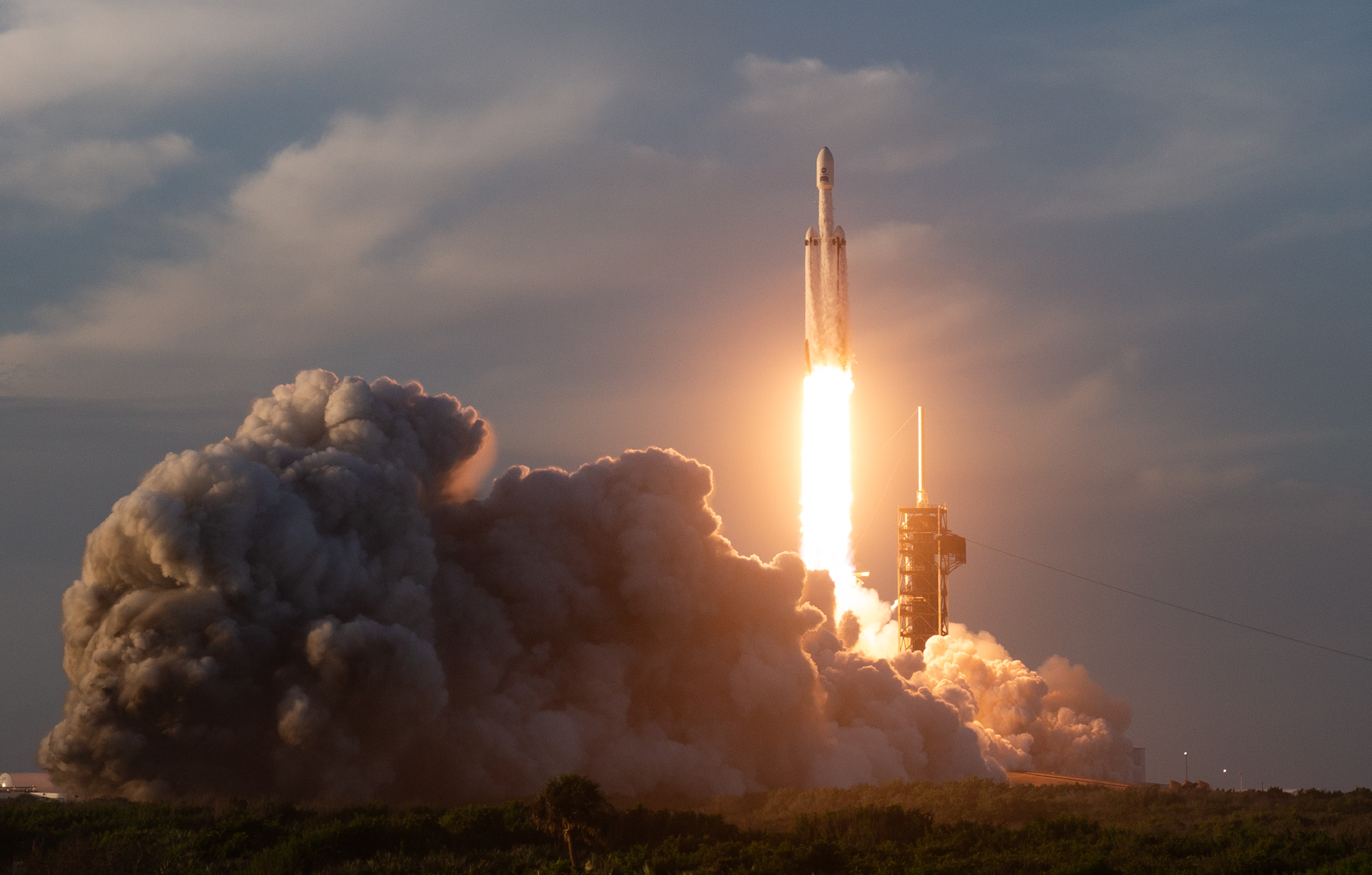
The $4.3 billion mission, which launched on August 30 from Kennedy Space Center, was lifted into orbit by a SpaceX Falcon Heavy rocket. The vehicle delivered the observatory into a highly efficient departure path toward the Sun-Earth L2 Lagrange point, a gravitationally stable region approximately one million miles from Earth. The extreme accuracy of this injection, combined with a lower-than-expected launch mass, has fundamentally altered the mission’s operational landscape.
A Masterclass in Orbital Precision
The transition from Earth to the L2 point is a complex maneuver requiring multiple precise thruster firings. Typically, a significant portion of a spacecraft’s onboard fuel is consumed during the initial trajectory correction maneuvers (TCMs) in the days following launch. However, the performance of the Falcon Heavy exceeded the requirements set by NASA’s orbital dynamics team.
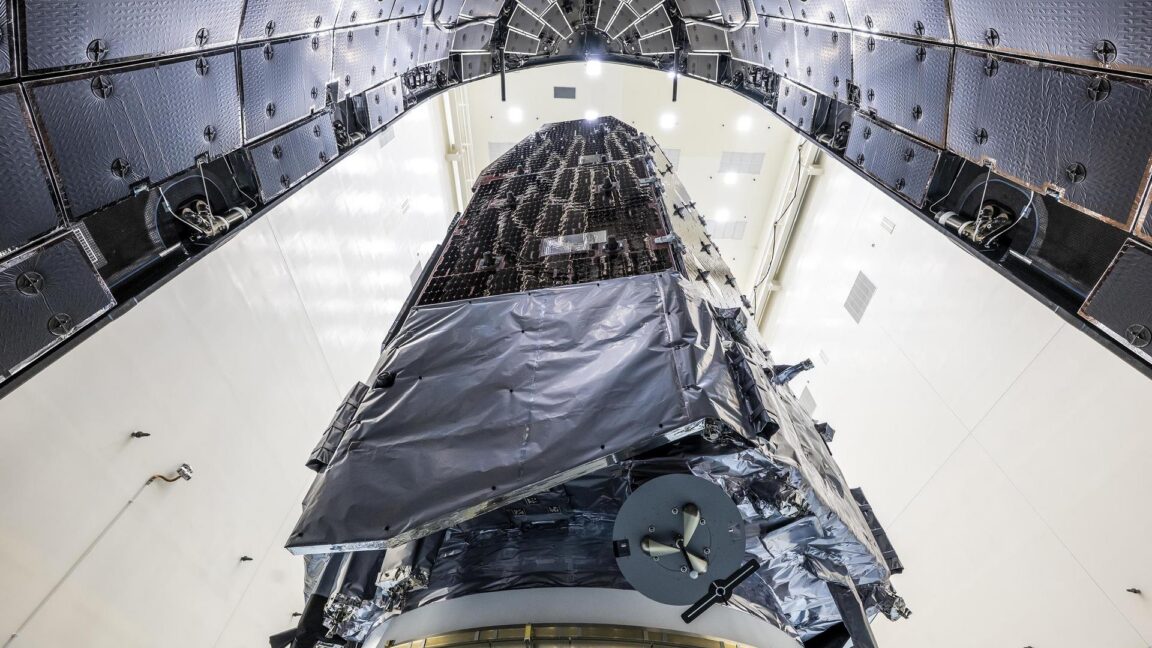
According to agency reports, the first major course correction burn, which took place 24 hours after launch, utilized only 40 pounds (18 kilograms) of hydrazine propellant. The mission profile had pre-allocated 441 pounds (200 kilograms) for this specific phase of the journey. This massive surplus, coupled with the fact that the final flight-ready mass of the observatory was nearly two tons lighter than its maximum design limit, allowed ground crews to maximize the fuel load during the final integration phase.
By filling the propellant tanks to their full capacity, rather than limiting them to the calculated requirement for a ten-year mission, NASA has effectively future-proofed the observatory against the standard degradation of station-keeping thrusters. This ensures that the Nancy Grace Roman Space Telescope will remain a cornerstone of astronomical research well into the 2040s.
The Scientific Significance of the Roman Mission
The Nancy Grace Roman Space Telescope is frequently described as a successor to the Hubble Space Telescope in terms of resolution, but it operates with a dramatically different philosophy. While Hubble was designed for deep, narrow-field observations of specific targets, Roman is engineered for massive surveys.
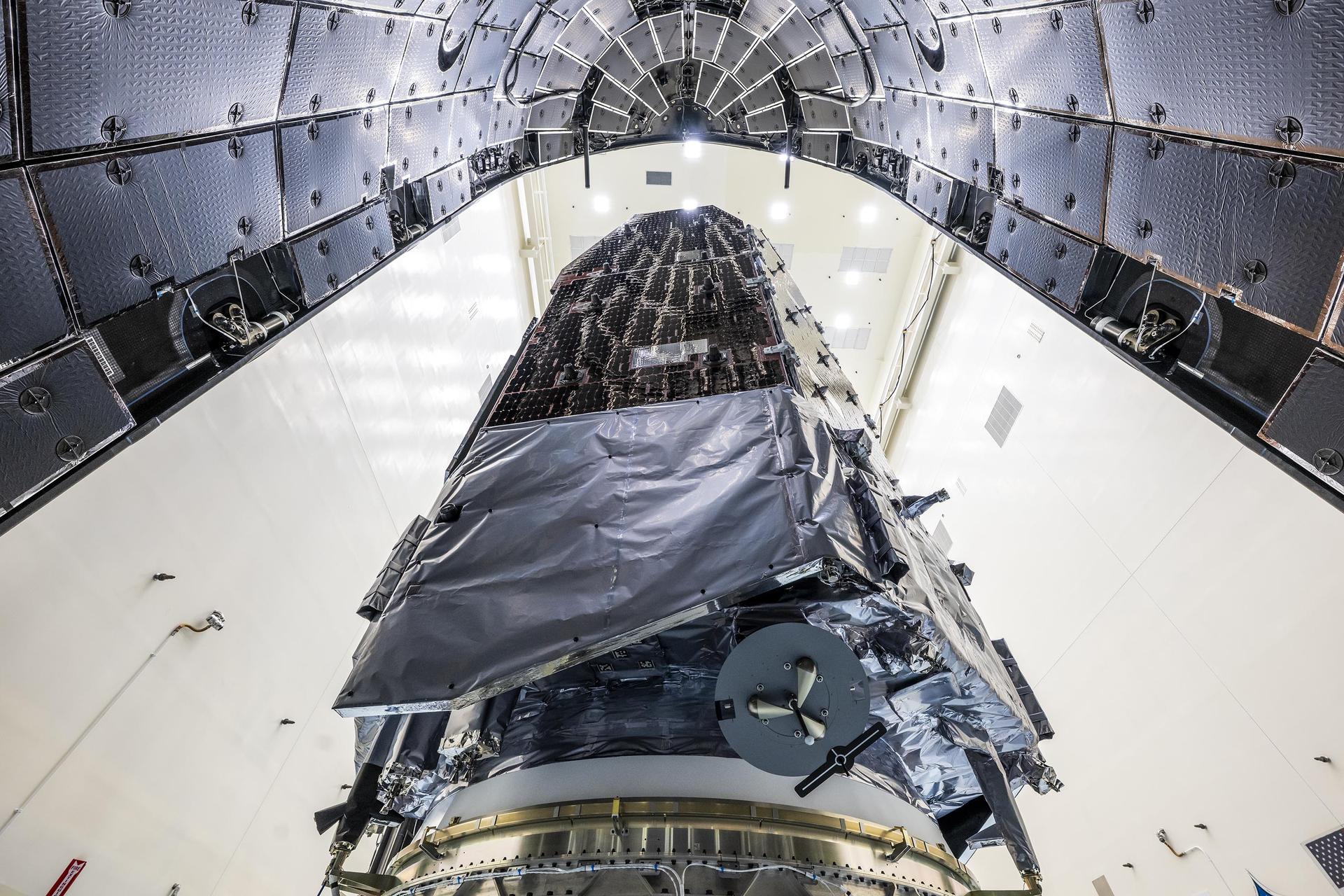
The telescope’s Wide Field Instrument (WFI) features 18 near-infrared detectors capable of producing 300-megapixel images. This technology provides a field of view 100 times greater than that of Hubble. In practical terms, an observation that would take the Hubble Space Telescope a century to complete can be performed by the Roman telescope in roughly one month.
This unprecedented survey capability is specifically designed to address some of the most profound questions in modern astrophysics. By mapping thousands of square degrees of the sky, the mission aims to track the evolution of galactic clusters and the distribution of dark matter. These observations are critical to understanding "dark energy," the mysterious force that currently drives the accelerated expansion of the universe. By measuring the expansion rate of the universe over cosmic time, researchers hope to determine whether dark energy is a constant property of space or a dynamic force that changes over eons.
Strategic Infrastructure for Future Servicing
Beyond its expanded operational life, the Roman mission marks a paradigm shift in how NASA approaches the longevity of its flagship assets. Historically, telescope maintenance—such as the five famous Space Shuttle missions to service Hubble—required human intervention. Because the Roman telescope is destined for the remote L2 point, it is beyond the reach of traditional human repair missions.
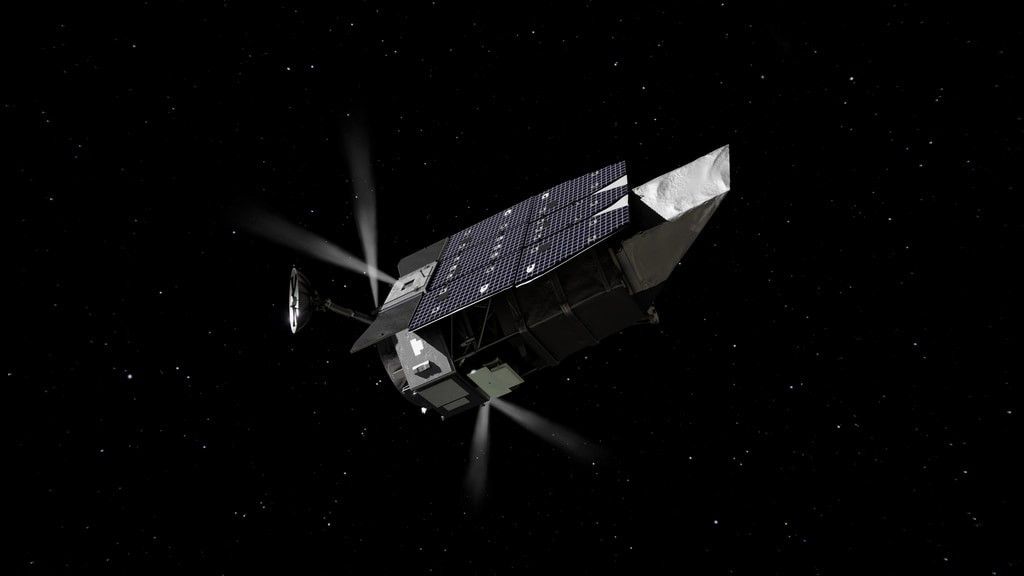
Recognizing the limitations of distance, NASA engineers integrated a suite of features to allow for potential robotic servicing. The observatory is equipped with a dedicated grapple fixture, a standard docking interface similar to those used on the International Space Station. Additionally, the spacecraft features specialized navigation aids, including retroreflectors and clearly marked external reference points, to guide a potential autonomous or remote-operated servicing craft during a rendezvous.
The thermal blanketing surrounding the fueling port was designed with magnetic closures, allowing a robotic manipulator to easily access and seal the system. While no current spacecraft is capable of reaching the L2 point to perform such a task, the inclusion of these features serves as a "future-proof" safeguard. It establishes a technical standard for the next generation of robotic orbital maintenance, potentially allowing the mission to be extended even beyond its current 22-year projection if a refueling capability is developed in the coming decades.
Operational Status and Early Milestones
Two weeks into its journey, the Nancy Grace Roman Space Telescope continues to report nominal health across all subsystems. On September 1, the telescope successfully deployed its aperture cover, exposing the primary mirror to the deep-space environment for the first time.
Amit Kshatriya, NASA’s associate administrator, noted during the Glenn Space Technology Symposium that initial data returns from the Wide Field Instrument have been flawless. The detectors are currently cooling to their required operating temperatures, and connectivity tests have confirmed that all 18 sensors are functioning within nominal parameters. Furthermore, the observatory’s coronagraph—a specialized instrument designed to block out the glare of stars to enable the direct imaging of exoplanets—has completed its initial checkouts with successful results.
Broader Implications for Space Policy
The success of the Roman launch and the resulting fuel savings represent a significant win for NASA’s management and engineering teams. Launching nine months ahead of the baseline schedule set during the 2020 confirmation review is an anomaly in an industry often plagued by cost overruns and technical delays.
The implications for the broader space sector are clear: the combination of modern, heavy-lift commercial launch vehicles and high-fidelity mission planning allows for more ambitious science returns at lower operational costs. By demonstrating that an observatory can be both robust and "servicing-ready," NASA is setting a new precedent for the durability of billion-dollar scientific instruments.

As the observatory continues its three-month cruise toward the L2 point, the scientific community looks forward to the "first light" event in early 2027. With a 22-year supply of propellant on board, the Roman mission is not merely a successor to current observatories; it is poised to serve as the backbone of high-resolution, wide-field space science for an entire generation. The mission remains on track to settle into its final quasi-halo orbit by December, where it will begin its mission of unraveling the hidden geometry of the universe.