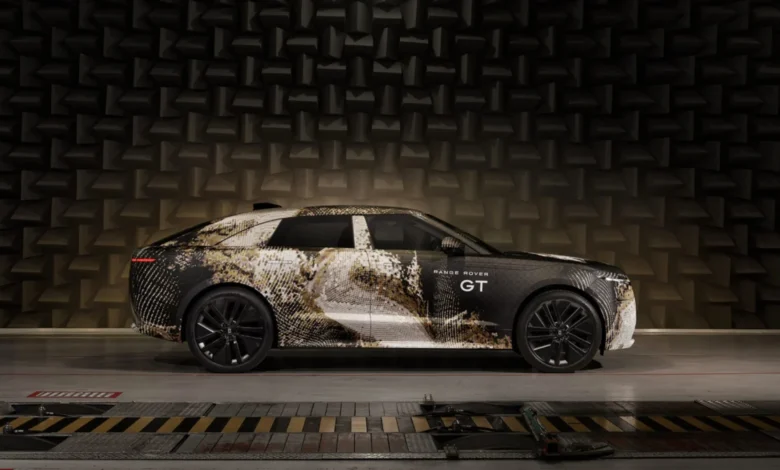
The automotive world is witnessing a significant evolution in luxury mobility, and Range Rover is at the forefront of this transformation with the impending launch of its new Grand Tourer (GT). This vehicle, described by Martin Limpert, managing director of Range Rover, as the culmination of "years working obsessively on the fundamentals of the GT formula, reinterpreted in a sophisticated, uniquely Range Rover way," marks a pivotal moment for the iconic British brand. The Range Rover GT is poised to be the most car-like expression of the marque’s identity, while simultaneously retaining the unmistakable capability that defines every vehicle bearing the Range Rover badge. Its development on the electrified EMA architecture underscores Jaguar Land Rover’s (JLR) aggressive push towards an electrified future, complementing their existing powertrain portfolio and broadening the spectrum of luxury options available to discerning customers.
A New Chapter in Range Rover’s Legacy
Martin Limpert’s statement encapsulates the ambition behind the Range Rover GT: a vehicle designed from the ground up to offer a unique blend of attributes previously considered mutually exclusive in the luxury segment. The meticulous, almost obsessive, focus on fundamentals suggests an engineering and design process that has challenged conventional wisdom, aiming to create a product that not only meets but anticipates future luxury demands. This involves a deep understanding of what constitutes a "Grand Tourer" – a vehicle designed for high-speed, long-distance journeys in comfort and style – and infusing it with Range Rover’s core tenets of refinement, luxury, and unparalleled capability.
The "sophisticated, uniquely Range Rover way" of reinterpretation implies a deliberate departure from traditional GT aesthetics and performance metrics, instead injecting the brand’s distinctive design language, material quality, and commitment to go-anywhere prowess. This positioning is critical in a burgeoning electric vehicle (EV) market where many manufacturers are striving for differentiation. By leveraging its heritage while embracing electrification, Range Rover aims to carve out a niche that none of its luxury rivals can truly replicate. The promise of "effortless EV performance, first-class long-haul refinement and all-terrain capability" forms the triumvirate of the GT’s core appeal, setting a new benchmark for what a modern luxury grand tourer can achieve. Furthermore, the "calming interior" is presented as a preview of Range Rover’s vision for a contemporary grand tourer, hinting at a sanctuary-like cabin experience tailored for ultimate comfort and reduced sensory overload.
The Foundation: Electrified Modular Architecture (EMA)
Central to the Range Rover GT’s innovative spirit is its foundation on the Electrified Modular Architecture (EMA). This platform is JLR’s third dedicated electrifiable architecture, signifying a significant investment and strategic shift within the company. The other two platforms are the Modular Longitudinal Architecture (MLA), currently underpinning the latest generation Range Rover and Range Rover Sport, which supports internal combustion engines (ICE), plug-in hybrid electric vehicles (PHEVs), and battery electric vehicles (BEVs); and the Jaguar Electric Architecture (JEA), a bespoke BEV platform being developed exclusively for Jaguar’s forthcoming all-electric Type 01 and its subsequent luxury models.
JLR’s "Reimagine" strategy, unveiled in 2021, set a clear roadmap for the company’s transformation into an electric-first, modern luxury business. A key pillar of this strategy is the electrification of all Jaguar and Land Rover models by the end of the decade, with the goal of achieving net-zero carbon emissions across its supply chain, products, and operations by 2039. The introduction of EMA is a tangible manifestation of this commitment, showcasing JLR’s multi-platform approach to electrification, tailored to the distinct needs and brand identities of Range Rover and Jaguar. While MLA offers flexibility across various powertrains, EMA is designed with an "electric-first" philosophy, optimized for battery-electric vehicles to maximize efficiency, range, and performance characteristics inherent to EVs. This strategic diversity in platforms allows JLR to cater to a wide array of customer preferences and segment requirements, ensuring that each brand can pursue its unique vision for luxury electric mobility without compromise.
EMA: An Electric-First Approach
The EMA platform represents a leap forward in automotive engineering, specifically designed to harness the full potential of electric powertrains. Unlike platforms adapted from ICE vehicles, an "electric-first" architecture like EMA allows for fundamental design advantages. These include a flatter floor, which liberates significant interior space and allows for more flexible cabin layouts, contributing directly to the "calming interior" described by Limpert. It also facilitates optimal battery packaging, typically low in the chassis, contributing to a lower center of gravity. This, in turn, enhances handling dynamics and stability, crucial for the "car-like" characteristics promised for the GT.
Furthermore, EMA is expected to integrate advanced thermal management systems for its battery packs, ensuring optimal operating temperatures for performance and longevity, especially during high-speed, long-haul journeys. The architecture will also likely incorporate sophisticated electrical systems (potentially 800V) to enable ultra-fast charging capabilities, minimizing downtime and enhancing the practicality of long-distance EV travel. By developing a dedicated electric platform, Range Rover can optimize every aspect of the GT, from weight distribution and structural rigidity to noise, vibration, and harshness (NVH) suppression, ensuring that the electric powertrain’s inherent quietness translates into an exceptionally refined cabin experience, a hallmark of Range Rover luxury.
Design and Interior: A Vision of Modern Luxury
While the Range Rover GT has so far been seen only under camouflage, the insights into its interior suggest a radical yet sophisticated design philosophy. The exterior, hinted at being "most car-like," will likely feature a lower stance and more aerodynamic profile than Range Rover’s traditional SUVs, while still retaining the brand’s unmistakable design cues – perhaps a floating roofline, distinctive lighting signatures, and elegant, minimalist surfacing. The camouflage strategy is a common industry practice to generate anticipation and protect proprietary design elements until the official reveal, which is expected later this year.
The interior, however, has been described as a "clear departure from the cabins of its SUVs," embracing an "ultraminimalist" aesthetic. This approach aligns with a broader trend in luxury design towards reductionism, where complexity is hidden, and the focus is placed on clean lines, premium materials, and intuitive functionality. For Range Rover, this translates into a cabin designed to be a serene, uncluttered environment, enhancing the sense of calm and well-being during journeys. This philosophy is evident in the choice to eschew a third screen for the front passenger, a feature that has become common in some luxury EVs, in favor of a more focused and less distracting cabin. Instead, the driver benefits from a main instrument display and an infotainment touchscreen, both utilizing advanced OLED technology. OLED screens offer superior contrast, deeper blacks, and vibrant colors, contributing to a more immersive and high-quality visual experience. Crucially, Range Rover has made the head-up display (HUD) standard for the GT, projecting essential information directly into the driver’s line of sight, further enhancing safety and convenience by minimizing the need for the driver to divert their gaze from the road.
Balancing Minimalism with Usability and Safety
The decision to adopt an "ultraminimalist" interior while still satisfying safety regulators in Europe and elsewhere is a testament to thoughtful design. Recent guidelines from bodies like Euro NCAP and Australia’s ANCAP have emphasized the importance of physical controls for certain critical functions (e.g., indicators, wipers, hazard lights) to prevent driver distraction and improve safety scores. This stance challenges the prevailing industry trend of integrating nearly all functions into touchscreens, which can be less tactile and require more visual attention. Range Rover’s ability to achieve a minimalist aesthetic while retaining necessary physical controls demonstrates a commitment to both cutting-edge design and practical usability, offering a sophisticated solution that prioritizes driver safety and intuitive interaction. This balance is crucial for a grand tourer, where long-distance driving demands ease of use and minimal cognitive load. The subtle integration of these essential controls ensures that the cabin remains uncluttered without compromising on critical functionality.
Performance and Range Rover’s Unique Capability Blend
The Range Rover GT’s promise of "effortless EV performance" is a direct benefit of its electric powertrain. Electric vehicles are renowned for their instant torque delivery, providing seamless and immediate acceleration without the need for gear shifts. This characteristic is perfectly suited for a grand tourer, offering smooth, refined power for swift overtakes and comfortable cruising. While specific power figures are yet to be revealed, it can be inferred that the GT will offer substantial output, prioritizing linear and composed power delivery over raw, unmanageable force. The inherent quietness of an electric powertrain also contributes significantly to "first-class long-haul refinement," minimizing cabin noise and vibration, and allowing occupants to fully appreciate the serene interior environment.
The true differentiator for the Range Rover GT, however, lies in its commitment to "all-terrain capability." For a vehicle described as "car-like," this presents an intriguing paradox. It implies that while the GT may not be designed for extreme off-roading like its SUV siblings, it will undoubtedly possess a level of sure-footedness and versatility that far surpasses conventional grand tourers. This capability might manifest through advanced intelligent all-wheel-drive systems, sophisticated adaptive air suspension that can adjust ride height for varied conditions (e.g., slightly raising for unpaved roads or lowering for high-speed stability), and Range Rover’s renowned Terrain Response system, albeit possibly optimized for less extreme scenarios. The objective is likely to ensure that the GT can confidently navigate diverse road conditions – from smooth highways to gravel paths, light snow, or challenging weather – without compromising comfort or composure, truly embodying the spirit of a grand tourer capable of venturing beyond the tarmac.
Market Positioning and Strategic Implications
The Range Rover GT is positioned to appeal to a highly affluent and discerning clientele seeking a unique proposition in the luxury EV market. Its blend of car-like dynamics, electric performance, ultra-luxury refinement, and signature Range Rover capability carves out a distinct segment. Competitors might include high-performance electric sedans like the Porsche Taycan, Mercedes-AMG EQS, and potentially upcoming electric grand tourers from brands such as Aston Martin or Bentley. However, the Range Rover GT’s emphasis on all-terrain prowess provides a unique selling point that these rivals typically do not offer, broadening its appeal to customers who value versatility alongside performance and luxury.
For the Range Rover brand, the GT represents a strategic diversification beyond its established SUV stronghold. It reinforces Range Rover’s identity as a luxury lifestyle brand, capable of innovating across different vehicle types while maintaining its core values. This move could attract new customers who desire Range Rover’s luxury and capability but prefer a lower-slung, more car-like driving experience. For JLR as a whole, the GT is a crucial showcase for the versatility and advanced engineering of its new electric platforms. It demonstrates the company’s commitment to its "Reimagine" strategy, proving that its significant investments in electrification are yielding diverse and compelling products that are reshaping the future of luxury mobility. The success of the GT will serve as a powerful testament to JLR’s ability to innovate and compete effectively in the rapidly evolving global automotive landscape.
The Road Ahead: Upcoming Revelations
The announcement provides tantalizing glimpses into the Range Rover GT’s potential, but many details, including its full exterior design, complete specifications, and pricing, remain under wraps. Range Rover has indicated that more information, including what the vehicle "actually looks like underneath that camo," will be "forthcoming later this year." This phased reveal strategy builds anticipation and allows the brand to control the narrative surrounding this significant new model.
The connection to Jaguar’s forthcoming Type 01, also a four-door grand tourer set to debut later this year on the dedicated JEA platform, highlights a broader strategic alignment within JLR. While both vehicles will occupy the grand tourer segment, their distinct platforms and brand identities will ensure clear differentiation. The Jaguar Type 01 will likely embody Jaguar’s vision of sleek, performance-oriented electric luxury, while the Range Rover GT will fuse its unique interpretation of capability and sophisticated refinement. These parallel developments underscore JLR’s comprehensive approach to electrifying its luxury portfolio and its ambition to lead in the premium EV space. The full unveiling of the Range Rover GT is eagerly awaited by industry observers and luxury car enthusiasts alike, as it promises to redefine what an electrified grand tourer can be.