The Great Climate Schism: How the Bipartisan American Affordability and Jobs Act Is Dividing the Environmental Movement

The central paradox of the modern American climate agenda has finally reached a breaking point: to solve global warming, the nation must both aggressively decommission fossil fuel infrastructure and rapidly scale up a renewable energy grid that requires a massive physical footprint. For decades, the climate movement has managed to balance these two imperatives, but the introduction of the Bipartisan American Affordability and Jobs Act (BAAJA) has shattered that uneasy peace. The proposed legislation, a sprawling 400-page document negotiated by a bipartisan quartet of senators, represents a fundamental shift in strategy that has pitted environmental activists against renewable energy developers in a high-stakes legislative civil war.
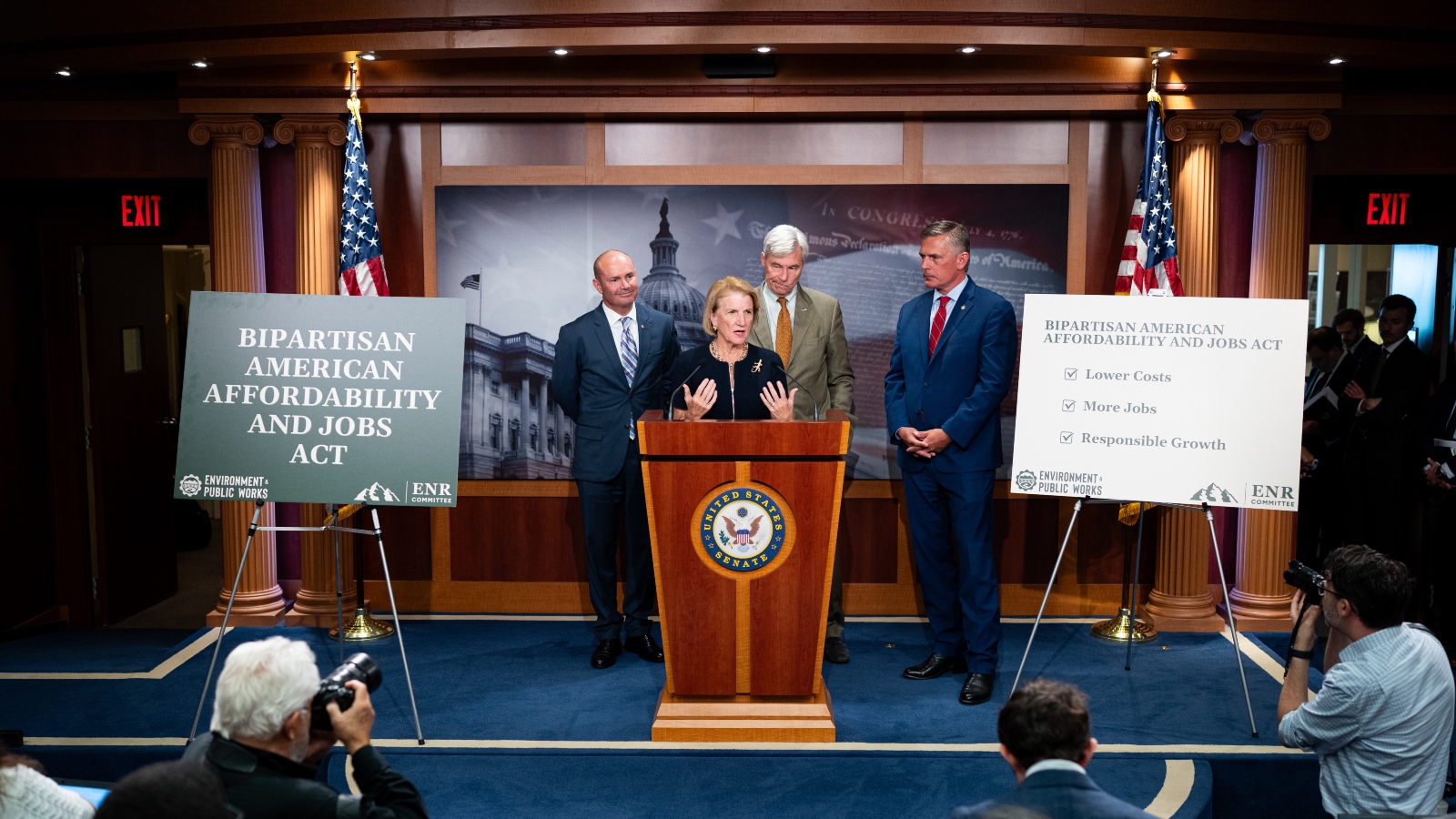
The bill, spearheaded by Senators Sheldon Whitehouse (D-RI) and Martin Heinrich (D-NM) alongside Republicans Mike Lee (UT) and Shelley Moore Capito (WV), seeks to streamline the permitting process for all energy projects. By curtailing the reach of the National Environmental Policy Act (NEPA) and limiting the window for litigation, the legislation aims to accelerate the construction of power plants, high-voltage transmission lines, and gas pipelines. While proponents argue that the climate crisis demands the sacrifice of some procedural red tape, opponents contend that the bill creates a "Faustian bargain" that threatens tribal sovereignty, local ecosystems, and the very environmental protections designed to safeguard marginalized communities.
A Chronology of Escalating Tensions
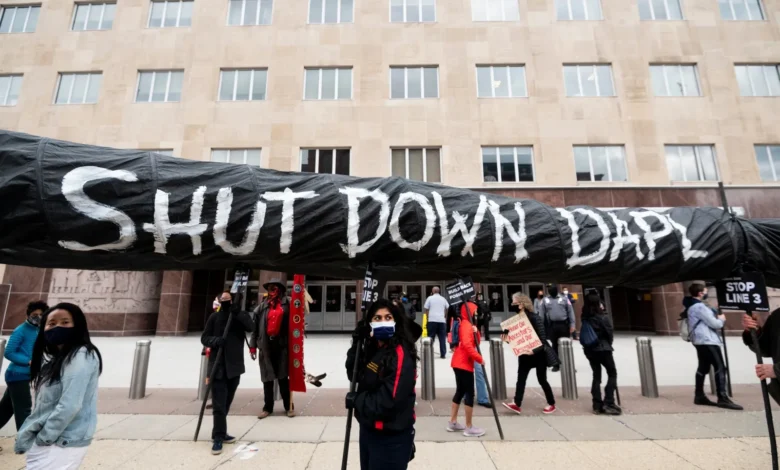
The friction leading to BAAJA did not emerge overnight. It is the culmination of years of frustration regarding the glacial pace of American infrastructure development. In the early 2010s, the climate movement was defined by its "blocker" strategy—most notably seen in the successful multi-year campaign against the Keystone XL pipeline. These victories galvanized the environmental left, proving that grassroots activism could halt fossil fuel expansion.
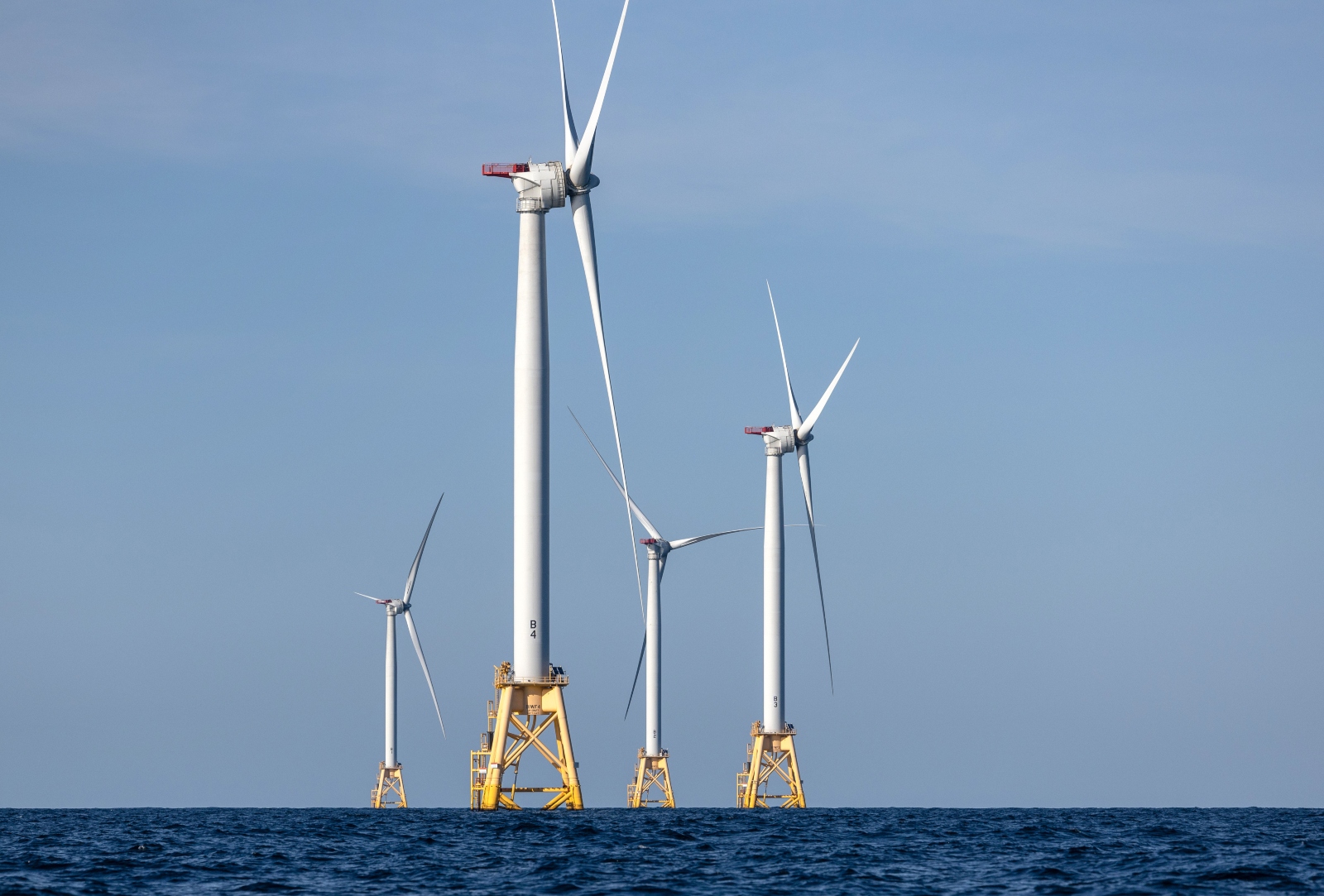
However, the political landscape shifted during the subsequent decade. As solar and wind technologies reached price parity with fossil fuels, the bottleneck for clean energy transition moved from technological feasibility to regulatory and physical infrastructure. Developers found that even the most well-intentioned green projects were being caught in the same regulatory webs originally designed to prevent environmental degradation.
By 2025, the frustration had reached a fever pitch. Data indicated that 64 percent of solar projects and 38 percent of wind projects were facing litigation under NEPA. These lawsuits, often filed years after an initial environmental impact review, became a tool for both genuine environmentalists concerned about specific sites and, occasionally, entities seeking to protect incumbent interests. The "four corners" of the Senate committee saw this as a systemic failure. The resulting BAAJA bill, introduced in late 2026, is their attempt to forcibly resolve this gridlock before the nation loses its window to meet international climate targets.
The Quantitative Case for Reform
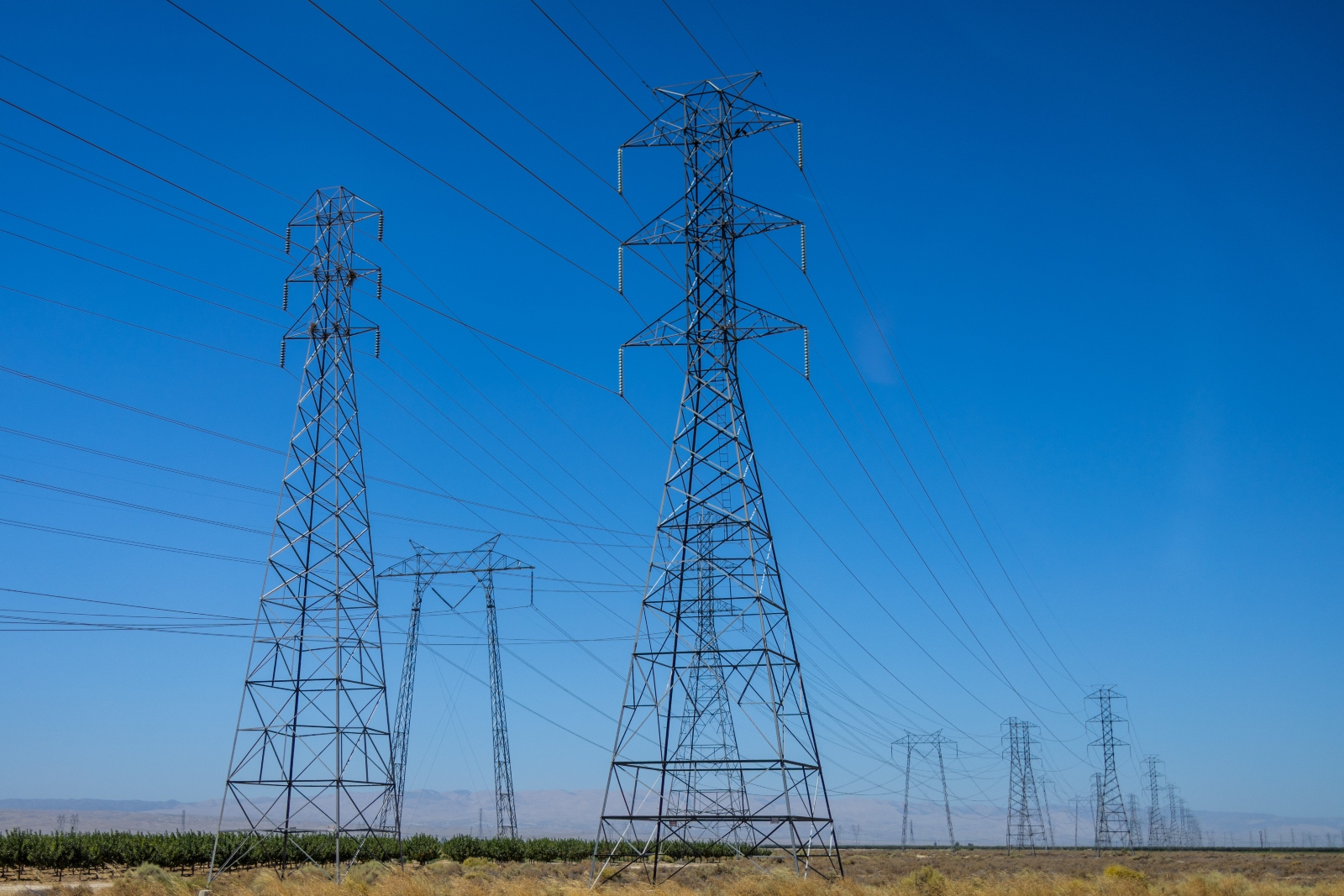
The economic and logistical arguments in favor of BAAJA are rooted in the physical reality of the energy transition. Unlike a coal plant, which can be sited near existing rail lines and load centers, wind and solar farms are geographically constrained by the location of high-speed winds and consistent sunlight. This necessitates a massive build-out of interregional transmission lines to ferry power from the Dakotas or the Nevada desert to industrial hubs in the East.
Current transmission planning is fragmented. There are currently very few interstate high-voltage lines, a deficiency that has made it mathematically impossible to integrate the volume of renewables required by federal mandates. BAAJA mandates that regional grid operators proactively plan for interregional transmission and empowers private developers to step in if local utilities refuse to build.

Proponents of the bill, such as Ray Long, president of the American Council on Renewable Energy (ACORE), argue that without these changes, the U.S. faces not only a climate catastrophe but a period of persistent, volatile electricity prices. Zeke Hausfather of the non-profit Berkeley Earth echoes this sentiment, noting that while the bill is imperfect, the cost of inaction—permitting fossil fuels to remain the primary baseload energy source for decades—is far higher than the environmental cost of a more streamlined construction process.
The Environmental Resistance: A Question of Justice
Despite the technical benefits, the opposition remains fierce. Organizations such as the Center for Biological Diversity and the Southern Environmental Law Center view BAAJA as a calculated retreat from the environmental standards that have protected the public interest for half a century.
The primary point of contention is the narrowing of legal recourse. Under the proposed bill, plaintiffs would have a mere 150 days to file a legal challenge following a NEPA review, a drastic reduction from the previous six-year window. Furthermore, the legislation prevents courts from halting projects entirely during the review of a lawsuit, allowing construction to continue while an agency reassesses its findings.
For Indigenous groups, the implications are profound. Valerie Grussing of the National Association of Tribal Historic Preservation Officers warns that the accelerated timeline effectively silences tribal nations. If federal agencies are required to rush through consultations, the risk of desecrating sacred sites or ignoring traditional ecological knowledge increases exponentially. Critics argue that this is not merely a procedural change but a fundamental erosion of the rights of marginalized communities who have historically borne the brunt of industrial development.
Political Implications and the "Trojan Horse" Debate
The legislative fate of BAAJA remains uncertain as it moves toward potential committee debate following the midterm elections. The bill’s internal contradictions are its most significant political weakness. By providing "permitting certainty" to all energy types, the bill inadvertently protects fossil fuel infrastructure from future executive actions, such as the pauses on liquefied natural gas (LNG) terminals implemented during the Biden administration.
Representative Jared Huffman (D-CA) has emerged as a vocal critic, labeling the bill a "Trojan horse" that offers excessive concessions to the fossil fuel industry under the guise of clean energy progress. Huffman and his allies argue that if Democrats hold or expand their power, they could negotiate a more favorable, environmentally rigorous reform package that does not necessitate the wholesale abandonment of the Clean Water Act or other bedrock statutes.
Conversely, supporters argue that the current political climate is fleeting. They fear that waiting for a more "perfect" bill is a gamble that the U.S. cannot afford, especially given the likelihood of future administrative shifts that could revert to an anti-climate agenda. This "half a loaf is better than none" philosophy has created a fracture within the environmental lobby. While groups like the Sierra Club and the Natural Resources Defense Council have remained cautious, declining to outright condemn the bill, other prominent organizations have mobilized significant resources to block its passage.
Analysis: A Movement in Transition
The debate over BAAJA reveals a profound evolution in the American climate movement. For years, the movement was defined by its role as an external check on corporate power, using litigation and protest to force a transition. Today, the movement is being forced to consider its role as an active participant in building the very infrastructure that will replace the fossil fuel era.
This transition from "blockers" to "builders" is inherently uncomfortable. It forces environmentalists to confront the reality that the "green" future is not invisible; it is a physical, industrialized, and disruptive transformation of the landscape. The controversy over BAAJA is not just about a single piece of legislation; it is about the fundamental challenge of managing a global energy transition within the framework of a democratic, litigious, and geographically vast nation.
Whether the bill passes or fails, the tension between environmental protection and climate action will remain a defining feature of the next decade of American policy. If BAAJA becomes law, it will serve as a massive experiment in whether the U.S. can build its way out of the climate crisis while maintaining the integrity of its environmental laws. If it fails, the movement must find a new, more effective way to bridge the gap between the speed required by the climate and the deliberative processes required by the law. The current divide, however, suggests that the path to a carbon-neutral future will be as much a political and legal struggle as it is a technological one.