The Trump Administration’s Final Push to Deregulate Automotive Emissions and the Looming Legal Showdown with California

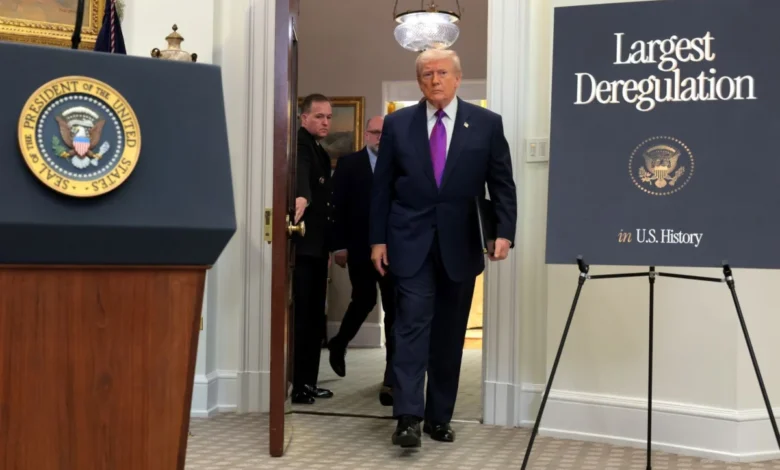
The Trump administration formally enacted a sweeping final plan on Monday to dismantle federal fuel-efficiency requirements for automobiles, marking a decisive turning point in the decade-long battle over climate policy. This move effectively strips the federal government of its remaining regulatory power over carbon pollution from the transportation sector, which currently accounts for approximately 16 percent of total U.S. greenhouse gas emissions. While the administration frames this as a significant reduction in federal overreach, the policy landscape remains fractured, with California emerging as the primary battleground for the future of emissions standards.
A Chronology of Regulatory Erosion
The dismantling of federal emissions authority did not happen overnight; it is the culmination of a systematic policy shift that began in early 2026. In February 2026, the Trump administration successfully revoked the foundational 2009 "Endangerment Finding," the scientific determination that carbon dioxide and other greenhouse gases pose a threat to public health and welfare. By removing this legal bedrock, the administration eliminated the EPA’s mandate to regulate climate-warming emissions.
Following that, Congress intervened to remove the financial teeth of previous fuel-economy mandates, eliminating the penalties that previously forced automakers to comply with efficiency targets. The final rule announced this Monday serves as the capstone of this effort, leaving federal fuel-efficiency standards effectively toothless. This timeline reflects a broader administration strategy to pivot away from climate-focused industrial policy, favoring a deregulatory approach that prioritizes immediate manufacturing flexibility over long-term decarbonization goals.
California: The Last Stand for Emission Standards
Despite the federal retreat, the United States does not have a single, monolithic regulatory environment. Due to a unique exemption granted under the 1970 Clean Air Act, California retains the legal authority to set its own, more stringent vehicle emissions standards. This authority was originally granted in response to the severe, persistent smog that choked Southern California in the 1950s, a crisis that necessitated innovative air quality management before the federal government had even begun to address the issue.
California cannot legally mandate fuel efficiency directly; however, because the primary method for reducing greenhouse gas emissions from gasoline engines is to improve fuel efficiency, the state’s emissions standards function as a de facto national baseline. Automakers, faced with the logistical nightmare of producing different vehicle fleets for different regions, have historically chosen to align their manufacturing processes with California’s more rigorous standards. This "California Effect" has turned the state into the most influential regulator in the U.S. auto market.
The significance of this influence is quantifiable. As of 2022, states that had adopted California’s emissions standards represented 40 percent of all new car sales in the United States. Including the District of Columbia, 19 states have hitched their environmental policy to California’s regulatory framework, effectively insulating a large portion of the American economy from the recent federal rollbacks.
Legal Maneuvers and the Question of Authority
The tension between Washington and Sacramento has reached a fever pitch. Last year, the Trump administration successfully lobbied Congress to pass legislation specifically designed to block California’s goal of phasing out internal combustion engine sales by 2035. The maneuver was aggressive and highly contested; both the Government Accountability Office and the Senate parliamentarian publicly questioned the legality of the process used to strip the state of its waiver.
California Attorney General Rob Bonta did not hesitate to challenge the administration, filing a lawsuit that characterizes the federal government’s actions as retaliatory. "What we’re seeing is a thinly veiled attempt by the president to retaliate against California for choosing progress over regression," Bonta stated.
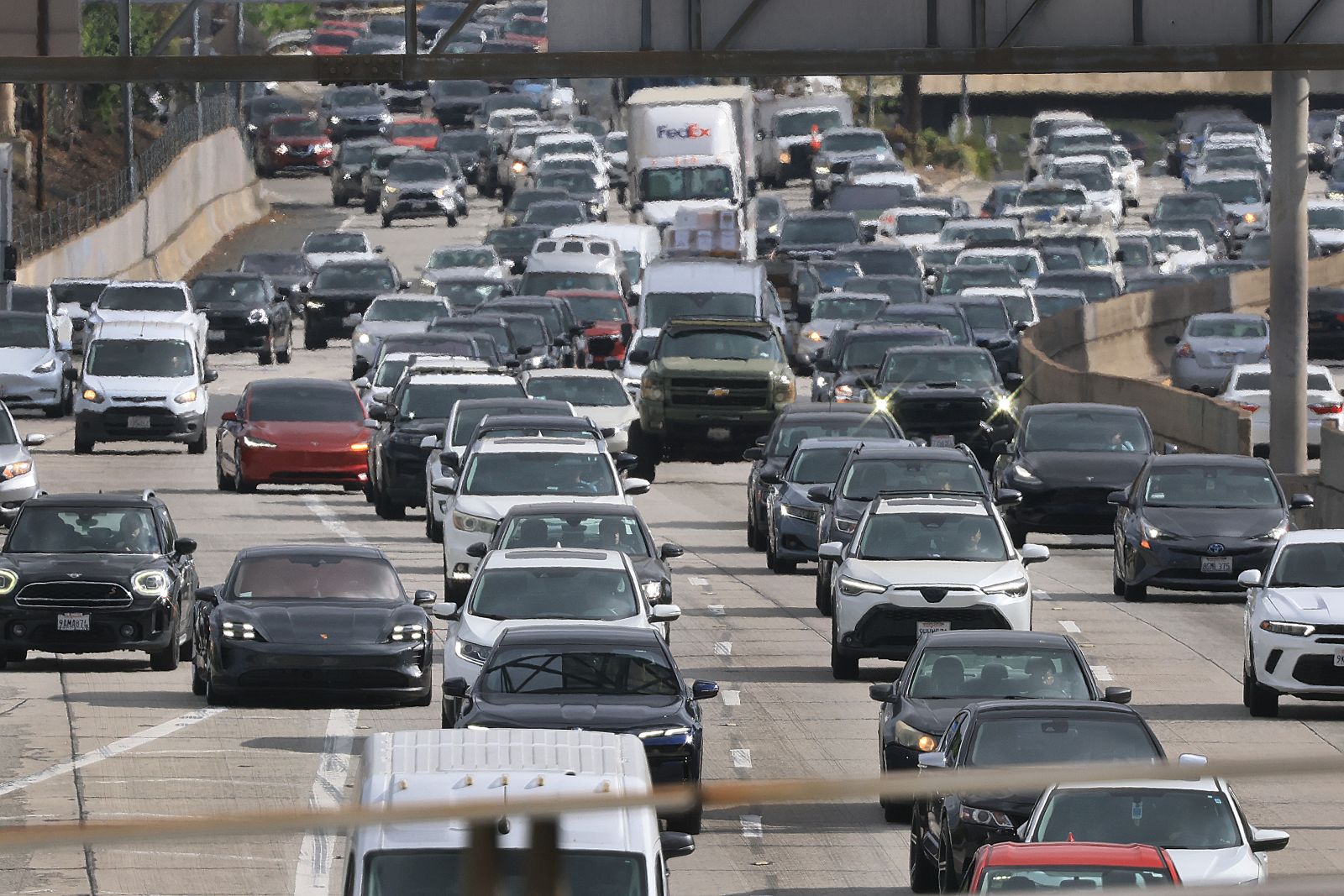
The legal battle is now bifurcated. One front concerns the specific, now-blocked 2035 phase-out plan, while the other involves a broader, more existential threat: the Trump administration’s attempt to challenge California’s fundamental legal right to regulate greenhouse gas emissions at all. Legal experts suggest that if this latter case reaches the Supreme Court, the outcome could reset the balance of power between state and federal environmental authorities for decades to come.
Market Realities and Industry Response
The automotive industry finds itself in a state of precarious limbo. While manufacturers generally favor regulatory certainty, the constant "whiplash" of shifting administrations has made long-term capital allocation difficult. Automakers invested billions in electric vehicle (EV) platforms to meet the stringent standards set by the Biden administration, only to see those standards evaporate and consumer demand for EVs soften due to the rollback of federal tax incentives.
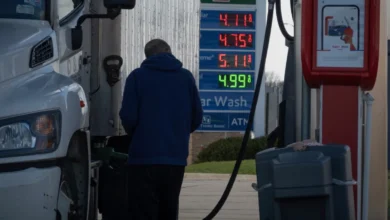
However, the industry is not universally retreating. Market dynamics are beginning to diverge from political policy. With gas prices climbing—driven in part by the geopolitical instability following the administration’s conflict with Iran—consumers are showing a renewed interest in efficiency. Hybrid vehicle sales hit a record 16 percent of the passenger market in the summer of 2026, suggesting that consumer preference is shifting toward fuel efficiency even in the absence of government mandates.
Major manufacturers, including General Motors, have indicated they will maintain their investments in EV platforms, despite the regulatory uncertainty. "We’re in for the long haul, and we’re maybe a little slower on EVs, for instance," said GM president Mark Reuss. "That’s OK, but the whole world is moving that way, and so we invested in the platforms that are EV platforms."
Broader Implications for Climate Policy
The lack of federal oversight creates a fragmented landscape that could stifle the rapid, coordinated emissions reductions that climate scientists argue are necessary to mitigate global warming. Without a federal floor, the progress toward a zero-emission future relies heavily on the judicial branch.
Rebecca Higgins, vice president of Policy at the Eno Center for Transportation, notes that the uncertainty is the primary concern for the industry. "There are multiple levels of shenanigans, depending on your viewpoint, that are being litigated," Higgins said. "That creates tremendous uncertainty."
The potential for a "reset" of state authority represents the most significant long-term implication of the current legal environment. If the courts uphold the federal government’s right to strip California of its waiver, it would effectively end the era of state-led environmental leadership in the automotive sector. Conversely, if the courts favor California, the state will continue to serve as the nation’s de facto environmental regulator, maintaining a standard that the federal government refuses to endorse.
As the litigation proceeds through the lower courts, the automotive sector remains a microcosm of the broader American political divide. For now, the future of the U.S. vehicle fleet is not being decided in a boardroom or a legislature, but in a series of courtrooms where the question of how much power a state holds to protect its own environment—and by extension, the national environment—remains to be answered. The 2028 presidential election now looms as a potential resolution point, as a change in the White House could see the federal government pivot once again, either reinforcing or permanently abandoning the path toward electrification.