Sylvester Stallone Recalls Turbulent Rocky Set Cameo and Lifelong Struggle for Father’s Approval Ahead of Memoir Release

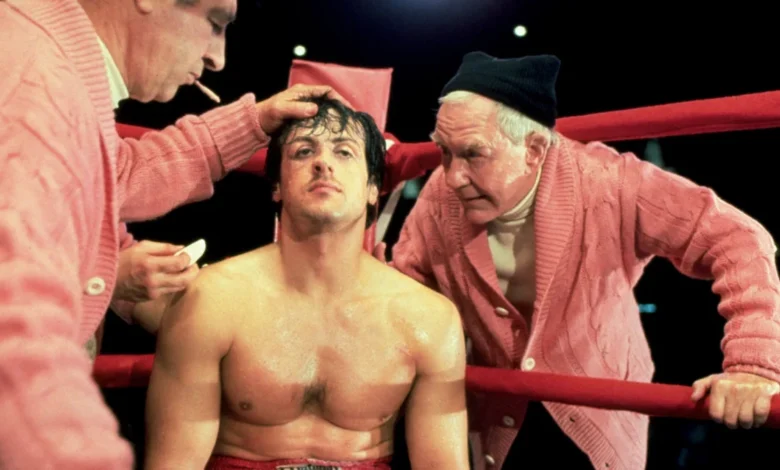
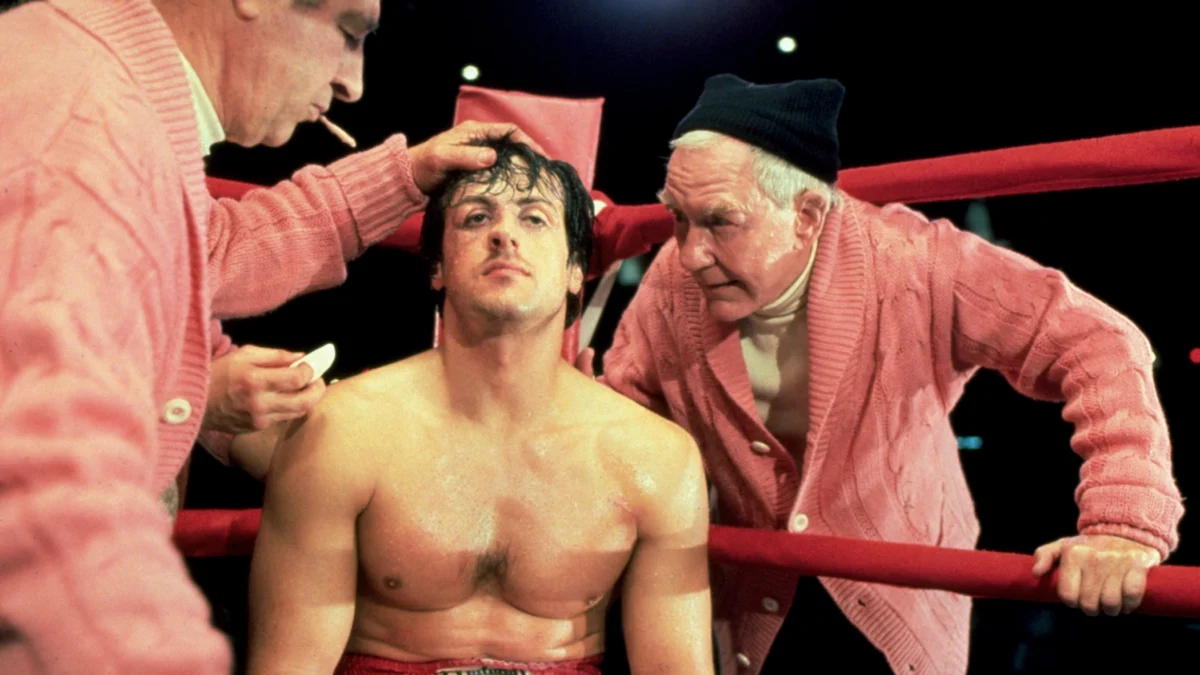
As Sylvester Stallone cemented his status as a cinematic icon with his breakout performance in the 1976 classic Rocky, the three-time Academy Award nominee faced an internal battle that mirrored the dramatic tension on screen. While promoting his forthcoming memoir, The Steps, set for publication on October 23, the celebrated actor and filmmaker opened up about a turbulent behind-the-scenes incident involving his late father, Frank Stallone Sr. What was intended to be a touching family collaboration during the filming of the movie’s climactic boxing match quickly deteriorated into a bitter confrontation, highlighting a lifelong quest for paternal validation that defined much of Stallone’s early career and personal life.
The Genesis of a Cinematic Masterpiece and Family Tensions
To fully understand the weight of the incident on the set of Rocky, one must examine the precarious circumstances under which the film was made. In the mid-1970s, Sylvester Stallone was a struggling, virtually unknown actor living in New York City, fighting for a foothold in an unforgiving industry. Having written the screenplay for Rocky himself, Stallone famously refused to sell the script unless he was cast in the starring role of the underdog boxer Rocky Balboa.
Operating on a shoestring budget of roughly $1 million and a compressed shooting schedule of just 28 days, director John G. Avildsen and the production crew were under immense pressure to deliver. Every frame counted, and the choreography of the final bout between Rocky Balboa and Apollo Creed, played by Carl Weathers, required precise timing, physical endurance, and absolute synchronization among the actors and crew members.
In an effort to bridge a profound emotional gap with his father, Stallone offered Frank Stallone Sr. a cameo role as the official bell ringer during the movie’s iconic final match. However, the gesture did not yield the heartwarming familial bonding the young actor had desperately hoped for. Instead, it exposed deep-seated generational friction and the elder Stallone’s critical nature.
A Breakdown on Set and the Culmination of a Complex Relationship
Recalling the filming of the climactic scene in a recent, extensive interview with The New York Times Magazine, Stallone detailed how the moment went awry. Rather than executing his simple cue at the designated second, Frank Sr. failed to ring the bell properly. Because boxing choreography relies entirely on rhythm and count, the mistimed bell disrupted the meticulously planned fight sequence.
As Stallone continued to trade punches with Carl Weathers according to the script’s strict choreography, the bell kept ringing out of sequence. The discrepancy left Weathers bewildered, halting the natural flow of the scene and creating palpable confusion on the soundstage. What followed was a stark departure from professional decorum.
Stallone described the ensuing breakdown as descending into a bitter argument, characterizing the clash as a "really bad Italian drama." Despite the hostility, Stallone admitted that his primary motivation was rooted in a profound vulnerability. He simply wanted his father to look at him, acknowledge his creative achievements, and express pride in his hard-won success. For an actor who spent his entire life feeling inadequate in the eyes of a stern patriarch, the moment was a desperate plea for a fleeting instance of paternal love.
A Paternal Dynamic Defined by Severity and Silence
The complex relationship between Sylvester Stallone and his father has long been a subject of public curiosity, but the upcoming release of The Steps offers a deeper, more candid look into the actor’s formative years. Frank Stallone Sr., who passed away in 2011, was remembered by his son as a profoundly stern, unyielding figure who governed the household through intimidation and emotional distance.

Reflecting on his childhood in interviews leading up to the memoir’s publication, Stallone described a domestic environment characterized by sudden, bombastic explosions followed by prolonged periods of chilling silence. The actor recounted instances of physical discipline and an atmosphere of constant tension, noting that he learned early on how to duck to avoid sudden physical confrontations.
Despite the severity of his upbringing, Stallone has maintained a careful balance in his memoirs and public reflections, consciously choosing to avoid generating unnecessary public sympathy or framing his narrative as a continuous "pity party." Instead, the stories serve as psychological context for the immense drive, resilience, and tenacity that propelled him from poverty and obscurity to global superstardom. It was precisely this relentless determination—forged in an unforgiving home environment—that enabled him to withstand Hollywood’s rejection and stubbornly protect his artistic vision for Rocky.
A Lifelong Reconciliation and the Passage of Time
The friction between father and son did not last indefinitely. In the later decades of Frank Stallone Sr.’s life, the two men achieved a meaningful reconciliation. As both aged and Sylvester established himself not only as a bankable action star in franchises like Rambo and The Expendables, but also as a critically acclaimed dramatic actor, the underlying hostility dissolved into mutual respect. By the time of Frank Sr.’s death in 2011, the decades of emotional distance had been bridged, allowing Stallone to process his childhood with a degree of perspective and forgiveness.
Nevertheless, the psychological imprints of those early years remain potent. The upcoming release of The Steps allows Stallone to curate and articulate his own history on his own terms, offering fans and literary critics alike an intimate exploration of the man behind the cinematic legends.
Expanding the Rocky Legacy: Biopics and Cultural Impact
The timing of Stallone’s literary revelations coincides with a renewed cultural fascination surrounding the creation of his most famous cinematic creation. On November 6, theaters will welcome the premiere of I Play Rocky, a biographical drama directed and produced to chronicle the harrowing, real-life journey of Sylvester Stallone as he fought against all odds to bring the Philadelphia underdog’s story to the silver screen.
Actor Anthony Ippolito is set to portray a young Stallone, capturing the tenacity, frustration, and sheer grit required to pitch the script to reluctant studio executives who initially wanted established stars like Robert Redford or James Caan for the lead role. The film serves as a testament to the cultural longevity of Rocky, which went on to win the Academy Award for Best Picture in 1977, gross over $225 million worldwide against its modest budget, and launch one of the most lucrative and enduring franchises in cinematic history.
Broader Industry Implications and Literary Anticipation
As the entertainment industry prepares for the publication of The Steps on October 23, industry analysts and literary experts anticipate high demand for Stallone’s memoir. Autobiographies by foundational figures of 20th-century cinema consistently attract substantial readership, particularly when they pierce the polished veneer of Hollywood stardom to reveal genuine human vulnerability.
Stallone’s willingness to share the uncomfortable realities of his family dynamics—such as the chaotic bell-ringing incident on the Rocky set—adds substantial depth to the public’s understanding of his artistic motivation. It reframes his iconic cinematic characters not merely as physical action heroes, but as psychological manifestations of an ordinary man fighting tirelessly for recognition, dignity, and a sense of belonging.
Ultimately, the narrative arc connecting a difficult childhood, a tense movie set confrontation, a late-in-life reconciliation, and a multi-decade career underscores a universal theme. Sylvester Stallone’s journey demonstrates that even the most celebrated cultural icons grapple with the fundamental human desire for parental approval, proving that off-screen battles can sometimes match the dramatic intensity of any Hollywood script.