Macklemore pledges one million dollars to Palestinian aid organizations following his controversial removal from Ed Sheeran tour

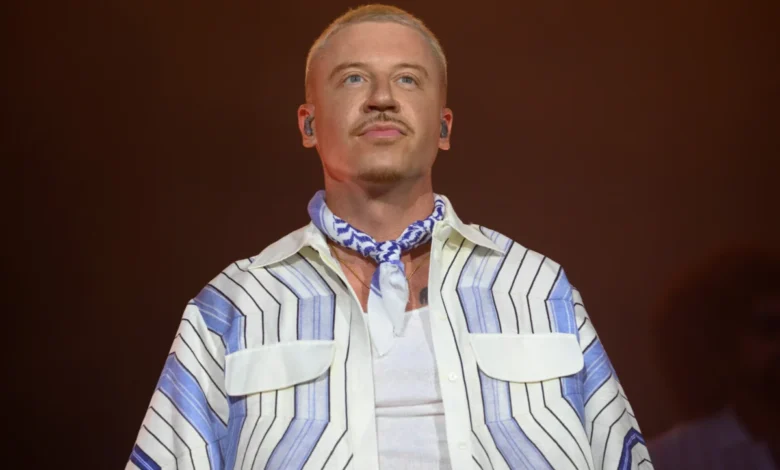
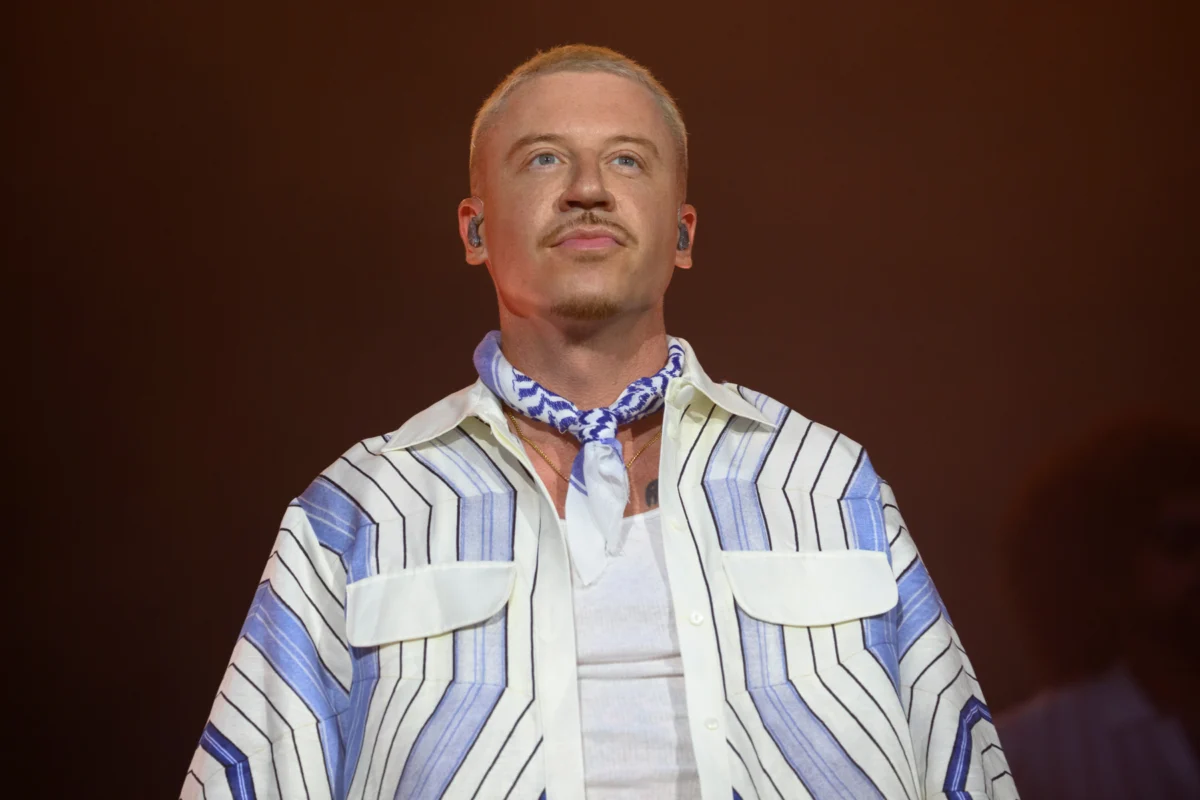
The intersection of music, political activism, and corporate influence has reached a boiling point following the forced departure of rapper Macklemore from Ed Sheeran’s ongoing Loop Tour. In a move that has sent shockwaves through the live music industry, the Seattle-based artist announced this week that he will donate $1 million—representing his entire net earnings from the tour—to six organizations providing humanitarian aid to Palestinians in Gaza and the West Bank. This declaration follows a contentious series of events during which billionaire New England Patriots owner Robert Kraft allegedly spearheaded an industry-wide effort to remove the rapper from the tour’s lineup.
The controversy began earlier this month at MetLife Stadium in New Jersey, where Macklemore used his platform to advocate for Palestinian rights. During his performance, the rapper, born Benjamin Haggerty, shouted "Free Palestine" and projected images depicting the devastation currently occurring in the Gaza Strip. The performance drew immediate condemnation from various pro-Israel advocacy groups, who characterized his commentary as inflammatory and offensive.
Chronology of the Dispute
The escalation of the situation occurred in rapid succession over the following ten days. By mid-September, reports emerged that several major stadium venues had issued ultimatums to Ed Sheeran’s management: either remove Macklemore from the bill or face the cancellation of the performances at their respective facilities.
According to statements released by Macklemore, the campaign against his involvement was led primarily by Robert Kraft. The Patriots owner, whose influence in the sports and entertainment world is substantial, confirmed that he would not permit the rapper to perform at Gillette Stadium, citing a "broader history of antisemitic rhetoric and imagery" that he claimed was deeply hurtful to the Jewish community.
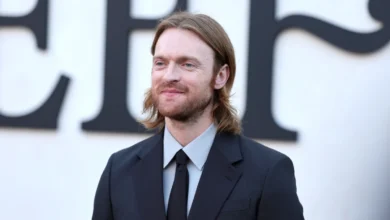
While Kraft acknowledged his decision regarding his own venue, Macklemore has alleged that the influence extended far beyond Foxborough. The rapper claims that Kraft actively "rallied" other stadium owners to present a unified front to Sheeran’s team. This pressure campaign eventually forced the tour promoters to announce Macklemore’s exit on Monday, Sept. 16. The fallout was immediate; in a show of solidarity, other opening acts including Lukas Graham, Aaron Rowe, and the folk ensemble Beoga withdrew from the tour, while artist Finneas cancelled his participation in the upcoming South American leg.
Financial and Humanitarian Context
Macklemore’s decision to pledge $1 million to humanitarian efforts serves as both a rebuke to the pressure campaign and an attempt to pivot the public discourse toward the humanitarian crisis in the region. The funds are earmarked for six specific organizations: the Palestine Children’s Relief Fund, HEAL Palestine, the Gaza Soup Kitchen, Medical Aid for Palestinians, the United Nations Relief Work Agency (UNRWA) USA, and Anera.
These organizations have been at the forefront of providing medical, nutritional, and logistical support in a region where, according to the United Nations, more than 80% of the population has been displaced and basic infrastructure—including hospitals and water treatment facilities—has been severely compromised. By dedicating his tour earnings, the rapper is seeking to address the acute resource shortages facing medical staff and aid workers operating within the conflict zones.
"I want to center the parents carrying their children into hospitals without the basic resources to treat them, and the physicians, paramedics, journalists, and aid workers who keep going back in," Macklemore stated in his address. "These organizations are doing the work while much of the world debates it."
The Debate Over Venue Politics and Free Speech
The incident has reignited a complex national debate regarding the boundaries of political expression in commercial spaces. Historically, major entertainment venues have operated under the assumption that performers are guests, subject to the moral and contractual standards set by the facility owners. However, the coordinated nature of the effort against Macklemore has prompted criticism from civil rights organizations and legal experts who argue that such actions constitute a form of "blacklisting" that limits artistic freedom.
Robert Kraft’s office has remained largely silent regarding the accusation that he orchestrated a broader coalition to force the rapper out. In his initial statement, Kraft emphasized that his decision was based on "recent actions" and a perceived history of problematic rhetoric. The rapper, however, has countered by explicitly inviting the billionaire to match his donation, arguing that if the motivation is truly the protection of life and the ending of conflict, then a financial commitment to humanitarian aid is the most constructive path forward.
"Whatever we disagree about, perhaps we can agree on this: Palestinian lives are worth protecting," Macklemore wrote. "A Palestinian life is no less valuable than any other life on this earth."
Broader Industry Implications
The departure of multiple acts from the Loop Tour presents a logistical and financial challenge for Ed Sheeran, who has publicly described the situation as a failed attempt to "build bridges." As of this writing, the tour is still scheduled to continue, with the next performance set for Philadelphia.
The industry implications are significant. Many artists are now reconsidering their touring contracts, specifically regarding clauses that allow venue owners to cancel performances based on a performer’s political speech. This incident mirrors broader trends in the American cultural landscape, where corporate donors and venue stakeholders are increasingly taking proactive roles in monitoring the political stances of the talent they host.
Analysts suggest that this event may serve as a catalyst for new industry-standard clauses regarding free speech. While concert promoters typically prioritize contractual stability and the avoidance of public relations controversies, the mass exit of opening acts in support of Macklemore demonstrates that there is a growing contingent of artists who are willing to prioritize political solidarity over professional convenience.
Analysis of the Humanitarian Crisis
The context for the controversy is the ongoing conflict in Gaza, which has resulted in a staggering humanitarian toll. According to data provided by the Gaza Health Ministry and corroborated by international observers, the death toll has climbed into the tens of thousands, with a significant percentage of the casualties being children. The lack of access to clean water, electricity, and medical supplies has led international aid groups to declare the situation an unprecedented humanitarian catastrophe.
Macklemore’s specific selection of aid organizations reflects a desire to support groups that are currently navigating the logistical nightmare of delivering supplies through blockaded borders. The UNRWA, for instance, remains the primary agency for Palestinian refugees, though it has faced its own political challenges and funding suspensions from various international governments over the past year.
By tying his donation to these specific entities, the artist is effectively positioning himself as a financier for aid that is otherwise struggling to reach the ground. His statement that "aid alone cannot address the conditions that make it necessary" acknowledges that while the donation addresses immediate suffering, the underlying issues—military occupation and the lack of basic civil rights for Palestinians—remain unresolved.
Conclusion
As the fallout from the tour continues to unfold, the incident remains a potent example of how high-profile cultural platforms are being utilized to navigate the most polarizing geopolitical issues of the era. Whether the pressure campaign against the rapper will result in a more restrictive environment for performers or trigger a backlash that favors free expression remains to be seen.
What is clear is that the line between personal conviction and professional viability has blurred. For Macklemore, the loss of a major touring opportunity has been met with a significant financial sacrifice, one that he explicitly frames as a necessary step in his personal activism. As he noted in his statement, "cutting a check was one of the least costly forms of solidarity available to me." For now, the music world is left to observe whether other high-net-worth figures, including Robert Kraft, will respond to the invitation to match the donation, or if the divide between the two sides will continue to widen as the conflict in the Middle East persists.