Beneath the Rocky Mountains, the Sierra Nevada, and the deserts in between, lies a massive energy source—and it isn’t a fossil fuel.

The geological forces that shaped the American West—the violent tectonic shifting and crustal thinning—have created a unique opportunity to harness the Earth’s internal heat. As the nation pivots toward a decarbonized electrical grid, geothermal energy has emerged from the fringes of renewable technology to become a critical asset. Today, a new generation of energy companies, leveraging advanced drilling techniques adapted from the oil and gas sector, is racing to tap into this subterranean furnace. Their primary catalysts? A massive, power-hungry customer base: the global tech giants desperate to fuel an era of unprecedented artificial intelligence growth while simultaneously hitting net-zero climate pledges.
The Convergence of Tech and Geology
For years, the renewable energy conversation was dominated by solar and wind. However, the rise of hyper-scale data centers—facilities that require constant, 24/7 "firm" power—has exposed the limitations of intermittent energy sources. Unlike wind, which requires moving air, or solar, which relies on daylight, geothermal energy provides a steady, reliable baseload supply.
Tech leaders are acutely aware of this limitation. In June 2025, Meta made headlines by signing a landmark agreement to procure advanced geothermal power in New Mexico. Shortly thereafter, Google solidified its own commitment, entering a contract to purchase 396 megawatts from Fervo Energy’s Cape Station facility in southwest Utah. Once fully operational, this site is expected to generate enough electricity to power approximately 430,000 households. These moves are not merely corporate social responsibility initiatives; they are strategic investments in infrastructure to ensure operational continuity in an era of constrained energy capacity.
A Chronology of the Geothermal Revival
The current boom is the result of a multi-year convergence of technological innovation and policy incentives.
- 2021–2022: The Department of Energy (DOE) begins scaling up investments in "Enhanced Geothermal Systems" (EGS), which use horizontal drilling and hydraulic stimulation to create artificial reservoirs in hot rock where natural water is absent.
- 2023: Regulatory milestones are met as states like California mandate that utilities procure "clean firm" power to supplement solar and wind.
- 2024: The federal government sees record-breaking interest in public land leases for geothermal development in the Mountain West, with per-acre bids reaching historic highs.
- 2025: A wave of power purchase agreements (PPAs) between tech giants and geothermal startups signals the transition from pilot projects to commercial-scale deployment.
- 2026: Protests and public scrutiny regarding water usage for massive data centers (such as the controversy surrounding the "Project Jupiter" facility in New Mexico) highlight the environmental trade-offs inherent in the transition.
The Water Paradox: A Double-Edged Sword
The fundamental irony of the geothermal boom is that the quest for clean energy is colliding with the reality of the arid West. Traditional geothermal power plants act like industrial hot springs, relying on the availability of naturally occurring underground water to generate steam. Next-generation systems—often termed "closed-loop" or "enhanced"—attempt to minimize this reliance by circulating fluids through man-made systems.
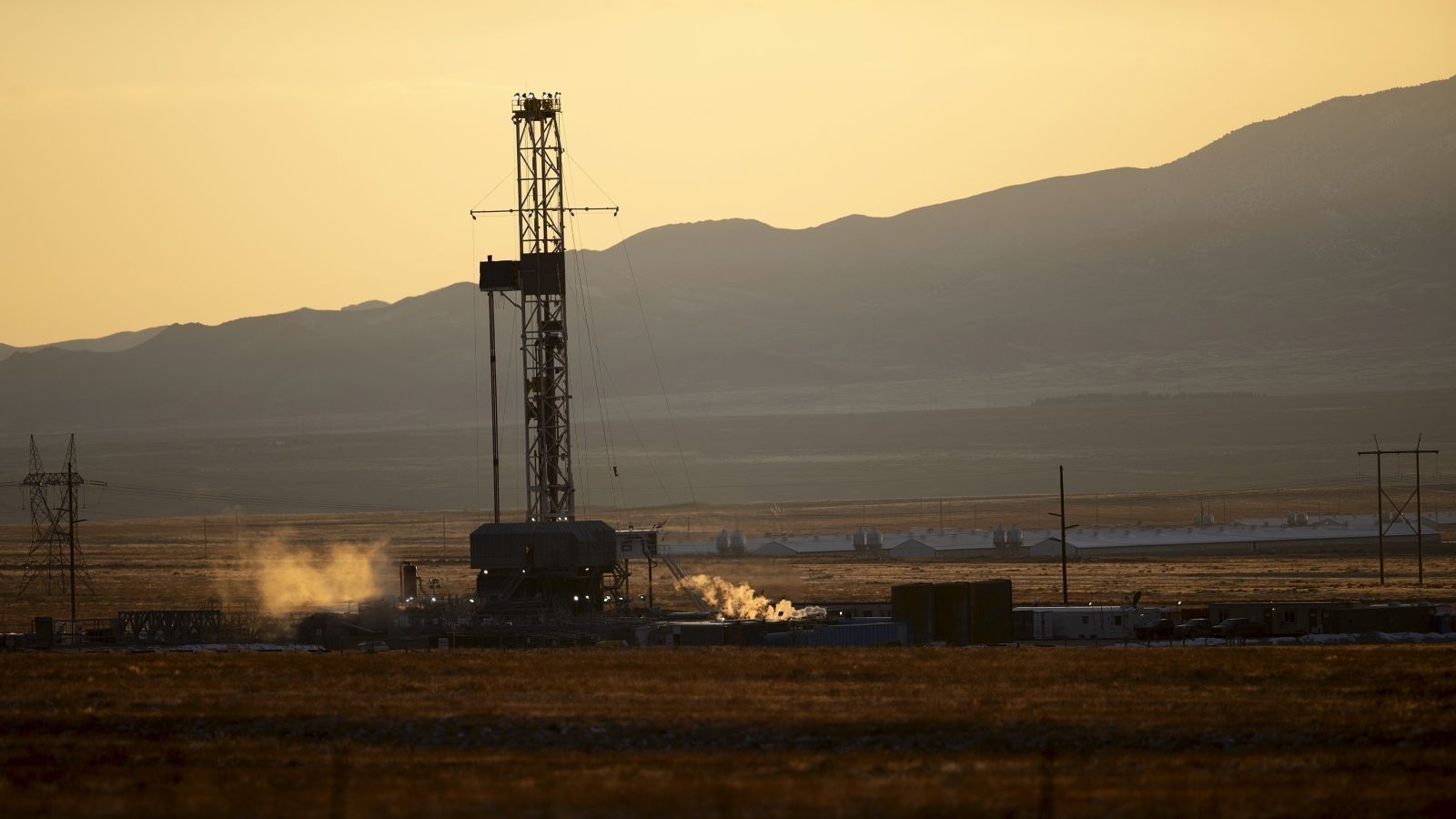
However, the "thirsty" nature of these operations remains a significant hurdle. Closed-loop systems, such as those championed by XGS Energy, operate by cycling a working fluid through a sealed pipe, transferring heat from the earth without losing water to evaporation or seepage. While this design is highly efficient from a water-conservation standpoint, experts like Roland Horne of Stanford University have raised questions regarding scalability. Horne notes that closed-loop systems often produce less power per individual well and may face shorter operational lifespans compared to conventional methods. If these systems are to compete with the sheer volume of electricity required by massive data centers, the industry must overcome significant engineering and cost-efficiency barriers.
Conversely, enhanced geothermal systems (EGS) face more direct scrutiny. At Fervo’s Project Red facility in Nevada, the first site to successfully demonstrate commercial EGS, researchers noted a 30 percent loss of injected water. While Fervo contends that their newer Cape Station design will reduce this loss rate to approximately 5 percent, the scale of current data center expansion poses a challenge to local aquifers.
Calculations by Kristie McLin, principal investigator at Utah FORGE, provide a sobering look at the scale of the challenge. If a facility requiring 2 gigawatts of power—similar to proposals currently floated by companies like Oracle—were powered entirely by EGS, it could consume up to 42 million gallons of water daily. To put that in perspective, that volume represents roughly half of the total daily water demand for the city of Albuquerque.
Regulatory and Economic Implications
The transition to geothermal is not solely a technical challenge; it is a complex economic and regulatory puzzle. The Mountain West Geothermal Consortium, led by Mike O’Connor, is currently researching new funding mechanisms to lower the barrier to entry for developers. The high upfront capital costs—compounded by the risk of unsuccessful exploratory drilling—have traditionally kept investors at arm’s length.
Despite these risks, the legislative pressure in states like California is creating a guaranteed market. With a goal of achieving 100 percent clean electricity by 2045, California’s utility regulators have forced the hand of local providers, mandating the procurement of gigawatt-scale clean firm power. This state-level requirement acts as a floor for the industry, ensuring that even if tech-sector demand fluctuates, there is a long-term utility-scale market waiting to absorb the output.
Official Responses and Future Outlook
The industry remains largely optimistic, though guarded. The consensus among stakeholders is that geothermal is the only viable alternative to the continued reliance on natural gas turbines for grid stability.
"There was an argument for geothermal power before data centers, and there will be an argument for geothermal power after these data centers are built," says O’Connor. The focus now is shifting toward "water-neutral" or "water-positive" innovation. Researchers at facilities like Utah FORGE are actively testing new well-spacing patterns and injection techniques designed to recover a higher percentage of circulating fluids.
Furthermore, the shift toward using non-potable or brackish groundwater, as seen at the Cape Station project, serves as a bridge solution. By avoiding competition with municipal drinking water supplies, geothermal companies hope to mitigate the intense public opposition that has recently targeted data center developments.
The Path Forward
The future of geothermal energy in the United States hinges on three factors: the continued maturation of EGS technology, the ability of developers to secure water-efficient operational models, and the willingness of major tech firms to pay a premium for consistent, zero-carbon power.
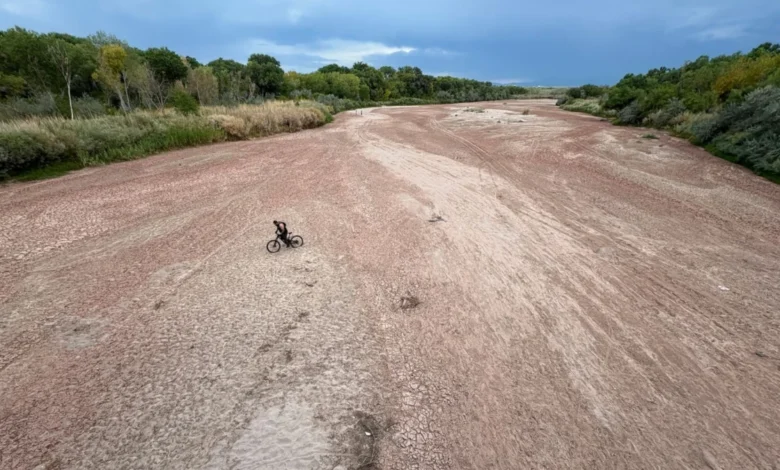
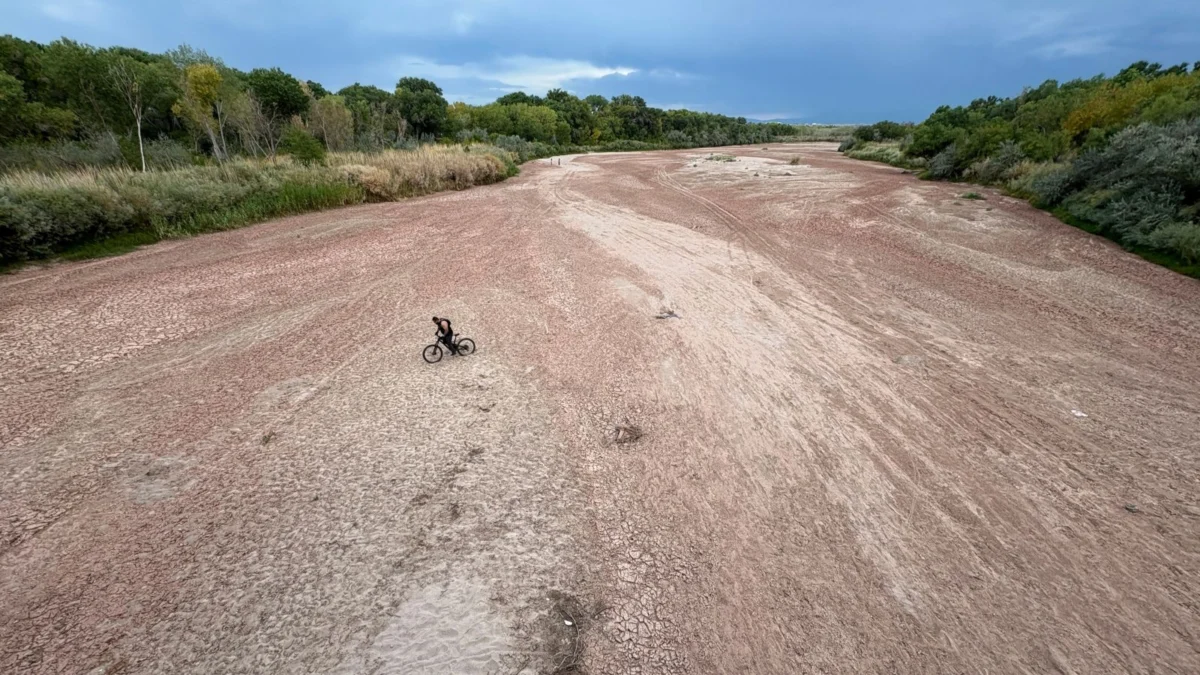
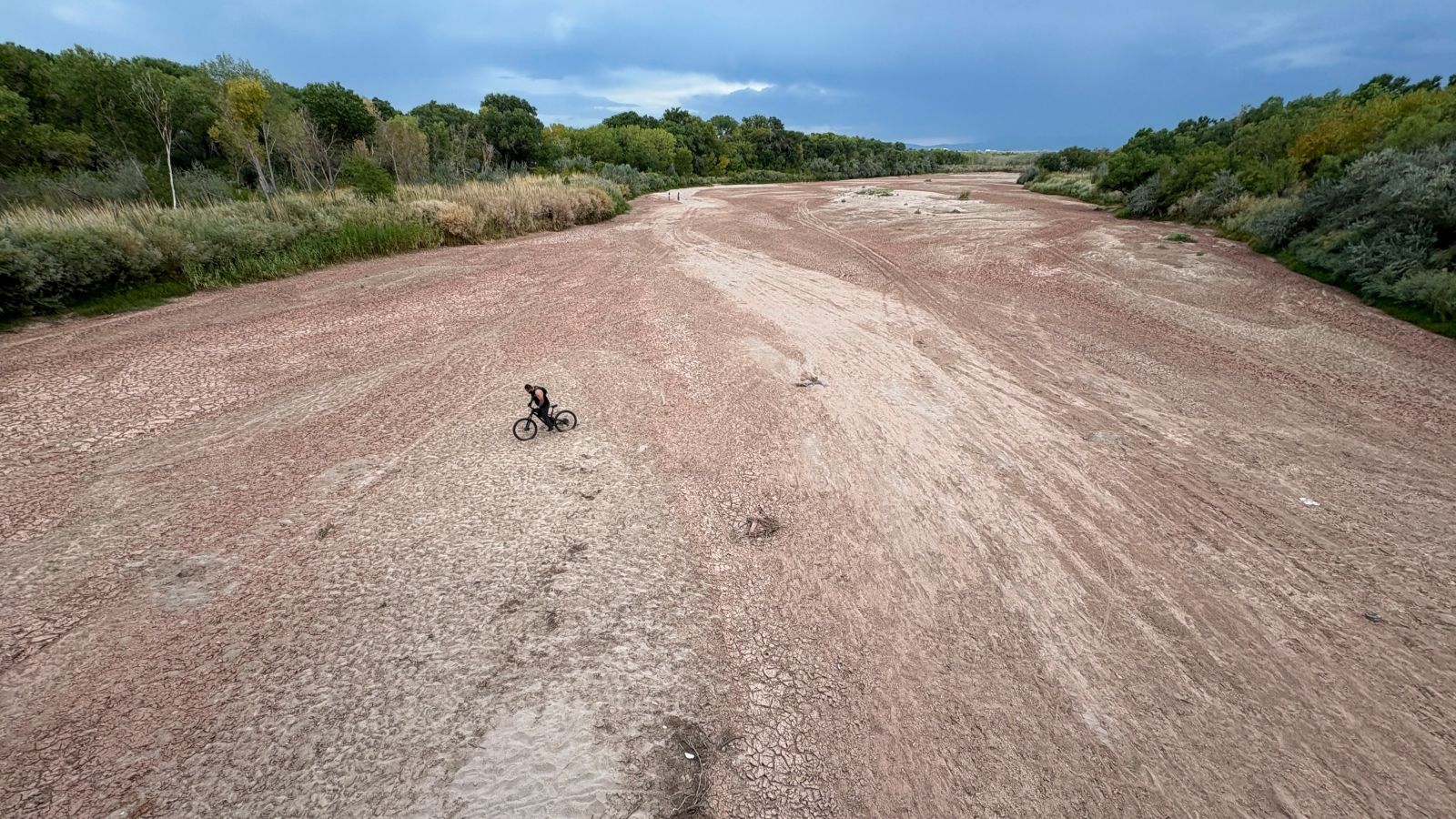
If the industry can prove that it can scale without depleting the region’s already stressed water table, geothermal could fundamentally reshape the Western power grid. By providing the "firm" power that wind and solar cannot, it may prove to be the linchpin in the national transition away from fossil fuels. However, as the debate over the Rio Grande’s drying riverbed and the energy intensity of modern cloud computing continues, the industry faces an unforgiving test of its own sustainability. The race to the center of the Earth is on, but in the dry, high-altitude basins of the West, every gallon of water will count as much as every kilowatt of power.
Related posts: