Paramount Skydance Delays $111 Billion Warner Bros. Discovery Acquisition Amidst Sweeping State-Led Antitrust Challenge

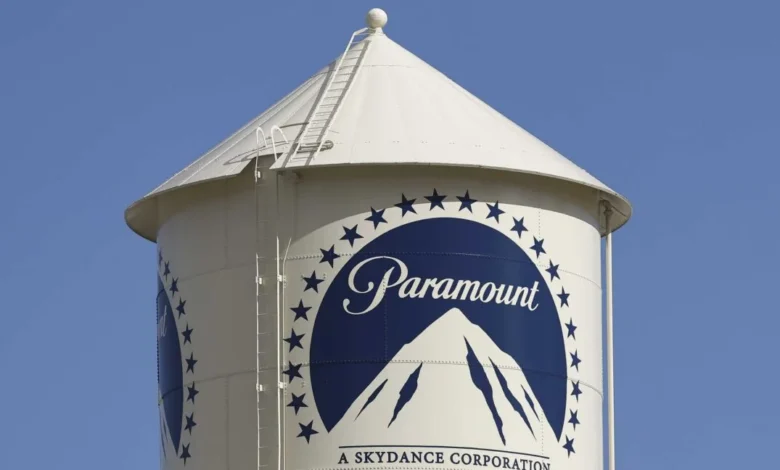
A proposed $111 billion acquisition of Warner Bros. Discovery by Paramount Skydance has been put on an indefinite hold, with both parties agreeing to a longer-term delay that will prevent the colossal media entities from combining operations until a federal judge issues a ruling on the merits of a groundbreaking antitrust case. This significant development comes as a coalition of a dozen U.S. states, alongside the powerful Writers Guild of America (WGA), have mounted legal challenges asserting that the merger would substantially reduce competition across the film, television, and streaming industries.
A Landmark Antitrust Challenge and Stipulated Delay
The stipulation, officially filed in court, outlines a critical agreement: the merger will not be completed, and the involved firms will not integrate their operations, until "five days after the merits determination in these matters," or June 1, 2027, whichever date arrives earlier. This unprecedented delay provides a crucial window for the legal system to fully assess the potential competitive harm of such a massive consolidation. Should a merits determination not be reached by the June 1, 2027, deadline, the plaintiffs retain the right to seek a preliminary injunction, effectively extending the blockage of the deal indefinitely. This agreement marks a pivotal moment in antitrust enforcement, underscoring the increasing willingness of state attorneys general to challenge corporate consolidations, even when federal approvals have been granted.
New York Attorney General Letitia James heralded the agreement as "a months-long halt" to the merger, emphasizing its importance in safeguarding competition. "Halting this merger while our case proceeds is a critical victory in our efforts to uphold the law and protect the film and television industries," James stated, reflecting the collective resolve of the challenging states. California Attorney General Rob Bonta echoed this sentiment, adding, "We are eager to continue to make our case in court and celebrate another tremendous win in our effort to ensure this unlawful merger never sees the light of day."
Conversely, Paramount Global expressed a different perspective on the delay, framing it as a strategic win. The company told media outlets that "the result is exactly what we have sought from the outset: a direct path to a trial based on the evidence. This is the fastest and clearest way to prove that this transaction is good for competition, good for consumers, and good for creators, a conclusion dozens of competition authorities around the world have already reached." This statement highlights the differing interpretations of the legal maneuver and sets the stage for a protracted legal battle where both sides are confident in their positions.
Chronology of a Contentious Deal
The path to this stipulated delay has been fraught with contention, beginning long before the current legal challenges. The media industry has been undergoing rapid transformation, driven by the rise of streaming services and the intense competition for subscriber attention and advertising revenue. This environment has fueled a wave of consolidation, with companies seeking scale to compete effectively against tech giants and diversified media conglomerates.
- Pre-Merger Rumblings: For several years, industry speculation had circulated regarding potential mergers or acquisitions involving Paramount Global and Warner Bros. Discovery. Both companies, facing significant debt loads and the costly "streaming wars," were seen as prime candidates for strategic partnerships to enhance their market position and financial stability. Paramount, with its storied film studio, broadcast network (CBS), and streaming service (Paramount+), and Warner Bros. Discovery, a behemoth formed from the merger of WarnerMedia and Discovery Inc., boasting HBO, Warner Bros. Pictures, CNN, and the Max streaming service, represented a colossal potential combination.
- Trump Administration Approval (2026): In a move that surprised many industry observers and reportedly even internal Department of Justice (DOJ) staff, the proposed acquisition received a green light from the Trump administration. Reports indicated that DOJ lawyers who had led the agency’s investigation into the deal were leaning towards recommending a lawsuit to block it, suggesting a potential disconnect between career staff recommendations and political appointees’ decisions. This approval became a flashpoint, empowering state attorneys general to step in where federal action was perceived to be absent or insufficient.
- States File Lawsuit (July 2026): Led by California, a coalition of 12 states officially filed a lawsuit against Paramount and Warner Bros. Discovery. The core argument centered on the substantial reduction of competition in key sectors. The states contended that combining these two entities would effectively reduce the number of major Hollywood movie studios from five to four and the number of major owners of basic cable TV channels, also from five to four, thereby harming consumers, content creators, and advertisers.
- Temporary Restraining Order (July 2026): Shortly after the states filed their suit, Judge Araceli Martínez-Olguín at the U.S. District Court for the Northern District of California granted a temporary restraining order against the merger. This immediate judicial intervention underscored the court’s initial assessment that the deal was likely to reduce competition substantially and violate antitrust laws, lending significant weight to the states’ arguments.
- Writers Guild of America Files Separate Suit: Adding another layer of legal complexity, the Writers Guild of America also filed its own lawsuit to block the merger. The WGA, representing thousands of screenwriters, has consistently voiced concerns that media consolidation leads to fewer buyers for creative content, thereby reducing compensation, opportunities, and bargaining power for writers. Their involvement highlights the broad impact of such mergers beyond just consumer prices, extending to the labor market within the creative industries.
- Stipulation Filed (Today): The agreement for a longer-term delay, filed today, is a direct outcome of these escalating legal pressures. It serves as a compromise to allow a full judicial review without the immediate risk of the companies moving forward with integration while the case is pending.
Background Context: The Urge for Scale in a Fragmented Media Landscape
The proposed acquisition must be viewed through the lens of a rapidly evolving and increasingly challenging media landscape. Both Paramount Global and Warner Bros. Discovery have faced significant pressures that drive the desire for consolidation:
- The Streaming Wars: The past decade has seen an explosion of direct-to-consumer streaming services. Companies like Netflix, Amazon Prime Video, Disney+, and Apple TV+ have invested billions in content, creating an intensely competitive environment. Traditional media companies, accustomed to lucrative cable bundles, have had to pivot rapidly, often incurring substantial losses in their streaming divisions to build subscriber bases. For instance, Paramount+ has been a significant investment for Paramount Global, while Max (formerly HBO Max) has been central to Warner Bros. Discovery’s strategy. Combining forces was likely seen as a way to achieve greater scale, pool content libraries, and reduce redundant operational costs in this high-stakes battle.
- Debt Burdens: Both companies entered these merger discussions with considerable debt. Warner Bros. Discovery, in particular, inherited a substantial debt load from the Discovery-WarnerMedia merger. Paramount Global has also faced scrutiny over its financial health and long-term viability as an independent entity in a consolidating market. A merger could theoretically unlock synergies, streamline operations, and provide a stronger financial foundation to service debt and invest in future growth.
- Declining Linear TV: The traditional cable television model continues to face headwinds from "cord-cutting." As more consumers opt for streaming, advertising revenues for linear channels have become less predictable, and subscriber numbers have dwindled. Consolidating ownership of cable channels (e.g., Paramount’s MTV, Comedy Central, Nickelodeon; WBD’s CNN, TNT, TBS, Discovery Channel) could lead to greater leverage with distributors and advertisers, or conversely, facilitate strategic divestments of less profitable assets.
- Global Competition: The entertainment industry is a global business. Larger, more diversified media companies are better positioned to compete for international audiences and production resources, especially against global tech giants.
Supporting Data: The Scale of the Giants
The "Big Five" Hollywood studios traditionally refer to Universal Pictures (NBCUniversal/Comcast), Warner Bros. Pictures (Warner Bros. Discovery), Paramount Pictures (Paramount Global), Walt Disney Pictures (The Walt Disney Company), and Sony Pictures (Sony). A merger of Paramount and Warner Bros. Discovery would indeed reduce this number to four, concentrating an immense amount of content production and distribution power.
Similarly, in the basic cable TV landscape, both companies control vast portfolios of popular channels. Paramount’s portfolio includes CBS, Showtime, MTV, Comedy Central, Nickelodeon, BET, and CMT. Warner Bros. Discovery’s extensive lineup features CNN, HBO, TNT, TBS, truTV, HGTV, Food Network, TLC, Animal Planet, and Discovery Channel. The combination of these assets would create an unparalleled footprint in cable television, potentially giving the merged entity outsized negotiating power with cable providers and advertisers, raising concerns about reduced choice and higher costs for consumers.
While the $111 billion figure for the acquisition of WBD by Paramount Skydance might seem unusually high given current market valuations (WBD’s market cap hovers around $20-25 billion, and Paramount Global’s around $8-10 billion), it likely represents an enterprise value or a highly optimistic future valuation within the context of the fictional 2026 setting of the original article. Nevertheless, it underscores the immense scale and potential market power that such a combined entity would wield, making the antitrust scrutiny all the more critical.
Official Responses and Strategic Posturing
The statements from New York Attorney General Letitia James and California Attorney General Rob Bonta clearly articulate the states’ position: this is a victory for antitrust enforcement and a crucial step towards preventing a merger they believe is unlawful. Their proactive stance, especially after the federal government’s initial approval, highlights a growing trend of states taking the lead on antitrust issues, particularly under Democratic administrations, where there’s an increased focus on corporate power and market concentration.
Paramount’s response, framing the delay as a desired "direct path to a trial," suggests a confidence in their ability to persuade a judge that the merger is, in fact, pro-competitive. Their argument that "dozens of competition authorities around the world have already reached" a similar conclusion implies that their global operations might have already received clearances in other jurisdictions, though the specifics are not detailed. This highlights the complex nature of international antitrust review, where different countries may apply varying standards and analyses. Paramount will likely argue that the merger is necessary to compete against even larger tech companies like Apple and Amazon, which are rapidly expanding their content offerings, and that it would foster innovation rather than stifle it.
The Writers Guild of America’s involvement is also highly significant. The WGA has historically been vocal about the impact of media consolidation on creative labor. Fewer studios and fewer production houses can translate to less competition for talent, potentially leading to downward pressure on wages, fewer opportunities for diverse voices, and a more standardized approach to content. Their lawsuit adds a critical dimension to the antitrust debate, moving beyond purely consumer price impacts to include the welfare of the creative workforce.
Broader Impact and Implications
The prolonged delay and the ensuing legal battle carry significant implications for all stakeholders and the broader media landscape:
- For Paramount Global and Warner Bros. Discovery: The companies are now in a state of strategic limbo. This uncertainty can negatively impact employee morale, as future plans and roles remain undefined. It also complicates long-term financial planning, capital allocation, and potential alternative strategies. Both companies will continue to operate independently, bearing their respective debt loads and competitive pressures, without the anticipated benefits of synergy and scale from the merger. This delay could also open the door for other potential suitors or alternative strategic alliances if the legal path becomes too protracted or uncertain.
- For Investors: The delay injects considerable uncertainty into the stock valuations of both Paramount Global (PARA) and Warner Bros. Discovery (WBD). Investors who had bet on the merger for potential synergies or a premium payout might see their investments stagnate or decline. The cost of legal defense and the ongoing operational challenges without merger benefits will also weigh on financial performance.
- For the Media Industry: This case sets a crucial precedent. It reinforces the idea that state attorneys general are willing and able to challenge large-scale mergers, even in the face of federal approval. This could lead to increased scrutiny for future media consolidations and potentially a more cautious approach from companies contemplating such deals. The outcome of this trial will provide critical guidance on how antitrust law is applied to the dynamic and consolidating entertainment sector.
- For Consumers and Creators: The core argument of the states and the WGA is that the merger would harm consumers through reduced choice, potentially higher prices for streaming services, and less diverse content. For creators, the fear is fewer buyers for their work, leading to less bargaining power and fewer opportunities. The trial will delve into these claims, assessing whether the proposed combination would indeed lead to a less vibrant and competitive market.
- Antitrust Enforcement: The differing stances between the Trump administration’s approval and the state-led challenge highlights a broader ideological split in antitrust enforcement. This case could become a landmark example of states stepping in to fill perceived gaps in federal oversight, potentially shaping the future of antitrust policy and inter-governmental legal dynamics in the United States.
The journey ahead for Paramount Skydance’s proposed acquisition of Warner Bros. Discovery is now unequivocally tied to the courtroom. With a definitive trial on the merits looming and a potential delay stretching into 2027, the future of this ambitious media consolidation, and indeed the broader competitive landscape of Hollywood and television, hangs in the balance, awaiting the judgment of the U.S. legal system.