The landscape of American holiday traditions has experienced a profound shift over the past two decades, characterized by a transition from strictly nuclear-family-centric gatherings to more inclusive, community-driven celebrations. At the forefront of this cultural evolution is Friendsgiving, a portmanteau that entered the modern lexicon in the mid-2000s and has since solidified its place as a staple of the autumn season. As millions of Americans prepare to gather for the annual November feast, the logistics of hosting have grown increasingly complex, particularly for urban dwellers and younger generations who may lack the square footage or kitchen infrastructure required to roast a traditional turkey. Consequently, a burgeoning travel and hospitality submarket has emerged, centered on the short-term rental of expansive, rural properties designed specifically to accommodate group dining and multi-day holiday retreats.
For travelers residing along the densely populated Eastern Seaboard, the market offers a diverse array of country-chic properties nestled within nature. From the historic rolling hills of the Hudson Valley to the serene, pine-scented shores of New Hampshire, platforms like Airbnb have become the primary logistical backbone for these large-scale gatherings. These curated properties eliminate the traditional friction of hosting—such as cramped kitchens, limited seating, and the logistical nightmare of coordinating multiple households—by offering professional-grade amenities, sprawling dining rooms, and expansive acreage designed to foster communal bonding without the domestic stress.
The Rise of Friendsgiving and the Evolution of Holiday Travel
To understand the current demand for holiday group rentals, one must examine the socio-demographic shifts that popularized Friendsgiving. Originating roughly around 2007 through early social media adoption and pop culture references—most notably in television sitcoms—Friendsgiving provided an alternative for individuals who, due to geographic distance, professional obligations, or personal preference, could not travel home for the traditional fourth-Thursday-in-November holiday. Over the subsequent ten years, the concept transitioned from an informal, potluck-style gathering among college students and young professionals into a multi-billion-dollar cultural touchstone embraced by all age groups.
According to data compiled by major hospitality networks and consumer research firms, the week of Thanksgiving consistently ranks as one of the highest-volume travel periods of the year. However, unlike the peak holiday travel of the winter Christmas and New Year period—which historically involves long-distance flights to family homes—Thanksgiving travel trends increasingly lean toward regional, drive-to destinations. Travelers are looking to cluster in groups of six to twelve people, renting cohesive spaces where they can spend three to four days cooking, relaxing, and celebrating together. This behavioral shift has directly benefited rural and suburban real estate markets within a two-to-four-hour driving radius of major metropolitan hubs like New York City, Boston, Philadelphia, and Washington, D.C.
Architectural and Amenity Requirements for the Modern Holiday Host
Hosting a traditional Thanksgiving dinner requires a very specific set of domestic capabilities. Unlike standard summer weekend rentals—which prioritize outdoor spaces, swimming pools, and barbecue grills—a Friendsgiving-friendly property must excel in interior infrastructure. Real estate analysts and interior designers note that properties commanding high occupancy rates during late November typically feature specific architectural and functional benchmarks:
- Gourmet Kitchens with Heavy-Duty Appliances: The centerpiece of any Thanksgiving rental is the oven. Properties must feature full-sized, often commercial-grade ranges with interior cavities large enough to accommodate a 15-to-25-pound turkey. Double ovens, convection settings, and ample counter space for food prep are heavily prioritized by prospective guests.
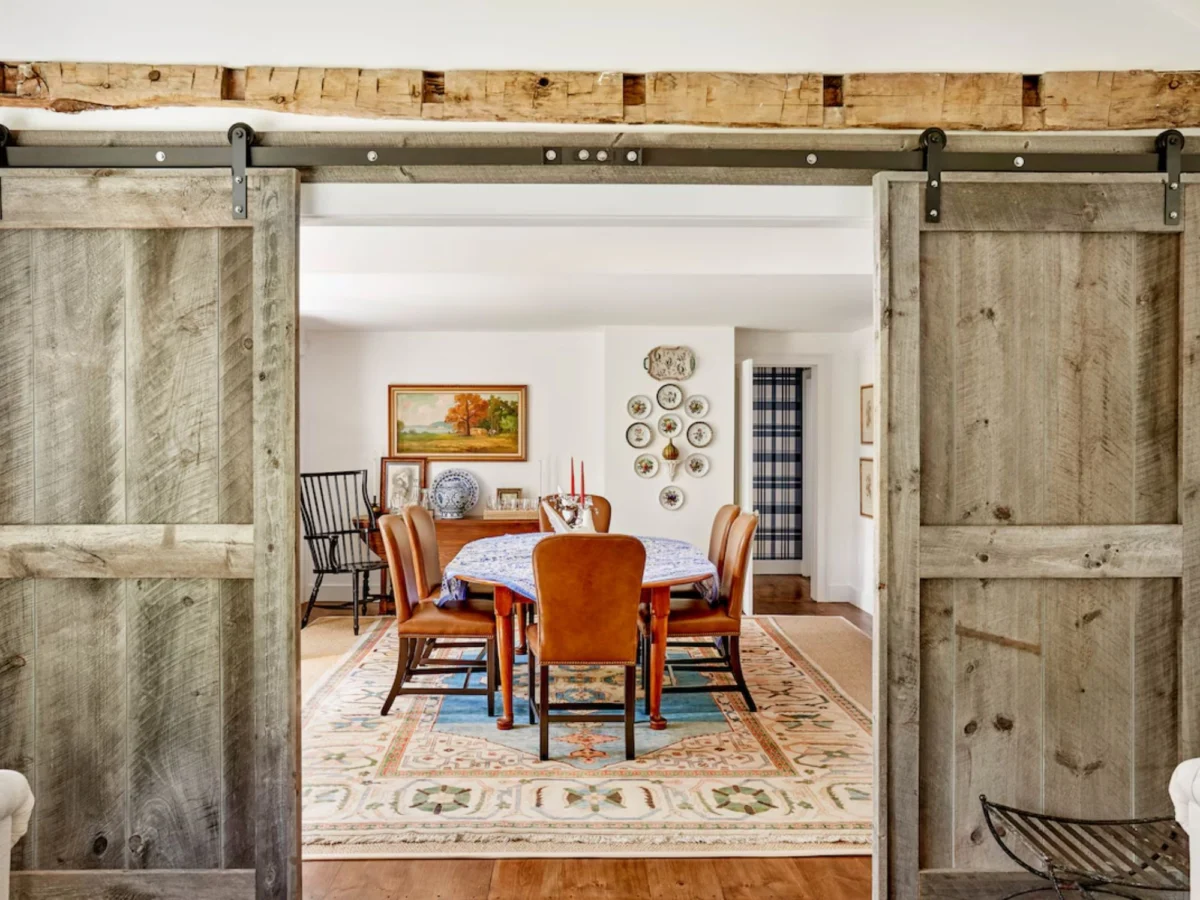
- Unified Dining Spaces: A disjointed layout where the kitchen is isolated from the dining area can detract from the communal nature of the holiday. Successful listings feature open-concept ground floors or formal dining rooms equipped with tables capable of seating eight to twelve people comfortably in a single setup.
- Pantry and Storage Capacity: Cooking a multi-course meal for a crowd requires significant refrigeration and pantry space. Airbnbs optimized for this season often highlight walk-in pantries and spacious refrigerator-freezer units in their listing descriptions.
- Decompression Amenities: Because modern holiday getaways often double as wellness and relaxation retreats, properties that supplement their dining capabilities with secondary amenities—such as wood-burning fireplaces, cedar saunas, game rooms, hot tubs, and sprawling outdoor fire pits—experience significantly higher booking velocity during the autumn shoulder season.
Regional Breakdown of East Coast Holiday Hotspots
The Eastern Seaboard boasts distinct geographical micro-regions that cater to different styles of holiday gatherings. Real estate performance data indicates high concentrations of holiday bookings across four primary zones:
The Hudson Valley and Catskills, New York
Long established as the weekend retreat of choice for New York City residents, the Hudson Valley offers a blend of agrarian history and contemporary design. Restored 19th-century farmhouses sit alongside architectural masterpieces of glass and timber. These properties often feature expansive lawns, historic barns converted into entertainment spaces, and proximity to artisanal farm stands where hosts can source local root vegetables, heritage poultry, and regional wines for their Thanksgiving feast.
The White and Green Mountains, New England
For groups seeking a picturesque, postcard-ready backdrop of crisp autumn air and late-season foliage transitioning into early winter snow, New Hampshire and Vermont provide the ultimate lakeside log cabins and historic colonial estates. These properties emphasize cozy interiors, featuring massive stone hearths, exposed timber beams, and proximity to hiking trails that allow guests to work up an appetite before the afternoon meal.
The Pocono Mountains and Bucks County, Pennsylvania
Offering accessibility for travelers coming from both the New York and Philadelphia metropolitan areas, Pennsylvania’s diverse topography ranges from the rolling hills and historic stone manors of Bucks County to the dense woodlands and sprawling lake estates of the Poconos. These homes frequently cater to multi-generational groups or large circles of college friends seeking expansive square footage and recreational amenities like pool tables and home theaters.
The Berkshires, Massachusetts
Combining cultural sophistication with deep rural tranquility, western Massachusetts features grand country estates and restored carriage houses. These properties often appeal to culinary-focused groups due to the region’s rich agricultural heritage and proximity to high-end artisanal food producers.
The Economic and Community Impact of Holiday Short-Term Rentals
The concentration of travel during the Thanksgiving holiday period carries significant economic implications for rural communities along the East Coast. While summer tourism remains the primary revenue driver for many small towns in New England and upstate New York, the shoulder season—spanning from Columbus Day through Thanksgiving—has historically faced a sharp decline in visitor spending.
The rise of group-oriented holiday rentals has helped bridge this seasonal gap. Local economies benefit directly as visiting groups patronize regional farm stands, butcher shops, independent liquor stores, and local bakeries to source ingredients for their Thanksgiving meals rather than relying on commercial chain supermarkets. Furthermore, local cleaning services, property management companies, and maintenance contractors report steady employment through late November, a period that previously saw reduced hours.
However, this trend is not without its operational challenges. Local municipal governments and neighborhood associations in destination counties have increasingly focused on balancing the economic benefits of short-term rentals with community preservation. Issues such as excessive noise, waste management during large gatherings, and parking congestion remain points of discussion at town hall meetings across rural municipalities. In response, professional property managers and platform hosts have implemented stricter guest vetting procedures, occupancy limits, and quiet-hour ordinances to maintain positive relations with permanent residents.
Industry Standards and Verification for Holiday Guests
Booking a high-stakes holiday rental requires careful planning to ensure the property matches its promotional descriptions. Travel industry experts and consumer protection advocates recommend specific protocols for groups securing a Thanksgiving house:
- Superhost and Premier Host Verification: Booking through platforms that vet hosts based on consistent reliability, low cancellation rates, and high guest satisfaction scores mitigates the risk of last-minute cancellations—a critical factor when plans involve a fixed holiday date.
- Direct Communication with Hosts: Prior to finalizing a reservation, hosts advise guests to explicitly confirm the operational status of the kitchen appliances, the exact seating capacity of the dining table, and the availability of basic culinary equipment (such as roaster pans, carving knives, and mixing bowls) to avoid culinary complications on the holiday.
- Review Analysis: Prospective guests are encouraged to filter reviews specifically for comments regarding kitchen functionality and indoor comfort during cold-weather months, ensuring the property performs adequately when the outdoor temperature drops.
As the tradition of Friendsgiving continues to mature, the infrastructure supporting it has evolved into a sophisticated segment of the hospitality sector. By combining the comforts of a residential homestead with the accessibility of modern rental platforms, travelers can bypass the spatial limitations of urban living and partake in a communal holiday experience rooted in shared culinary creation and collective relaxation across the historic landscapes of the East Coast.
Related posts: