The Ultimate Travel Uniform: Why Rag and Bone’s Viral Sweatpant Jeans Are Reshaping Airport Fashion

The eternal dilemma of modern air travel centers on a singular, intractable compromise: the push and pull between the desire for unyielding comfort and the social expectation of polished presentation. For decades, frequent flyers have been forced to choose their camp before stepping foot in a terminal. On one side are the proponents of athletic wear—leggings, joggers, and oversized hoodies—who prioritize ergonomic ease during hours spent cramped in economy seats. On the other are sartorial traditionalists who maintain that travel days demand structured clothing, often resulting in stiff waistbands, restricted circulation, and the distinct regret of wearing rigid denim on a long-haul flight.
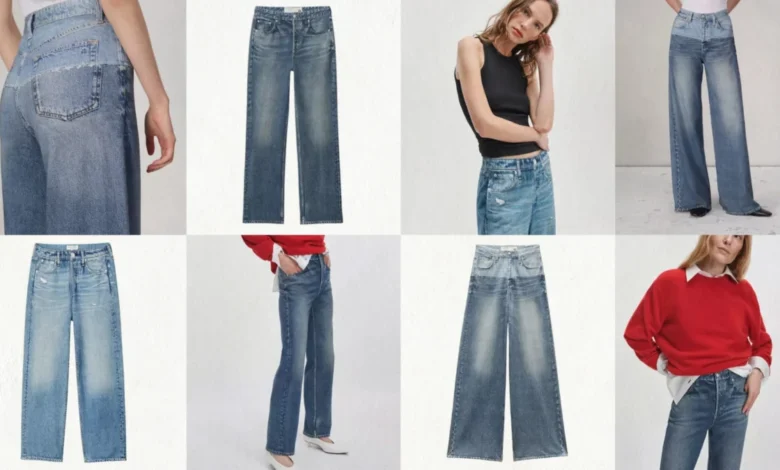
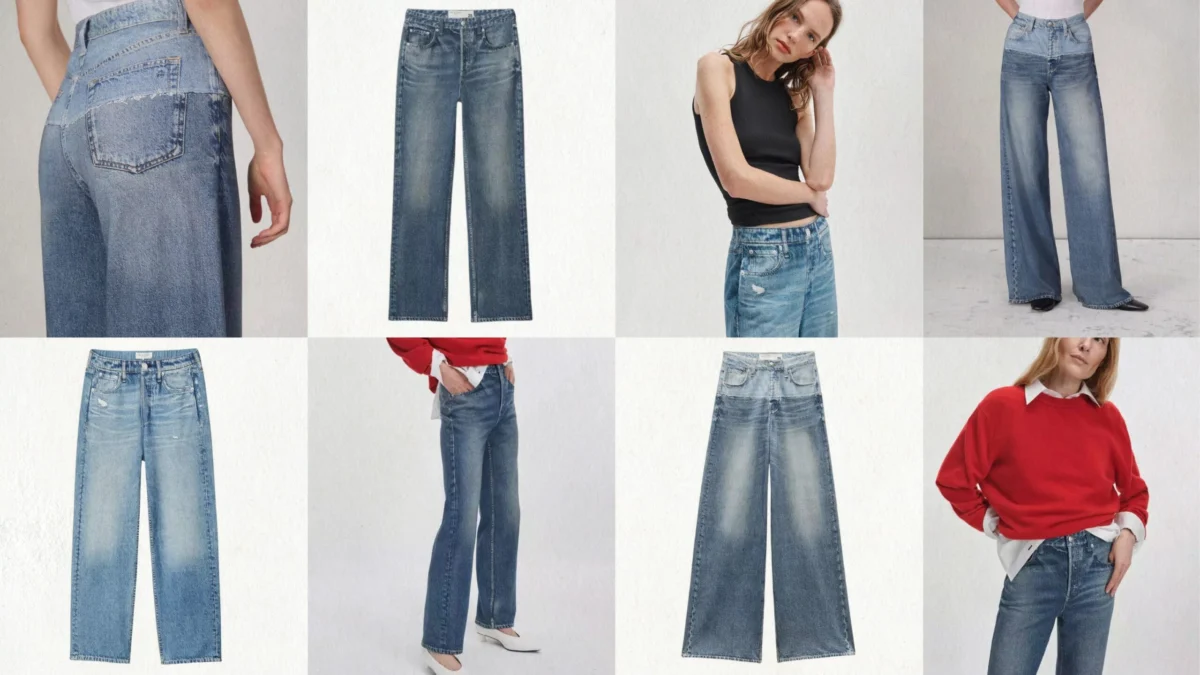
However, a shift in contemporary wardrobe economics is underway, driven by hybrid garments that promise to dissolve the boundary between loungewear and ready-to-wear fashion. At the forefront of this movement is a product that has quietly dominated travel forums and airport terminals alike: Rag & Bone’s rb Miramar collection, colloquially known as "sweatpant jeans." Engineered to mimic the precise visual architecture of traditional structured denim while maintaining the tactile comfort and stretch of a favorite pair of pajamas, these trousers have captured the attention of travelers seeking a functional, aesthetic middle ground.
The Intersection of Ergonomics and Aesthetics in Modern Travel
The evolution of airport style has historically mirrored broader shifts in workplace culture and global mobility. In the golden age of aviation, air travel was framed as a luxury event, prompting passengers to don suits, dresses, and structured outerwear. As commercial aviation democratized and flights grew longer, denser, and more frequent through the late 20th and early 21st centuries, practicality took precedence. Athleisure emerged as the dominant uniform of the skies, prioritizing breathability and mobility.
Yet, as international travel rebounds to pre-pandemic volumes, a new sub-category of consumer has emerged: the professional traveler who transitions directly from a transcontinental flight into business meetings, hotel check-ins, or urban exploration. This demographic requires garments that eliminate the need for mid-journey outfit changes. Traditional denim, while visually versatile, poses physiological challenges during high-altitude travel. Cabin pressure changes, prolonged periods of sedentary sitting, and restricted blood flow in standard rigid jeans often lead to discomfort, swelling, and fatigue.

Enter the Trompe l’œil denim phenomenon. By utilizing specialized printing technology on 100% cotton French terry or soft knit fabrics, apparel brands have engineered textiles that replicate the indigo washes, whiskering, and seams of classic jeans while retaining the thermal regulation and mechanical stretch of sweatpants.
A Closer Look at the rb Miramar Lineup
The market response to the rb Miramar collection highlights a broader consumer appetite for deceptive comfort. The product line, which retails between $198 and $268, encompasses several distinct silhouettes designed to cater to varying styling preferences and body types.
Among the most popular iterations is the rb Miramar Shea Ankle Relaxed Straight Pant, available in medium washes such as Lakewood. Designed to bridge the gap between casual loungewear and high-end resort wear, this model features functional hardware—including a genuine button closure, zipper fly, and front and back pockets—that successfully maintains the illusion of authentic denim. Weighing in with a light-to-medium cotton thickness, the fabric adapts efficiently to varying climate zones, making it an optimal choice for travelers moving between contrasting weather patterns.
Beyond the straight-leg cut, the brand has expanded the line to include wide-leg variations, such as the Sofie wide-leg pant in two-tone Antonia colorways, and the Miramar wide-leg ankle pant in Minetta. While the Sofie retains the structured hardware and sophisticated silhouette of its straight-leg counterpart, the traditional pull-on elastic variants lean closer to traditional loungewear by utilizing printed buttons and faux pockets. This divergence in design underscores a critical consumer trade-off: buyers must choose between the absolute realism of functional hardware and the unmitigated ease of a pull-on waistband.
Sizing Realities and Fit Analysis
Despite their viral acclaim, the practical implementation of these hybrid garments reveals notable sizing challenges that frequently confront online consumers and frequent flyers alike. Industry analysts and everyday shoppers note that the rb Miramar collection tends to run large across both waist measurements and inseam lengths.

A critical point of friction for consumers centers on length differentiation. Rag & Bone offers these styles in distinct "ankle" and "regular" length categories. The ankle length, nominally designed for individuals 5 feet 4 inches and under, frequently requires strategic styling—such as platform shoes or low heels—to prevent the hem from dragging. Conversely, the regular length is engineered for individuals 5 feet 5 inches and above, yet consumer feedback indicates these cuts often necessitate professional tailoring, even when worn with footwear.
This sizing disparity presents a logistical hurdle for time-pressed travelers seeking immediate wardrobe solutions. Furthermore, inventory distribution skews heavily toward the regular-length category, leaving consumers seeking shorter inseams with a severely limited selection of washes and silhouettes.
The Broader Implications for the Travel Apparel Industry
The commercial success of the rb Miramar pant points to a fundamental shift in how luxury and contemporary fashion brands approach travel-specific capsule wardrobes. As airlines continue to densify seating configurations and optimize operational efficiency, passenger comfort has become an increasingly quantifiable metric of travel satisfaction.
Textile engineers and fashion economists note that the demand for "soft structured" clothing is projected to expand as remote work culture permanently alters wardrobe expectations. Consumers who have grown accustomed to the tactile comfort of loungewear during professional and personal hours are increasingly unwilling to revert to restrictive garments for transit.
By merging the visual authority of denim with the physiological benefits of cotton knitwear, brands are capitalizing on a lucrative intersection of style and utility. For frequent flyers navigating multi-leg itineraries, the appeal is straightforward: the ability to step off a red-eye flight looking boardroom- or resort-ready without sacrificing physical well-being. As the travel apparel market matures, the standard set by viral hybrid garments suggests that the future of transit style will no longer demand a compromise between how a traveler looks and how they feel.