Supreme Court Weighs Landmark Climate Liability Case Between Boulder and Fossil Fuel Giants

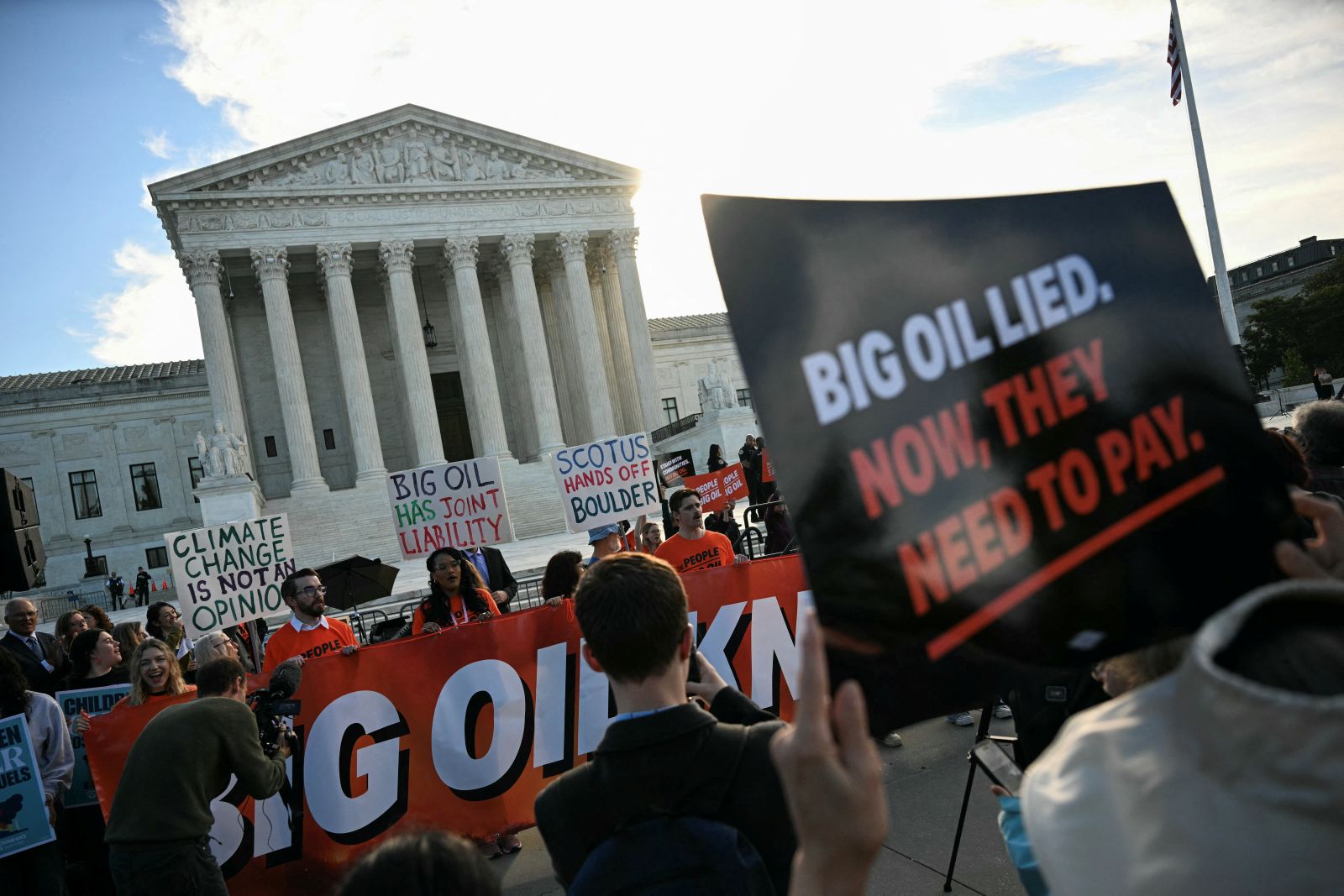
The Supreme Court of the United States commenced its 2026-2027 term this week by confronting one of the most consequential legal challenges in modern environmental history: a high-stakes lawsuit brought by the city and county of Boulder, Colorado, against energy behemoths Exxon Mobil and Suncor. The case, which serves as a bellwether for dozens of similar local government suits across the country, seeks to determine whether fossil fuel companies should be held financially liable for the mounting infrastructure and public health costs associated with global climate change. As the justices heard two hours of oral arguments on Monday, the proceedings revealed a court deeply divided over the reach of state law and the potential for a localized legal strategy to reshape the global energy economy.
A Legal Tug-of-War Over Jurisdiction and Liability
The fundamental dispute in the courtroom centers on a jurisdictional impasse. Boulder originally filed its lawsuit in Colorado state court, alleging that fossil fuel companies knowingly deceived the public regarding the catastrophic risks posed by their products. In response, Exxon Mobil and Suncor petitioned the Supreme Court to intervene, arguing that climate change is a global phenomenon that cannot—and should not—be litigated under the patchwork of individual state laws. They contend that any effort to hold them accountable for carbon emissions is, in effect, an attempt to regulate global conduct, a power they argue resides exclusively with the federal government and Congress.
Boulder’s legal team, led by attorney Kevin Russell, pushed back against this narrative, attempting to reframe the case as a matter of corporate accountability rather than environmental regulation. Russell argued that the city’s objective is not to force a reduction in oil and gas production, but rather to compel these companies to internalize the costs of the damages they have allegedly caused through decades of deceptive marketing. Despite these efforts, the justices repeatedly queried why the legal arguments were being presented in such a complex manner, signaling a desire to distill the case into a more manageable, albeit perhaps reductionist, framework.
Chronology of the Climate Litigation Wave
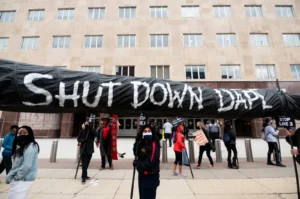
The path to the Supreme Court for this specific case is the culmination of years of escalating tension between local municipalities and the fossil fuel industry. Since roughly 2017, a wave of "climate accountability" lawsuits has swept through the American judicial system.
- 2017–2018: The first major wave of litigation begins, with cities like San Francisco, Oakland, and Imperial Beach, California, filing nuisance suits against major oil companies. These initial cases often stalled on the question of whether they belonged in federal or state court.
- 2021–2023: A significant shift occurs as municipal plaintiffs increasingly focus on the "deception theory"—the argument that fossil fuel companies spent millions on marketing to downplay the severity of global warming while possessing internal research that confirmed its reality.
- 2024–2025: Lower courts deliver conflicting rulings on whether these cases can proceed in state venues. The Supreme Court eventually agrees to hear the Boulder case to resolve this persistent circuit split and establish a clear precedent for the industry.
- October 2026: Oral arguments begin in Washington, D.C., marking the first time the high court has addressed the core merits of these state-level climate liability claims.
The Economic and Environmental Stakes
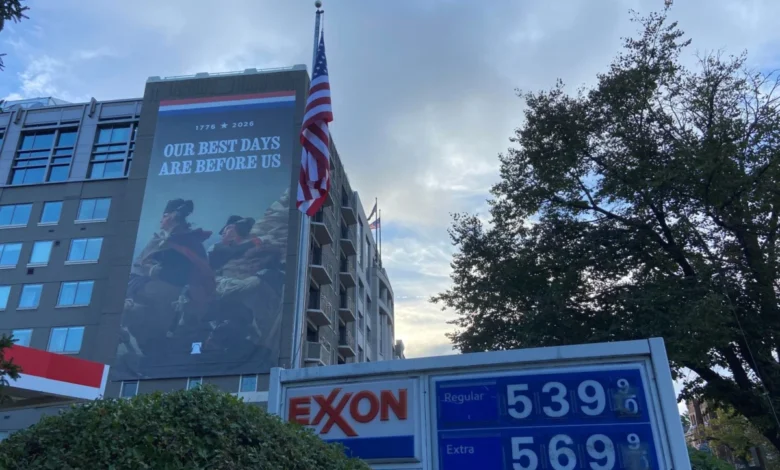
The financial implications of this litigation are staggering. The fossil fuel industry has consistently maintained that these suits are meritless attempts to "bankrupt" their operations. Kannon Shanmugam, representing the oil companies, warned the court that if Boulder’s case is allowed to proceed, it would trigger a flood of similar lawsuits, potentially totaling billions of dollars in damages. Shanmugam illustrated the potential for legal chaos by suggesting that under Boulder’s theory, an individual could sue an oil company for a nuisance claim simply for filling up their gas tank, as that act contributes to the aggregate of global emissions.
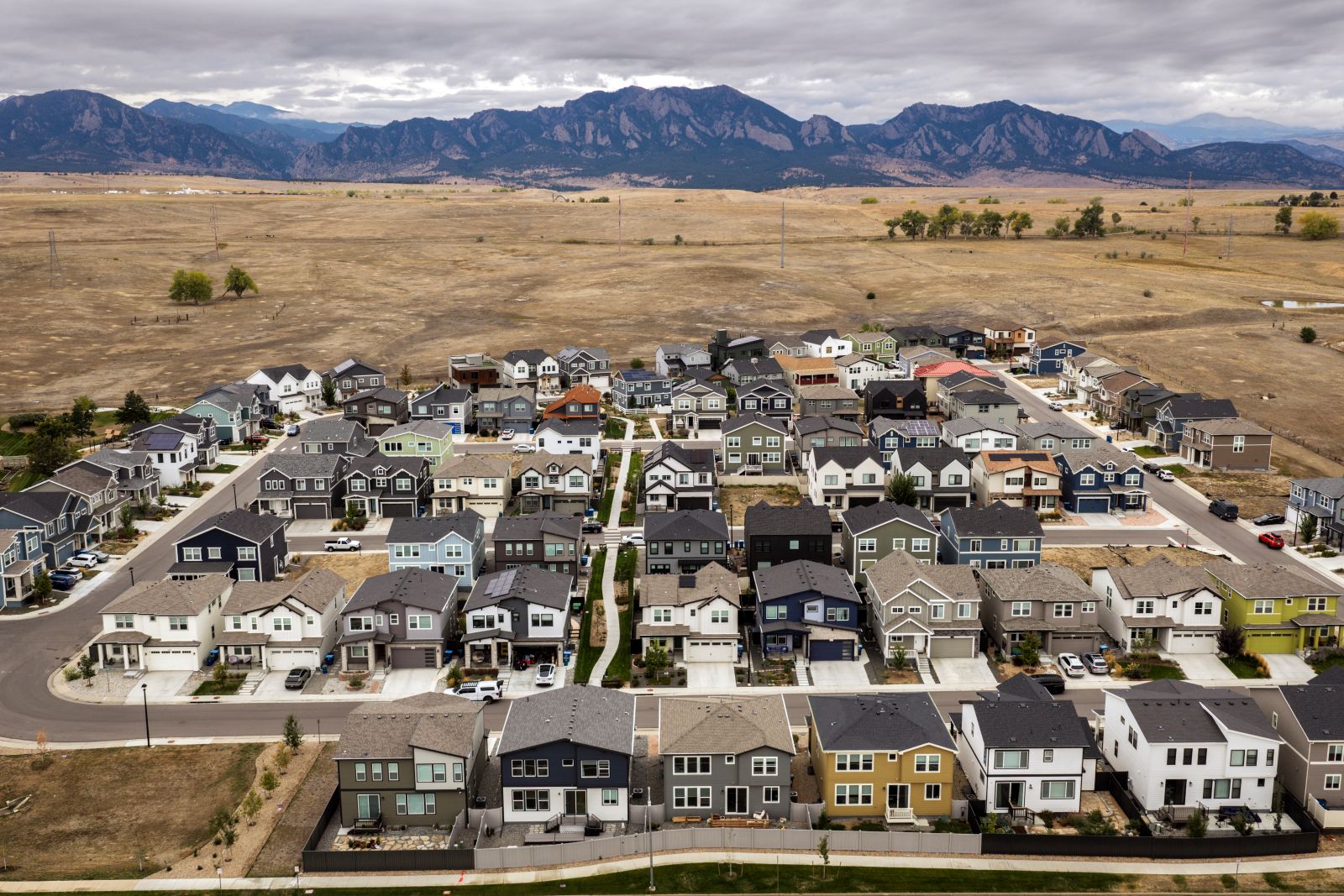
Conversely, proponents of the lawsuit point to the undeniable fiscal burden placed on local governments. Boulder County, for instance, has been forced to grapple with the aftermath of climate-linked disasters, such as the Marshall Fire, which destroyed hundreds of homes in 2021. The costs associated with upgrading stormwater infrastructure, managing wildfire risks, and providing heat-related public health services are increasingly falling on local taxpayers. Advocates argue that these expenses should be shared by the corporations whose products drove the atmospheric changes necessitating these new expenditures.
Parallels to Historical Tort Litigation
During the arguments, Justice Elena Kagan drew a direct comparison between the current climate suits and the historic litigation against the tobacco industry in the 1990s. In those cases, states successfully sued tobacco manufacturers to recoup the massive public health costs associated with smoking. The result was the Master Settlement Agreement, which forced companies to pay billions to states while simultaneously curbing their marketing practices.
Justice Kagan’s comparison highlights the central point of contention: Is this a case about regulating the volume of carbon emissions, or is it a case about holding companies liable for false advertising? Boulder’s counsel maintained that the city is not seeking to shut down the oil and gas industry but to ensure that the industry pays its fair share of the cleanup costs. Justice Brett Kavanaugh, however, remained skeptical, expressing concern that the "cavalier" nature of such claims could lead to widespread economic instability within the energy sector, which remains the backbone of the global economy.
Expert Analysis: The Path Ahead
The Court’s eventual ruling, expected months from now, will be parsed for its implications regarding federal preemption. If the Court rules in favor of the oil companies, it may effectively close the door on state-level climate litigation for the foreseeable future, forcing plaintiffs to rely on federal statutes like the Clean Air Act, which historically provide narrower avenues for relief.
"The outcome will depend heavily on the specific legal theory the justices choose to embrace," said Erika Kranz, an environmental law scholar. "If they view this through the lens of the Clean Air Act, the industry wins. If they view it through the lens of state-level consumer protection or fraud law, the municipalities may have a path forward."
Furthermore, the recusal of Justice Samuel Alito—who did not provide a formal explanation for his absence but has faced scrutiny regarding his financial holdings in the energy sector—leaves the court with only eight active participants. A 4-4 split would result in the lower court’s decision remaining in place, which would be a tactical victory for Boulder, as it would allow the case to proceed in Colorado courts without a Supreme Court ruling.
Broader Implications for Global Climate Policy
The case underscores a growing trend in global jurisprudence: the attempt to hold private actors accountable for the "externalities" of their business models. From the Netherlands, where a court ordered Shell to accelerate its emissions reduction targets, to the United States, where local governments are leveraging tort law to force corporate climate transparency, the legal landscape is shifting.
While the Supreme Court is primarily concerned with the procedural and constitutional boundaries of these lawsuits, the backdrop remains the physical reality of a warming planet. Regardless of the outcome of the Boulder case, the pressure on the fossil fuel industry to account for the societal costs of its products is unlikely to dissipate. The decision will mark a pivotal moment in determining whether the judiciary is willing to play a role in mediating the costs of the climate transition, or whether it will maintain the status quo by insulating the energy sector from state-level liability. As the 2026-2027 term unfolds, all eyes will remain on the high court to see if they provide a definitive answer to a question that has been percolating in the American legal system for nearly a decade.