A Rare Diplomatic Consensus Emerges as World Leaders Affirm Statehood for Nations Threatened by Rising Seas

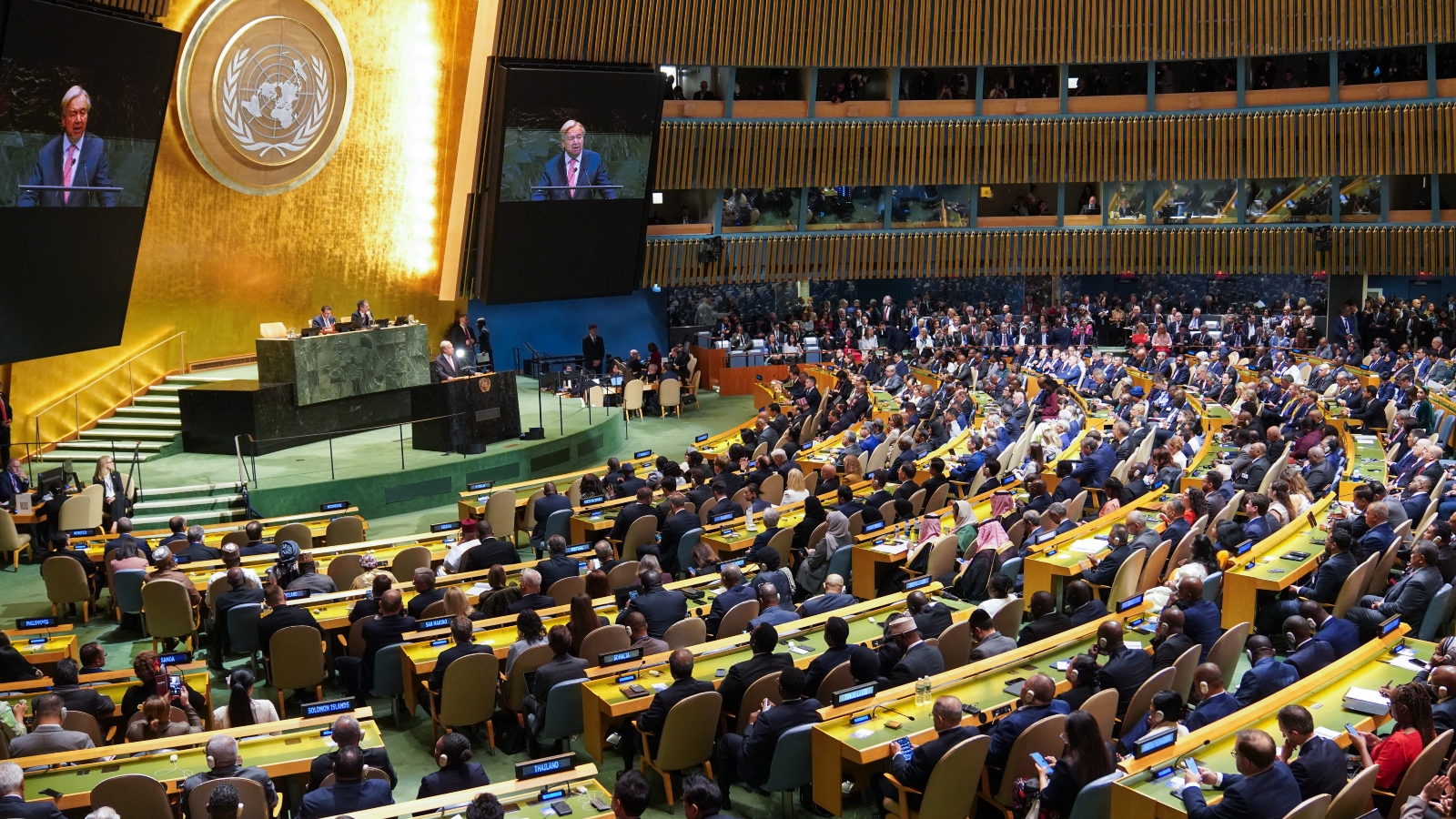
In a period defined by intensifying geopolitical friction and a deepening retreat from multilateral climate frameworks, the United Nations General Assembly achieved a surprising diplomatic breakthrough this week. World leaders reached a unanimous consensus on a resolution designed to preserve the legal status and maritime sovereignty of island nations facing the existential threat of sea-level rise. For the administration of President Donald Trump, which has systematically dismantled U.S. participation in global climate accords, this resolution represents a striking departure from its broader isolationist policy, marking a rare instance where the United States refrained from obstructing a climate-linked international agreement.
The Erosion of Sovereignty: A Growing Existential Crisis
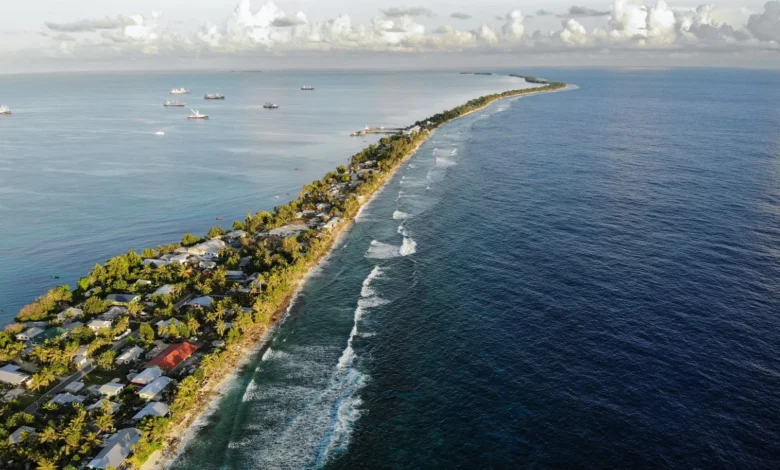
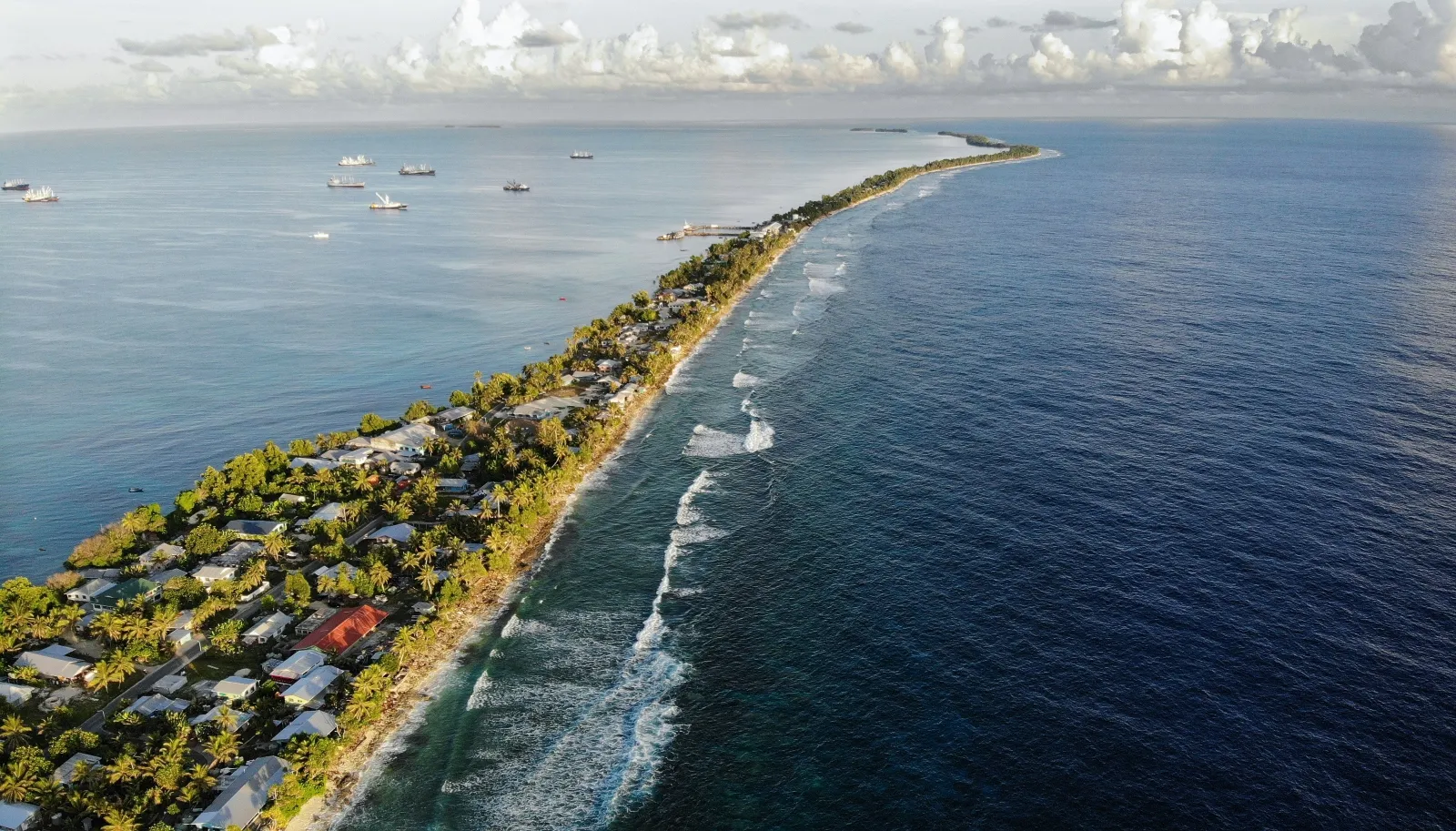
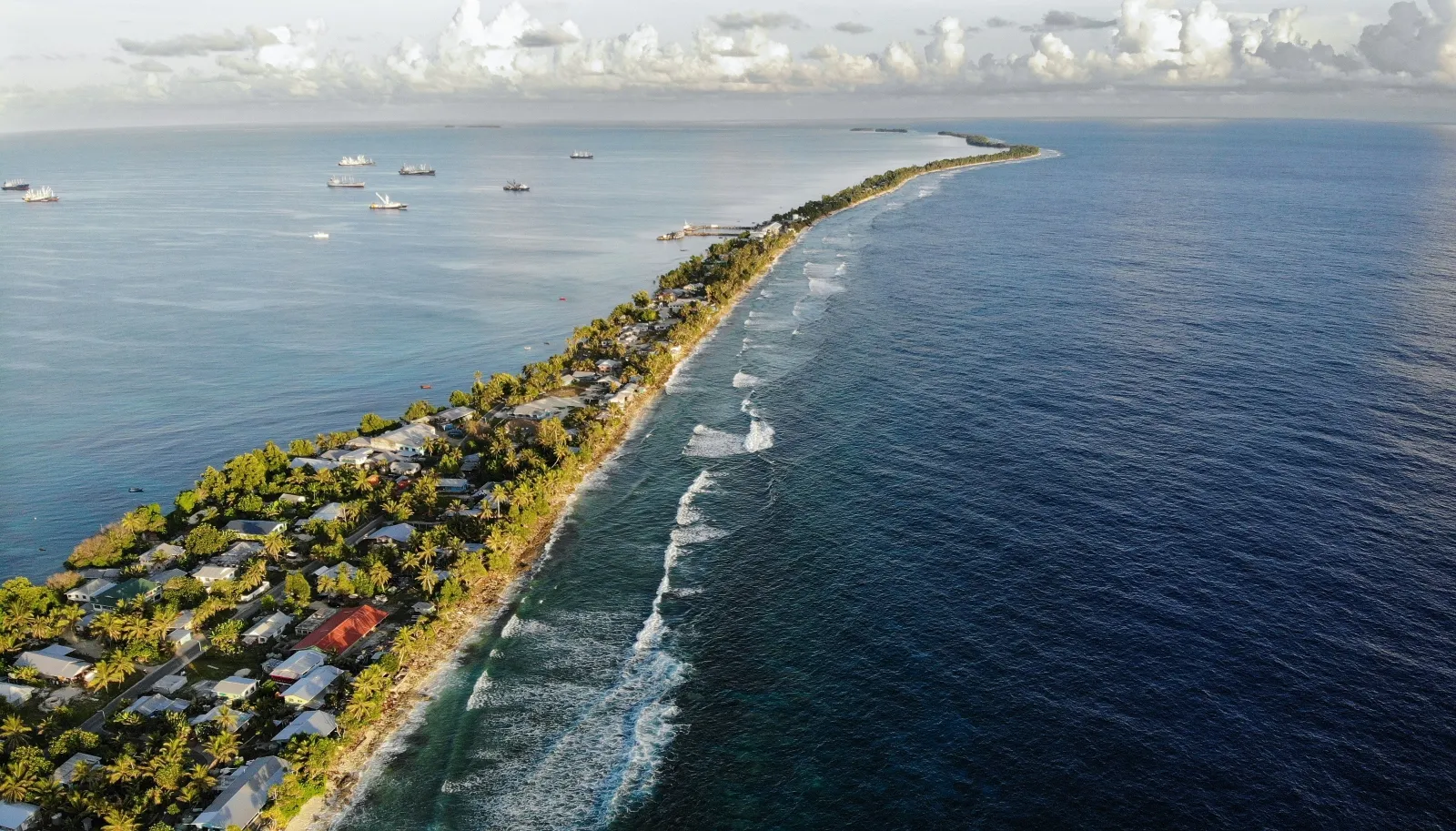
The global climate landscape has been largely dominated by the U.S. withdrawal from the Paris Agreement and aggressive attempts to roll back international carbon-pricing mechanisms, particularly those affecting the maritime shipping sector. However, the new UN declaration acknowledges a harsh reality: for low-lying nations such as Tuvalu, the Marshall Islands, and the Bahamas, the climate crisis is not merely a matter of environmental policy but a direct threat to territorial integrity.
As global temperatures rise, the resulting melting of polar ice sheets and mountain glaciers is accelerating the inundation of these nations. Historically, international law remained ambiguous regarding the status of a country that effectively ceases to exist in a physical sense. The new accord clarifies this, establishing that states will retain their political identity and legal standing even if their landmass is completely subsumed by the ocean. Furthermore, it preserves their exclusive economic zones (EEZs)—the vast stretches of sea that grant nations control over vital fishing stocks, deep-sea mineral deposits, and energy development rights.
Chronology of a Shifting Legal Framework
The path to this week’s resolution was paved by years of advocacy from the Alliance of Small Island States (AOSIS), a bloc that has long sought to insulate its members from the geopolitical fallout of climate change. The trajectory of this issue reflects a broader movement in international jurisprudence:
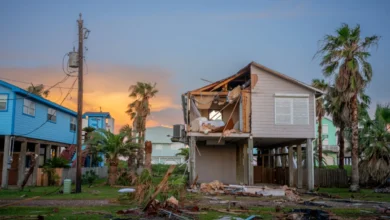
- 2019: The catastrophic impact of Hurricane Dorian on the Bahamas underscored the vulnerability of small island states, triggering a heightened demand for financial and legal protections.
- 2023–2024: During this period, the Global Center for Climate Mobility, alongside UN climate envoys, began drafting the frameworks that would eventually underpin the current resolution.
- 2025: A landmark ruling from the International Court of Justice (ICJ) set the precedent, declaring that the loss of a physical landmass does not automatically trigger the dissolution of statehood. This ruling served as the foundation for the current UN declaration.
- September 2026: The UN General Assembly officially adopts the resolution, affirming the "presumption in favor of continued statehood" for nations losing territory to the sea.
The Economic and Strategic Imperative
While the humanitarian motivations for the resolution are clear, experts suggest that the U.S. decision to support the accord was rooted in pragmatic national interest. Bryce Rudyk, a law professor at New York University and legal advisor to AOSIS, noted that the legal protections afforded to small island states have broad, self-serving applications for larger powers.
"Everyone will lose land, and no one wants to lose ocean territory," Rudyk explained. As sea levels rise, the coastal borders of every nation—including the United States—will shift. If international law were to dictate that a country loses its maritime territory alongside its physical shoreline, major powers could see their claims to lucrative offshore oil, mineral, and wind-energy sites evaporate. By supporting the "presumption of continued statehood," the U.S. effectively protects its own long-term control over offshore resources, creating a rare alignment of interests between the climate-vulnerable and the climate-averse.
Financial Hurdles and the Adaptation Gap
Despite the legal victory, the resolution does not solve the fundamental issue of funding. Small island nations require significant capital to build seawalls, restore mangroves, and, in some cases, fund the relocation of entire populations.
Current financial data from the OECD indicates that developed nations contribute approximately $130 billion annually in climate finance—a figure that falls well short of the $300 billion annual target agreed upon in 2024 to be reached by 2035. Moreover, the nature of this aid remains a point of contention. The Bahamas and other island nations have argued that debt-laden, loan-based financing is insufficient and potentially harmful. With national debts already inflated by climate-driven disasters, many nations cannot absorb further high-interest obligations.
Prime Minister Philip Davis of the Bahamas emphasized that the resolution must catalyze a shift in how the global community handles the climate burden. "Our landmass is less than three meters above sea level," Davis stated. "We are already seeing our land being swallowed by water, and the global effort to stem the carbon footprint has stalled. I think this declaration will perhaps heighten the flow of action."
Implications for Global Governance
The inclusion of language regarding the "urgent" obligation of wealthy, historic emitters to provide "expanded access" to adaptation funds represents a significant, if non-binding, rhetorical shift. While the Trump administration has famously gutted the U.S. Agency for International Development (USAID) and resisted international financial obligations, the State Department remained silent on the specific language of this resolution, suggesting a tacit acceptance of the framework to avoid diplomatic friction on a topic that possesses such universal legal implications.
The resolution also acts as a safeguard against potential "land-grabs" by private or state-backed entities looking to exploit the resources of the deep seabed. By enshrining the maritime sovereignty of these nations in international law, the UN has provided a buffer against a "might-is-right" approach to the ocean floor.
Future Outlook
As the world moves toward the 2027 international climate summits, the focus will likely shift from the legal definition of statehood to the tangible implementation of these protections. The resolution has provided a vital, albeit symbolic, floor for island nations. Whether it will lead to the concrete financial transfers required to physically protect these nations remains to be seen.
For now, the international community has reached a rare moment of clarity. In an era where the physical world is undergoing rapid, violent change, the world’s leaders have agreed that the legal and political map should not be allowed to follow suit. By choosing to preserve the sovereignty of those most at risk, the UN has acknowledged that if the ocean takes the land, it should not also be allowed to take the nation. Whether this consensus will hold against the pressures of continued economic volatility and climate-denialist policies remains the defining question for the next decade of global diplomacy.