A Rare Diplomatic Consensus Emerges as Global Leaders Address the Existential Threat of Rising Sea Levels

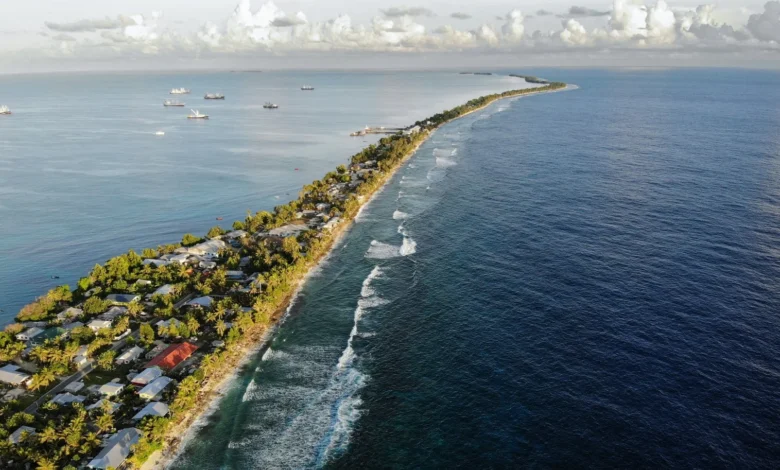
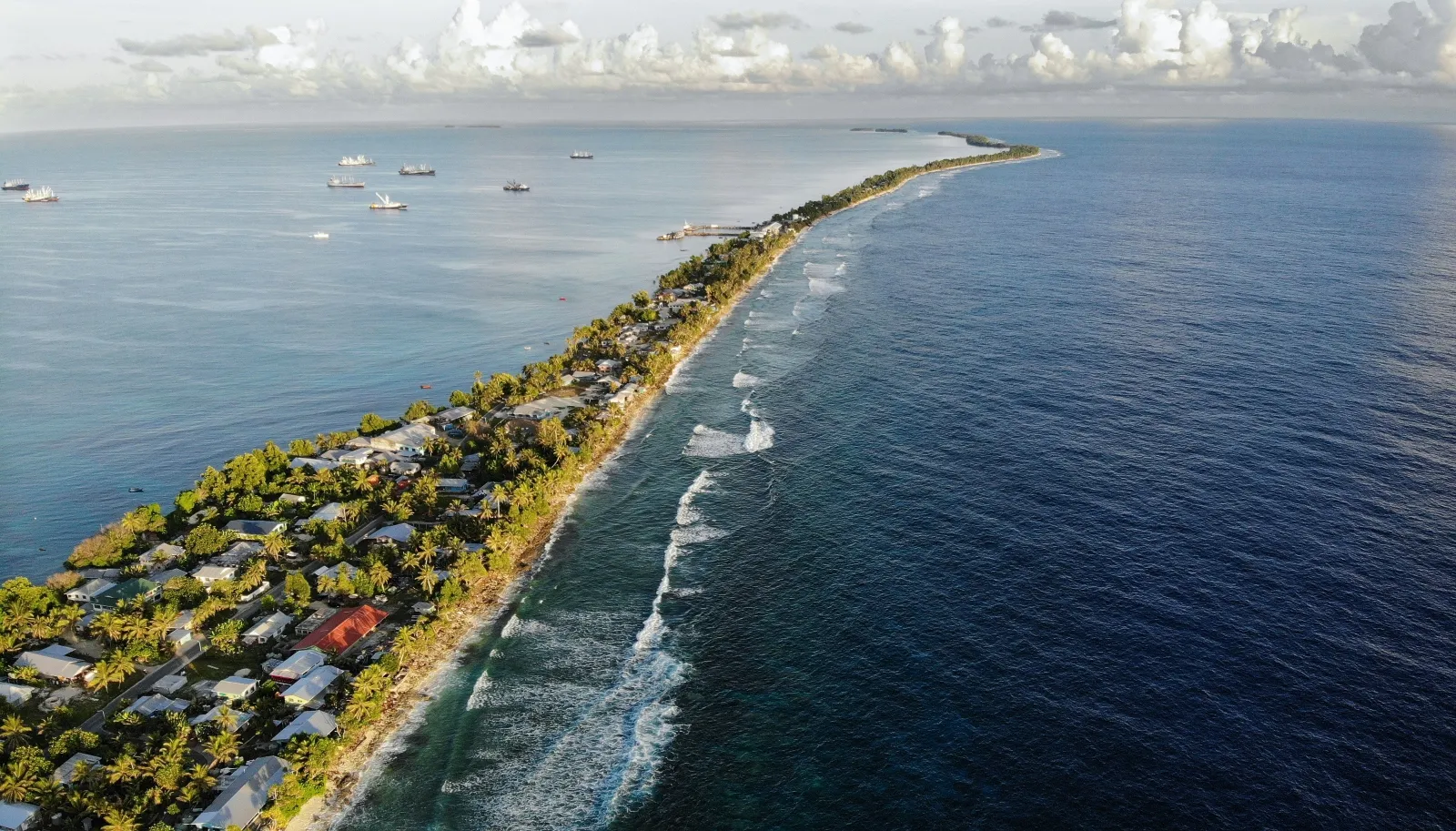
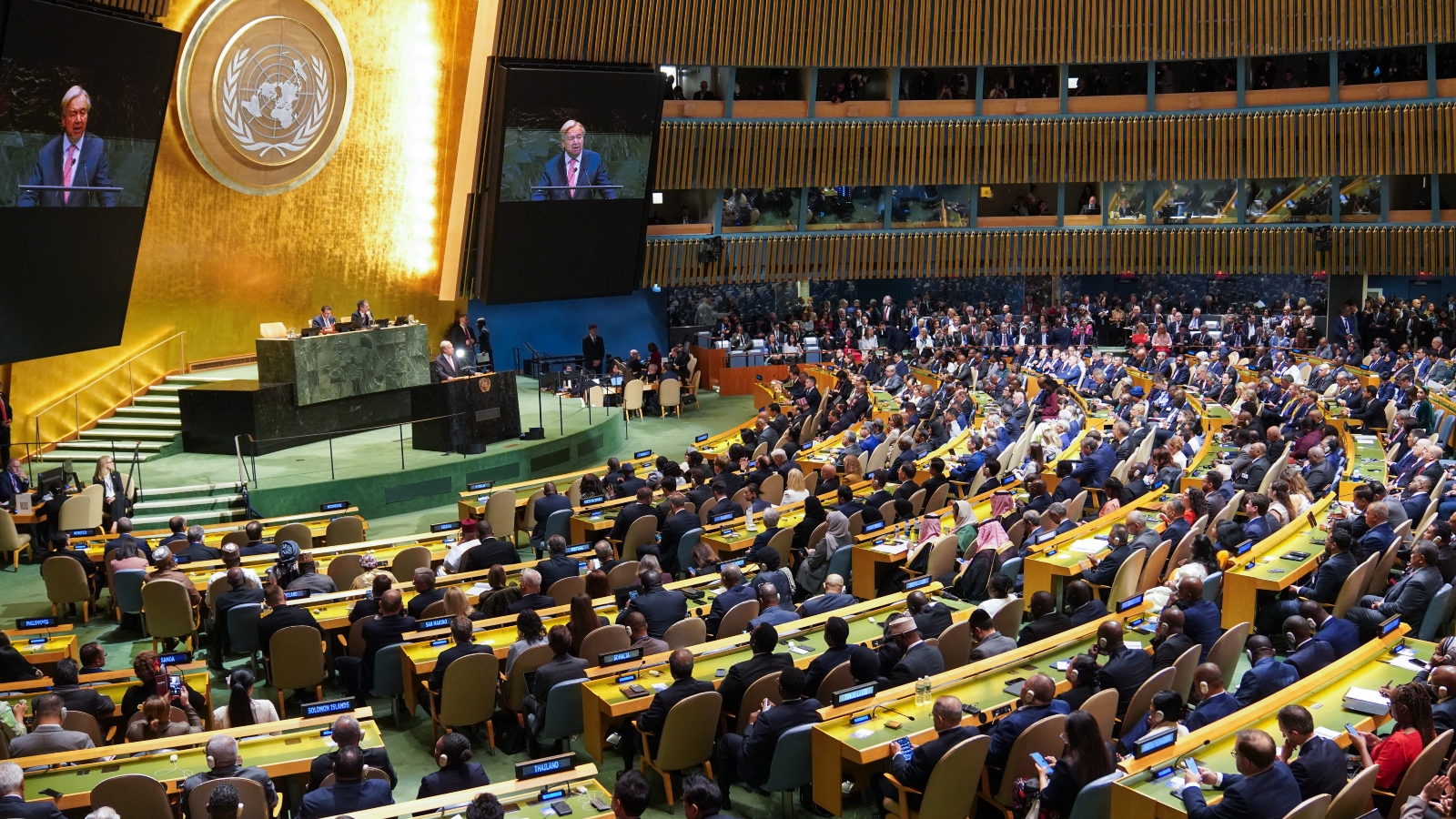
In an era defined by aggressive nationalism and the erosion of multilateral environmental frameworks, the United Nations General Assembly achieved a surprising breakthrough this week. World leaders reached a unanimous consensus on a resolution governing the legal status of nations facing total inundation due to rising sea levels. Notably, the United States—under an administration that has spent the past two years systematically dismantling international climate commitments—opted not to block the measure, signaling a pragmatic shift in how global powers view the intersection of geography, sovereignty, and international law.
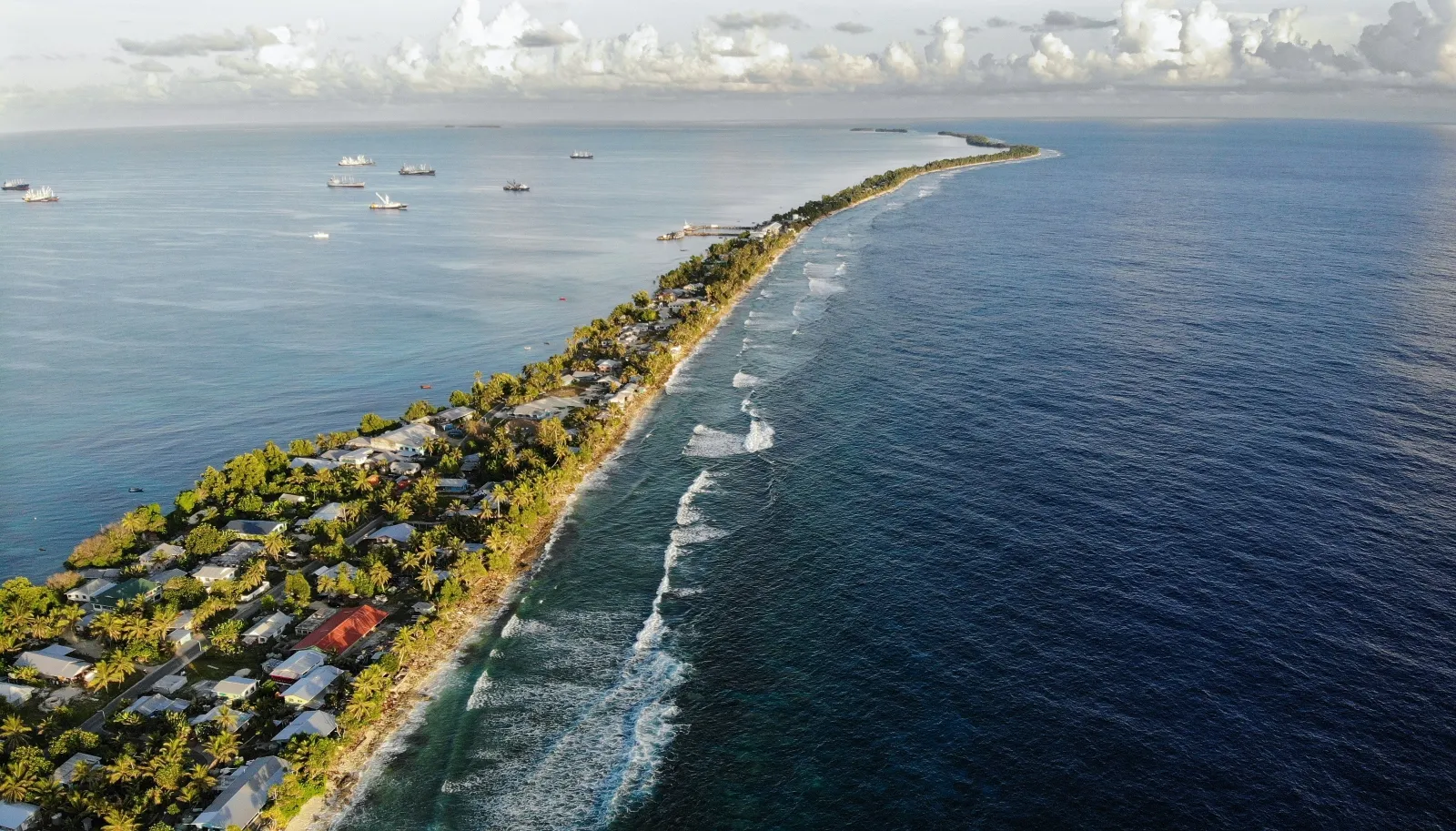
This declaration serves as a significant milestone for the Alliance of Small Island States (AOSIS), a coalition representing some of the world’s most vulnerable populations. For nations such as Tuvalu, the Marshall Islands, and the Maldives, the resolution provides a critical lifeline: the assurance that they will continue to exist as sovereign political entities, and will retain control over their vital maritime exclusive economic zones (EEZs), even if their physical landmass is eventually submerged by the encroaching Pacific or Indian Oceans.
The Chronology of a Shifting Legal Landscape
The path to this week’s UN declaration was paved by years of mounting legal anxiety. For decades, international law regarding statehood was tethered to the physical presence of territory. Under the traditional interpretation of the 1933 Montevideo Convention, a state requires a defined territory, a permanent population, a government, and the capacity to enter into relations with other states. As climate change began to threaten the very existence of low-lying island nations, the international community faced an existential legal crisis: What happens to a nation when its territory literally ceases to exist?
The chronology of this issue gained momentum following the 2024 climate summits, where the failure to meet emissions targets prompted a shift in focus toward climate adaptation and legal permanence.
- 2024: Following the conclusion of COP29, global discussions shifted toward "New Collective Quantified Goals" for climate finance. While the $300 billion annual target by 2035 was set, the mechanism for protecting the legal rights of drowning states remained sidelined.
- 2025: The International Court of Justice (ICJ) issued a landmark ruling, asserting that the loss of physical territory does not automatically result in the dissolution of statehood. This set the stage for the UN resolution.
- August 2025: The Trump administration’s climate skepticism reached a fever pitch, with threats of tariffs against nations that prioritized climate rhetoric over economic production.
- September 2026: The UN General Assembly formally adopts the resolution, codifying the "presumption in favor of continued statehood," marking the first time the global body has collectively endorsed the legal principles established by the ICJ.
Data and The Economics of Inundation
The urgency of the resolution is backed by dire projections from the Intergovernmental Panel on Climate Change (IPCC) and other oceanographic institutions. Current data indicates that sea levels are rising at an accelerating rate due to the melting of the Greenland and West Antarctic ice sheets. For the Bahamas, a nation with a maximum elevation of less than three meters, the economic stakes are absolute.
Prime Minister Philip Davis of the Bahamas, in an interview, highlighted that the protection of maritime territory is not merely a symbolic gesture; it is an economic imperative. "Our landmass is less than 3 meters above sea level, we are already seeing our land being swallowed by water," Davis stated.
The maritime zones in question—the 200-nautical-mile stretches of ocean extending from a nation’s coast—are gateways to significant economic resources. These zones hold the keys to:
- Fisheries: Essential for food security and the export-driven economies of Pacific island states.
- Energy Development: Control over potential offshore wind and, increasingly, deep-sea mineral deposits.
- Strategic Sovereignty: The ability to prevent "might-makes-right" resource extraction by larger, more powerful nations seeking to exploit the vacuum left by a disappearing state.
Despite the $130 billion in annual climate finance currently provided by developed nations, experts note that this figure remains woefully insufficient. The World Bank estimates that the cost of building climate-resilient infrastructure—such as the massive seawalls required to preserve current coastlines—could reach into the trillions.
Strategic Pragmatism: Why the U.S. Signed On
The decision by the United States to allow the resolution to pass without obstruction was unexpected, given the administration’s recent track record of abandoning international climate accords. However, legal experts suggest that this was not a sudden conversion to climate activism, but rather a calculation of national self-interest.
Bryce Rudyk, a legal advisor to the Alliance of Small Island States and a professor at New York University, explains that the legal framework for maritime borders is a universal concern. "Everyone will lose land, and no one wants to lose ocean territory," Rudyk noted. "It is in everyone’s interest to say, ‘We don’t want states just disappearing.’"
The U.S. has its own extensive coastlines, particularly in Florida and the Gulf states, which are increasingly susceptible to sea-level rise. If the precedent were set that a country loses its maritime rights upon the loss of land, the United States could eventually find its own sovereign control over offshore oil, gas, and mineral deposits challenged by international rivals. By supporting the "presumption of statehood," the U.S. is effectively safeguarding its own future economic and strategic interests under the guise of multilateral cooperation.
Broader Implications for Global Governance
The resolution serves as a rare point of stability in a volatile geopolitical climate. By enshrining the right of states to exist in perpetuity, the international community has moved to prevent a future characterized by "stateless" refugees and a lawless "free-for-all" in the world’s oceans.
However, the declaration is only a legal framework; it does not solve the physical reality of a warming planet. While it guarantees that a nation like Tuvalu can remain a member of the UN even if its land disappears, it does not provide the financial capital necessary to build the infrastructure required to prevent that disappearance.
Critics point out that the inclusion of "urgent" language regarding climate aid for developing nations remains non-binding. While wealthy countries have agreed to the language of the resolution, the actual mobilization of funds remains subject to the political whims of donor nations. The U.S. administration, having effectively dismantled USAID and withdrawn from numerous treaties, has not made any new financial commitments under this specific resolution.
Nonetheless, the consensus reached this week represents a psychological victory for the global community. It acknowledges that the climate crisis has reached a point where the traditional definitions of international order must be updated to survive. For the small island nations that have been at the front lines of the climate crisis, the resolution offers a modicum of security in an increasingly uncertain world. It is a tacit admission by the world’s most powerful actors that they are, in some capacity, tethered to the fate of the smallest.
As the global community looks toward the next cycle of climate negotiations, this resolution will likely serve as the foundational text for future discussions on migration, climate-induced displacement, and the evolving nature of sovereignty in the 21st century. Whether this legal affirmation can be translated into tangible, life-saving infrastructure remains the definitive challenge for the coming decade.
Related posts: