With Justin Broadrick’s last-recorded heavy vocals, the influential industrial-metal duo’s 10th album ends with a bang, not a whimper

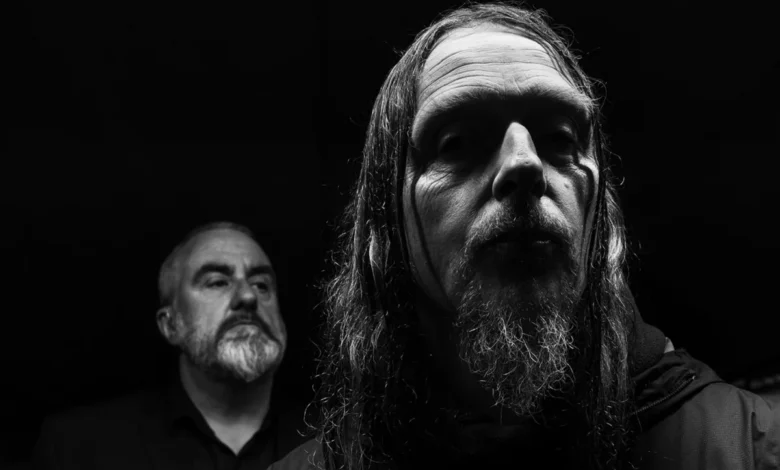
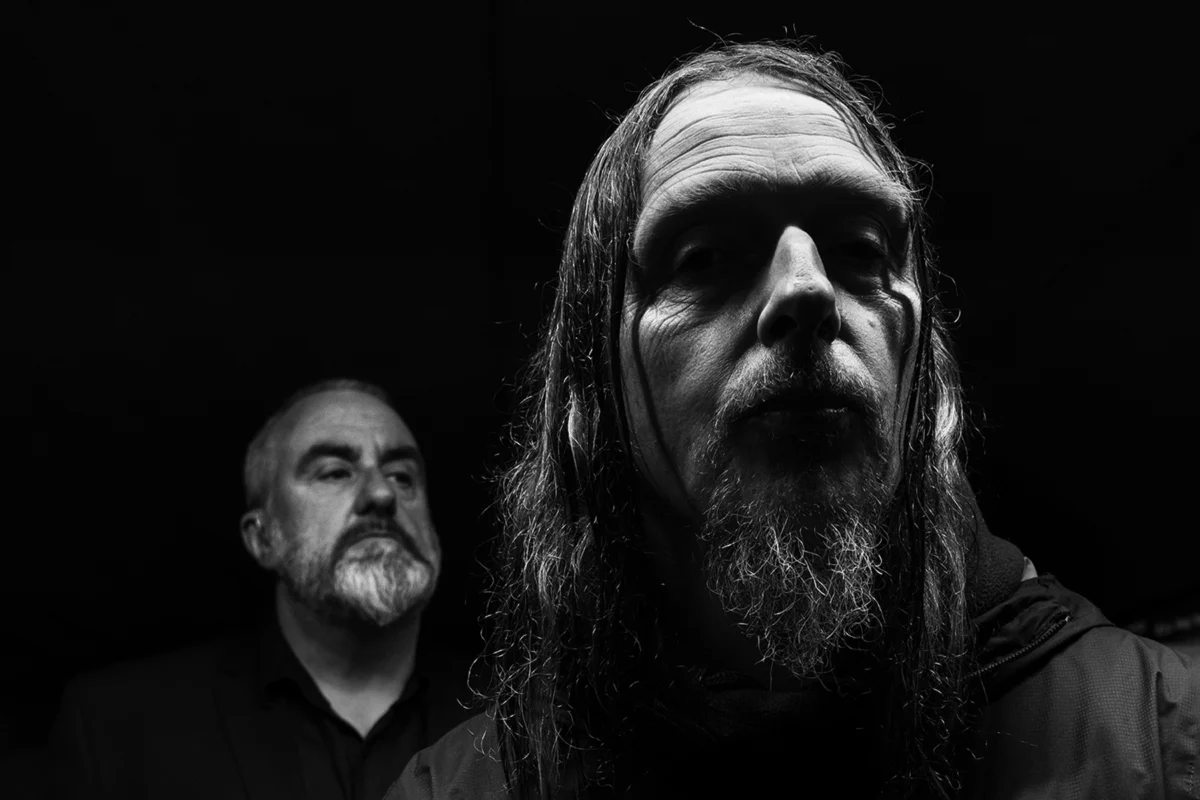
The release of Decay, the tenth studio album from the pioneering industrial-metal outfit Godflesh, represents a definitive pivot point in the trajectory of heavy music. As the penultimate offering from the duo of Justin Broadrick and bassist Ben Green, the album carries the weight of a legacy that spans over three decades. Most significantly, Decay serves as the final recorded testament to Broadrick’s signature vocal style—a guttural, rhythmic, and abrasive delivery that has defined the industrial metal genre since the release of their seminal debut, Streetcleaner, in 1989.
The Medical Necessity of a Sonic Shift
The circumstances surrounding the production of Decay are rooted in a critical medical event. Earlier this spring, Justin Broadrick disclosed that he had undergone surgery to repair a severe hernia. The procedure left the musician with a six-and-a-half-inch abdominal scar and, more pivotally, strict medical directives from his surgical team. Doctors informed Broadrick that the physical exertion required to produce his characteristic harsh vocals and growls posed a significant risk of abdominal rupture, a complication that could result in lifelong physical impairment.
This diagnosis effectively forced a retirement of the vocal techniques that have defined Godflesh’s sonic identity. Because the vocals for Decay were captured during the same studio sessions that yielded the band’s 2023 album, Purge, the band was able to preserve this final performance. The music, however, was refined and finalized in the wake of the surgery, turning the album into a bittersweet artifact. Looking ahead, Broadrick has confirmed that the group’s final project, titled The End, will shift toward a purely avant-garde, instrumental, or cleanly vocal approach, eschewing the guttural demands that previously characterized the band’s output.
A Chronology of Industrial Influence
Godflesh’s impact on contemporary music is difficult to overstate. Formed in Birmingham, England, in 1988, the band became a cornerstone of the burgeoning industrial metal scene by fusing the mechanical, repetitive beats of early techno and hip-hop with the low-end, downtuned sludge of extreme metal.
Their historical influence stretches across a diverse spectrum of genres:
- 1989–1995: The band establishes the blueprint for industrial metal, influencing acts such as Fear Factory, Korn, and Nine Inch Nails.
- Late 90s: Their blend of rhythmic precision and oppressive atmosphere permeates the alternative metal boom.
- 2000s–Present: Broadrick’s work finds resonance with artists far outside the metal sphere. Notable collaborator Phoebe Bridgers recently enlisted Broadrick for his guitar expertise on her Lost Weekend project, signaling the enduring relevance of his sound in modern indie and alternative circles.
Unlike many of their contemporaries who moved toward pop-adjacent song structures to secure mainstream success, Godflesh remained committed to a form of dystopic expressionism. Their music treats the guitar not as a lead melodic instrument, but as a textural component of a larger, crushing machine.
Analysis of the Soundscape: Decay and the Experimental Turn
While the 2023 release Purge was noted for its immediate, aggressive impact, Decay operates on a more introspective and experimental plane. Comprising six tracks, the album functions as a study in sonic tension.
The album opener, "Master and Slave," demonstrates the band’s mastery of minimalism. The composition unfolds with the precision of a Jenga tower, systematically introducing and removing motifs to create a sense of slow-motion collapse. The instrumentation—eerie synthesizers, a trembling, overdriven bass, and sharp, visceral guitar strikes—provides a sparse backdrop for Broadrick’s restrained delivery.
The second half of the record, specifically the track "Fear of Man," pushes the boundaries of frequency manipulation. By utilizing half-speed, bass-heavy drum patterns and intentionally removing the midrange from the guitar mix, the band forces the listener to contend with extreme high-end squeals and sub-bass frequencies. The result is a sound that is intentionally disorienting, challenging the listener’s capacity for sustained engagement with sonic extremes.
The Finality of "Consume Me"
The album concludes with "Consume Me," a 12-minute composition that stands as the final heavy vocal performance of Broadrick’s career. The track serves as a synthesis of the band’s aesthetic history, beginning with atmospheric dread and building into a chaotic, punishing crescendo.
Lyrically, the track is a visceral exploration of internal struggle. Broadrick’s delivery shifts from guttural roars to whispered desperation, culminating in a series of visceral shouts that underscore the emotional exhaustion of the project. For long-term observers of the band, the track acts as a cathartic closure. The sonic landscape suggests not only the end of a recording cycle but a final, deliberate purging of the creative frustrations that have fueled the band for 35 years.
Broader Implications and Legacy
The retirement of Broadrick’s harsh vocal style marks the conclusion of an era, but it does not represent the end of the artist’s output. Justin Broadrick remains one of the most prolific figures in experimental music. His work with projects such as Napalm Death, Jesu, Techno Animal, and Final demonstrates a capacity for artistic reinvention that spans grindcore, shoegaze, dub, and EDM.
From a technical standpoint, the release of Decay offers a case study in how bands can navigate the intersection of physical limitation and artistic vision. By utilizing archival recordings to complete a final cycle of work, Godflesh has managed to avoid the common pitfalls of forced, post-injury performance, instead channeling their constraints into a final, coherent statement.
While the loss of the band’s signature vocal intensity will be felt by the metal community, the release of Decay ensures that the final chapter of this specific iteration of Godflesh is one of technical and emotional sophistication. As the band prepares for their final project, The End, the music industry is left to evaluate a career that redefined the boundaries of "heavy" music—not through volume alone, but through the consistent application of a bleak,, yet profoundly precise, creative vision. The legacy of Godflesh remains, as it has always been, a testament to the power of the machine, the weight of the riff, and the enduring necessity of artistic evolution.