Michigan Senate Race Thrusts Abdul El-Sayed’s Past Comments and Sharia Law Debates Back Into National Spotlight

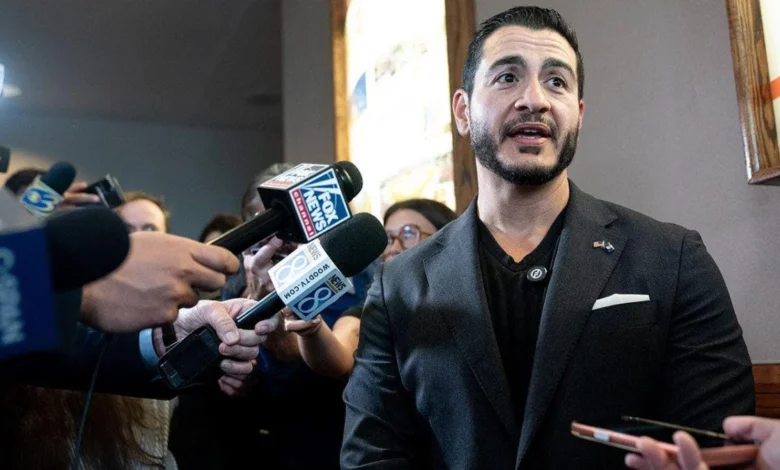
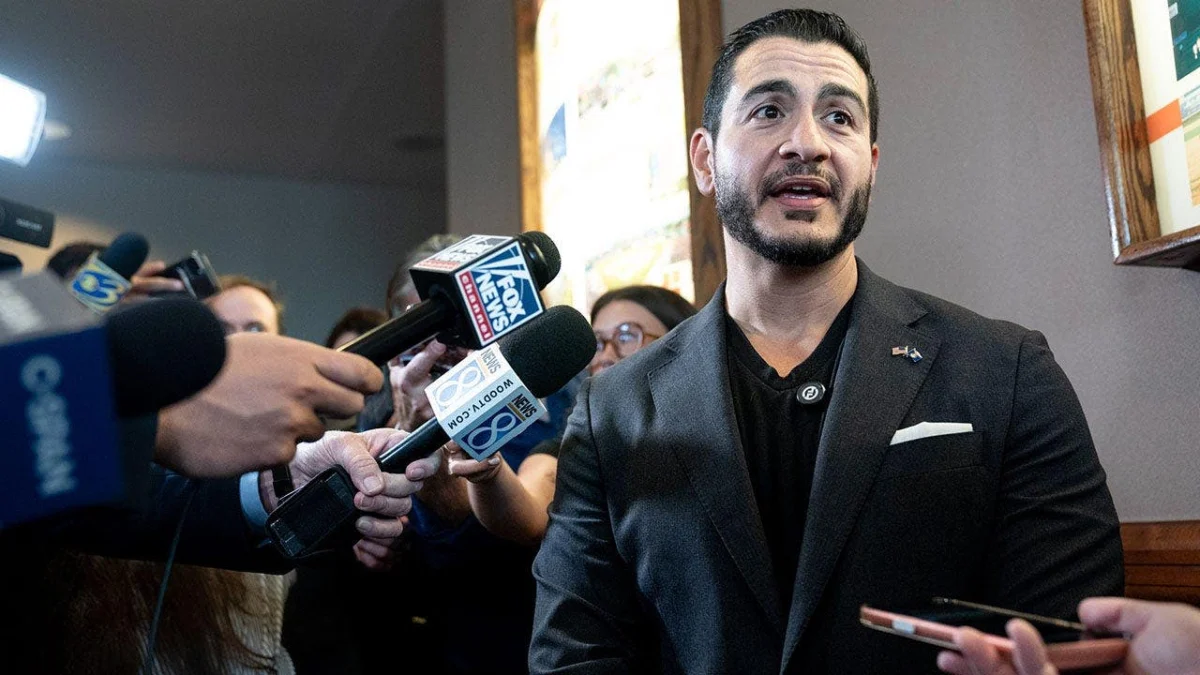
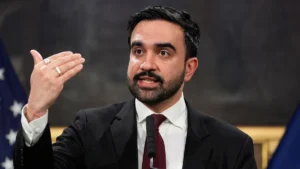
The intersection of religious identity, American governance, and political ambition has once again taken center stage in Michigan as Abdul El-Sayed, the Democratic nominee for the U.S. Senate, faces renewed scrutiny over historical remarks concerning his Muslim faith and allegations of ties to Islamist networks. The controversy, which stems primarily from a resurfaced exchange during a 2018 gubernatorial forum, highlights the enduring challenges faced by Muslim-American politicians navigating a deeply polarized American political landscape.
As El-Sayed campaigns for the upper chamber of Congress in one of the nation’s most closely watched midterm battlegrounds, political opponents have seized upon his past defensive statements against accusations linking him to the Muslim Brotherhood. The debate touches on broader concerns among conservative lawmakers regarding the compatibility of Islamic legal frameworks, known as Sharia law, with the United States Constitution and Western democratic principles.
The 2018 Gubernatorial Forum Flashpoint
The roots of the current controversy trace back to a 2018 Michigan gubernatorial candidate forum, where El-Sayed, then running for governor, found himself pressed by primary opponent Patrick Colbeck regarding his religious affiliations and past campus involvement. Colbeck, a former state senator known for his conservative stances, used the panel to question El-Sayed’s credentials, focusing heavily on allegations linking him to the Muslim Students Association (MSA).
Colbeck claimed that the MSA was designated as part of a broader strategy memorandum—authored by Mohamad Akram, a member of the Muslim Brotherhood—outlining methods for establishing Islamic influence in North America. During his senior year at the University of Michigan in 2007, El-Sayed served as the vice president of the university’s MSA chapter.
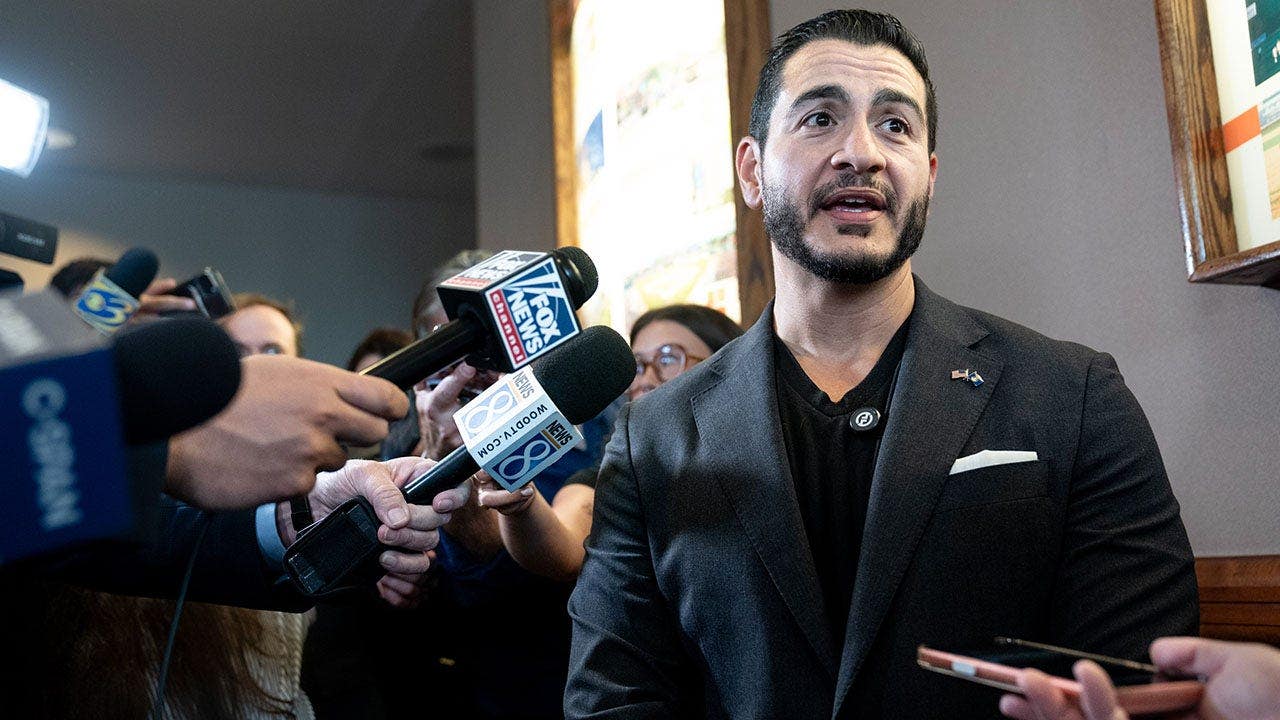
"This is very serious stuff, guys. This is about civilization jihad," Colbeck asserted during the debate, framing the organizational connection as a threat to national security and Western culture.
The line of questioning prompted the forum’s moderator to directly ask El-Sayed whether the implementation of Sharia law in Michigan was a legitimate concern. El-Sayed responded forcefully, expressing deep resentment toward what he perceived as bad-faith efforts to weaponize his Islamic faith against him.
Defending his commitment to the American political system, El-Sayed stated at the time, "I solemnly swear to uphold the Constitution of the United States and the Constitution of this state—that’s the oath that if any one of us is elected, we will swear. I take that oath particularly seriously because it guarantees me the right to pray as I choose to pray." He added categorically, "Sharia law is not in question in this state."
However, it was another remark made during the exchange that drew sustained criticism from political opponents. Addressing the climate of suspicion surrounding his candidacy, El-Sayed remarked, "Now, you may not hate Muslims. But I’ll tell you, Muslims definitely hate you." The phrasing, intended to highlight the mutual distrust and alienation felt by marginalized religious communities facing intense public scrutiny, has since been weaponized by critics to paint him as antagonistic toward broader American society.
Fact-Checking the Allegations and Contextualizing the Muslim Brotherhood
Independent journalistic investigations, including inquiries by Fox News Digital, have found no formal or substantive ties between El-Sayed and the Muslim Brotherhood. The memorandum cited by critics—often referred to as the 1991 Explanatory Memorandum on the General Strategic Goal for the Group in North America—lists a vast and diverse array of mainstream Islamic organizations, ranging from charitable foundations to academic and professional societies. Analysts note that many groups listed in the document maintained no operational or ideological relationship with the Muslim Brotherhood itself.
The Muslim Brotherhood, founded in Egypt in 1928, has long been a subject of intense international debate. While the group officially renounced violence in the 1970s, it has consistently advocated for the codification of Islamic law within government structures across the Middle East and North Africa. Nations such as Egypt, Saudi Arabia, the United Arab Emirates, Bahrain, and Russia have designated the Muslim Brotherhood as a terrorist organization, pointing to its historical involvement in political violence and its fundamental opposition to secular governance. Conversely, the United States government has not formally designated the umbrella organization as a terrorist group, though individual offshoots and related entities have faced U.S. sanctions.
National Conservative Reactions and the Sharia Law Debate
The debate over Sharia law is not unique to Michigan but forms a persistent narrative within national conservative politics. Lawmakers argue that the foundational tenets of Sharia—which govern personal status, civil matters, and criminal jurisprudence under traditional Islamic interpretations—are fundamentally incompatible with the American legal system, which guarantees freedom of speech, freedom of religion, and equal rights for women.
In 2025 remarks and subsequent legislative press releases, prominent conservative figures like Texas Representative Chip Roy articulated these concerns on a national scale. "America is facing a threat that directly attacks our Constitution and our Western values: the spread of Sharia law," Roy stated, warning against political ideologies that seek to subvert constitutional governance.
Critics of El-Sayed argue that the demographic and cultural shifts within specific Michigan enclaves, such as the city of Dearborn, lend urgency to their concerns. According to data from the 2020 U.S. Census, individuals reporting Middle Eastern or North African ancestry comprise approximately 54.5% of Dearborn’s population. The city’s growing Muslim community and the increasing visibility of Islamic cultural practices in local civic life have drawn sharp rhetoric from conservative commentators and religious figures.
During a municipal council meeting in Dearborn, Pastor Lorenzo Sewell of the 180 Church delivered pointed remarks criticizing local leadership and alleging a departure from American legal traditions. "America, we have lost this city. This is a city that is no longer up under American laws; we are up under Sharia law," Sewell declared, calling on councilmembers to formally reject Islamic legal codes.
Campaign Response and Official Stance
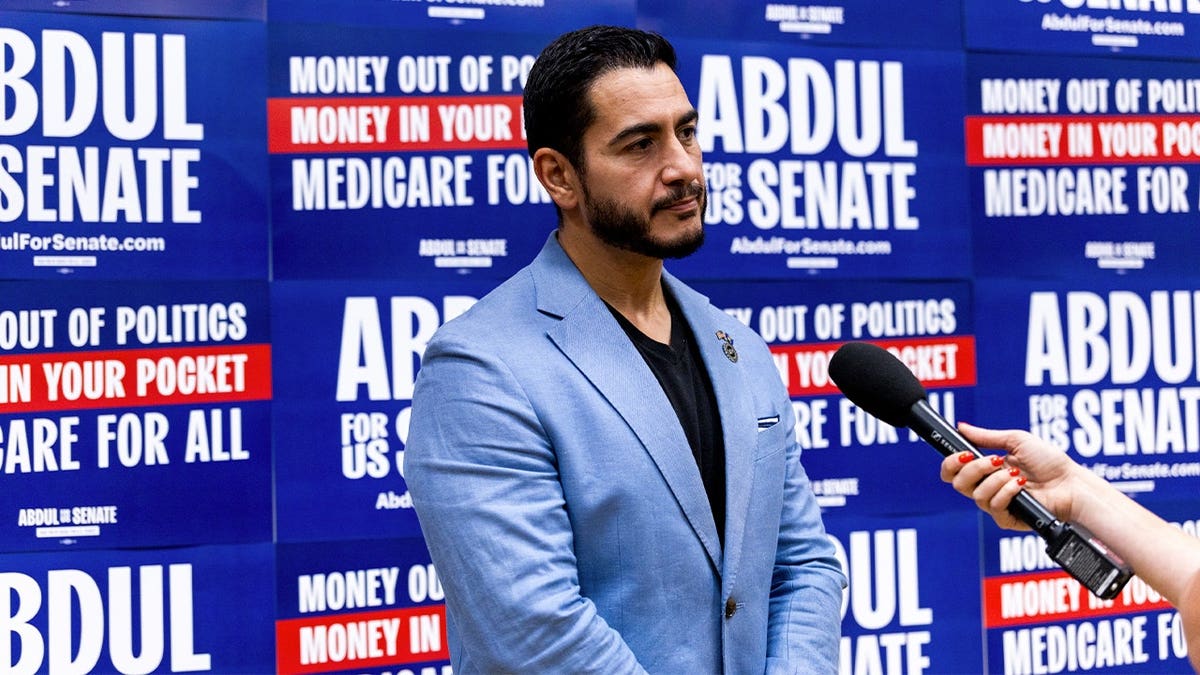
In response to the resurfaced controversy and ongoing attacks from political opponents, representatives for El-Sayed’s Senate campaign have firmly rejected any suggestion that the candidate intends to promote or implement Sharia law. Campaign officials emphasize that El-Sayed is a staunch defender of the constitutional separation of church and state.
"Abdul believes in the separation of church and state," an El-Sayed campaign spokesperson told the Washington Free Beacon. "While he personally lives by the rules of his faith, as many Americans of various faiths do, Abdul opposes any effort by any religious community to write their faith laws into the laws of our country."
Supporters of El-Sayed argue that the attacks are rooted in Islamophobia and represent an unfair double standard applied to Muslim candidates seeking high office, demanding that they constantly prove their loyalty to the United States in ways not required of candidates from other religious backgrounds.
Broader Implications for the 2026 Midterms
As the Michigan U.S. Senate race accelerates, the controversy surrounding El-Sayed illustrates the potency of culture-war politics in modern American elections. For Democrats, the race is a crucial test of whether progressive candidates can mobilize diverse coalitions in key Midwestern states without falling prey to divisive identity politics. For Republicans, framing the election around issues of national security, constitutional integrity, and cultural preservation serves as a vital mobilizing tool for conservative voters.
Ultimately, the debate underscores the delicate balance between religious freedom and secular governance in a pluralistic society. As voters head to the polls, the outcome in Michigan will likely reflect how the electorate weighs accusations of past rhetoric against a candidate’s stated commitment to constitutional norms.
Related posts: