The Rise of the Climate Reserve: How Displaced Scientists Are Building a Shadow Infrastructure for Environmental Research

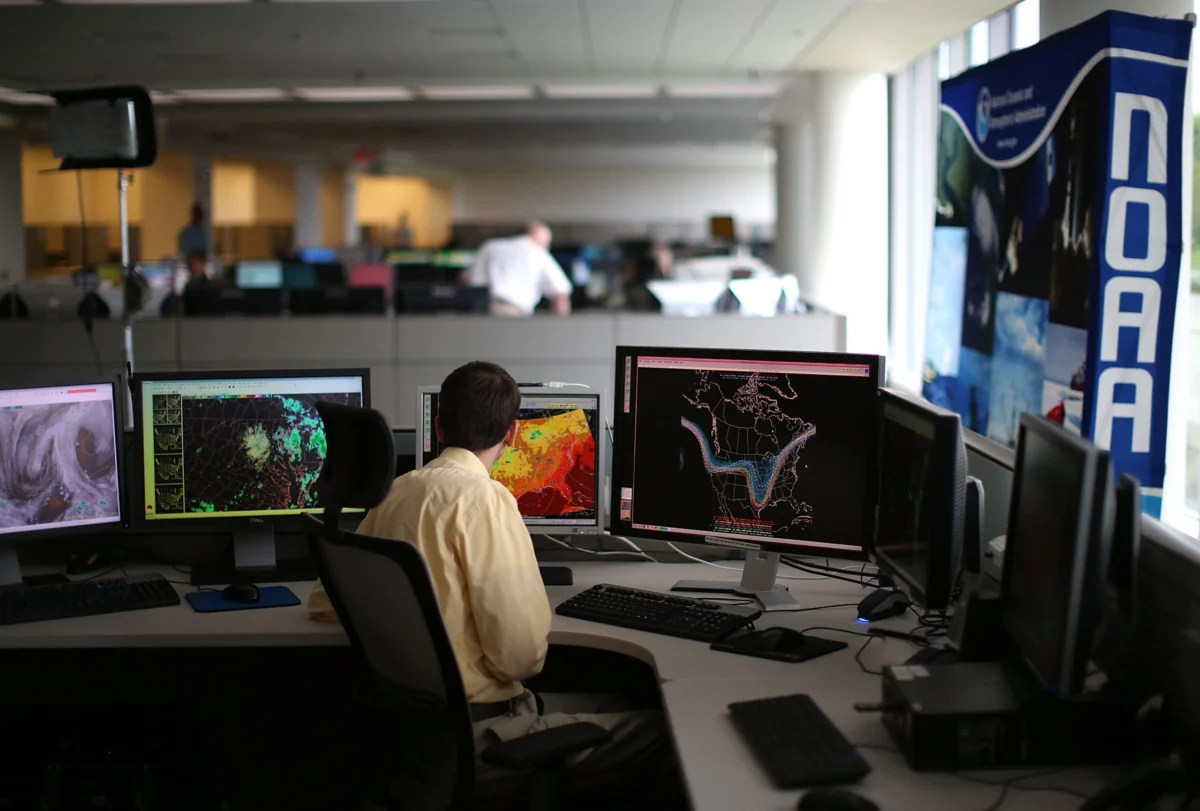
The past eighteen months have marked one of the most volatile chapters in the history of American scientific inquiry. Following the inauguration of President Donald Trump for his second term, the federal government initiated a sweeping restructuring of its environmental apparatus, resulting in the dissolution of critical research programs and the termination of thousands of civil servants. From the Environmental Protection Agency (EPA) to the National Oceanic and Atmospheric Administration (NOAA), the sudden withdrawal of federal funding created a vacuum in climate data management, atmospheric monitoring, and environmental justice advocacy. In response, a coalition of displaced experts, philanthropists, and academic leaders has launched the Climate Reserve—a decentralized, non-governmental initiative designed to preserve institutional knowledge and sustain vital climate-monitoring projects in an era of federal austerity.
A Timeline of Institutional Contraction
The erosion of federal climate research did not happen overnight, but it accelerated with unprecedented velocity in the first quarter of the administration’s second term. By February, the administration had signaled its intent to pivot away from climate-focused research, prioritizing deregulation and fossil fuel expansion. By April, major grant programs were effectively frozen, and internal memos suggested the closure of several climate-data portals.
For many within the federal ranks, the transition was jarring. By May, agency heads were issuing notices of non-renewal for thousands of contract researchers, effectively ending projects that had been in development for over a decade. The shockwaves were felt across the scientific community, as researchers who had spent their careers navigating federal bureaucracies found themselves suddenly without resources or institutional affiliation.
The turning point for the Climate Reserve occurred in July at a workshop convened by the Aspen Global Change Institute in Colorado. Over 30 experts, many of whom were among those recently dismissed from government roles, gathered to discuss the viability of a "professional sanctuary" for climate science. By late summer, the framework for the Climate Reserve was established. By the following autumn, the organization had successfully secured its first round of private funding, totaling tens of millions of dollars, to provide "bridge grants" and fellowship stipends for those left in limbo.
The Architecture of the Climate Reserve
The Climate Reserve functions not as a traditional grant-making body, but as a strategic placement agency that operates on the principles of "movement generosity." This philosophy emphasizes collaboration over the siloed competition typical of academic and private-sector funding cycles. Under the leadership of Aparna Shrivastava, a former senior climate official in the Biden administration, the organization has created a fluid network where fellows can be deployed to nonprofit institutions, universities, or policy think tanks.
This approach addresses the fragmentation of climate research. When government projects are shuttered, the underlying datasets—often the result of years of calibration and field work—are at risk of being lost or becoming obsolete. The Climate Reserve ensures these datasets remain accessible. For example, the organization has successfully "resuscitated" the EJScreen, an essential online mapping tool that identifies environmental justice hotspots and pollution burdens in underserved communities. By partnering with the Open Environmental Data Project, the Reserve has placed former federal experts in roles dedicated to maintaining and updating these tools, ensuring that the data remains a public resource despite the loss of direct federal stewardship.
Quantitative Impact and Strategic Deployment
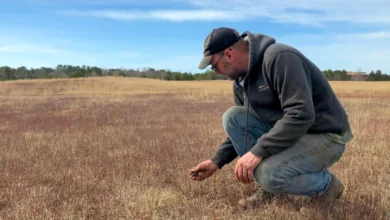
To date, the Climate Reserve has facilitated the transition of 50 high-level climate experts into new, mission-critical roles. These fellows are currently operating across a diverse array of sectors. At the University of Minnesota, researchers are continuing work on soil carbon sequestration, while at the Environmental Protection Network, others are providing the technical analysis necessary for public comment on environmental regulations.

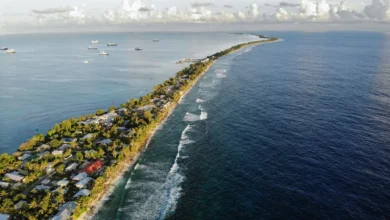
The scope of this intervention is global. Recognizing that climate change transcends national borders, the Reserve has funded projects tracking greenhouse gas emissions in five African nations and mapping sea-level rise along the coastlines of Panama. The necessity of this work is underscored by current climate data; as of mid-2026, global temperatures continue to track toward historic highs, and the need for standardized, reliable metrics on methane emissions and wildfire smoke dispersion has never been more urgent.
However, the transition has not been without difficulty. The organization acknowledges that many of its fellows still require access to federal data and, in some cases, hope to apply for federal grants in the future. Consequently, the Climate Reserve has adopted a posture of tactical transparency. While the group is increasingly public about its mission to attract further capital, it maintains a degree of operational confidentiality regarding specific personnel and internal projects to shield them from potential punitive measures or administrative interference.
Fact-Based Analysis: The Risks of Institutional Memory Loss
The systematic removal of federal scientists poses a significant threat to long-term national security and public health. When scientists are separated from their data, the "institutional memory" of how to monitor complex feedback loops—such as the release of methane from thawing permafrost or the particulate matter trajectory of wildfire smoke—is often severed.
John Balbus, a former senior official at the Department of Health and Human Services (HHS) and a current fellow with the Climate Reserve, notes that the loss of human capital is perhaps more damaging than the loss of physical equipment. "The relationships, the understanding of how to interpret data for policy, and the ability to act on seasonal heat forecasts—that is knowledge that took decades to build," Balbus observed. By keeping these experts in the field, the Climate Reserve is preventing a total collapse of scientific readiness, though they remain clear-eyed about the limitations of their work.
"We are not at all looking to replace the government," says Shrivastava. "We are simply stepping up to address a systemic failure. The government has a role in scientific infrastructure that private philanthropy cannot fully replicate, but in the absence of that support, we must ensure the lights don’t go out."
Looking Ahead: A Model for Future Resilience
The emergence of the Climate Reserve suggests a shift in how the scientific community prepares for political volatility. By building a network that emphasizes cross-institutional collaboration, the organization is creating a more modular and resilient infrastructure. If federal support for climate science were to be restored in a future administration, the network established by the Reserve could potentially serve as a conduit for rapid reintegration, allowing for the swift deployment of talent back into the public sector.
However, the immediate reality remains a "parachute" strategy. The goal is to provide a soft landing for those whose expertise is currently viewed as politically inconvenient. As the organization moves toward its goal of tripling its funding by the end of next year, its leadership is preparing for a sustained period of independent operation.
The implications for the broader climate movement are significant. By demonstrating that high-level scientific research can survive even when severed from the federal budget, the Climate Reserve has provided a template for how the scientific community can maintain its integrity during times of intense political pressure. Yet, as Balbus and other experts frequently reiterate, the climate crisis is a compounding problem. Every month of delayed research, every unmonitored sensor, and every displaced expert represents a cost that will eventually be paid in public health outcomes, infrastructure damage, and economic instability. For now, the Climate Reserve remains a vital, if reactive, mechanism—a temporary bridge across a widening chasm in the American scientific landscape.