The Great American Gridlock: Washington Races to Overhaul Energy Permitting Amidst a National Power Crisis

As the midterm election cycle intensifies, a bipartisan coalition of U.S. senators is engaged in a high-stakes legislative sprint to finalize a comprehensive permitting reform package. This effort, viewed by many policy analysts as a critical intervention for the nation’s long-term energy security, seeks to dismantle the bureaucratic bottlenecks that currently stifle the construction of everything from massive transmission lines to renewable energy installations. While the appetite for reform has reached a historic peak in Washington, the legislation remains caught between the urgent necessity of infrastructure expansion and a growing, bipartisan public hostility toward the tech industry’s voracious appetite for electricity.
The Anatomy of the Permitting Crisis
The current federal permitting process has long been a source of frustration for both private industry and federal regulators. Under the status quo, energy projects are frequently ensnared in a labyrinth of overlapping federal reviews, mandated impact studies, and protracted legal challenges. Industry leaders and trade organizations have frequently characterized the current system as "constipated," noting that the time required to bring a major project from conception to commissioning can span a decade or more.
The legislative focus is now directed at streamlining these processes. The anticipated framework of the bill—which remains in draft form—reportedly includes provisions to limit the scope of environmental reviews, truncate the timelines for compliance with the Clean Water Act and the Endangered Species Act, and provide legal safe harbors for projects that have already secured initial permits. By reducing the vulnerability of projects to post-approval litigation, lawmakers hope to provide the regulatory certainty required for multibillion-dollar capital investments.
A Chronology of Legislative Friction
The pursuit of permitting reform has been a recurring, albeit unsuccessful, theme in the 119th Congress. The effort gained significant urgency following the failure of the Energy Permitting Reform Act of 2024. Despite successfully clearing the committee hurdle, that bill withered in the face of a crowded legislative calendar and failed to secure a floor vote.
Following that setback, the narrative shifted from abstract policy to existential necessity. Throughout 2025 and 2026, the convergence of multiple factors—including the rapid expansion of artificial intelligence (AI), the broader electrification of the U.S. economy, and the federal government’s desire to reshore high-tech manufacturing—created a "perfect storm" of energy demand.
In August 2026, momentum crystallized as a bipartisan group of senators, including Senator Marsha Blackburn (R-TN), began rallying support for a renewed legislative push. By late September 2026, senior members of the Senate’s key energy committees were actively negotiating language. However, as the legislative session neared its October recess, Politico and other outlets reported that the bill would be deferred until the post-election "lame duck" period, citing the difficulty of reconciling conflicting priorities while members campaign for reelection.
The "Toxic" Data Center Dilemma
Perhaps the most complex variable in the current debate is the role of the data center. While the tech industry argues that data centers are the backbone of the modern digital economy, public perception is starkly different. Recent polling data from firms such as Redbud Consulting indicates that data centers are viewed with deep skepticism by voters across the political spectrum.
This presents a strategic trap for lawmakers. Legislators are eager to facilitate the infrastructure required to power these facilities to ensure the United States does not fall behind China in the global AI race. Yet, framing permitting reform as a "boon for data centers" is politically radioactive. Alex Lundry, president of Redbud Consulting, has warned that when permitting reform is tied to the interests of big tech, public support for the legislation collapses.
Consequently, lawmakers are attempting to perform a delicate rhetorical pivot. Rather than focusing on the specific needs of Silicon Valley, proponents are increasingly framing the reform as a prerequisite for clean energy deployment and grid reliability. According to a September 2026 poll, 71 percent of Americans support the transition toward renewable energy, suggesting that by bundling permitting reform with green energy initiatives, legislators may find a more palatable path forward.
Supporting Data and Market Realities
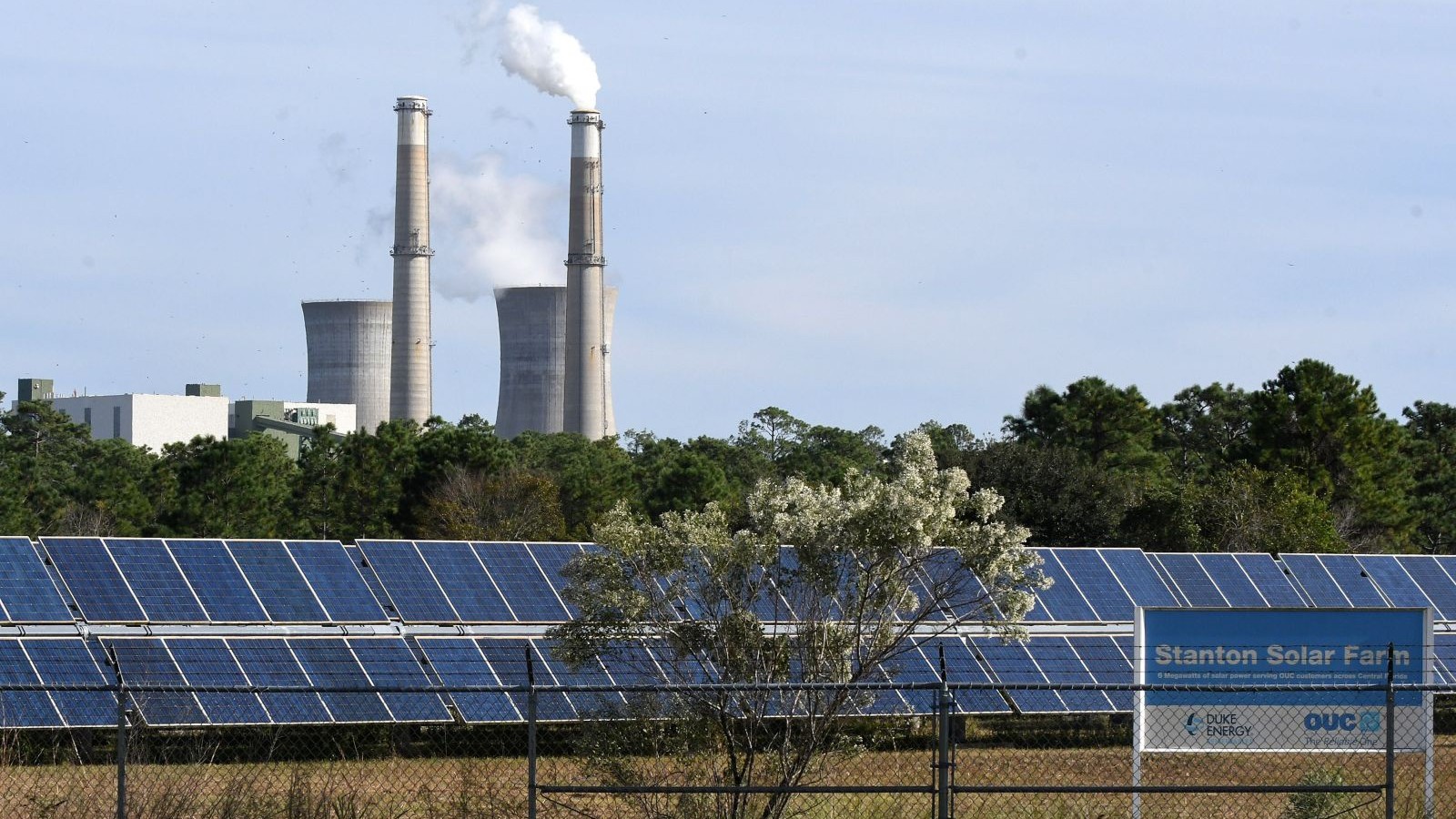
The pressure on the grid is unprecedented. According to the Energy Information Administration (EIA), solar power and battery storage are projected to account for nearly 80 percent of new U.S. power generation in 2026. Simultaneously, natural gas remains the dominant source of existing electricity, with usage projections climbing as it becomes the primary fuel for the baseload power required by data centers.
The strain is not merely a result of tech growth. The "electrification of everything"—from heat pumps and induction appliances to the rapid adoption of electric vehicles—has effectively ended the era of flat electricity demand that characterized the 2010s. For the first time in decades, the nation is facing a supply-demand imbalance that threatens both economic growth and grid stability.
Official Responses and the Presidential Factor
The White House has signaled a newfound flexibility, with President Donald Trump indicating a willingness to decouple renewable energy projects from his administration’s previous opposition, provided a broader permitting deal is struck. This shift has created a unique opening for Democrats, particularly those on the Senate Environment and Public Works Committee.
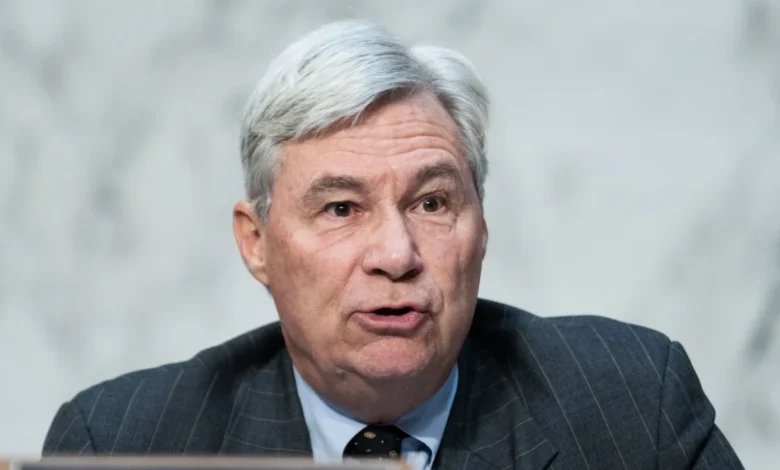
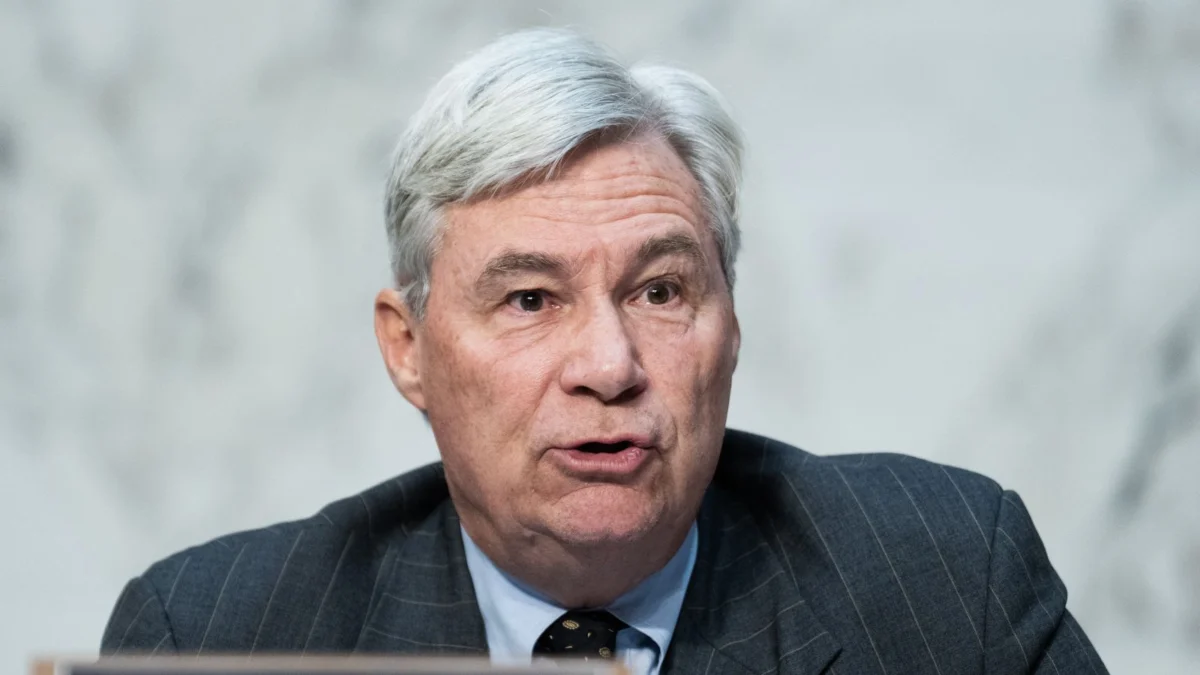
Senator Sheldon Whitehouse (D-RI), a lead negotiator, has publicly acknowledged the progress while maintaining a cautious stance. "I appreciate very much what the Trump administration has done to move in this direction," Whitehouse stated in late September. However, he emphasized the need for "clarity on exactly what a return to regular order for wind and solar projects looks like," noting that concerns persist about whether the executive branch would attempt to obstruct projects even after the law is passed.
Broader Implications: The Global Competitive Landscape
Beyond domestic policy, the legislative push is framed as a matter of national security. During the mid-September Clean Energy Week conference, a recurring theme among policymakers was the "energy war" with China. The argument is that while the U.S. is bogged down in "a mountain of red tape," geopolitical rivals are moving with speed to capture the lead in AI infrastructure and advanced manufacturing.
However, pollster Alex Lundry suggests that the "competition with China" narrative has lost its potency among the general electorate. For the average voter, the issue is more immediate: rising utility bills. As the House of Representatives recently passed a bill—now stalled in the Senate—designed to force data centers to shoulder more of the financial burden for their own power consumption, it is clear that the legislature is feeling the heat of constituent concern over the cost of living.
Analysis: A Path Forward
The path to a successful permitting reform bill remains fraught with obstacles. Any deal will require a fragile compromise: Republicans will likely demand concessions on fossil fuel infrastructure, while Democrats will seek ironclad guarantees that environmental protections are not entirely gutted.
If a deal is reached following the November midterms, it will likely be a product of necessity rather than ideological consensus. Should the Senate fail to pass a version of this legislation, the U.S. faces the prospect of a grid that cannot support the manufacturing, AI, and electrification goals the country has set for itself. The legislative "scramble" is not merely about procedural efficiency; it is a test of whether the American political system remains capable of addressing large-scale infrastructure challenges in an era of intense polarization.
The coming months will determine whether Washington can bridge the divide, or if the gridlock that has characterized the last several years will continue to impede the nation’s transition into a new energy paradigm.
Related posts: