The Super El Nino Phenomenon is Pushing Global Climate Records to Unprecedented Levels

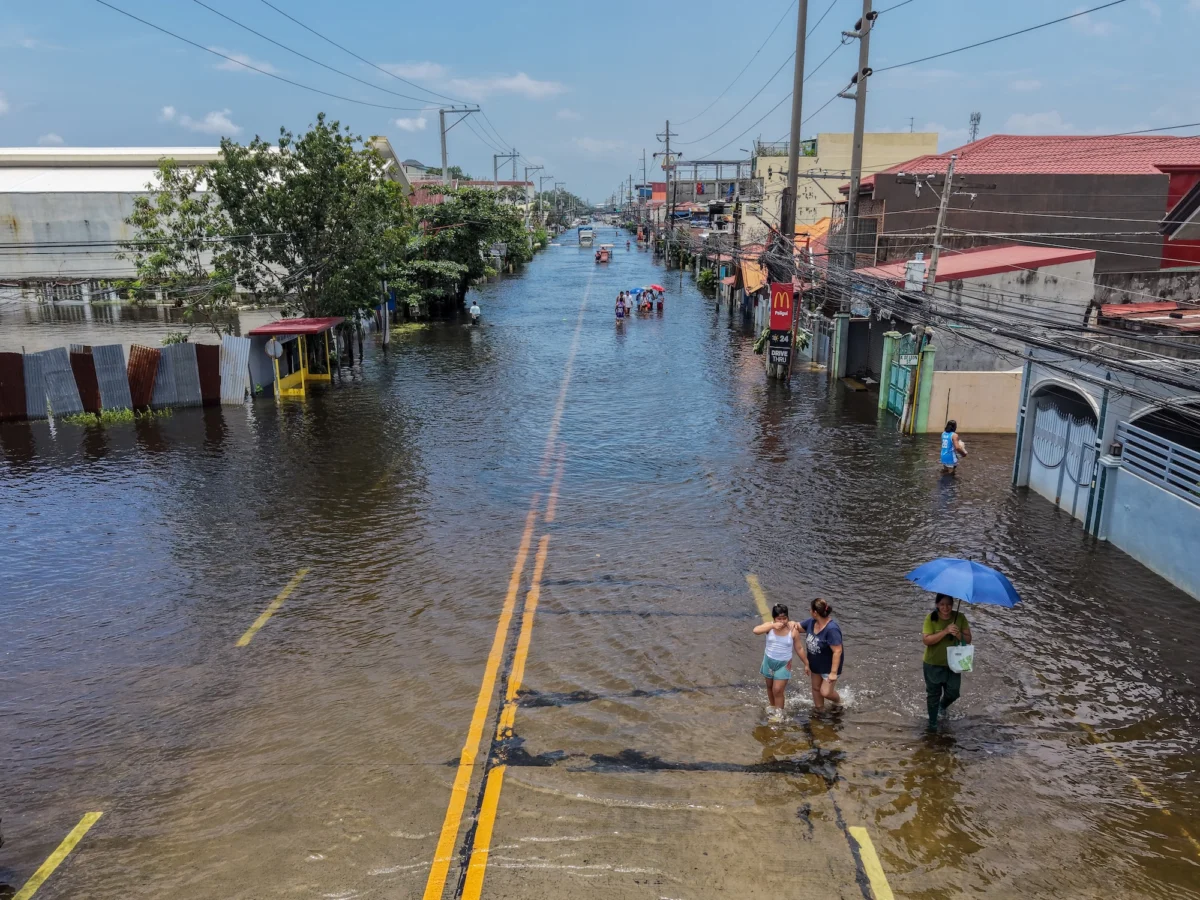
The global climate system is currently navigating a period of profound volatility as a record-breaking El Nino event reshapes weather patterns from the Pacific basin to the furthest reaches of the globe. Characterized by a significant shift in Pacific Ocean trade winds and a dramatic rise in sea surface temperatures, this meteorological event has transcended standard classification, prompting climatologists and international agencies to adopt the colloquial, yet increasingly necessary, descriptor of a "super El Nino." With California declaring a statewide state of emergency and international researchers projecting hundreds of thousands of heat-related deaths, the scientific community is now forced to confront a reality where natural variability is amplified by the unrelenting backdrop of anthropogenic global warming.
Understanding the Mechanics of El Nino
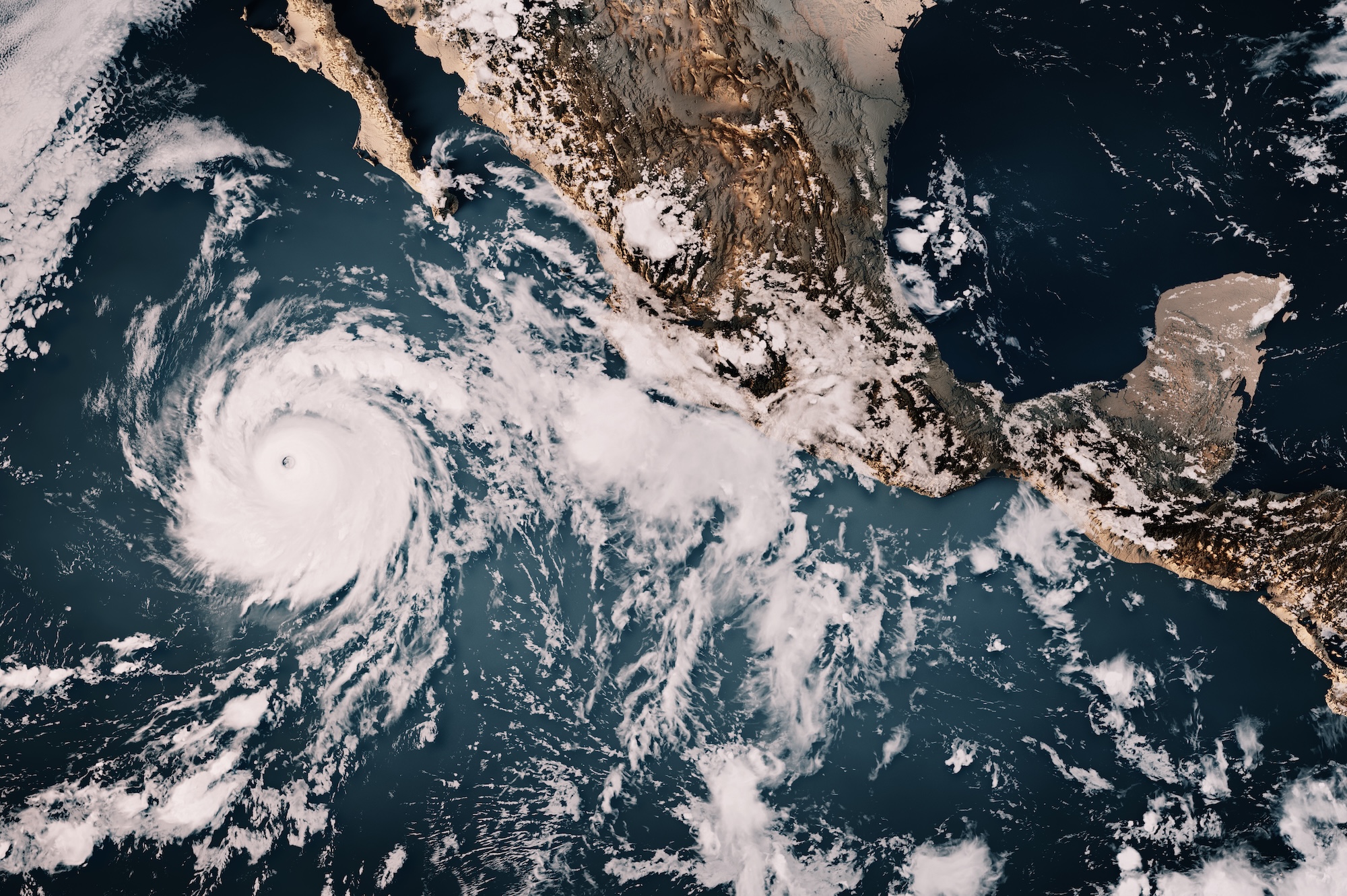
At its core, El Nino is a naturally occurring climate pattern associated with the warming of ocean surface temperatures in the central and eastern tropical Pacific Ocean. Under normal conditions, trade winds blow east to west, pushing warm surface water toward the western Pacific, near Indonesia and Australia. This movement allows cooler, nutrient-rich water to rise to the surface along the South American coast.
During an El Nino event, these trade winds weaken or, in extreme cases, reverse direction. The result is a massive "sloshing" of warm water back toward the Americas. This redistribution of thermal energy is not contained to the ocean; it fundamentally alters the position of the jet stream, which in turn dictates the trajectory of storms, the distribution of rainfall, and the intensity of heatwaves across the planet. While El Nino occurs on a semi-regular cycle every two to seven years, the current iteration is demonstrating a magnitude that suggests the internal rhythm of the ocean is colliding with a rapidly warming atmosphere.
A Chronology of Rising Heat
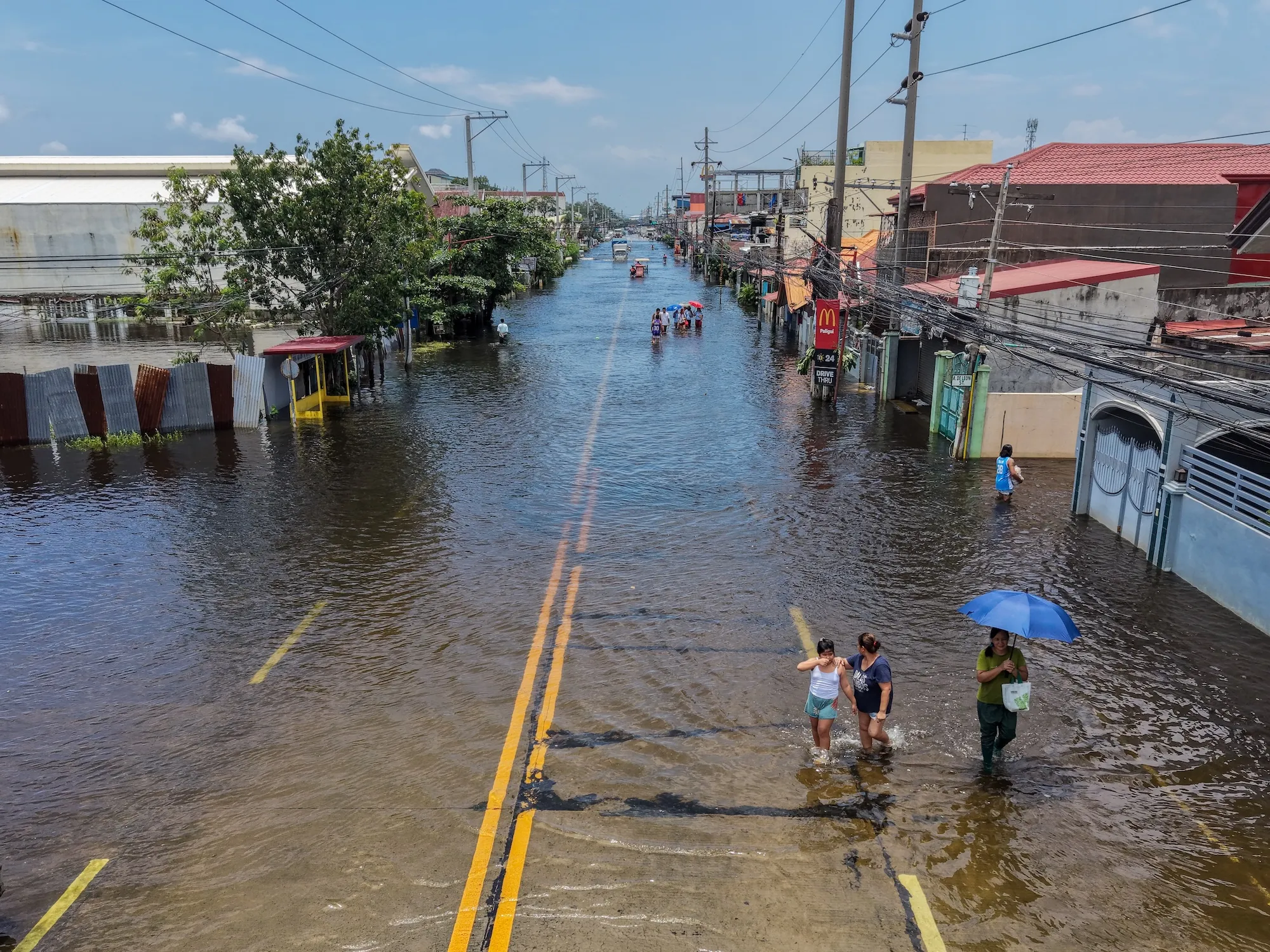
The trajectory of the current event began to alarm scientists earlier this year as sea surface temperature anomalies in the Nino 3.4 region—a key monitoring zone—surpassed the traditional thresholds for "very strong" classifications. By late September, data indicated that warming in this region had reached 3.11 degrees Celsius above the historical average, eclipsing the previous peak recorded during the historic 2015-2016 event.
The timeline of this escalation has been rapid. Throughout the summer months of June, July, and August, global sea surface temperatures hit all-time highs. These records were not merely incremental; they were statistically anomalous, signaling that the ocean’s capacity to absorb heat is being pushed to its limits. Forecast models from the National Oceanic and Atmospheric Administration (NOAA) and the World Meteorological Organization (WMO) currently suggest a 90 percent probability that these extreme conditions will persist through the end of the year and into early 2027.
The "Super" Designation and Linguistic Evolution
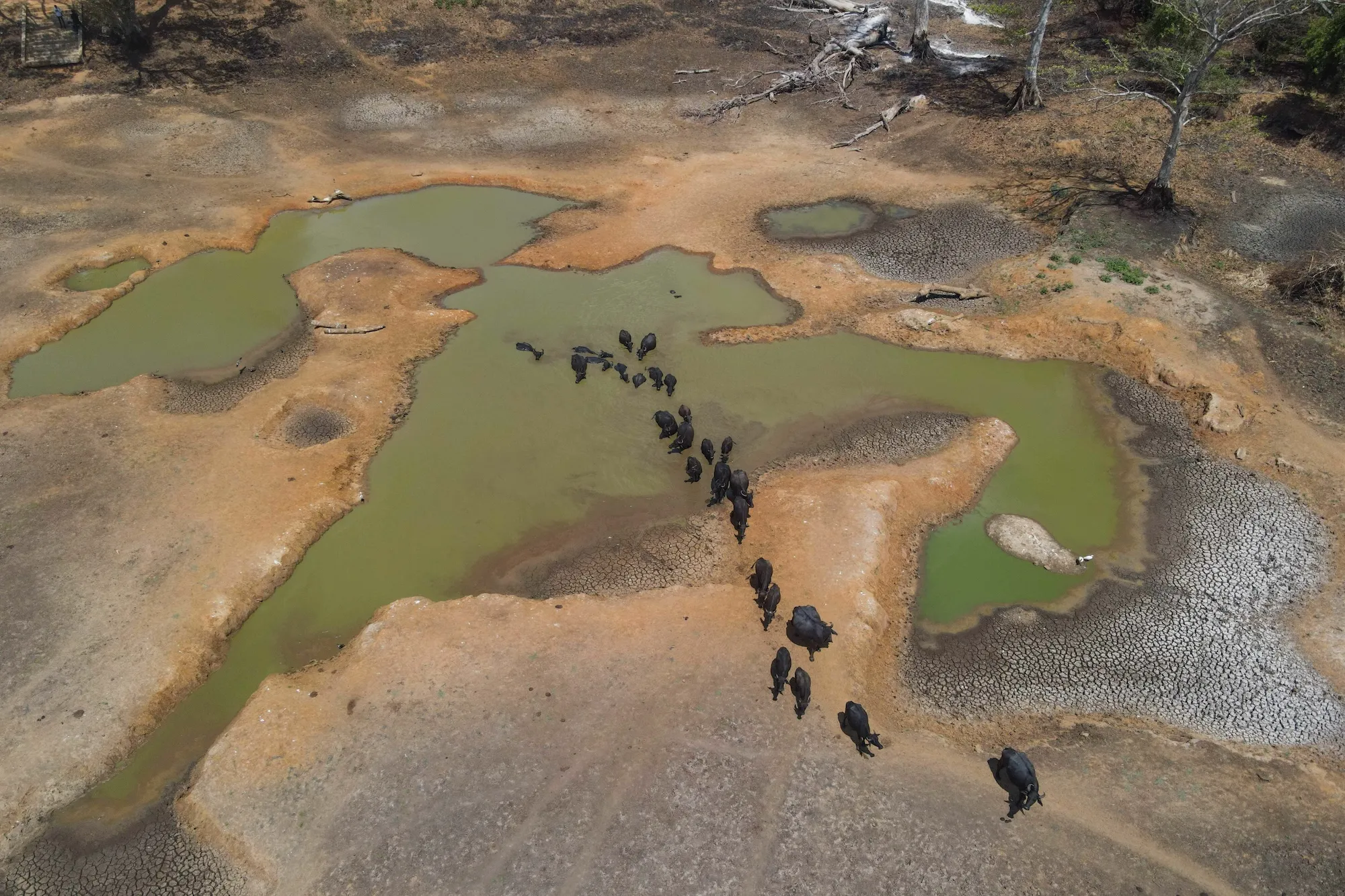
The term "super El Nino" has sparked a debate within the scientific community regarding the adequacy of existing terminology. Originally coined in a 2003 atmospheric research paper, the term was intended to describe the transition between a strong El Nino and its cooling counterpart, La Nina. Today, however, it serves as a linguistic bridge between technical meteorological data and public perception.
Dr. Jovana Vurdelja, an expert in ecolinguistics, notes that when weather phenomena reach the scale of the current event, human language often struggles to capture the gravity of the situation. "Finding the right word to match the danger is like trying to find the right shoe size," Vurdelja explains. If the terminology is too muted, the public may underestimate the threat; if it is too hyperbolic, it may lead to alarmism or apathy. The widespread adoption of "super El Nino" across international media outlets in languages ranging from Serbian and Norwegian to French and German suggests that the global community recognizes this event as a departure from the historical norm.
Official Responses and Preparedness
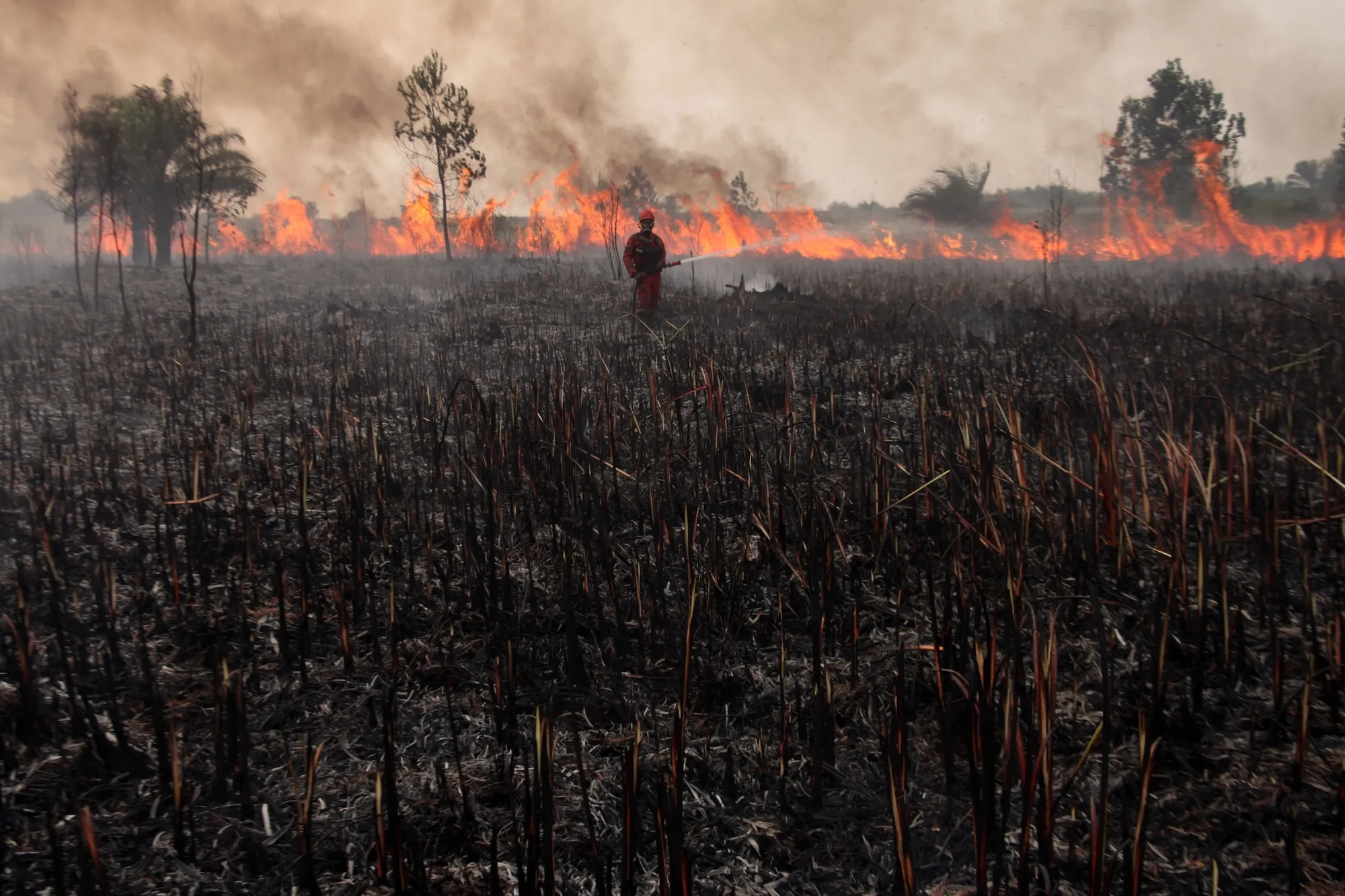
The administrative response to this climate reality has been immediate. In California, Governor Gavin Newsom’s proclamation of a state of emergency reflects the urgent need for infrastructure hardening. The state, which has historically oscillated between drought and extreme precipitation during El Nino years, is currently mobilizing resources to manage potential flooding, coastal erosion, and the heightened risk of wildfires in areas where drought conditions have left vegetation tinder-dry.
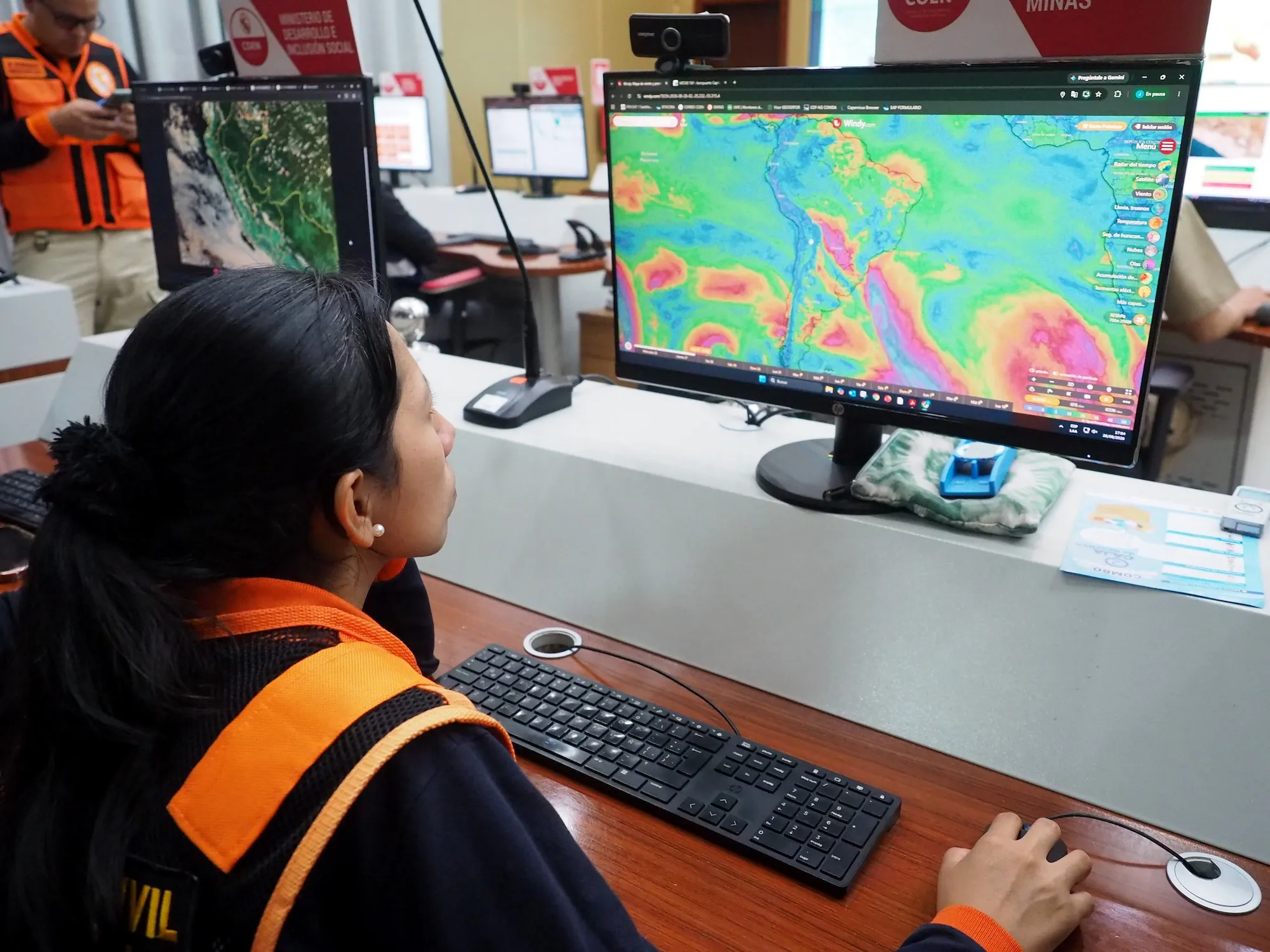
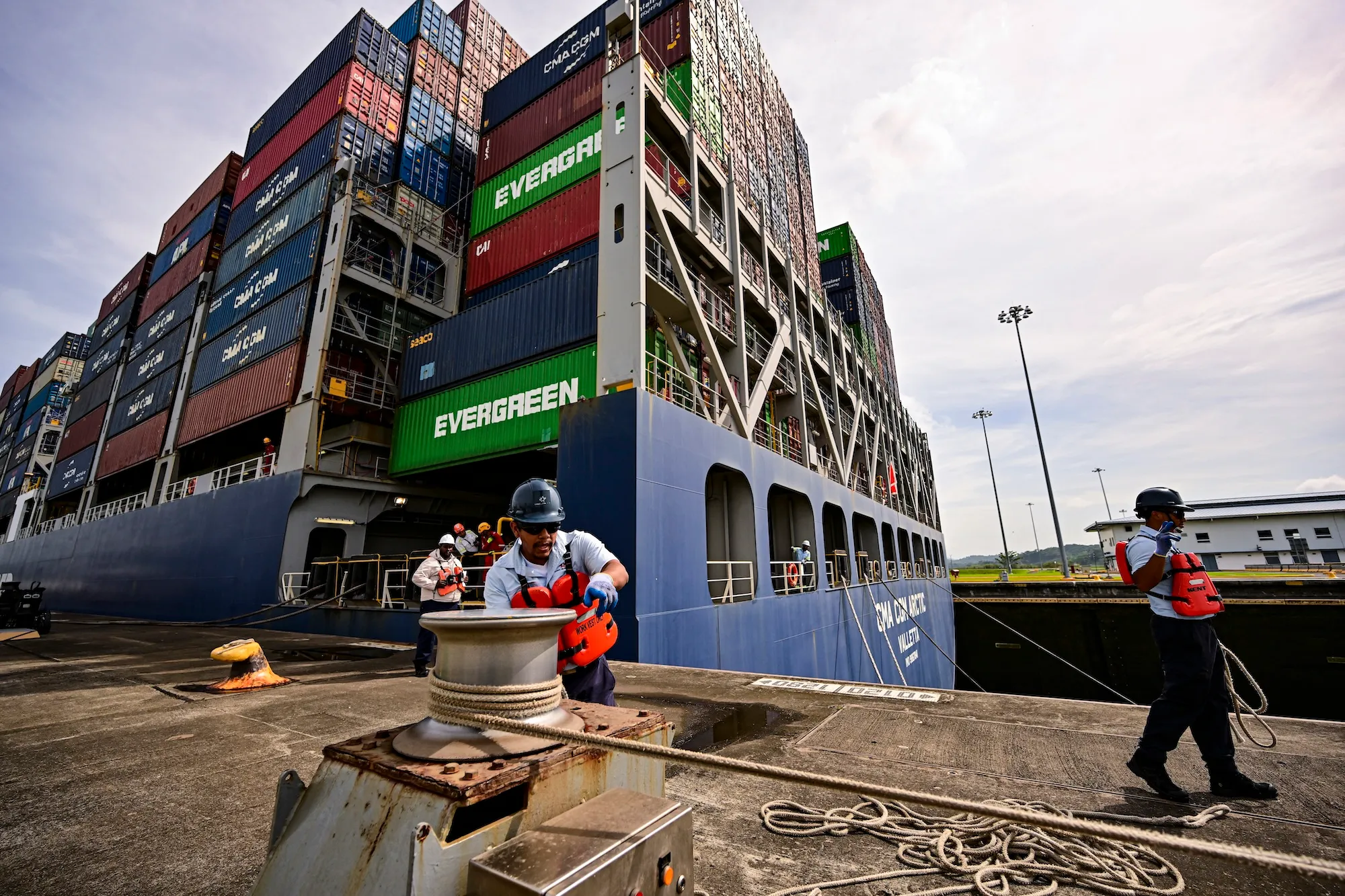
Similarly, in regions like the Panama Canal, authorities have implemented reduced transit measures as the lack of water—a frequent byproduct of shifting rain patterns—threatens the efficiency of one of the world’s most critical maritime trade arteries. These measures are not just reactive; they are calculated responses to a climate signal that is now being tracked in real-time by national emergency operations centers across South America, Southeast Asia, and beyond.
The Convergence of Natural Cycles and Human-Induced Warming
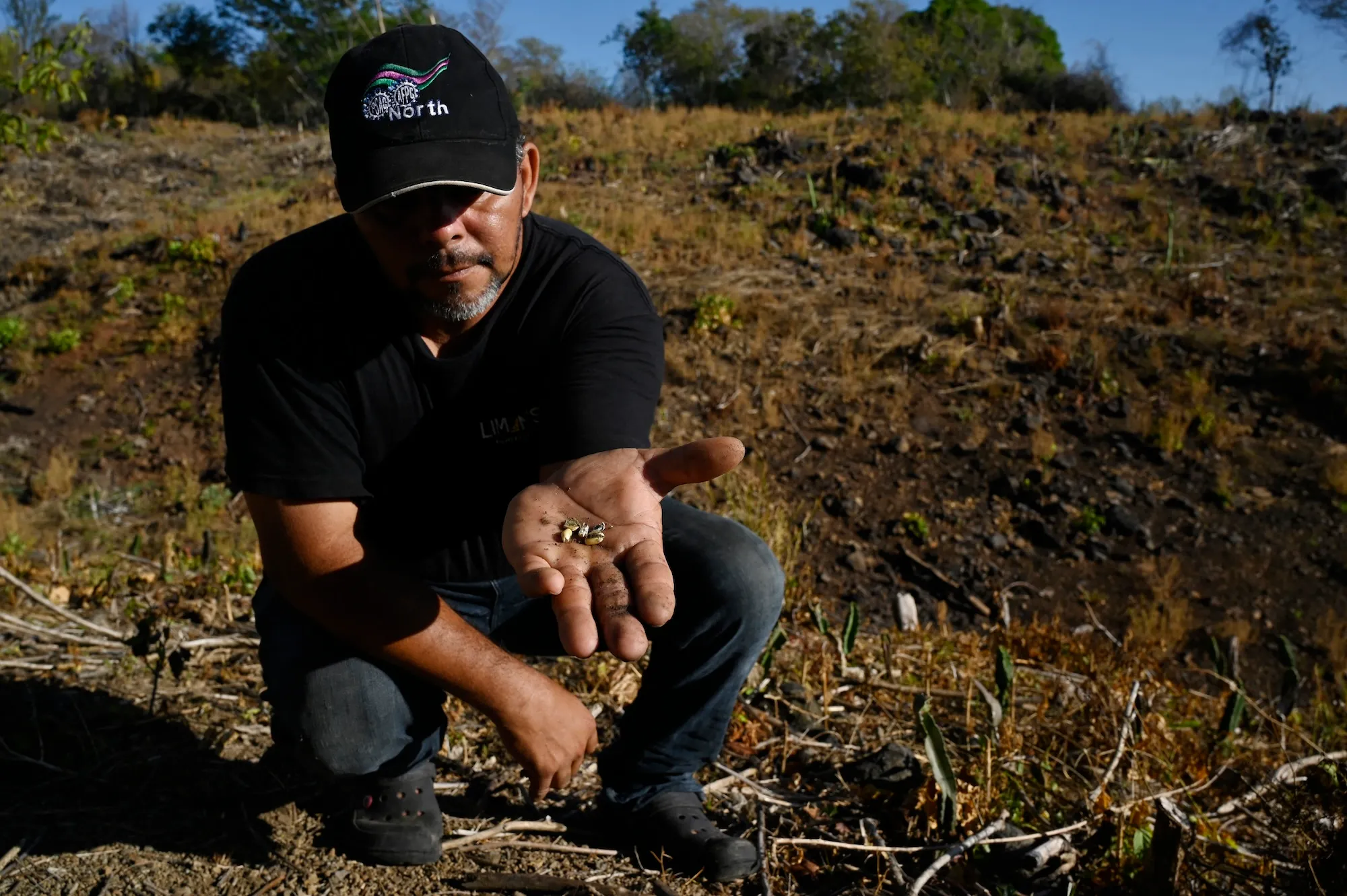
Perhaps the most critical challenge for climate scientists today is disentangling the effects of the natural El Nino cycle from the long-term, human-induced warming of the planet. Dr. Christopher Callahan of the Indiana University climate science department describes the current situation as a "very, very strong event occurring against a backdrop of very rapid global warming."
The data confirms this compounding effect. Because the ocean has absorbed more than 90 percent of the excess heat generated by greenhouse gas emissions, the baseline temperature upon which this El Nino is building is significantly higher than it was in previous decades. This means that even a "standard" El Nino would likely result in record-breaking global mean surface temperatures today. When that baseline is combined with a "super" event, the result is a preview of the temperatures the world may experience as a matter of course by the year 2040.
Implications for Global Stability
The implications of this climate shift extend far beyond weather reports. The agricultural sector is particularly vulnerable; shifting rainfall patterns are already causing crop failures in parts of Honduras and Indonesia, threatening food security for millions. Furthermore, the correlation between high heat and excess mortality is well-documented. One recent projection suggests that the heat-related mortality rate could rise by up to 451,000 additional deaths globally within a six-month window ending in February.
Public health systems, already strained by recent global challenges, are being warned to prepare for surges in heat-related illnesses, vector-borne diseases that thrive in warmer, wetter conditions, and the indirect effects of poor air quality stemming from climate-exacerbated wildfires.
Toward a New Vocabulary for a Changing Planet
As the world looks toward 2027, the scientific community is already debating what happens if these "super" events become the new standard. Climate scientist Zeke Hausfather has noted that if the current models hold, the term "super El Nino" may itself become an understatement. Just as the 2015 event prompted the use of the moniker "Godzilla El Nino," the future may necessitate a completely new lexicon to describe the compound effects of systemic climate change and intensified natural cycles.
The current situation is, in many respects, a stress test for global infrastructure and public policy. While the "super El Nino" label is technically colloquial, its utility lies in its ability to communicate the urgency of the moment. As the planet experiences these extreme conditions, the focus must shift from the nomenclature of the event to the necessity of long-term mitigation and adaptation strategies. Whether or not this event is termed "super," "Godzilla," or something yet to be coined, its impact is undeniable: it is a clear signal that the window to stabilize the global climate is narrowing, and the time for robust, evidence-based preparation is now.
Related posts: