The 2026 Super League Grand Final: A Historic Showdown Between Warrington Wolves and Wakefield Trinity at Old Trafford

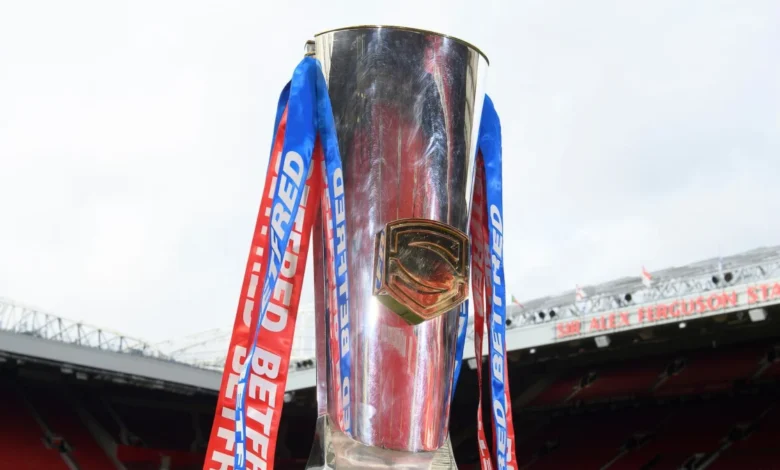
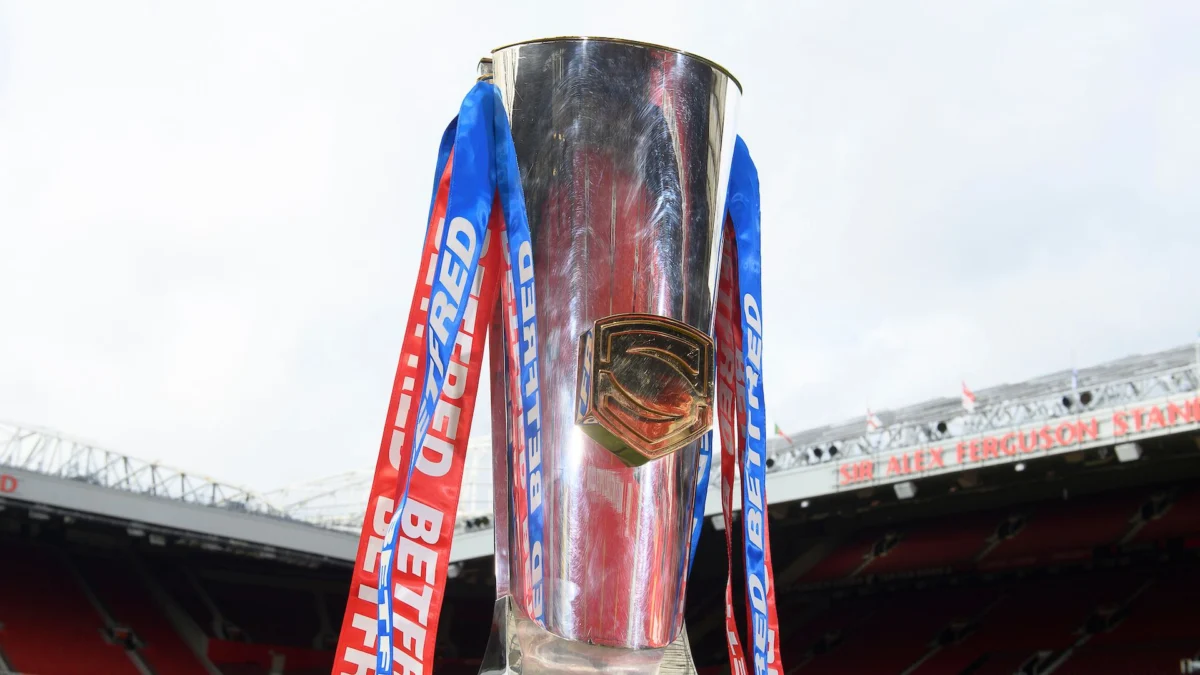
The landscape of professional rugby league is set for a seismic shift on Saturday, October 3, 2026, as the Super League Grand Final prepares to crown a new champion. For the first time in the history of the competition, the sport’s showpiece event at Old Trafford will feature neither the Wigan Warriors, the St Helens Saints, nor the Leeds Rhinos—a triumvirate that has dominated the sport for nearly three decades. Instead, the Warrington Wolves and the Wakefield Trinity will take to the "Theatre of Dreams" to compete for the title, marking a transformative moment for the sport.
The Venue and the Context of the 2026 Final
Since the inaugural Super League Grand Final in 1998, Old Trafford has served as the spiritual home of the climax of the rugby league season. With the sole exception of the 2020 fixture, which was moved to Hull due to the global pandemic, the Manchester United stadium has hosted every decider. As of 2026, ten different clubs have appeared in a Grand Final, and with Wakefield Trinity’s historic qualification, that number rises to eleven.
The match is scheduled for a 6:00 PM kick-off, with live broadcast coverage provided by Sky Sports. This encounter represents a significant departure from the traditional power structures that have defined the league since the summer era began. The absence of the traditional "Big Three" serves as a testament to the increasing parity within the competition and the effectiveness of current salary cap regulations and talent development pathways across the league.
A Chronology of Success and Evolution
The history of the Super League Grand Final is a chronicle of tactical evolution and physical endurance. From the early dominance of the Bradford Bulls and the Wigan Warriors in the late 1990s and early 2000s, to the dynasty built by St Helens and the golden era of the Leeds Rhinos, the trophy has traditionally resided within a very small circle.
The following table highlights the evolution of the competition’s champions:
| Year | Winner | Score | Runner-Up |
|---|---|---|---|
| 1998 | Wigan Warriors | 10-4 | Leeds Rhinos |
| 1999 | St Helens | 8-6 | Bradford Bulls |
| 2006 | St Helens | 26-4 | Hull FC |
| 2012 | Leeds Rhinos | 26-18 | Warrington Wolves |
| 2018 | Wigan Warriors | 12-4 | Warrington Wolves |
| 2022 | St Helens | 24-12 | Leeds Rhinos |
| 2024 | Wigan Warriors | 9-2 | Hull KR |
| 2025 | Hull KR | 24-6 | Wigan Warriors |
The 2026 edition stands apart because of the path taken by the two finalists. Both clubs finished outside the top two in the regular season, finishing third and fourth respectively, and navigated a demanding playoff structure to reach the final. Warrington’s victory over Leeds and Wakefield’s emphatic dismantling of the Wigan Warriors in the semi-finals have been described by pundits as two of the most significant upsets in the history of the Super League era.
Team Analysis: Tactical Strengths and Key Personnel
Both Warrington and Wakefield have built their 2026 campaigns on defensive discipline and structural integrity. Analysts have noted that the current squads rely less on individual brilliance and more on a collective, synchronized approach to field position and tackle completion.
For the Warrington Wolves, the influence of loose forward Ben Currie—a standout in this year’s Dream Team—cannot be overstated. His ability to link play and act as a pivot in the middle of the field has been the engine of their offense. Alongside him, the pace of winger Matty Ashton provides a lethal outlet, while the leadership of George Williams remains the focal point of the team’s tactical execution. Williams, who joined the club with the specific intent of securing silverware, views this match as the pinnacle of his tenure at the Halliwell Jones Stadium.
Wakefield Trinity, conversely, has leaned into a high-intensity, power-based game. Prop Caleb Hamlin-Uele, another Dream Team selection, has been instrumental in ensuring the team wins the "middle battle." Wakefield’s ability to move the ball quickly to the edges for Tom Johnstone has proven difficult for even the league’s best defensive units to contain. Furthermore, the arrival of Tyson Smoothy—an Australian import who brings the experience of an NRL Grand Final victory from the previous year—has provided the composure necessary to manage the pressures of a knockout environment.
The Rob Burrow Award and the Legacy of the Number 7
One of the most emotional aspects of the 2026 Grand Final will be the presentation of the Rob Burrow Award. Formerly known as the Harry Sunderland Trophy, the award was renamed in 2024 to honor the legendary Leeds Rhinos scrum-half whose battle with Motor Neurone Disease (MND) brought the entire rugby league community together.
The award serves as a link between the history of the game and its future. Previous winners include icons such as Jason Robinson, Kevin Sinfield, and James Roby. In 2024, Bevan French set the standard with a brilliant display for Wigan, while in 2025, Mikey Lewis earned the inaugural Rob Burrow Award for a performance of sheer individual dominance. The player who succeeds in etching their name into history this Saturday will be following in the footsteps of the greatest tacticians and athletes the sport has ever produced.
The Humanitarian Impact: Sir Kevin Sinfield’s Final Challenge
The 2026 Grand Final is also framed by the philanthropic efforts of Sir Kevin Sinfield. His seventh and final major fundraising challenge for the MND community began at Hull KR’s stadium on September 27. The route, which covers all 12 English Super League clubs, culminates at Old Trafford. Sinfield, a man synonymous with success at this venue, will present the match ball, serving as a reminder that the sport’s values extend well beyond the white lines of the pitch. His efforts have raised over £11 million to date, a figure that continues to grow as the community unites behind the cause.
Implications for the Future of Super League
The, 2026, Grand Final represents a watershed moment for the sport. The emergence of a new champion will challenge the long-held narrative that the trophy is the exclusive property of the traditional powerhouses. For the game to continue its expansion, it is vital that clubs like Warrington and Wakefield can demonstrate that a sustainable, championship-caliber culture can be built from different foundations.
From a commercial and broadcast perspective, this final is a major success for the league. The unpredictability of the result has driven record engagement numbers. Unlike previous years, where the outcome often seemed a foregone conclusion based on historical pedigree, the 2026 match is being treated as a genuine toss-up. Betting markets and expert analysis reflect this, with both teams showing a roughly equal probability of victory.
The tactical battle will likely be won or lost in the "ruck." Both sides have shown an exceptional capacity for slowing down the opponent’s play-the-ball, forcing errors, and then capitalizing on transition opportunities. The team that manages their fatigue levels and avoids the "big-game nerves" during the opening twenty minutes will likely establish the necessary dominance to dictate the tempo of the second half.
Official Preparations and Match Day Atmosphere
The buildup at Old Trafford is expected to be electric. In addition to the match itself, the RFL has curated a series of performances to celebrate the occasion, including an appearance by Soul Symphony and the traditional pre-match rendition of Jerusalem by Laura Wright.
Security and logistical preparations have been finalized for the expected capacity crowd. Both clubs have seen a surge in ticket sales, with supporter groups organizing significant travel arrangements from both Cheshire and West Yorkshire.
Conclusion: A New Chapter
When the referee blows the whistle to start the 2026 Super League Grand Final, the weight of history will be palpable. For the players in the tunnel, it is the realization of a lifelong ambition; for the fans, it is the culmination of a season of uncertainty and hope. Regardless of whether the trophy heads back to Warrington or to Wakefield for the first time in their respective histories, the 2026 season will be remembered as the year the status quo was shattered.
The game is scheduled for 6:00 PM on October 3. With comprehensive pre-match analysis starting at 5:00 PM on Sky Sports Main Event and Sky Sports+, the broadcast will capture not only the intensity of the sport but also the cultural significance of an event that has, for nearly three decades, defined the pinnacle of British rugby league. As the sun sets on the 2026 season at Old Trafford, the sport will look toward a future that feels more open, more competitive, and more unpredictable than ever before.