The Smithsonian Institution at the Center of an Escalating Political Battle Over American History

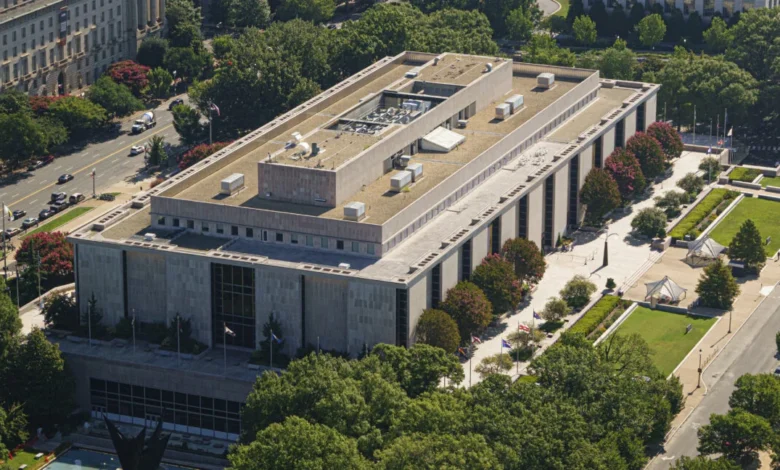
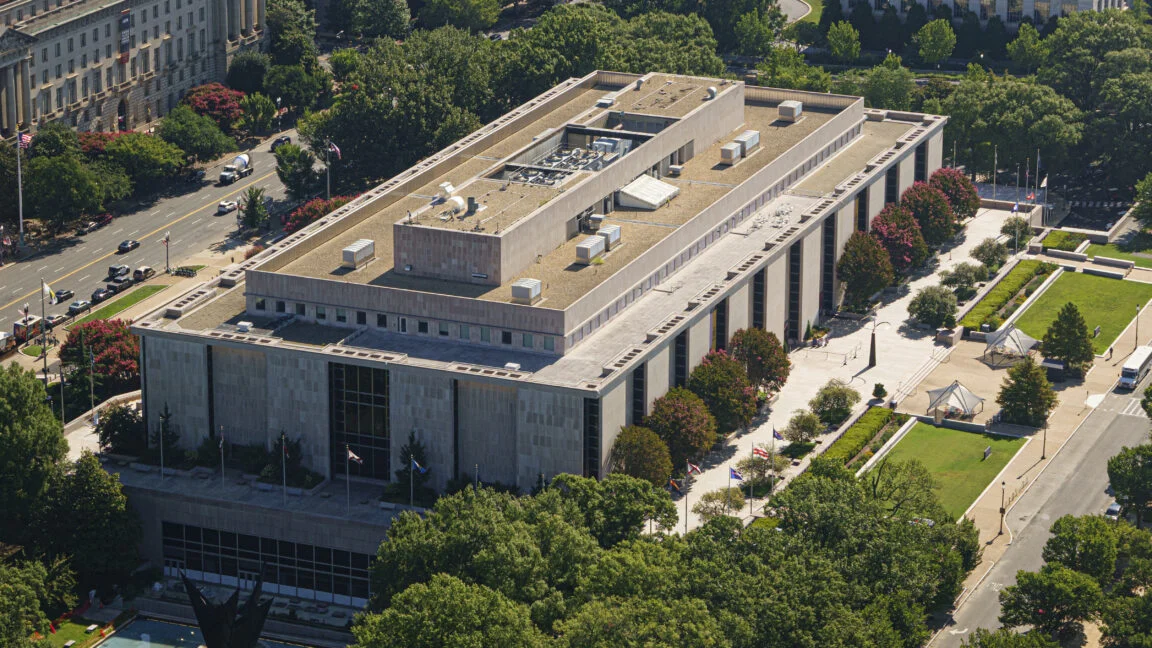
The Smithsonian Institution, a colossal network of 21 museums and research centers that serves as the primary repository of American heritage, finds itself embroiled in a deepening ideological conflict that threatens its institutional independence and future funding. For decades, the Smithsonian has maintained a reputation as a non-partisan guardian of the nation’s history. However, a series of aggressive interventions by the Trump administration, beginning in 2025, has transformed the institution into a high-profile target of the modern culture war, questioning the validity of its historical narratives and the transparency of its administrative priorities.
The Catalyst: Shifts in Narrative and Administrative Tension
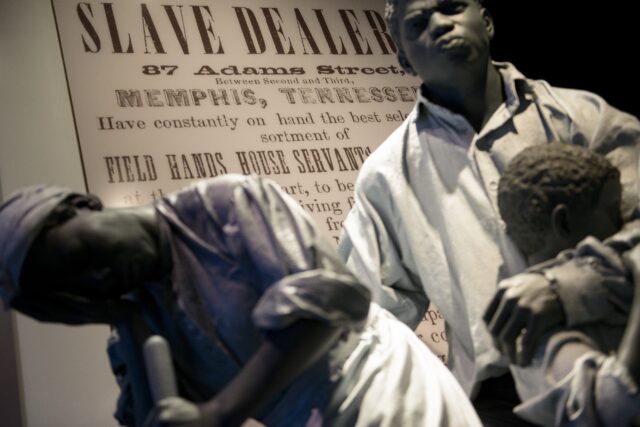
The current scrutiny stems from a fundamental disagreement over how American history should be presented to the public. For years, the Smithsonian’s National Museum of American History has wrestled with a transition from a technology-focused collection to a more conceptual, historical institution. This shift, accelerated during the social upheavals of 2020, saw the museum increasingly adopt frameworks that highlight the role of slavery, structural racism, and marginalized identities in the formation of the United States.
A specific point of contention was the 2021 exhibit "The Electric Dr. Franklin." The exhibit explored Benjamin Franklin’s scientific achievements while simultaneously contextualizing his life as a slaveholder. It introduced the conjecture that Franklin may have utilized enslaved people in his electrical research—a claim that drew intense criticism from conservative observers who argued that the museum was prioritizing a "grievance-based" agenda over the celebration of American ingenuity.
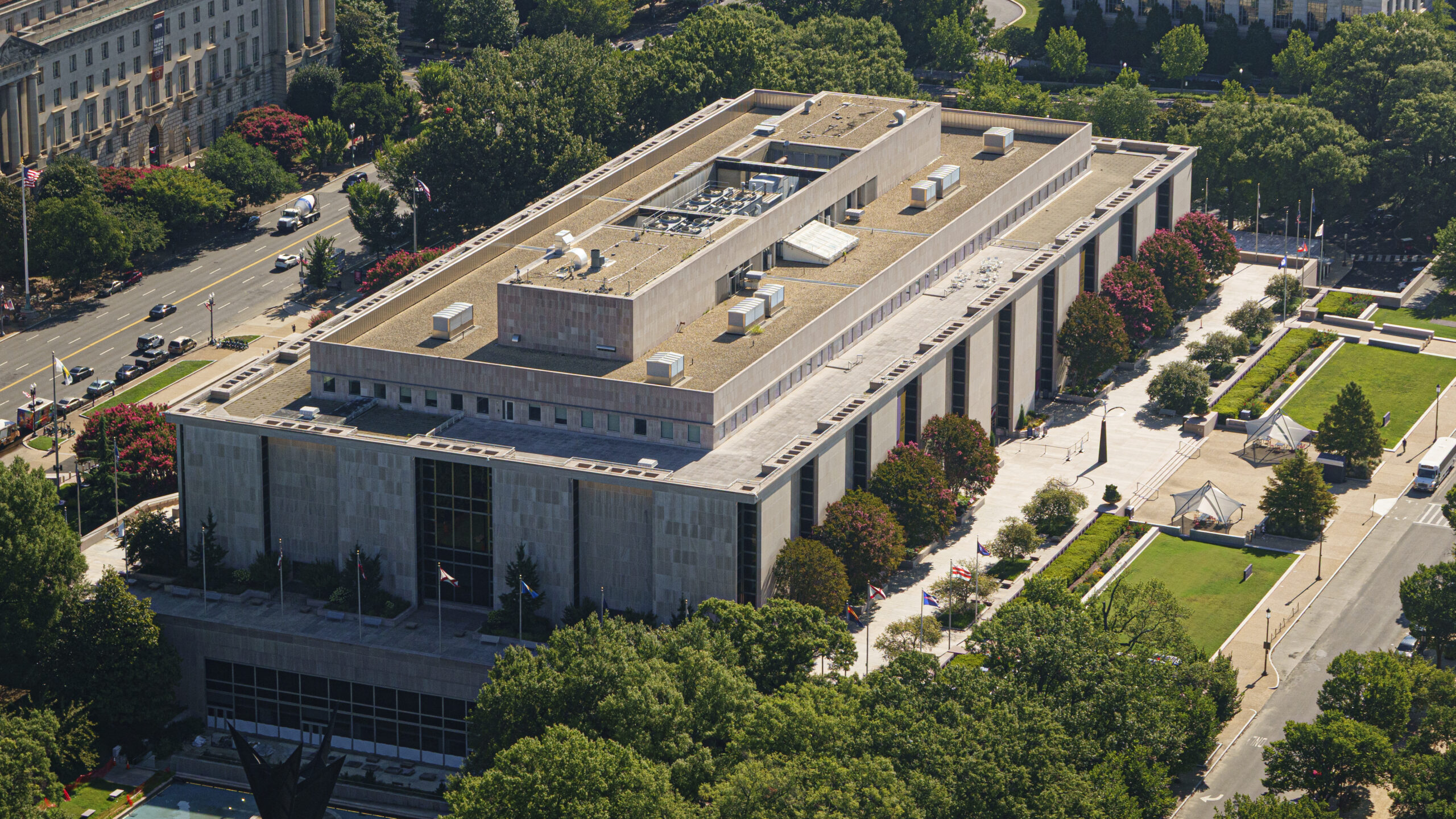
This exhibit became a focal point in a 162-page White House report released on July 4, 2026, coinciding with the 250th anniversary of the Declaration of Independence. The report characterized the Smithsonian’s recent curatorial choices as "ideological capture," arguing that the museum had abandoned its mission of straightforward historical education in favor of political activism.
Chronology of the Confrontation
The friction between the executive branch and the Smithsonian did not emerge in a vacuum; it is the culmination of years of brewing discontent.
- 1999–2002: Early critiques by figures like David Brooks and a 2002 blue-ribbon commission highlighted the museum’s lack of a "unified narrative" and aesthetic coherence. Recommendations to prioritize a chronological, "great-man-of-history" approach were largely resisted by curators favoring thematic, object-centered storytelling.
- 2020–2021: Following the murder of George Floyd and the onset of the COVID-19 pandemic, the Smithsonian launched "Smithsonian Cares" and prioritized Diversity, Equity, Access, and Inclusion (DEAI) initiatives. This pivot aligned with the priorities of the Biden administration but alienated conservative board members.
- March 2025: President Trump signed an executive order labeling the Smithsonian as having succumbed to "divisive, race-centered ideology," signaling a shift toward direct intervention.
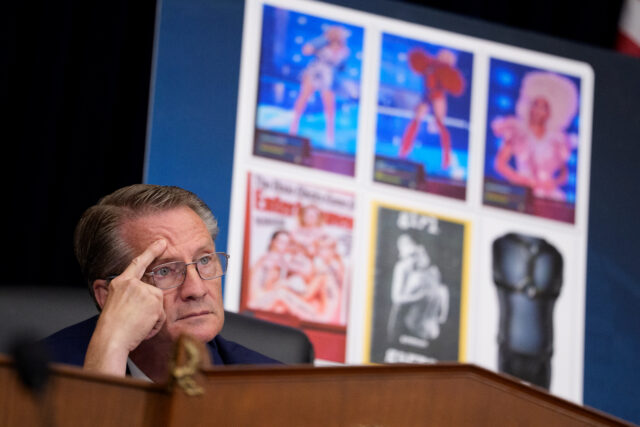
- July 2026: The White House released its blistering report on the National Museum of American History, followed by back-to-back congressional hearings that interrogated director Anthea Hartig on specific exhibit choices, including the presence of sexually explicit artifacts and controversial educational toolkits.
- September 2026: Smithsonian Secretary Lonnie Bunch, the first African American to lead the institution, announced his resignation at age 73, citing the immense professional and personal stress of the ongoing conflict.
The Financial and Structural Vulnerability
The Smithsonian’s position is uniquely precarious due to its funding structure. While governed by a board that includes the Chief Justice of the Supreme Court and members of Congress, the institution relies on the federal government for approximately 62% of its $1 billion annual budget. This dependency provides the executive and legislative branches with significant leverage.
Republican lawmakers, led by figures like Rep. Tim Burchett, have openly discussed the prospect of deep budget cuts unless the museum pivots away from its current curatorial strategy. The threat of reduced appropriations creates a sustainability crisis for the institution, forcing a difficult choice: accommodate the administration’s demands for a "unifying" narrative or risk the long-term viability of the museum’s vast, aging infrastructure.
Perspectives on the "Ideological Capture"
The administration’s critique centers on the belief that the museum has abandoned its role as a neutral educational body. During the July 2026 hearings, Republican members of the House Oversight Subcommittee focused heavily on specific items, such as a sadomasochistic crotch harness in an exhibit on LGBTQ history and a diary entry by a child discussing gender identity in the "Girlhood (It’s Complicated)" exhibit. For these critics, such displays represent an inappropriate politicization of public space.

Conversely, defenders of the Smithsonian, including prominent academic historians and Democratic lawmakers, argue that these attacks represent an authoritarian attempt to control the interpretation of the past. David Blight, a Yale historian, drew parallels between the administration’s efforts and 20th-century state-controlled historical commissions, emphasizing that the role of a museum is to engage with the "whole story"—both the nation’s triumphs and its profound moral failings.
Implications for the Future of American History
The current crisis at the Smithsonian raises broader questions about the role of federal institutions in a polarized society. Can a national museum remain an independent arbiter of history when the definition of "American identity" itself is a matter of intense partisan dispute?
The institution is now at a crossroads. With multiple vacancies on its 17-member Board of Regents, the upcoming appointments—which will involve input from the current administration—will likely dictate the search for a new secretary and the future direction of the museum.
"There will be a moment," noted Kim Sajet, the former director of the National Portrait Gallery, "when the American people will have to stand up and decide, is this what they want?"
The Smithsonian’s dilemma highlights a fundamental tension in American democracy: the struggle between a desire for a singular, inspiring national mythos and the academic commitment to complex, often uncomfortable, historical inquiry. As the institution prepares for the next phase of its leadership, the outcome of this battle will likely set a precedent for how federal cultural entities navigate political pressures for years to come. Whether the Smithsonian can return to a state of bipartisan consensus or whether it will remain a primary battleground in the culture wars depends on the ability of its leadership to balance its mandate for historical accuracy with the necessity of maintaining broad public and political trust.
For the millions of visitors who flock to the National Mall each year, the impact of these changes remains to be seen. While the museum continues to display iconic artifacts like the Star-Spangled Banner, the narrative context in which these objects are placed is now subject to unprecedented scrutiny, ensuring that the "story of America" will continue to be written, rewritten, and contested within the hallowed halls of the institution itself.