Illinois Stalls on Landmark Climate Displacement Act as Global Migration Crisis Intensifies

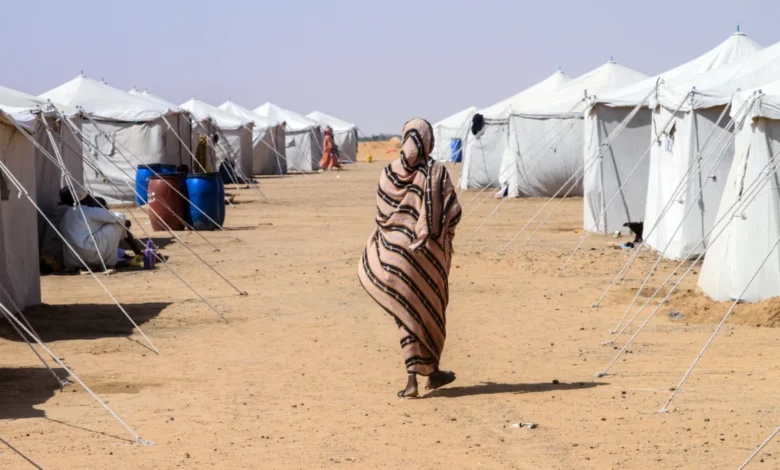
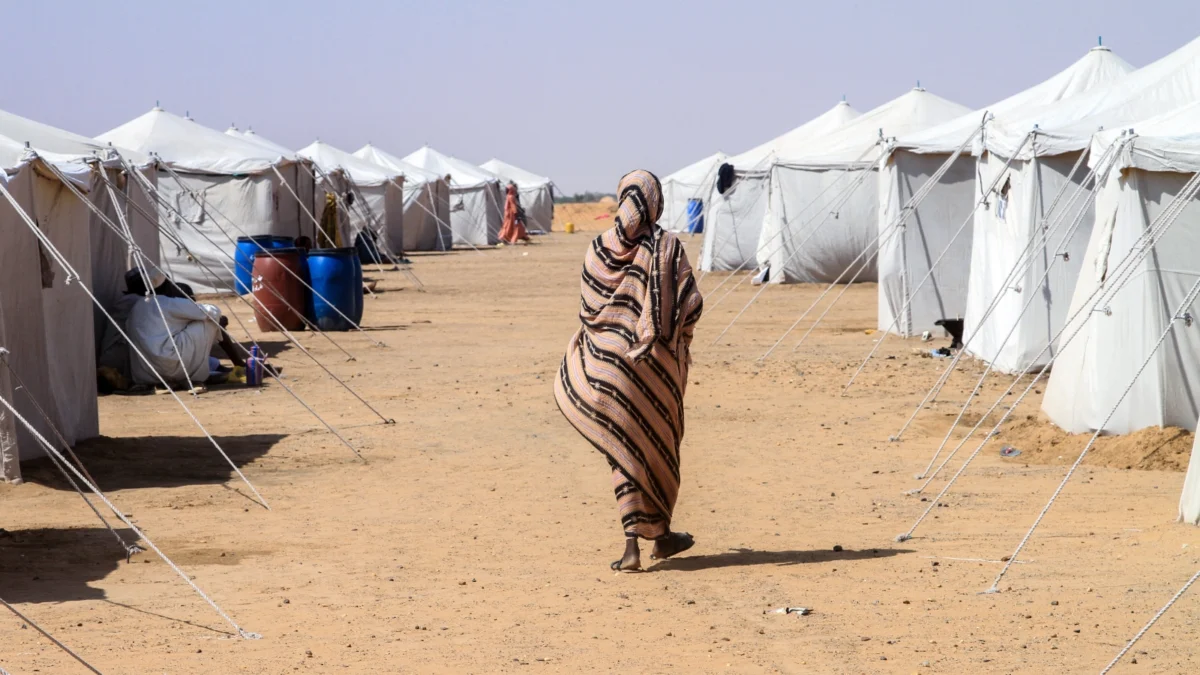
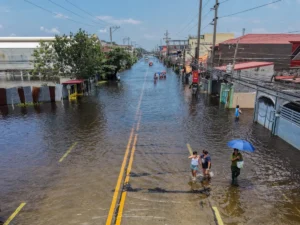
Every year, millions of individuals across the globe are uprooted from their homes by the compounding effects of climate change. From the devastating floods in South Asia to the prolonged, parching droughts in Sub-Saharan Africa and the increasingly frequent wildfire seasons across North America, the environmental landscape is shifting at an unprecedented rate. These displaced individuals, often termed climate migrants, occupy a precarious legal space. They do not enjoy the protections afforded to political refugees under the 1951 Refugee Convention, which strictly defines displacement in terms of persecution based on race, religion, nationality, or political opinion. As the planet warms, the scale of this human movement is projected to grow significantly. According to the World Bank, internal climate migration—people forced to move within their own country’s borders—could displace at least 44 million people by 2050, a figure equivalent to the entire population of Argentina. Despite these stark projections, very few jurisdictions have begun the long-term, complex work of preparing infrastructure, social services, and economies to accommodate this inevitable demographic shift.
In the autumn of 2025, Illinois positioned itself as a trailblazer in this field when Governor JB Pritzker signed the Climate Displacement Act into law. The legislation was designed to be a pioneering effort in the United States, creating a specialized task force to analyze how both domestic and international climate migration would influence the state’s resources, infrastructure, and social fabric. The mandate was clear: conduct a rigorous, data-driven assessment to guide Illinois through the challenges and opportunities of a changing population landscape through at least 2050. Proponents of the bill hailed it as a potential national blueprint, offering a structured approach to what many urban planners and sociologists believe is a looming demographic inevitability.
However, just over a year since the legislation was enacted, the initiative appears to have hit a significant impasse. Despite the ambitious scope of the law, state officials have largely failed to meet the foundational administrative requirements necessary to launch the project.

A Stalled Mandate: The Chronology of Inaction
The Climate Displacement Act included specific, time-sensitive requirements intended to ensure the task force could begin its work immediately. Governor Pritzker, key members of the Illinois General Assembly, and the directors of various state agencies were tasked with appointing 17 members to the board within 90 days of the law’s enactment. In the intervening 12 months, that timeline has been missed by a wide margin. As of late 2026, only one appointment has been officially confirmed to the 17-seat board.
The procedural delays have created a backlog that threatens the viability of the entire project. The law mandated that the task force deliver its first comprehensive report by December 2026, a deadline that is currently impossible to meet given that the body has yet to convene. The first report was intended to synthesize the latest climate science and demographic projections to establish the scale of expected migration. A second report, scheduled for completion by the end of 2027, was tasked with outlining specific, actionable evolutions for state agencies and social programs. Currently, there is no evidence that the necessary bureaucratic machinery is in motion to fulfill these obligations.
The Search for Accountability
The lack of progress has prompted inquiries from media organizations and policy advocates. In a joint investigation by WBEZ and Grist, officials responsible for the appointments—including the Governor’s office, four state legislators, and the heads of seven relevant state agencies—were contacted to explain the inertia. The response was almost universally absent. The notable exception was Illinois Senate President Don Harmon, who, following the inquiry, moved to appoint state Senator Graciela Guzman to the task force.
Senator Guzman, a Chicago Democrat who served as the primary architect of the Climate Displacement Act, has expressed frustration with the lack of momentum. Born to Salvadoran refugees, Guzman’s interest in the legislation was deeply personal and spurred by the catastrophic 2025 wildfires that ravaged Southern California. "My family, like many families there, were having some really real conversations: If these wildfires were to encroach upon the valley where they lived, where would they go?" Guzman stated. Her advocacy reflects the reality that for many, migration is not a choice but a survival strategy.
When pressed for comment, the Governor’s office provided a brief statement through spokesperson Jose Correa, maintaining that the administration remains committed to the spirit of the law. "This work is important, and the administration will continue working with lawmakers, state agencies, and stakeholders to establish a timeline and move the task force forward," Correa said. The statement, however, failed to offer a specific date for when the remaining 16 seats on the task force would be filled or when the work would formally commence.
The Myth of the Climate Haven
The urgency of the Illinois legislation is underscored by the state’s geographic profile. With access to 20 percent of the world’s unfrozen freshwater, a robust agricultural sector, and a relative lack of exposure to sea-level rise or hurricanes, Illinois and the broader Great Lakes region have frequently been marketed as "climate havens." A 2026 analysis by the climate-risk modeling firm AlphaGeo went as far as to rank Chicago as the most climate-resilient large city in the world, citing its infrastructure and stable water supply.
However, experts argue that the concept of a "climate haven" is a dangerous oversimplification. "No such place exists," says Byron Jones, a geographer at Baruch College who has consulted on numerous displacement studies. The interconnected nature of the global climate system means that the Midwest is not immune to the volatility of a changing atmosphere. In 2026 alone, Chicago faced record-breaking tornadoes, extreme heatwaves, and flooding that pushed the city’s deep-tunnel reservoir system to its absolute capacity. Furthermore, the region has been subjected to prolonged air quality degradation caused by wildfire smoke from distant states and provinces. These events demonstrate that even if the Midwest avoids the most catastrophic physical destruction seen in coastal or arid zones, the economic and social strain of climate volatility remains a constant threat.
The Broader Implications of Policy Failure
The failure of the Illinois task force highlights a systemic challenge: the lack of a clear legal or policy framework for climate-driven migration. Because climate displacement does not fit neatly into existing definitions of international or domestic humanitarian aid, it often falls into a "jurisdictional black hole."
While Illinois remains the only state with an explicit legislative mandate to prepare for these population shifts, other states are beginning to address the issue through fragmented, issue-specific policies. Maine, for instance, has woven climate migration considerations into its broader statewide resilience planning. In the West, states like California and Hawaii have introduced legislation focused on property buyouts and the protection of coastal infrastructure. In the Arctic, Alaska has taken the most drastic steps yet, pledging to assist low-lying indigenous communities like Kipnuk and Kwigillingok in relocating following the devastation caused by extreme weather events like Typhoon Halong.
In the Midwest, the city of Cincinnati has taken an approach similar to what was originally envisioned for Illinois, publishing a blueprint to manage an influx of up to 500,000 residents by 2050. Rather than focusing on "climate-proofing," the city’s strategy centers on strengthening affordable housing and public transportation—infrastructure investments that improve quality of life for current residents while simultaneously building the capacity to absorb new arrivals.
The Path Forward: Why Preparation Matters
The difficulty in creating a roadmap for climate migration is undeniable. As Professor Jones notes, migration is a multivariate phenomenon, driven by a complex interplay of economic opportunity, family ties, and social networks. Attempting to isolate "climate" as the sole driver of future population movement is scientifically and statistically fraught. Yet, this complexity is precisely why state-level planning is required.
If Illinois successfully moves the task force forward, it could serve as a model for how to integrate climate data into urban planning, housing development, and social services. The state’s unique assets—its water, its agricultural capacity, and its existing urban density—could, if managed correctly, provide a stable foundation for a changing population. If the state continues to stall, however, it risks repeating the reactive, crisis-driven responses that have characterized federal handling of migration in the past.

For Senator Guzman and other proponents of the act, the clock is ticking. As weather events become more erratic and the number of people seeking refuge increases, the window for proactive, orderly planning is closing. "It’s really laying bare why this kind of planning is important," Guzman said. "We need a roadmap." For now, that roadmap remains unwritten, leaving Illinois—and the millions who may one day look to it as a place of stability—in a state of uncertainty.