The Climate Reserve: A New Bastion for Scientific Integrity Amid Federal Retrenchment

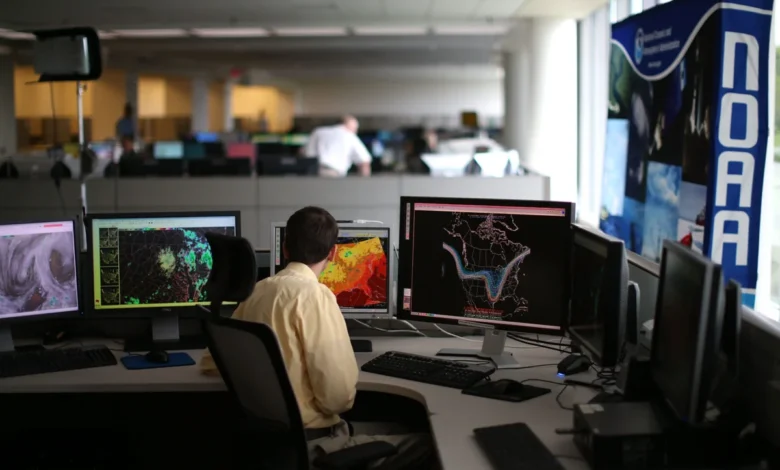
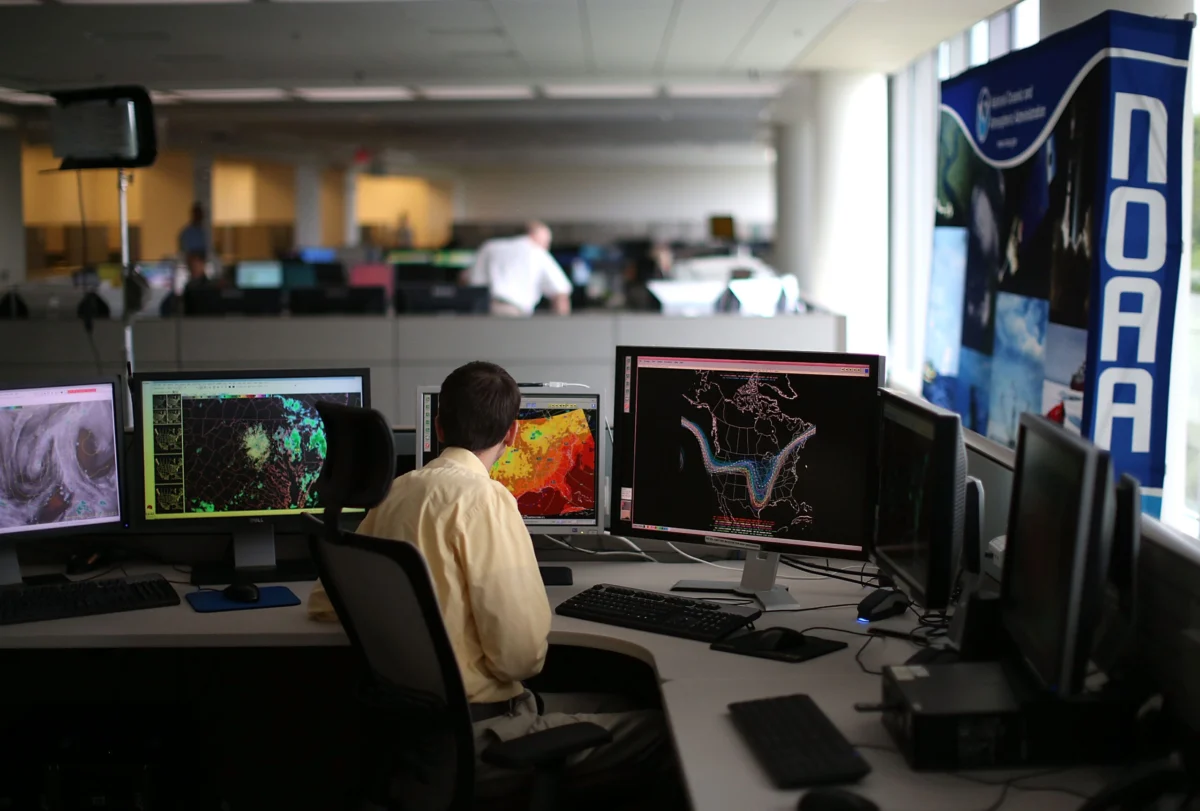
The landscape of American climate science underwent a seismic shift last year as a series of unprecedented policy reversals dismantled decades of institutional infrastructure. Following the inauguration of President Donald Trump for his second term, the administration initiated a aggressive campaign to reorient federal priorities, resulting in the mass termination of scientific personnel and the rescinding of billions of dollars in research grants across the Environmental Protection Agency (EPA), the National Oceanic and Atmospheric Administration (NOAA), and various Department of Energy bureaus. This systematic withdrawal of federal support created a vacuum in climate intelligence, leaving thousands of researchers without resources or professional homes.
In response to this institutional crisis, a burgeoning coalition known as the Climate Reserve has emerged. Operating as a private-sector parachute for displaced federal experts, the initiative provides the financial and structural support necessary to prevent the total loss of critical climate data and the expertise required to interpret it.
A Timeline of Retrenchment and Resilience
The crisis began in the early weeks of the current administration, when executive orders prompted an immediate freezing of climate-related grants. By the end of the first quarter, internal memos confirmed the liquidation of several long-standing monitoring programs. By April, the professional community was in a state of professional paralysis.
The pivot toward collective action occurred in July, during a high-level workshop convened by the Aspen Global Change Institute in Colorado. More than 30 climate experts—many of whom had been notified of their termination only weeks prior—met to determine the survival of their research. This gathering served as the foundational moment for the Climate Reserve. By late autumn, the organization had secured initial seed funding in the tens of millions of dollars from private foundations and philanthropic donors, allowing it to transition from an informal network of displaced experts into a formal, operational nonprofit entity.
The Mechanism of the Climate Reserve
Unlike traditional academic or governmental fellowship programs, the Climate Reserve operates on a philosophy of "movement generosity." This framework prioritizes the preservation of the broader climate research ecosystem over the advancement of individual institutional agendas. The organization functions as a strategic clearinghouse, identifying critical projects left in limbo—such as long-term atmospheric monitoring or environmental justice mapping—and matching them with host institutions that possess the capacity to absorb the work.
To date, the initiative has successfully placed more than 50 fellows in positions across the country, including roles at the University of Minnesota and the Environmental Protection Network. The placements are designed to be fluid; in several instances, a single expert is shared between two non-competing nonprofits to maximize the utility of their specialized knowledge.
Protecting Data Integrity: The Case of EJScreen
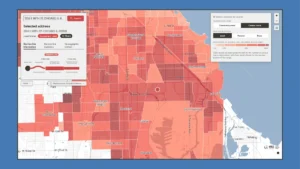
One of the most significant successes of the initiative is the resuscitation of EJScreen. The tool, an interactive mapping application designed to highlight demographic disparities in pollution exposure, was effectively abandoned by the federal government during the initial budget cuts.
Through a partnership between the Climate Reserve and the Open Environmental Data Project, the software has been moved to an independent server, ensuring that communities and policymakers continue to have access to real-time data. Brittany Janis, executive director of the Open Environmental Data Project, describes this work as a "parachute" strategy. "We are focusing on how we can be incredibly intentional about placing these experts so that we do not suffer a catastrophic loss of institutional memory," Janis stated. The effort ensures that decades of historical environmental data are not merely stored in static archives but remain active and functional for public use.
Addressing the Data Gap: The "Unsexy" Work of Climate Science
While large-scale climate modeling often captures public attention, the Climate Reserve has prioritized the foundational, often overlooked, tasks of data harmonization. Sonia Wang, who oversees the Center for Climate and Environmental Data at the Data Foundation, emphasizes that the integrity of climate action relies on these invisible processes.

"When you have two different research groups using satellite imagery to track methane leaks but utilizing disparate wind speed models, you end up with conflicting datasets," Wang explained. "This creates a vacuum where policymakers can claim the science is ‘unsettled.’ By providing the funding for experts to standardize these models, we are building the bedrock of trust that is necessary for any future environmental policy."
The organization’s focus extends to international collaborations as well. Ben Poulter, a lead researcher at the climate solutions nonprofit Spark, is currently overseeing a project that utilizes Climate Reserve fellows to map greenhouse gas emissions across five African nations. The initiative tracks feedback loops in carbon-sensitive ecosystems—such as wetlands—which are often excluded from standard climate models due to their complexity.
Strategic Caution and the Political Environment
Despite the public launch of its operations, the Climate Reserve maintains a degree of operational opacity regarding certain projects. This caution is a direct response to the administration’s demonstrated willingness to use funding mechanisms as a punitive tool against organizations that produce climate-related findings deemed unfavorable.
Many of the fellows working within the network maintain ties to federal entities or may seek federal grants in the future, creating a delicate balance. The leadership of the Climate Reserve, headed by former Biden administration senior official Aparna Shrivastava, acknowledges that the threat of further administrative hostility remains high. Consequently, the organization has adopted a "need-to-know" disclosure policy for its most sensitive research efforts, aiming to insulate its staff from potential professional retaliation.
Implications for the Future of Scientific Independence
The emergence of the Climate Reserve signals a fundamental shift in how climate science is conducted in the United States. Historically, federal agencies served as the primary financiers and custodians of earth science data. The current transition toward private, philanthropic-backed models of science suggests that the scientific community is preparing for a future where federal support is no longer a given.
Dr. John Balbus, a former senior official at the Department of Health and Human Services and a current Climate Reserve fellow, notes that the demand for this expertise is escalating even as the government retreats. "The physical impacts of a warming planet—extreme heat, wildfire smoke, and shifting weather patterns—do not stop because an agency loses its budget," Balbus said. "The work of public service is a commitment to the mission, not just the employer. We are seeing a generation of scientists who are determined to serve the public interest, regardless of the political winds in Washington."
Broader Impact and Future Projections
The economic impact of these cuts remains a subject of ongoing analysis. According to data from the American Association for the Advancement of Science (AAAS), the sudden reduction in research grants has resulted in the loss of thousands of specialized jobs, many of which required years of doctoral training. The "brain drain" from the federal sector into the private or nonprofit sector is not just a personal loss for the scientists, but a systemic loss of public-sector capacity.
Looking ahead, the Climate Reserve aims to triple its current funding levels by the end of next year. Shrivastava is clear that while the initiative is filling a vital role, it is not an attempt to permanently supplant the role of the government. "We are not trying to replace the federal government," she stated. "Our objective is to serve as a bridge. If the federal government returns to supporting these critical functions, we will be here to help transition that knowledge back into the public fold. But for now, we are the ones holding the line."
The success of the Climate Reserve may ultimately serve as a blueprint for other scientific disciplines facing similar pressures. By fostering a network that prizes collaboration over competition and institutional memory over bureaucratic status, the initiative provides a model for maintaining scientific continuity in an era of volatility. As global temperatures continue to rise and the need for accurate, actionable environmental data becomes more pressing, the role of these independent "reservists" appears increasingly essential to the long-term health and stability of the American research enterprise.
Related posts: