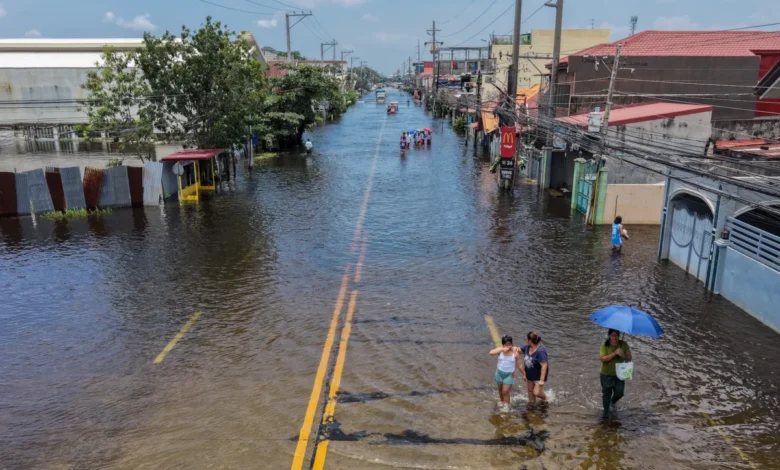
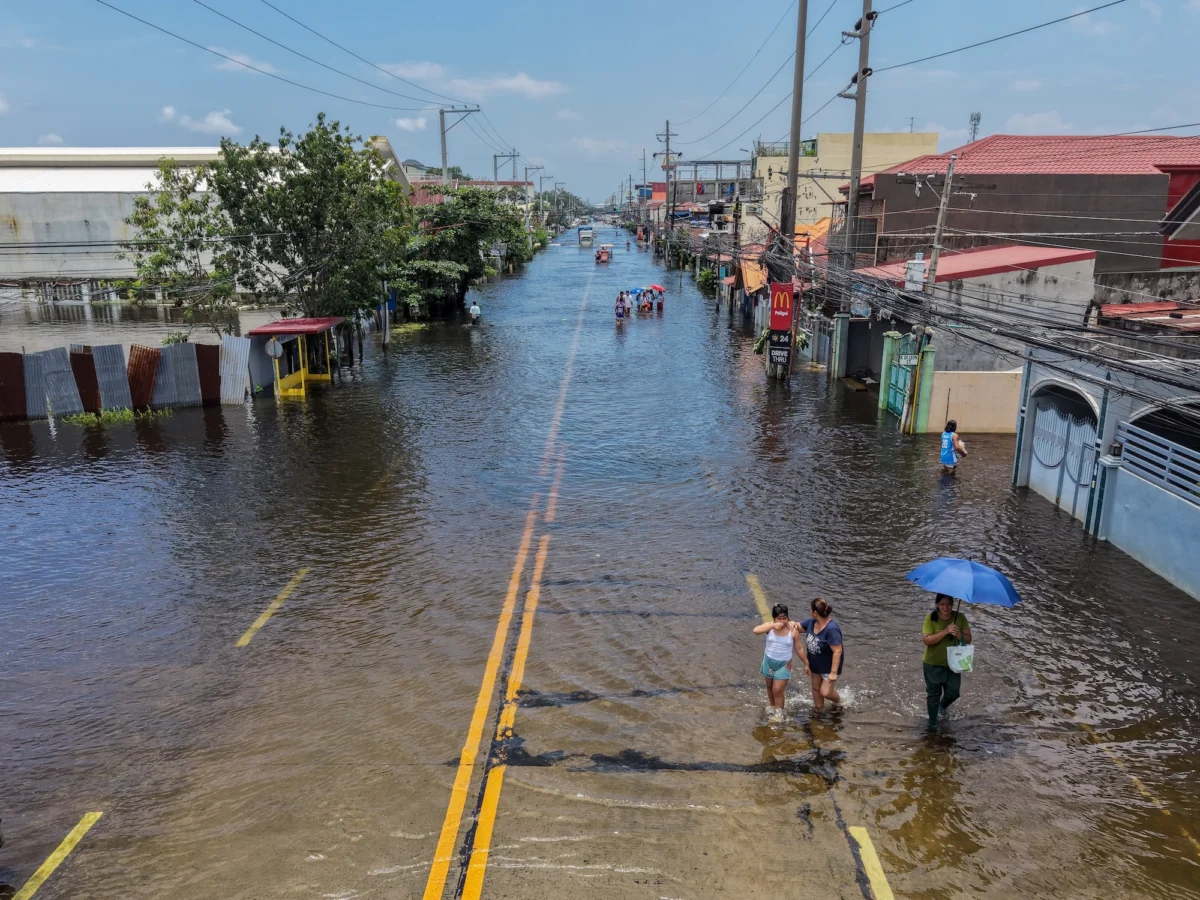
The global meteorological community is currently grappling with a climate event of unprecedented intensity: a record-shattering El Niño that is fundamentally altering weather patterns across the planet. As ocean temperatures in the Pacific climb to levels never before documented, the repercussions are being felt in the form of catastrophic droughts, severe flooding, and a surge in extreme heat events. With California declaring a formal state of emergency to bolster its disaster preparedness, the international focus has shifted to the immediate health and economic threats posed by this phenomenon. Recent projections from climate research organizations indicate that this specific El Niño could be linked to as many as 451,000 heat-related excess deaths worldwide before the current cycle reaches its conclusion in February.
The Mechanics of the 2026 Climate Shift
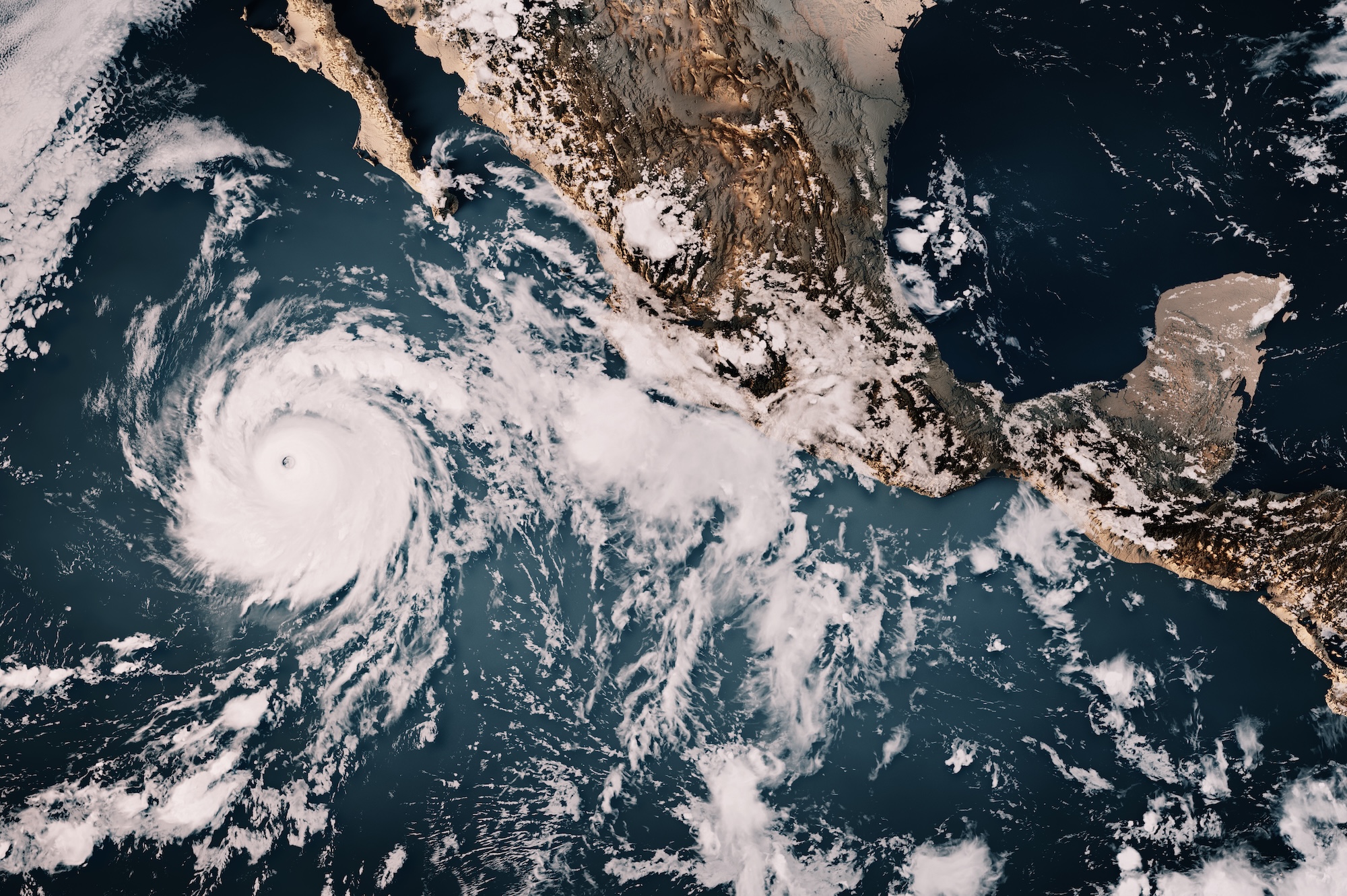
El Niño is a naturally occurring oscillation in the climate system characterized by the warming of sea surface temperatures in the central and eastern tropical Pacific Ocean. Under neutral conditions, trade winds typically blow from east to west, pushing warm, sun-heated surface water toward the western Pacific, near Indonesia and Australia. This process allows cooler, nutrient-rich water to rise to the surface along the coasts of the Americas.
During an El Niño year, these trade winds weaken significantly or, in extreme cases, reverse direction entirely. This allows the vast pool of warm water that is normally sequestered in the western Pacific to "slosh" back toward the eastern Pacific basin. This redistribution of heat alters the atmospheric circulation, shifting precipitation patterns globally. The 2026 iteration is particularly concerning because it is occurring against the backdrop of an already warming planet, where anthropogenic greenhouse gas emissions have raised the baseline temperature of the Earth, effectively "supercharging" the natural El Niño cycle.
A Chronology of Record-Breaking Anomalies
The current event began to show signs of abnormal intensity in early 2026. By June, ocean temperatures in the key Niño 3.4 monitoring region began to climb, outpacing historical averages. Throughout July and August, climatologists noted that the warming was not merely following the pattern of previous major events, but was setting a new trajectory entirely.
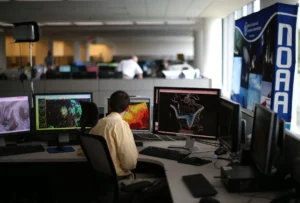
By September 2026, the temperature anomaly in the Niño 3.4 region reached 3.11 degrees Celsius above the long-term average. To put this into perspective, the previous record-holder, the significant El Niño of 2015, peaked at a lower intensity. This current surge suggests that we are witnessing a "generational" weather event. Forecast models from the National Oceanic and Atmospheric Administration (NOAA) and other international meteorological bodies currently suggest a 90 percent probability that this "very strong" intensity will persist through the final quarter of the year and into early 2027.
Defining the Super El Niño
While the label "Super El Niño" is not an official scientific classification used by organizations like the World Meteorological Organization (WMO), it has gained widespread acceptance among the scientific community and the media as a shorthand for "very strong" events. In the United States, NOAA classifies an El Niño as "moderate" when temperatures are 1.0 degree Celsius above normal, "strong" at 1.5 degrees, and "very strong" at 2.0 degrees.
The fact that current temperatures have reached 3.11 degrees suggests that the existing classification system may no longer be adequate to describe the scale of modern climate events. The term first entered the lexicon in a 2003 academic paper discussing the potential for extreme transitions between El Niño and its cooler counterpart, La Niña. Today, the term has been adopted across multiple languages, including Serbian, Norwegian, German, and French, reflecting the global nature of the concern.
Official Responses and Public Safety Measures
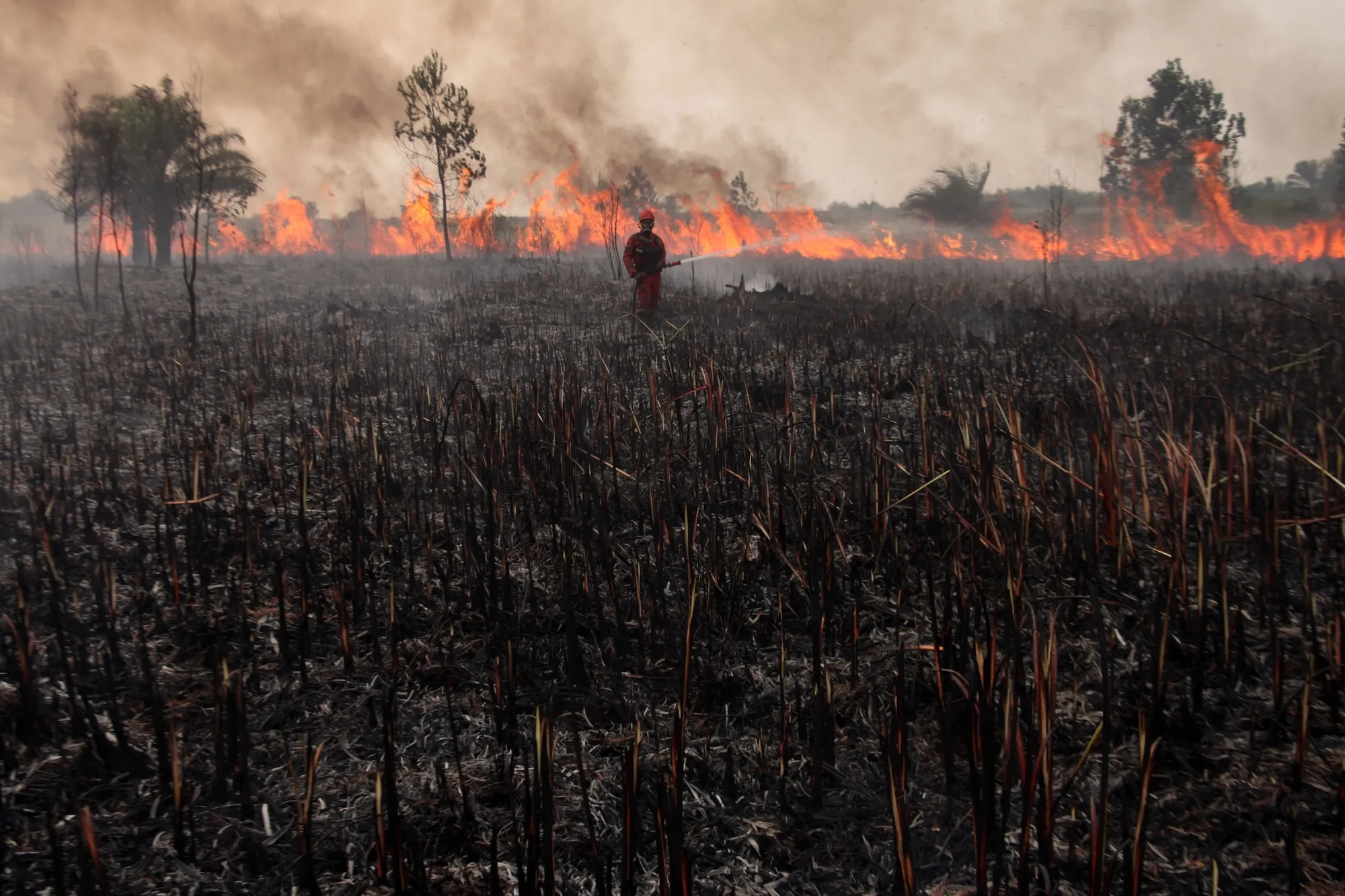
Governments across the globe are scrambling to adapt to the projected disruptions. In California, Governor Gavin Newsom’s proclamation of a state of emergency reflects the urgent need to manage water resources, reinforce infrastructure against potential flood damage, and prepare for the increased wildfire risks that accompany the shifts in precipitation.
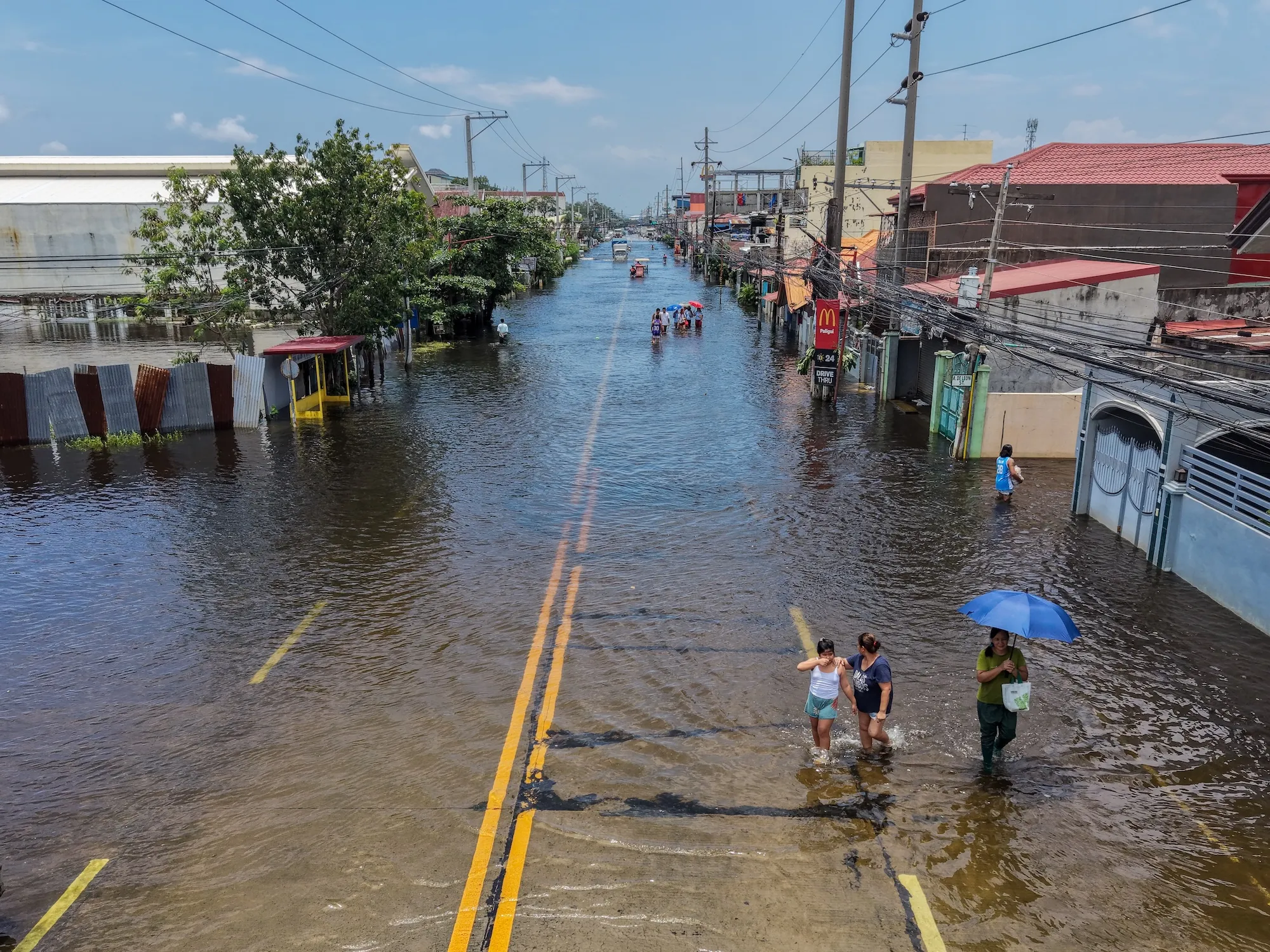
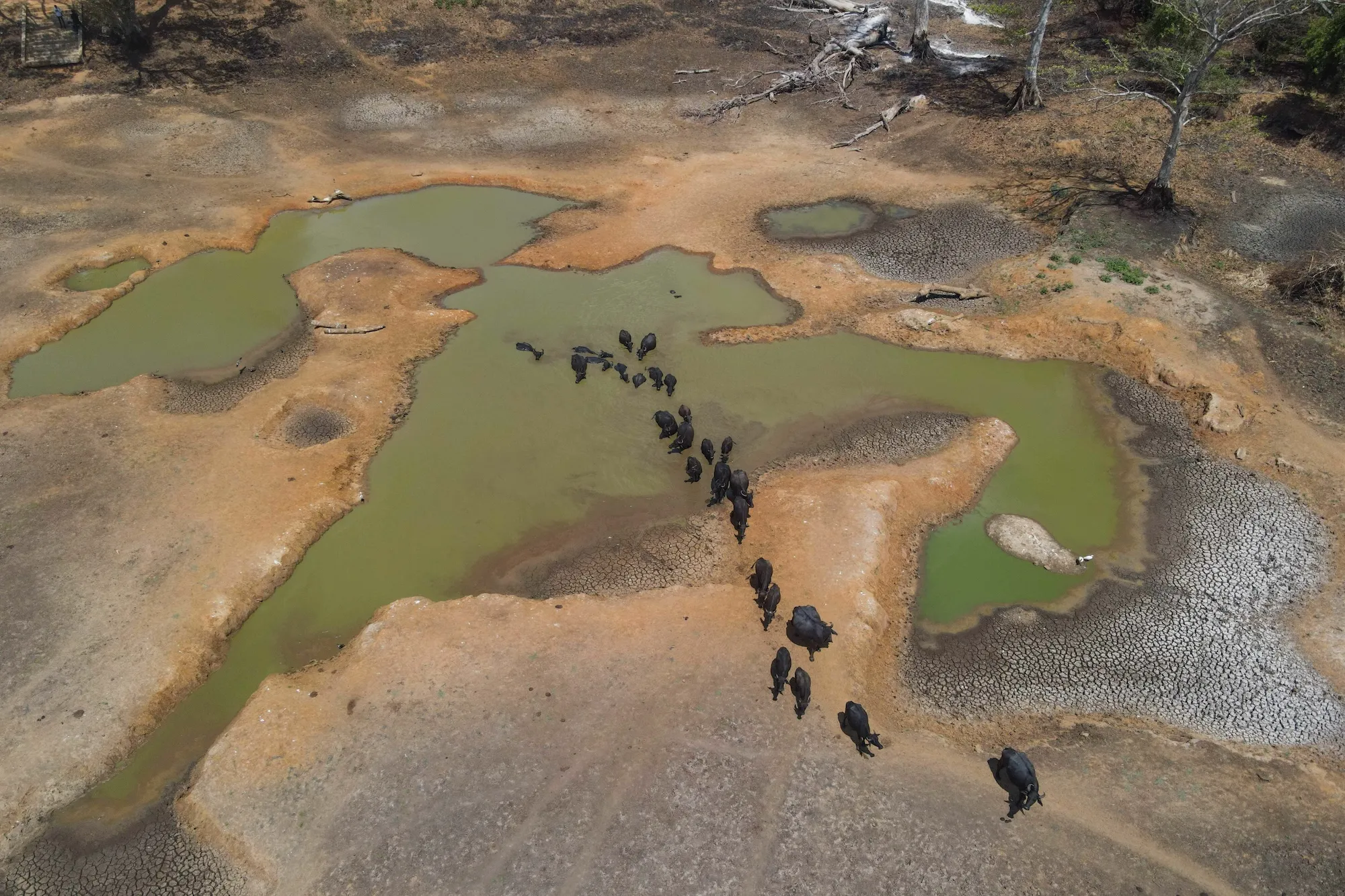
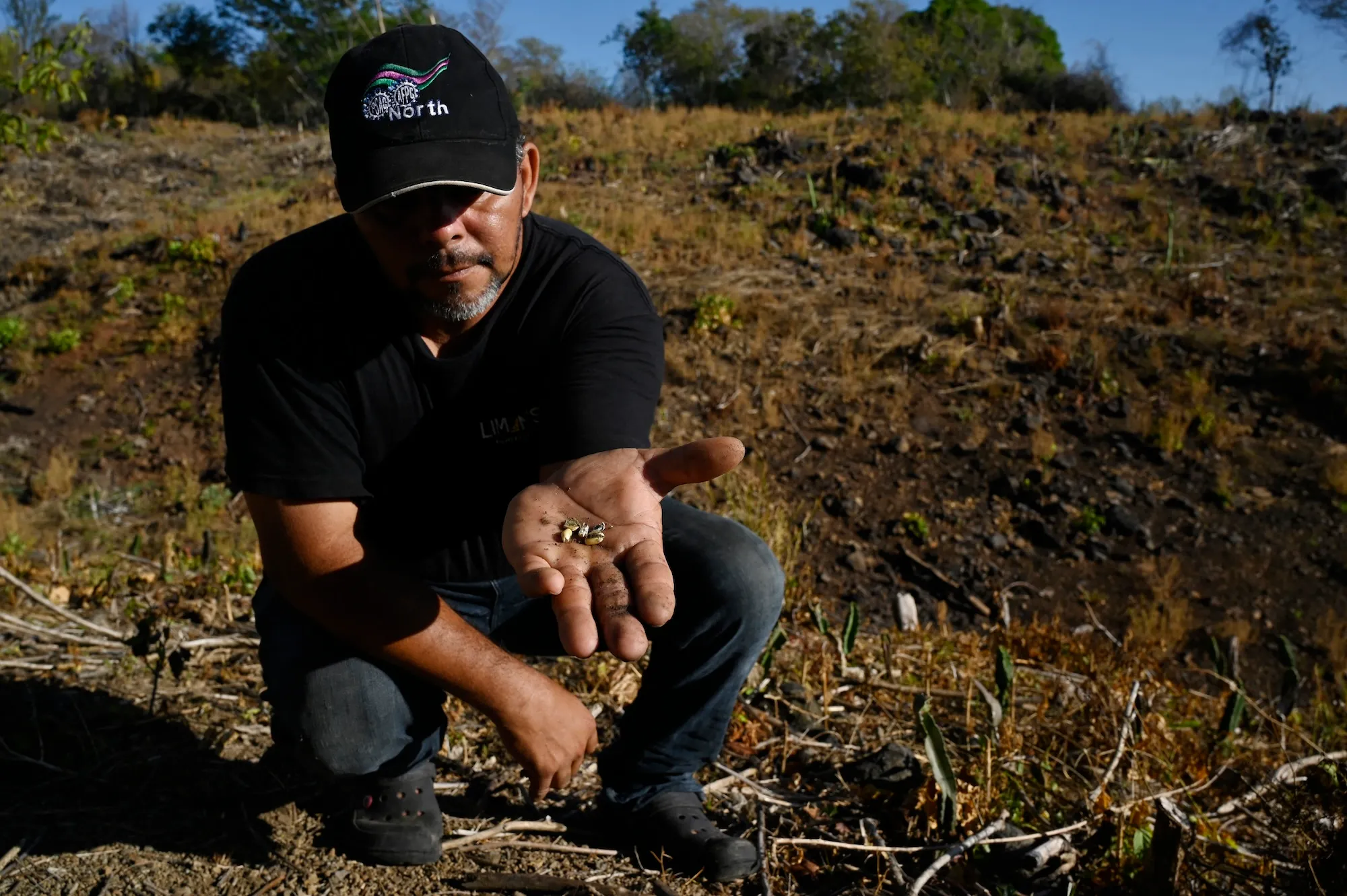
In Southeast Asia and Central America, the implications are equally dire. In the Philippines, heavy monsoon rains have already caused significant flooding, while in Sri Lanka, severe drought conditions have decimated local agriculture. Similarly, in Honduras, farmers report that the lack of rainfall has caused crops to fail to germinate, raising concerns about local food security and the potential for a spike in commodity prices.
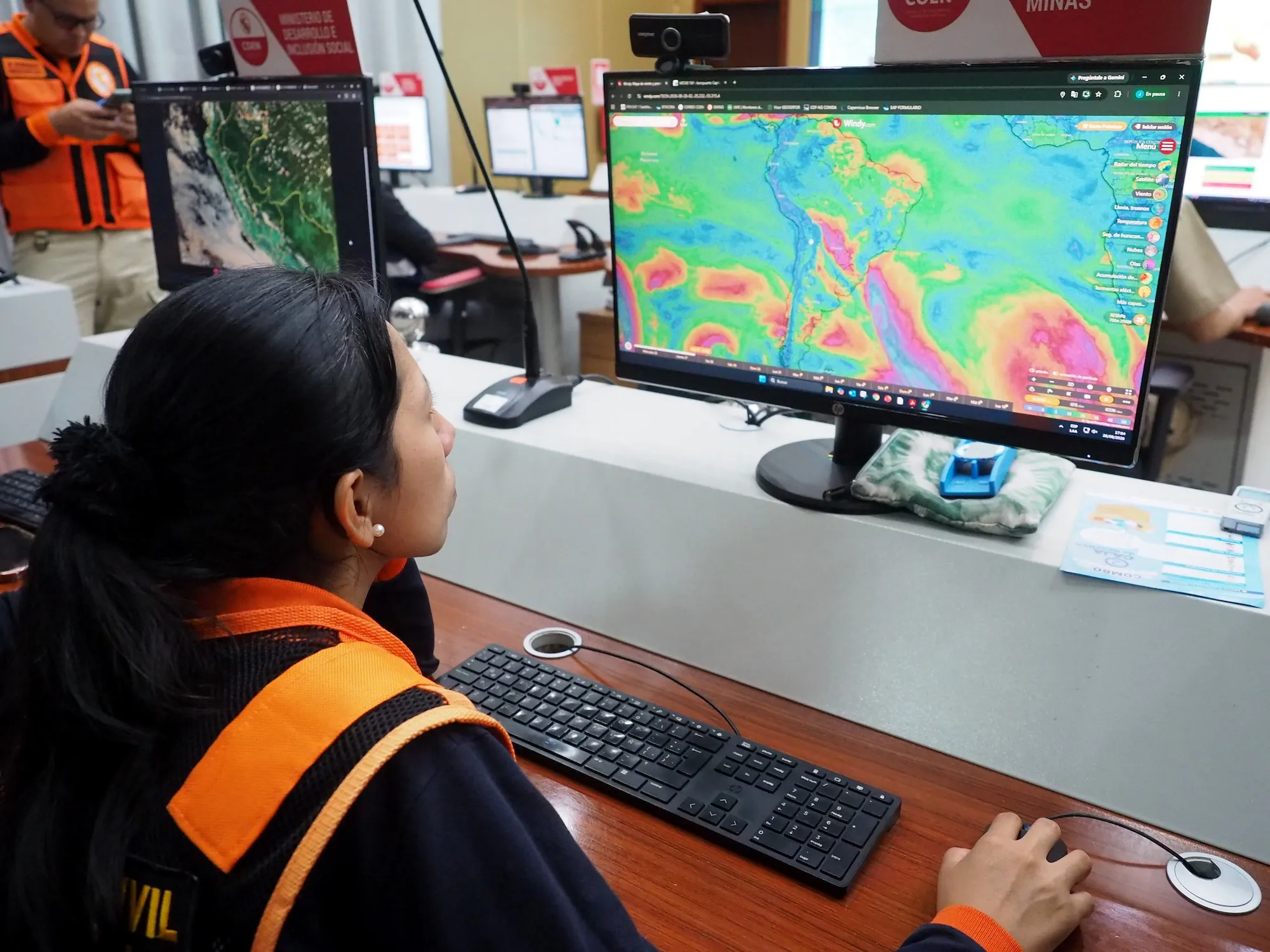
International agencies are coordinating efforts to monitor these impacts. Public health officials are particularly focused on the risks of heat-related illnesses in urban centers that are ill-equipped to handle prolonged periods of extreme temperatures. The projection of 451,000 potential deaths serves as a stark reminder that climate events of this magnitude are not merely meteorological data points—they are humanitarian crises.
Economic and Agricultural Implications
The economic impact of this Super El Niño extends far beyond immediate disaster relief costs. Global supply chains, particularly in the agricultural sector, are highly sensitive to the rainfall fluctuations associated with this phenomenon. Key regions that produce coffee, cocoa, palm oil, and grains are experiencing the dual pressures of drought and flooding.
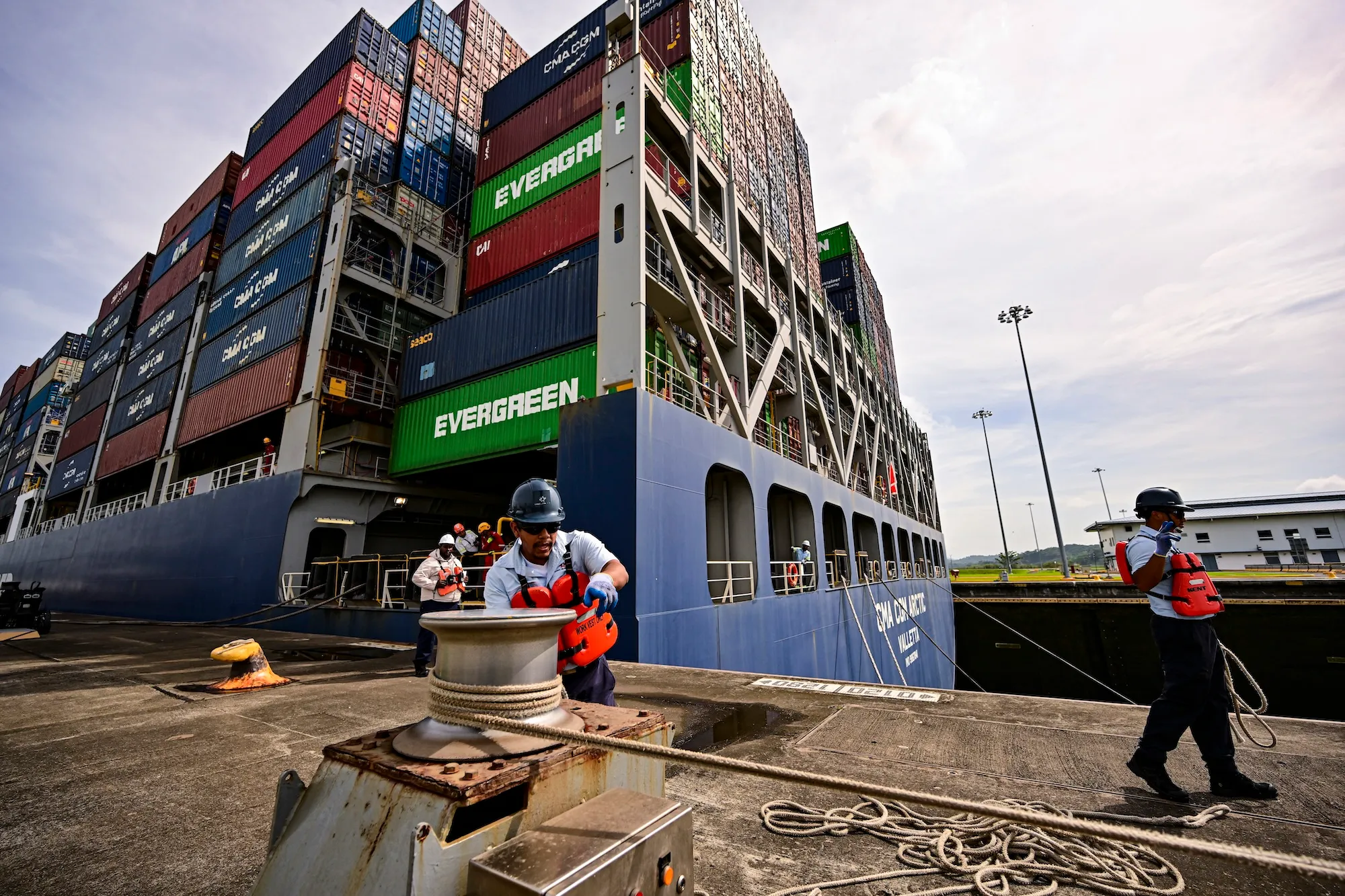
Furthermore, the Panama Canal, a vital artery for international trade, has had to implement reduced transit measures. These restrictions are a direct consequence of the drought conditions linked to the weather pattern, which have lowered water levels in the canal’s locks, limiting the number of ships that can pass through each day. This, in turn, exerts upward pressure on global shipping costs and contributes to inflationary trends.
Future Outlook: A New Era of Climate Extremes
The scientific consensus suggests that this 2026 event provides a window into the future. Climate models have long predicted that as the planet warms, the frequency and intensity of extreme climate oscillations would increase. If the world continues on a path of unchecked fossil fuel consumption, the "new normal" may involve regular occurrences of events that exceed our current definitions of "strong" or "super."
Climate scientist Zeke Hausfather and other experts have noted that if current models are accurate, we are approaching a point where the language used to describe these events will need to be entirely overhauled. Terms like "mind-bogglingly crazy" or "gobsmackingly bananas," while colloquial, have emerged from the scientific community as a desperate attempt to convey the severity of the records being broken.
The overarching lesson of the 2026 Super El Niño is that the climate system is no longer operating within the historical bounds that shaped modern civilization. The event underscores the critical necessity for long-term climate adaptation and, more importantly, the urgent requirement for global decarbonization. As we navigate the coming months, the focus must remain on the intersection of data-driven preparedness and the broader, inescapable reality of a rapidly warming world. Whether this event is termed "Super," "Godzilla," or simply a "generational anomaly," the challenge it presents to global stability is clear, and the window to mitigate the most catastrophic long-term effects is narrowing.