A Rare Diplomatic Consensus Emerges as Global Powers Acknowledge Statehood Amid Rising Seas

In a surprising departure from a recent trend of isolationism and climate skepticism, the United States joined a unanimous resolution at the United Nations General Assembly this week, formally establishing a global consensus on the legal status of nations facing existential threats from sea-level rise. This development marks a significant shift in the landscape of international climate diplomacy, particularly given the Trump administration’s previously aggressive stance against multilateral climate agreements, including the withdrawal from the Paris Accord and opposition to international carbon taxation on maritime shipping.
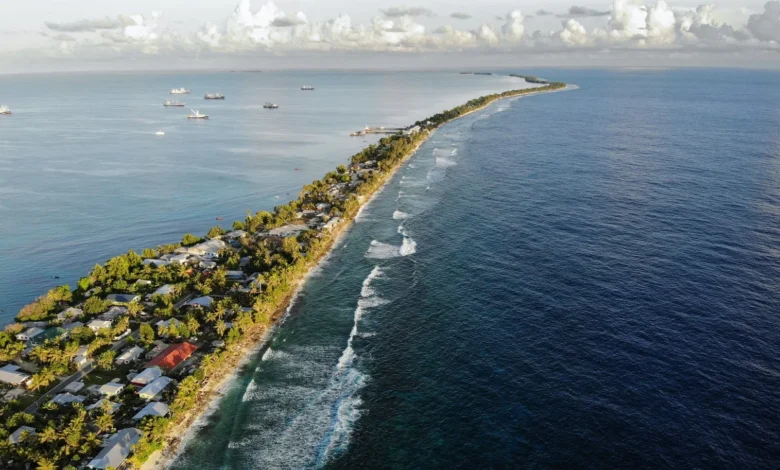
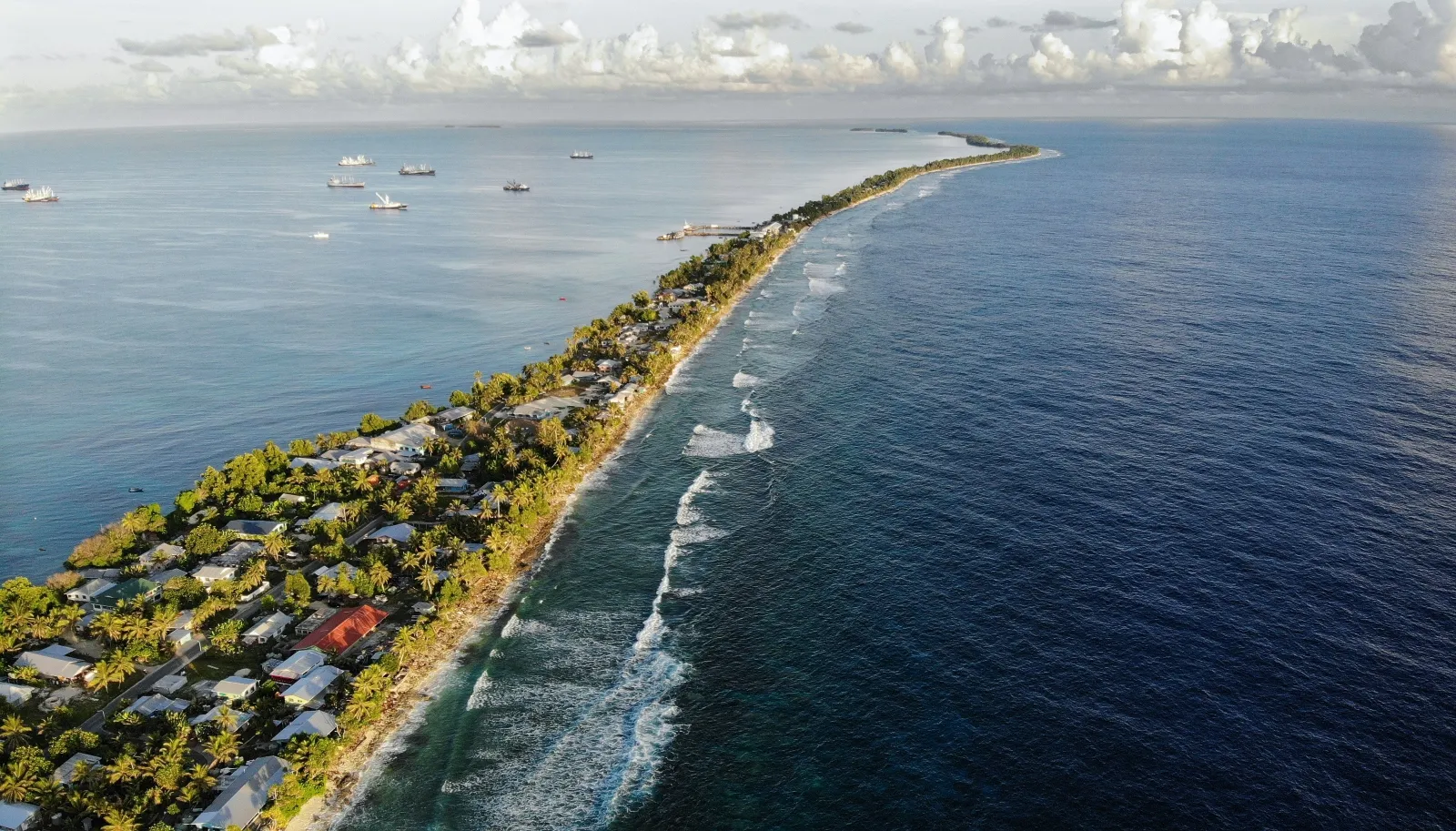
The resolution, which addresses the rights of low-lying island nations, serves as a crucial legal safeguard for states that may see their landmasses completely submerged by the end of the century. By securing this agreement, the international community has affirmed that statehood is not contingent upon the physical existence of territory. This move provides a lifeline to nations like Tuvalu and the Marshall Islands, ensuring that even if their land is swallowed by the Pacific, their political status, sovereignty, and, crucially, their maritime boundaries will remain intact.
The Erosion of Sovereignty and the New Legal Framework
For decades, the concept of statehood has been tethered to the "Montevideo Convention" criteria, which include having a defined territory. However, as anthropogenic climate change drives melting ice sheets and thermal expansion of the oceans, the potential for "stateless" nations has transitioned from a theoretical legal conundrum to an urgent humanitarian and political reality.
The UN resolution formalizes a "presumption of statehood," essentially decoupling a nation’s sovereignty from its physical land. This is not merely symbolic; it provides a framework for these nations to continue governing their Exclusive Economic Zones (EEZs). These zones—extending 200 nautical miles from a coastline—are vital for the economic survival of island states. They encompass rights to deep-sea fishing, mineral extraction, and emerging sectors like offshore renewable energy. Without this international recognition, a nation that loses its land could effectively lose its ocean, turning vast swathes of the Pacific into international "no-man’s-land" vulnerable to exploitation by larger, more powerful actors.
A Chronology of Climate Diplomacy and Setbacks
The road to this week’s consensus has been fraught with tension. To understand the significance of this shift, one must look at the recent timeline of international climate policy:
- 2024: Following intense negotiations at COP29 in Baku, the world committed to a target of $300 billion in annual climate aid by 2035. However, progress has been sluggish, with much of the funding provided as high-interest loans rather than the grants necessary for climate-vulnerable states.
- 2025 (Early): The Trump administration signals a pivot away from international climate obligations, initiating a series of trade threats against countries that prioritize climate advocacy and gutting the U.S. Agency for International Development (USAID), which had previously been a primary conduit for climate-resilient development aid.
- 2025 (Mid-Year): The International Court of Justice (ICJ) issues a landmark ruling clarifying that the disappearance of territory does not necessarily terminate statehood. This ruling provided the legal bedrock for the current UN resolution.
- 2025 (August): Diplomatic friction reaches a peak as the U.S. threatens tariffs on developing nations for their focus on climate-related trade barriers, creating a climate of fear within the diplomatic community.
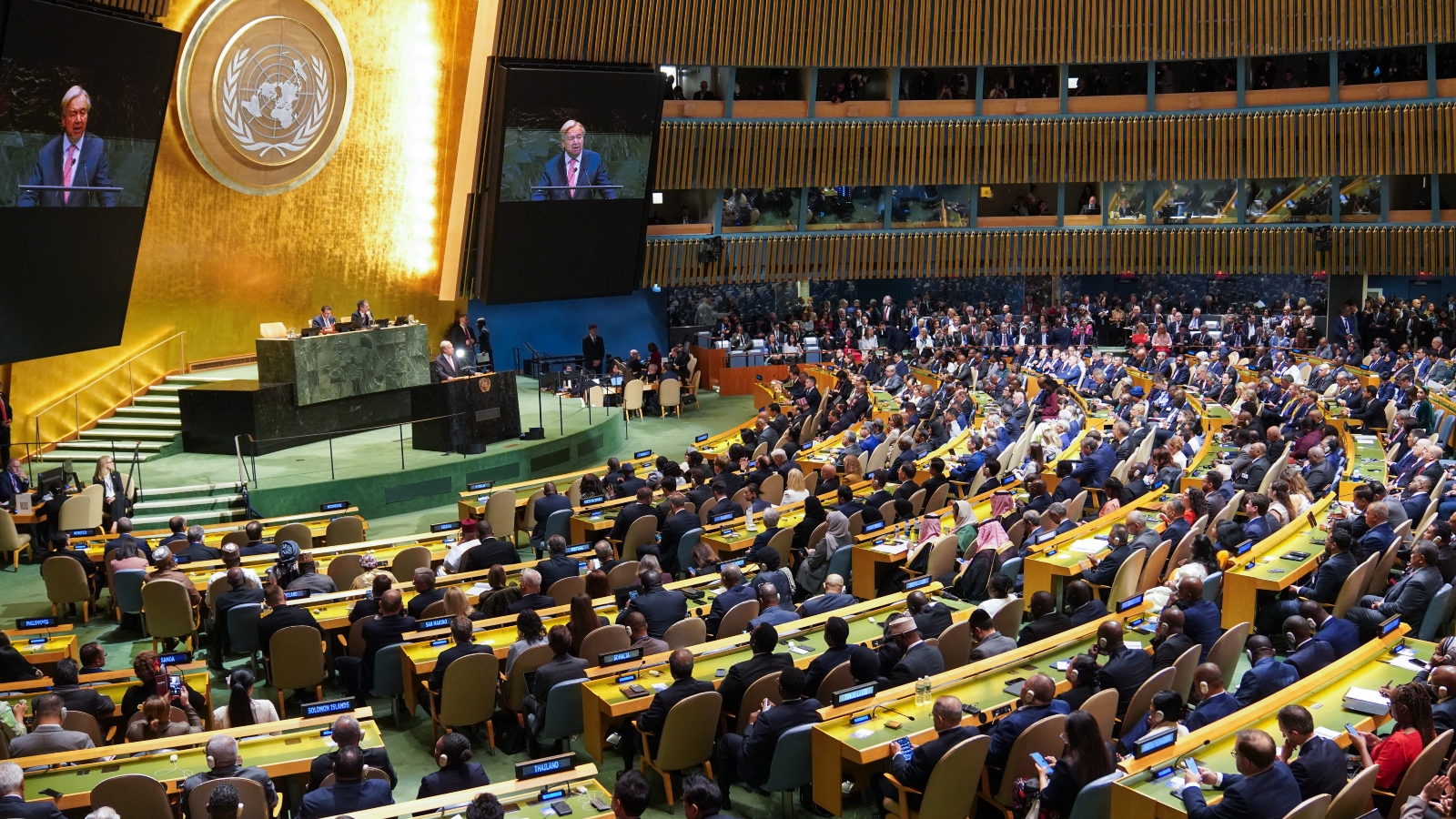
- 2026 (September): The United Nations General Assembly convenes. Despite the prevailing atmosphere of gridlock, the Alliance of Small Island States (AOSIS) successfully negotiates the language of the declaration, and the U.S. chooses not to exercise its power to block the measure.
Data on Climate Vulnerability and Financial Disparity
The necessity for this declaration is rooted in stark data. According to the Intergovernmental Panel on Climate Change (IPCC), sea levels could rise by nearly a meter by 2100 under high-emissions scenarios. For the Bahamas, where landmasses average less than three meters above sea level, this is an imminent crisis. Prime Minister Philip Davis has emphasized that his nation is already losing land, forcing a re-evaluation of national infrastructure and disaster debt.
Financially, the gap between the need and the reality is cavernous. While developed nations provide approximately $130 billion annually in climate finance, this is estimated to be less than half of what is required for effective adaptation. Furthermore, the reliance on debt-based financing is exacerbating the economic instability of island nations. For instance, the Bahamas continues to carry a heavy debt burden incurred in the wake of Hurricane Dorian in 2019, demonstrating that climate-driven disasters create a cycle of poverty that makes building sea walls or relocating populations nearly impossible without international support.
The Motivations Behind U.S. Cooperation
Political analysts and legal experts have spent the week dissecting why the United States, a staunch opponent of climate-related regulation, would support this resolution. The answer, according to Bryce Rudyk, a legal advisor to the Alliance of Small Island States, is rooted in national self-interest.
"It is not just about the Pacific islands," Rudyk explained. "Every coastal nation on earth faces the threat of rising seas. The United States has thousands of miles of coastline. If we establish a precedent that a country loses its maritime sovereignty when its beach recedes, we are creating a future of global legal chaos."
By supporting the "presumption of statehood," the United States is protecting its own future rights to its own coastal and offshore resources. The resolution ensures that regardless of how the shoreline shifts, the economic, military, and resource rights associated with that territory remain with the sovereign state. This pragmatic approach allowed the U.S. to support the resolution without necessarily pivoting on its broader, more controversial stances regarding carbon emissions or international climate taxes.
Implications for Global Climate Aid
While the resolution is a triumph for legal sovereignty, it does not explicitly solve the funding crisis. The language regarding the "urgent obligation" of developed countries to provide adaptation funds is significant, but it lacks a binding enforcement mechanism.
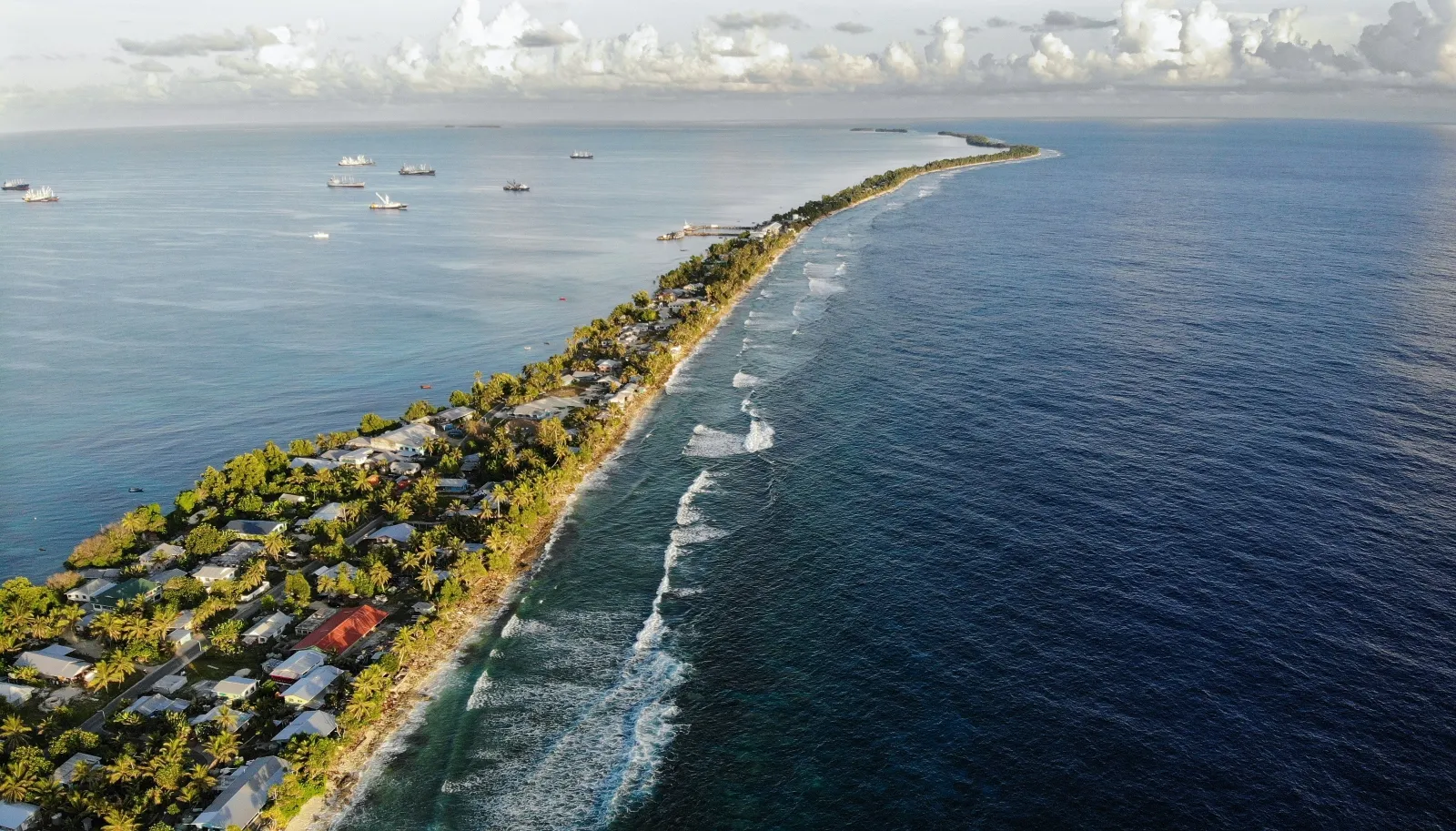
For the Marshall Islands and Tuvalu, the declaration is a shield against legal erasure, but it is not a cure for the physical destruction of their homes. Climate advocates note that while the world has agreed that these nations should exist, it has not yet agreed on how to pay for the massive infrastructure projects needed to keep them habitable.
However, the inclusion of language supporting "expanded access" to adaptation funds represents a breakthrough. For years, wealthy nations—including the United States—have blocked such language in international forums. That the U.S. allowed this phrasing to pass indicates that even in a climate of intense diplomatic polarization, there is a limit to how much global instability major powers are willing to tolerate.
Looking Ahead
The passage of this declaration suggests that while the current U.S. administration may continue to resist direct climate-mitigation treaties, it is increasingly cognizant of the "second-order" effects of climate change. As borders shift and nations become physically compromised, the risk of resource conflicts, mass migration, and legal disputes over maritime boundaries becomes a matter of national security for every country.
As the international community moves forward, the focus will likely shift from the legal definition of statehood to the practicalities of financial support. The challenge for the coming decade will be whether the "consensus" reached at the UN can be translated into the billions of dollars of grants and technical assistance required to turn these legal protections into a tangible future for the citizens of the world’s most vulnerable nations. For now, at least, those nations have the legal certainty that they will not be erased from the map, even if their lands are claimed by the rising tide.
Related posts: